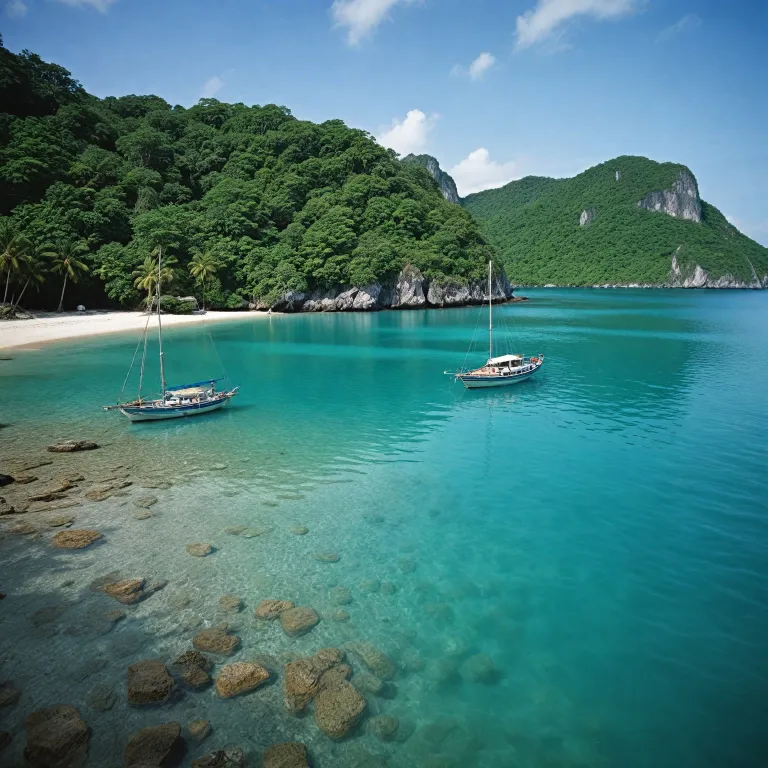
Planning your island hopping trip for maximum safety and enjoyment
Island hopping offers travelers the unique opportunity to explore multiple islands in a single trip, but careful planning is essential to ensure both safety and enjoyment. Begin by researching each island on your itinerary, paying attention to local regulations and health safety guidelines. A good idea is to consult reputable tour operators and local authorities, as they provide up-to-date information on weather, ferry ride schedules, and any potential hazards. When planning your island day, consider the time of year and the typical weather patterns, as conditions can change rapidly in coastal regions. Don’t forget to check the website of your chosen tour operator for safety updates and recommended gear. It’s wise to purchase travel insurance that covers water activities and medical emergencies, as this will offer peace of mind throughout your journey. Spend time reviewing the safety protocols for each island tour, including the use of life jackets and emergency procedures. If you plan to rent a car on any of the islands, ensure you are familiar with local driving laws and road conditions. Always keep in mind that island time may differ from the mainland, so allow extra time to avoid rushing between day trips. By preparing thoroughly, you set the stage for a safe and memorable island hopping adventure.
Essential gear and packing tips for island hopping safety
Packing the right gear is crucial for health safety and comfort during island hopping. Always bring a life jacket, even if your tour operator provides one, as it’s a good idea to have a properly fitting option. Reef-safe sunscreen is essential to protect both your skin and the marine ecosystem; "Reef-safe sunscreen is formulated without chemicals harmful to coral reefs, such as oxybenzone and octinoxate. Using it helps protect marine ecosystems from bleaching and degradation." Waterproof bags will keep your belongings dry during boat transfers and unexpected rain. Don’t forget a first-aid kit with essentials for minor injuries, as well as medications for seasickness. Travelers should also pack lightweight clothing, a hat, and sunglasses to shield against the sun during long island day excursions. It’s wise to bring reusable water bottles to stay hydrated and reduce plastic waste, supporting environmental responsibility. When visiting island destinations, pack light to make ferry rides and transfers easier. If you plan to rent a car, ensure your luggage fits comfortably, as storage space may be limited. For those planning private boat day trips, double-check that all safety equipment is onboard before departure. Always check the website of your tour operator for a recommended packing list tailored to the islands you’ll visit. By preparing thoughtfully, you’ll be ready to fill your bucket with unforgettable memories while prioritizing safety and comfort.
Staying safe during boat transfers and ferry rides
Boat transfers and ferry rides are integral parts of island hopping, and safety should always be your top priority. Always wear a life jacket during every crossing, regardless of the distance or time spent on the water. "Yes, wearing a life jacket is essential for safety, regardless of the trip's duration, as it provides buoyancy and can save your life in emergencies." Listen carefully to safety briefings from tour operators and follow their instructions without exception. Don’t forget to check the weather forecast before each day trip, as conditions can change quickly and impact your travel plans. If you’re prone to seasickness, sit near the center of the boat and focus on the horizon; "To prevent seasickness, sit near the center of the boat where motion is less intense, focus on the horizon, and consider taking motion sickness medication before departure." Keep in mind that ferry ride schedules may be affected by tides and weather, so allow extra time and remain flexible. When traveling with children or elderly travelers, ensure they are supervised at all times during transfers. For those opting for a private boat, verify that the vessel is equipped with all required safety gear, including life jackets and communication devices. It’s a good idea to familiarize yourself with emergency procedures and the location of exits on each vessel. If you need more information on safe island hopping practices, visit this comprehensive island travel safety guide. By staying vigilant and prepared, you’ll ensure each island day is both enjoyable and secure.
Health safety and environmental responsibility while island hopping
Maintaining health safety and respecting the environment are key aspects of responsible island hopping. Sun exposure is a major risk, with 60% of travelers experiencing sunburn; always apply reef-safe sunscreen and reapply throughout the day. Stay hydrated by drinking plenty of water, especially during long day trips under the sun. Be mindful of local wildlife, such as jellyfish, and know how to respond if stung: "If you encounter a jellyfish, avoid touching it. If stung, rinse the area with vinegar if available, and seek medical attention if necessary." Don’t forget to pack a first-aid kit and familiarize yourself with basic first aid for common island injuries. When visiting island destinations, respect local customs and environmental guidelines to minimize your impact. Use reusable items, dispose of waste properly, and avoid disturbing marine life. "Minimize your impact by using reusable items, disposing of waste properly, respecting wildlife, and following local environmental guidelines." It’s a good idea to support eco-friendly tour operators who prioritize sustainability and conservation. For more tips on sustainable travel, explore this eco-conscious island travel resource. By prioritizing health safety and environmental stewardship, travelers help preserve the beauty of the islands for future generations.
Maximizing your time and enjoyment on each island
Making the most of your island hopping trip requires thoughtful planning and flexibility. Start each day early to maximize daylight hours and enjoy the islands at a relaxed pace. Don’t forget to check the local website for updated ferry ride schedules and special events that may enhance your experience. Spend time exploring both popular and lesser-known spots, as each island offers unique attractions and a good place to unwind. If you have a car, use it to reach hidden beaches or scenic viewpoints that are not accessible by foot. Allow yourself time to enjoy each destination fully, rather than rushing from one island tour to the next. Keep in mind that island time often moves slower, so embrace the relaxed atmosphere and adjust your expectations accordingly. For those seeking a great place to fill their bucket with adventure, consider booking private boat day trips to secluded islands. Don’t forget to take breaks, stay hydrated, and protect yourself from the sun during long excursions. By balancing activity and relaxation, travelers can create lasting memories and truly enjoy every moment of their island hopping journey.
Post-trip considerations and staying connected with island safety resources
After completing your island hopping adventure, take time to reflect on your experiences and review any safety lessons learned. Share feedback with your tour operator or on their website to help future travelers make informed decisions. Don’t forget to check for any health safety advisories or follow-up care, especially if you experienced minor injuries or sunburn during your trip. Stay connected with local authorities and travel agencies for updates on new safety protocols or environmental initiatives. It’s a good idea to keep in mind the importance of travel insurance, as it may cover post-trip medical expenses or lost belongings. Spend time organizing your photos and notes to remember the good places and great experiences you enjoyed. If you rented a car, ensure it is returned in good condition and all personal items are removed. For those planning future trips, use your insights to improve packing, timing, and safety measures. By staying engaged with island safety resources and sharing your knowledge, you contribute to a safer and more enjoyable experience for all travelers. Don’t forget to encourage others to prioritize health safety and environmental responsibility on their own island hopping adventures.
Key island hopping safety statistics
- 60% of travelers experience sunburn during island hopping trips.
- 10% of coral reefs are affected by harmful sunscreen chemicals.
- 500 boating accidents occur annually in tourist areas.
Frequently asked questions about island hopping safety
What is reef-safe sunscreen and why is it important?
Reef-safe sunscreen is formulated without chemicals harmful to coral reefs, such as oxybenzone and octinoxate. Using it helps protect marine ecosystems from bleaching and degradation.
How can I prevent seasickness during island-hopping?
To prevent seasickness, sit near the center of the boat where motion is less intense, focus on the horizon, and consider taking motion sickness medication before departure.
What should I do if I encounter a jellyfish while swimming?
If you encounter a jellyfish, avoid touching it. If stung, rinse the area with vinegar if available, and seek medical attention if necessary.