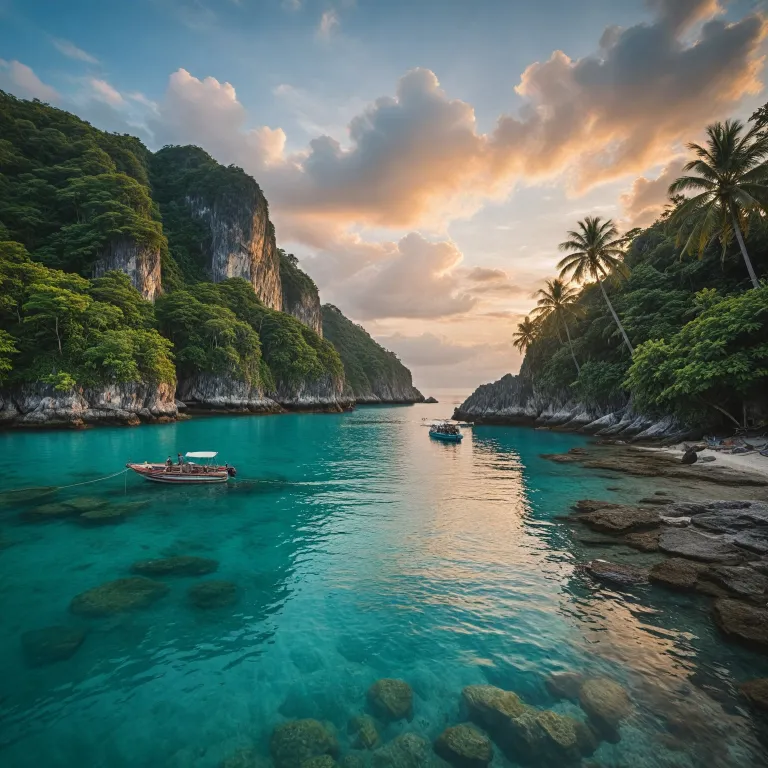
Unveiling the essence of island hopping in the Philippines
Island hopping in the Philippines is a transformative adventure, connecting travelers with the archipelago’s vibrant culture, pristine beaches, and crystal clear waters. With over 7,000 islands, the Philippines offers an endless array of tours and activities that cater to every type of explorer. Each island presents a unique experience, from the powdery sands of Boracay island to the dramatic limestone cliffs of Palawan island. The best time for island hopping tours is during the dry season, when the weather is ideal for boat trips and outdoor activities. Tour packages often include breakfast and lunch, ensuring guests are energized for a full day of exploration. Local tour operators and guides provide invaluable insights, making each tour an immersive journey through the heart of the Philippines. Whether you’re seeking a tranquil beach escape or a thrilling adventure, island hopping in the Philippines delivers unforgettable memories. The support best comes from choosing eco-friendly tours that respect local communities and preserve the natural beauty of the islands. As you plan your trip, consider the diversity of experiences available, from snorkeling in the coral-rich waters of Coron island to kayaking along the hidden lagoons of El Nido. Each hopping tour reveals a new facet of the Philippines, inviting travelers to embrace the spirit of discovery and connection.
Planning your perfect island hopping adventure
Crafting the ideal island hopping itinerary in the Philippines requires thoughtful preparation and an understanding of the region’s unique geography. Begin by selecting your base town, such as Coron town or El Nido, both renowned for their proximity to some of the best islands in the country. From these hubs, a variety of tours philippines and tours nido are available, ranging from half-day excursions to multi-day adventures. It’s essential to choose reputable tour operators who prioritize safety and sustainability, ensuring a seamless and responsible experience. Many tour packages include a knowledgeable tour guide, who can enrich your journey with local stories and cultural insights. When planning your trip, factor in the best time to visit, typically from November to April, when the seas are calm and the skies are clear. Don’t forget to pack essentials like reusable water bottles, dry bags, and waterproof phone covers to protect your belongings during boat rides. For those seeking a more personalized experience, private boat rentals offer flexibility and the chance to explore lesser-known islands at your own pace. Remember, the Philippines island hopping scene thrives on diversity, with each island offering distinct landscapes, activities, and culinary delights. For more inspiration on crafting your itinerary, explore this comprehensive guide to Philippines travel planning, which highlights key destinations and practical tips for every traveler.
Top destinations: from Palawan to Boracay and beyond
The Philippines is celebrated for its iconic island hopping destinations, each offering a unique blend of natural beauty and cultural heritage. Palawan island stands out as a premier choice, with El Nido and Coron drawing visitors from around the world. In El Nido, tours nido showcase dramatic karst formations, hidden lagoons, and vibrant marine life, making every hopping tour an adventure. Coron island is famed for its crystal clear lakes and world-class wreck diving, attracting both seasoned divers and curious beginners. Coron town serves as the gateway to these aquatic wonders, with tour starts conveniently located near the harbor. Boracay island, renowned for its powdery white beach and lively atmosphere, offers a different flavor of island hopping, with tours philippines connecting travelers to nearby islets and snorkeling spots. Puerto Princesa, another gem in Palawan philippines, invites visitors to explore the enchanting underground river and nearby beaches. For those seeking off-the-beaten-path experiences, lesser-known islands such as those in the Visayas and Mindanao regions provide tranquil escapes and authentic encounters with local communities. Each destination offers a range of activities, from kayaking and paddleboarding to cultural tours and culinary adventures.
Essential activities and experiences for every traveler
Island hopping in the Philippines is more than just moving from one island to another; it’s about embracing a diverse array of activities that showcase the country’s natural and cultural riches. Snorkeling and diving are among the most popular pursuits, with the coral gardens of Palawan island and the shipwrecks of Coron island offering unparalleled underwater adventures. Kayaking through El Nido’s hidden lagoons or paddleboarding along Boracay’s coastline provides a fresh perspective on the islands’ stunning landscapes. Cultural tours introduce travelers to the traditions and lifestyles of local communities, enriching the island hopping experience with authentic interactions and culinary delights. Many tour packages include breakfast lunch, allowing guests to savor local flavors while enjoying breathtaking views. Adventure seekers can embark on hiking excursions to scenic viewpoints or explore caves and waterfalls tucked away in lush jungles. The support best comes from engaging with community-based tourism initiatives, which empower residents and promote sustainable practices. For those interested in eco-friendly travel, several operators offer hopping philippines tours that prioritize environmental conservation and responsible tourism. To further enhance your journey, consider integrating wellness activities such as yoga or spa treatments, which are increasingly available on popular islands.
Sustainable tourism and community engagement
Sustainability is at the heart of modern island hopping in the Philippines, with a growing emphasis on minimizing environmental impact and supporting local communities. Tour operators are increasingly adopting eco-friendly practices, such as using traditional outrigger boats and reducing single-use plastics. Community-based tourism initiatives empower residents to share their culture and hospitality, ensuring that tourism revenue benefits those who call the islands home. Engaging with local guides and participating in cultural activities enriches the island hopping experience, fostering mutual respect and understanding. Government agencies play a crucial role in regulating tourism and promoting conservation, working closely with tour operators and local communities to preserve the natural beauty of the islands. As one expert notes, "Yes, many operators now offer eco-friendly tours focusing on sustainability and minimizing environmental impact." Travelers are encouraged to be mindful of their ecological footprint, from packing reusable items to respecting wildlife and natural habitats. By choosing responsible tour packages and supporting best practices, visitors contribute to the long-term preservation of the Philippines’ unique ecosystems. The impact of sustainable tourism extends beyond the environment, fostering economic growth and cultural exchange across the archipelago. As interest in eco-tourism grows, more travelers are seeking out lesser-known islands and authentic experiences that align with their values. This shift not only enhances the quality of island hopping tours but also ensures a brighter future for the Philippines’ treasured destinations.
Practical tips for a seamless island hopping journey
Preparation is key to making the most of your island hopping adventure in the Philippines. Start by researching the best time to visit, with the dry season from November to April offering optimal conditions for boat trips and outdoor activities. Pack essentials such as a reliable power bank, sufficient cash, and waterproof gear to ensure comfort and convenience throughout your journey. When booking tours, prioritize operators who provide experienced tour guides and prioritize safety, especially when exploring remote islands or engaging in water-based activities. Many tour packages include breakfast day and lunch, but it’s wise to bring snacks and water for added flexibility. Stay informed about local customs and regulations, particularly when visiting protected areas or interacting with wildlife. Travel insurance is highly recommended, covering activities like snorkeling, diving, and kayaking. For those venturing to multiple islands, consider the logistics of transportation, including public ferries, private boats, and organized tours. The support best comes from being adaptable and open to new experiences, as each island presents its own set of opportunities and challenges. By following these practical tips and embracing a spirit of adventure, travelers can fully immerse themselves in the magic of island hopping in the Philippines, creating memories that will last a lifetime.
Key statistics on island hopping in the Philippines
- There are 7,641 islands in the Philippines, offering endless opportunities for island hopping adventures.
- Tourist arrivals in the Philippines reached 8,000,000 visitors, highlighting the country’s global appeal.
- The tourism sector contributes 12.7 percent to the Philippines’ GDP, underscoring its economic significance.
Frequently asked questions about island hopping in the Philippines
What are the top destinations for island hopping in the Philippines?
Popular destinations include Palawan (El Nido and Coron), Siargao, Bohol, and Cebu.
Is island hopping in the Philippines safe?
Yes, with proper planning and adherence to safety guidelines, island hopping is generally safe. It's advisable to check weather conditions and choose reputable tour operators.
What is the best time of year for island hopping in the Philippines?
The dry season, from November to April, offers the best weather conditions for island hopping.