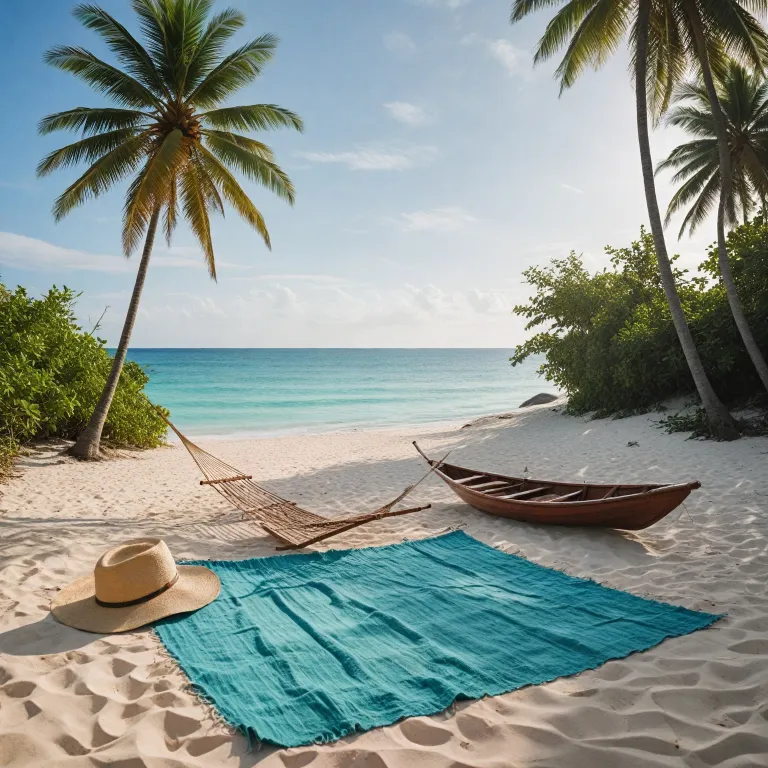
Island hopping routes to the best beaches in Colombia
Planning an island focused trip along the Caribbean coast of Colombia starts with understanding its coastal geography. The caribbean coast stretches from Cartagena to Santa Marta and beyond, framing some of the best beaches and most inviting islands. Travelers seeking the best beach in Colombia for island hopping should think in terms of clusters rather than a single isolated beach.
One practical way to structure a day is to combine several beaches and at least one island in the same boat itinerary. From Cartagena, many visitors pair a morning on a quiet beach Cartagena side with an afternoon on an isla in the Rosario Islands. This approach lets you compare different beaches Colombia offers in one trip while keeping boat ride times under control.
Further east, Santa Marta serves as a refined base for Tayrona National Natural Park, home to some of the best beaches in Colombia for nature lovers. Here, Playa Cristal and Cabo San Juan offer white sand, jungle backdrops, and calm bays ideal for swimming during a relaxed day trip. With thirty four beaches inside the park, careful planning helps you select the right place for your fitness level, time, and expectations.
Island hopping also works beautifully around San Andrés and Providencia Island, where the famous Sea of Seven Colors creates some of the most beautiful beaches in the region. Short boat rides link smaller islands and hidden playa coves, giving you multiple perspectives on the same turquoise lagoon. This archipelago is often considered one of the best places for combining reef snorkeling, quiet beach time, and low key coastal culture.
Cartagena, Barú, and the Rosario Islands by boat
For many travelers, Cartagena is the elegant gateway to the best beaches in Colombia and nearby islands. Within the bay, several Cartagena beaches offer easy access, yet the most memorable sand often lies a short boat ride away. Understanding how these coastal places connect helps you design a refined, efficient day trip schedule.
Playa Blanca on the Barú peninsula remains one of the most talked about beaches Colombia presents to international visitors. Its long stretch of white sand and clear water can feel idyllic early in the day, especially outside peak weekends. Because it is popular, aim for a weekday visit and consider an overnight stay at a simple seafront hotel to enjoy quieter evenings.
Beyond Barú, the Rosario Islands form a compact archipelago of coral based islands scattered off the coast Colombia. Many organized tours combine several islands, a relaxed playa stop, and snorkeling over shallow reefs in a single day. When comparing offers, look for smaller boats, transparent schedules, and enough time actually on each beach rather than constant transit.
Within the bay itself, Tierra Bomba provides a closer island alternative with views back toward the historic skyline and modern beach Cartagena strip. Some stretches of coast here feel less crowded than central cartagena beaches, especially outside local holidays. For inspiration on how coastal wildlife and conservation intersect with refined travel, a piece like this immersive cruise experience in the Adriatic offers useful parallels for planning slow, respectful boat based itineraries.
Tayrona and Santa Marta: wild coastlines and curated beach days
East of Cartagena, Santa Marta opens the door to Tayrona, a protected stretch of caribbean coast Colombia where jungle meets sea. Here, the question of the best beach in Colombia becomes more nuanced, because each cove offers a distinct mood. Some beaches are framed by giant boulders and strong waves, while others provide calm bays suitable for swimming.
Playa Cristal is often highlighted among the best beaches for clear water and white sand, especially during the dry season. Visit Playa Cristal during the dry season (December to March) for optimal weather. Limited daily access helps preserve the reef, so plan your day trip early and respect local guidelines.
Cabo San Juan, reached by a scenic hike from the El Zaino entrance, rewards effort with twin bays and a panoramic viewpoint. Arrive early at Cabo San Juan to secure accommodations and enjoy the beach with fewer crowds. With several beaches along the trail, you can tailor your trip to your energy level, choosing where to pause and which playa feels like your personal best.
Santa Marta itself offers urban beaches and access to quieter places along the nearby coast, including Costeño Beach, which appeals to surfers and laid back travelers. While these may not always match the white sand of Playa Blanca, they provide atmosphere, character, and fewer crowds. For broader context on ferry logistics and multi stop coastal journeys, resources such as this guide to the ferry from Italy to Greece experience can inspire how to structure longer maritime routes in Colombia.
San Andrés, Providencia, and the art of slow island hopping
Far out in the Caribbean, San Andrés and Providencia Island offer a different interpretation of the best beach in Colombia. Here, the focus shifts from single beaches to an entire marine landscape of lagoons, reefs, and sandbars. The Sea of Seven Colors around these islands creates gradients of blue that frame some of the most beautiful beaches in the country.
San Andrés, larger and more developed, features several beaches Colombia visitors can access directly from town, including stretches of white sand near the main promenade. Short boat rides lead to smaller islands and sandbanks, where shallow water invites relaxed swimming and snorkeling. These day trips often combine multiple playa stops, giving you a sense of how varied one island’s coast can be.
Providencia, by contrast, feels quieter and more intimate, making it one of the best places for travelers seeking seclusion. Its beaches and coves are framed by lush hills, and the reef remains relatively healthy compared with more visited areas. Many travelers consider a multi day stay here the highlight of their coast Colombia itinerary, especially when balanced with more energetic days in Cartagena.
Between the two, you can craft a refined island hopping arc that moves from lively beach Colombia scenes to tranquil, almost private shores. Boat logistics require planning, so book inter island connections early and verify schedules carefully. To deepen your understanding of how island ecosystems and responsible tourism intersect, this detailed guide to Catalina Island animals and conservation offers valuable parallels for approaching Colombian islands with respect.
Hidden coastal gems: Capurganá, La Caleta, and lesser known playas
Beyond the headline destinations, several quieter corners of the caribbean coast reward travelers who value intimacy over infrastructure. Near the border with Panamá, Capurganá and its surroundings showcase a rugged coast Colombia where jungle covered hills drop directly into clear water. Here, the best beach in Colombia might be the one you share with only a handful of people.
Playa La Caleta, close to Capurganá, is renowned among divers and snorkelers for its rich marine life. Yes, Playa La Caleta is renowned for its snorkeling opportunities, featuring a pristine reef teeming with tropical fish and sea turtles. Bringing your own mask and fins allows you to explore at your own pace, turning a simple day trip into a deeply personal marine experience.
These remote beaches and small islands lack the polished infrastructure of Cartagena beaches or Santa Marta, so expectations should be adjusted accordingly. Accommodation options range from simple guesthouses to modest coastal lodges rather than a full service resort style hotel. Yet for many travelers, this simplicity is precisely what makes these places feel like some of the best beaches in Colombia.
When comparing such hidden playas with more famous spots like Playa Blanca or Costeño Beach, think in terms of atmosphere rather than amenities. Remote beaches Colombia offers tend to excel in tranquility, wildlife, and authentic coastal culture. They are ideal for travelers who prefer a quiet boat ride, a good book, and the sound of waves over nightlife or extensive dining options.
Practical planning for beach and island hopping itineraries
Designing an elegant itinerary around the best beach in Colombia involves balancing logistics, seasons, and personal preferences. Start by choosing one or two hubs, such as Cartagena and Santa Marta, then add islands and beaches within reasonable boat distance. This approach keeps transfers manageable while still allowing you to experience several of the best beaches and coastal places.
Seasonality matters along the caribbean coast, especially for clarity of water and comfort on each beach. The dry months generally bring calmer seas and better visibility, particularly around Tayrona and the Rosario Islands. However, shoulder periods can offer quieter playas and more space on popular beaches Colombia travelers often crowd during peak holidays.
When evaluating a boat based day trip, look closely at the promised schedule and actual time on each island or beach. A refined experience usually means fewer stops with longer stays, rather than rushing between many places. Ask operators about safety equipment, maximum passenger numbers, and whether the boat ride includes shaded seating, especially for families.
Accommodation choices along the coast Colombia range from heritage properties in Cartagena’s old town to relaxed lodgings on Barú or Tierra Bomba. While you will find a hotel for almost every budget, prioritize locations that minimize daily commuting to your chosen beaches. For multi stop itineraries that combine several maritime legs, it can be helpful to study how other regions structure coastal journeys, as seen in detailed narratives of Adriatic sailing routes, then adapt those principles to Colombian waters.
How to choose your personal best beach in Colombia
Selecting your own best beach in Colombia ultimately depends on what you value most in a coastal escape. Some travelers prioritize white sand and calm water, making Playa Blanca, Playa Cristal, or certain stretches of San Andrés natural candidates. Others seek wild scenery and hiking, which points toward Cabo San Juan, Costeño Beach, or more remote playas along the caribbean coast.
If you enjoy varied days, consider pairing an energetic beach Cartagena experience with a quieter stay on Barú or in the Rosario Islands. This contrast between urban energy and island calm often reveals why many visitors describe Colombia’s coast as one of the best places for a balanced trip. A similar pairing works between Santa Marta’s city beaches and the protected coves of Tayrona, where each day trip feels distinct.
Travelers focused on snorkeling and marine life may find their ideal beach Colombia side in Providencia, Playa La Caleta, or selected spots within the Rosario Islands. Those who value culture and dining might prefer staying near central cartagena beaches, using short boat rides to reach more tranquil islands by day. Families often appreciate the relative accessibility of Playa Blanca, Santa Marta’s urban beaches, and certain sheltered bays in Tayrona.
Whichever combination you choose, approach each playa and island with respect for local communities and ecosystems. Increased interest in eco tourism and sustainable travel means your choices can support better practices along the entire coast Colombia. By aligning your expectations with each destination’s character, you give yourself the best chance of finding not just one, but several personal best beaches in this diverse country.
Key beach and island statistics for Colombia
- Tayrona National Natural Park includes approximately 34 distinct beaches along its protected coastline.
- The distance from Cartagena to Playa Blanca on the Barú peninsula is about 45 kilometres by road and boat.
- The lagoon around Providencia Island is often described as the Sea of Seven Colors, referencing seven visible shades of blue and green.
Essential questions about Colombia’s beaches and islands
What is the best time to visit Playa Cristal ?
The best time to visit Playa Cristal is during the dry season, from December to March, for optimal weather conditions. During these months, sea conditions are generally calmer, and underwater visibility is higher for snorkeling. Arriving early in the day also helps you enjoy the beach with fewer visitors.
How can I reach Cabo San Juan ?
Cabo San Juan can be reached by hiking approximately two hours from the El Zaino entrance of Tayrona National Park. The trail passes several smaller beaches, so you can pause along the way if needed. Good footwear, water, and sun protection are essential, especially in warmer months.
Is Playa Blanca suitable for families ?
Yes, Playa Blanca is suitable for families, offering calm waters and various amenities. However, it's advisable to visit on weekdays to avoid large crowds. Families may also consider staying overnight nearby to enjoy quieter mornings and evenings on the sand.