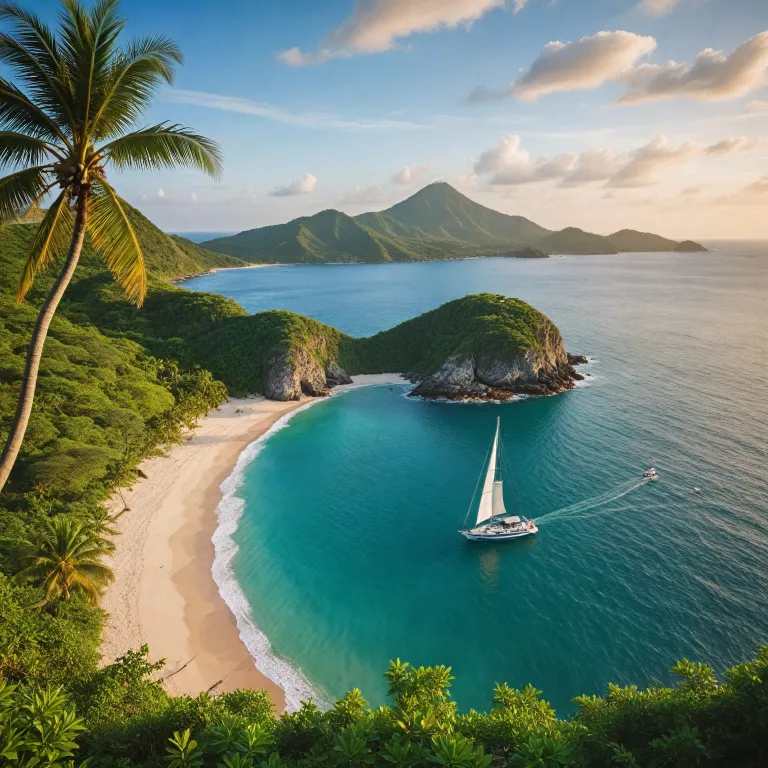
Caribbean island hopping along Colombia’s radiant coast
Island hopping along the Colombia Caribbean coast offers a refined way to experience some of the most celebrated beaches in South America. Travellers move by boat from one beach to the next, tracing a route that links Cartagena de Indias, Santa Marta, and the offshore island chains scattered across the warm sea. This coastal journey reveals how each beach and island has its own rhythm, from lively urban shores to quiet coves with white sand and translucent water.
Along this route, the Ministry of Commerce, Industry and Tourism promotes sustainable ways to enjoy beaches Colombia wide, encouraging visitors to respect local communities and fragile marine ecosystems. The National Parks of Colombia plays a central role on the Caribbean coast, especially where Tayrona National Natural Park protects jungle backed beaches that remain among the best places for low impact island style escapes. These institutions work with local partners so that every beach and island stay contributes to conservation as well as comfort.
Colombia South America beaches are also a living laboratory for new environmental tools, including artificial intelligence systems that help monitor visitor numbers and beach conditions. This innovation is particularly relevant around popular island groups near Cartagena de Indias, where managing day trip boat traffic is essential to protect coral and sea grass. As you plan several days of island hopping, it is worth reading local guidance about permitted landing points, marine reserves, and recommended operators.
From Cartagena de Indias to the Rosario Islands by boat
Cartagena is often the first place travellers encounter Colombia South America beaches, and its historic walled centre contrasts beautifully with the modern shoreline. From the city’s marinas, sleek boats depart each day towards the Rosario Islands, where the Caribbean sea turns a deeper turquoise around coral platforms and mangrove channels. Many visitors choose to stay overnight on one island rather than rush back, allowing time to enjoy quieter early mornings and evenings.
The Rosario Islands archipelago is part of a national park network that safeguards marine biodiversity along the coast Colombia wide. Here, beaches range from tiny white sand coves to longer stretches where you can swim, snorkel, or simply read under palm shade between gentle dips in the sea. When planning your days, consider combining a Rosario Islands stay with time in Cartagena de Indias itself, so you experience both urban culture and offshore calm.
Island hopping itineraries from Cartagena often continue towards Playa Blanca on the Barú peninsula, another beach that features prominently in guides to the best Colombia Caribbean escapes. This area can feel busy during the day, so refined travellers often time their boat transfers for late afternoon, when the light softens and the beach becomes more tranquil. For broader inspiration on combining coastal cities with island routes, you can consult this guide to island hopping through the best European cities to visit in summer and adapt its principles to the Caribbean coast.
Santa Marta, Tayrona, and the art of slow coastal travel
Further along the Caribbean coast, Santa Marta offers a different gateway to Colombia South America beaches, with a calmer atmosphere than Cartagena. From Santa Marta, travellers reach Tayrona National Natural Park, where jungle covered hills descend directly to the sea and frame some of the country’s most beautiful beaches. Many visitors choose to spend several days here, walking between coves and planning each day around the tides, light, and their preferred level of seclusion.
Within Tayrona National, beaches such as Cabo San Juan del Mar and nearby stretches of white sand illustrate why this coastline is considered among the best places for nature focused stays. Paths link one beach to another, creating a land based version of island hopping where each cove feels like a separate island with its own character. Swimming conditions vary, so it is essential to read local safety notices and follow park guidance about currents and restricted areas.
North of Santa Marta, lesser known spots like Costeño Beach and the remote Cabo de la Vela extend the sense of exploration along the coast Colombia travellers cherish. These areas reward those who appreciate simple comforts, long walks, and unbroken sea horizons rather than crowded beach clubs. For travellers seeking more adventurous archipelagos beyond Colombia Caribbean shores, this resource on island hopping adventure tours exploring the world’s most captivating islands offers useful parallels in planning logistics and safety.
San Andrés, San Bernardo, and the classic Caribbean island experience
Offshore, the island of San Andrés represents another facet of Colombia South America beaches, combining duty free shopping streets with calm bays and coral reefs. Around San Andrés, the sea displays the famous “seven colours” of the Caribbean, and small boats shuttle visitors between nearby cays where white sand and shallow water create ideal swimming conditions. Many travellers structure their stay to include both central San Andrés and quieter islets, balancing convenience with a more secluded island ambience.
Further southwest, the San Bernardo archipelago offers a softer rhythm, with small communities living close to the sea and welcoming visitors who respect local customs. Here, beaches are often narrow but intimate, and the main pleasure lies in moving by boat from one island to another, pausing to swim or read on shaded decks. These routes illustrate how beaches Colombia wide are not only leisure spaces but also living environments where tourism must align with community needs.
Along the broader Colombia Caribbean coast, places like Rincón del Mar provide a bridge between mainland villages and offshore islands, with simple guesthouses facing the sea. Travellers often describe Rincón del Mar as a place to enjoy slow days, fresh seafood, and quiet swims before or after more active island circuits. As one local initiative notes, “Visit popular beaches like Playa Blanca, Parque Nacional Natural Tayrona, and San Andrés.”
Playa Blanca, Playa Santa Marta, and the reality of popular beaches
Playa Blanca near Cartagena and the urban beaches of Santa Marta illustrate both the appeal and the pressures facing Colombia South America beaches. These stretches of sand are easy to reach, offer a wide range of services, and often rank among the best places for first time visitors. At the same time, their popularity concentrates boat traffic, plastic waste, and noise, which can affect both marine life and the visitor experience.
Organisations such as Amigos del Mar work with communities near Cartagena de Indias to address plastic pollution, which remains a significant challenge along the coast Colombia wide. With hundreds of thousands of tonnes of plastic packaging produced annually and only a fraction recycled, beach cleanups and education campaigns are essential to protect the sea. Travellers can support these efforts by choosing operators that minimise single use plastics, joining cleanup days, and carrying reusable bottles and bags during each stay.
In Santa Marta, the main city beach and nearby Playa Los Cocos provide accessible options for a relaxed day by the sea, especially for families. However, many visitors use the city as a base to reach more tranquil beaches within Tayrona National or along the road towards Costeño Beach. When planning your itinerary, consider alternating busy social beaches with quieter coves, so you experience both the energy and the serenity of beaches Colombia offers.
Responsible island hopping and the future of Colombia’s coasts
Responsible island hopping along Colombia South America beaches involves more than choosing the right boat or the most photogenic beach. It means understanding that each island, cove, and coastal town forms part of a larger marine ecosystem that requires careful stewardship. The National Parks of Colombia, local authorities, and community groups increasingly coordinate to balance tourism growth with the protection of coral, mangroves, and sea grass.
Travellers can contribute by limiting the number of islands visited in a single day, allowing more time at each place to enjoy the sea without constant boat transfers. Selecting operators who respect speed limits near reefs, avoid anchoring on coral, and manage waste responsibly helps preserve beautiful beaches for future visitors. Reading up on local regulations before your stay, including rules within Tayrona National and marine reserves near San Andrés or the Rosario Islands, ensures your plans align with conservation goals.
As interest in Colombia Caribbean routes grows, itineraries increasingly combine coastal cities, national park beaches, and smaller communities such as Rincón del Mar or Cabo de la Vela. These journeys can also intersect with cultural experiences, from coastal festivals to traditional fishing practices, which you can explore further through this guide to island hopping vibrant festivals and cultural events across archipelagos. By approaching each beach, island, and day on the water with respect, travellers help ensure that beaches Colombia wide remain both a place to enjoy and a sanctuary for marine life.
Key figures about Colombia’s beaches and tourism
- Colombia has more than one hundred identified beaches across its coasts, with a smaller number formally designated as public access areas.
- Millions of international visitors arrive in Colombia each year, with a significant share drawn to Cartagena de Indias, Santa Marta, San Andrés, and nearby coastal regions.
- Hundreds of thousands of tonnes of plastic packaging are produced annually in Colombia, and only around one third is currently recycled, which directly affects coastal environments.
Essential questions about Colombia South America beaches
What are the most popular beaches in Colombia South America?
Among the most visited Colombia South America beaches are Playa Blanca near Cartagena de Indias, several coves within Tayrona National Natural Park close to Santa Marta, and the shores of San Andrés island. These beaches combine easy access, warm Caribbean sea conditions, and a wide range of services for different budgets. However, travellers seeking quieter stays often extend their itineraries to include Costeño Beach, Rincón del Mar, or the San Bernardo archipelago.
What environmental challenges affect Colombia’s Caribbean coast?
Colombia’s Caribbean coast faces mounting pressure from plastic pollution, coastal development, and the effects of climate change on coral reefs and sea levels. Popular beaches near Cartagena, Santa Marta, and San Andrés must manage high visitor numbers, boat traffic, and waste, which can degrade water quality and marine habitats. Conservation programmes led by national parks, community groups, and organisations such as Amigos del Mar focus on beach cleanups, education, and better waste management to protect these environments.
How can travellers support sustainable island hopping in Colombia?
Travellers can support sustainable island hopping by choosing certified operators, limiting single use plastics, and respecting guidelines within national parks and marine reserves. Joining local beach cleanups, supporting community led tourism projects, and spreading awareness about responsible behaviour on Colombia South America beaches also make a tangible difference. Planning longer stays in fewer places reduces transport emissions and allows deeper engagement with each island, beach, and coastal community.