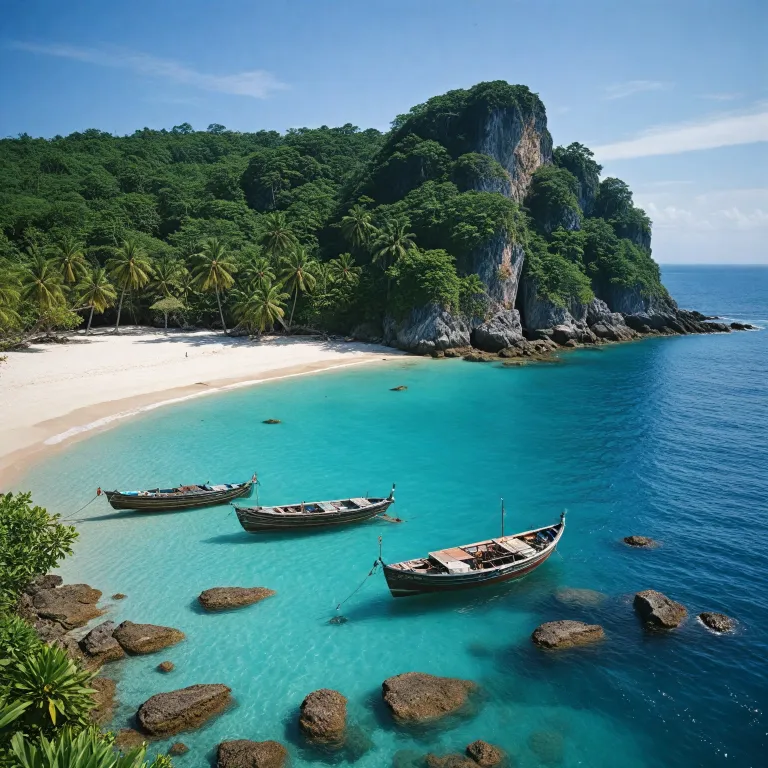
Understanding the fundamentals of island hopping for first-time travelers
Island hopping offers a unique way to explore multiple islands, each with its own character, landscapes, and culture. For beginners, understanding the basics of hopping between islands is crucial to maximize your travel experience. Start by researching the islands that best match your interests, whether you are drawn to the beaches of the Greek islands, the vibrant culture of the Caribbean islands, or the volcanic wonders of Hawaii. Consider the travel time between each island and the available modes of transport, such as ferry, boat, or flights, to ensure your itinerary is both feasible and enjoyable. Booking your inter island connections in advance, especially during peak seasons, helps secure the best options and rates. Remember, the best time to embark on an island hopping trip often depends on the region; for example, the shoulder seasons in Greece and the Caribbean offer pleasant weather and fewer crowds. Flexibility is key, as weather or ferry schedules can change, so allow extra time for each leg of your trip. Packing light and choosing versatile clothing will make transitions between islands smoother, especially when using ferries or small airlines. Embrace the diversity of each destination, from the best beaches in the Caribbean to the historic sites of the Greek islands, and plan your day trips to balance exploration and relaxation.
Choosing your destinations: from the Greek islands to the Caribbean and beyond
Selecting the right islands for your hopping adventure is a blend of personal interests, travel logistics, and seasonal considerations. The Greek islands, such as Santorini, Mykonos, and Crete, are renowned for their stunning beaches, vibrant towns, and accessible ferry routes. In the Caribbean, destinations like the British Virgin Islands and the U.S. Virgin Islands offer pristine beaches, excellent snorkeling, and a laid-back atmosphere. Hawaii’s islands, including the Big Island, Maui, and Oahu, provide a mix of volcanic landscapes, national parks, and some of the best beaches in the Pacific. When planning your trip, factor in the travel time between islands and the frequency of ferries or flights. Many travelers use international airports as starting points, such as Athens International Airport for the Greek islands or Cyril E. King International Airport for the Virgin Islands. Consider the best time to visit each region; for example, the Caribbean islands are most pleasant from December to April, while the Greek islands shine from May to October. Utilize online travel forums and guides to compare destinations, and don’t hesitate to reach out to local tour operators for tailored tips.
Mastering transportation: ferries, flights, and boats for seamless island hopping
Efficient transportation is the backbone of any successful island hopping trip. Ferries are the most common mode of inter island travel in regions like Greece, offering frequent connections between major and lesser-known islands. In the Caribbean, both ferries and small airlines such as Hawaiian Airlines provide reliable links between islands. Booking ferry tickets and flights in advance is highly recommended, especially during the best time to visit when demand peaks. Many islands have their own airports, making short flights a convenient option for longer distances or when ferry schedules are limited. When planning your itinerary, check the latest ferry and flight timetables, as these can change seasonally or due to weather. For day trips, consider local boat operators who offer excursions to nearby beaches or smaller islands. Always allow extra time for transfers, as delays can occur, particularly during high season or inclement weather. Using a credit card for bookings can offer added flexibility and security, especially when dealing with international operators. Remember, the best beaches and hidden coves are often accessible only by boat, so include a mix of ferry, flight, and boat travel in your plan.
Crafting the perfect itinerary: balancing exploration, relaxation, and logistics
Creating a balanced itinerary is essential for a rewarding island hopping experience. Experts recommend visiting two to four islands per trip to avoid feeling rushed and to fully appreciate each destination. As one expert notes, "It's recommended to visit 2-4 islands to balance exploration and relaxation without feeling rushed." Begin by mapping out your must-see destinations, such as the best beaches, national parks, or cultural sites. Allocate enough time on each island to explore local attractions, enjoy day trips, and relax on the beach. Consider the travel time between islands and schedule transfers during the morning or late afternoon to maximize your days. Incorporate flexibility into your itinerary to accommodate unforeseen changes, such as ferry delays or weather disruptions. Utilize digital tools and travel apps for real-time navigation and updates on ferry and flight schedules. When planning day trips, research local boat operators who can take you to secluded beaches or nearby islands. Supporting local communities by dining at family-run establishments and purchasing crafts enriches your travel experience and fosters responsible tourism.
Packing and preparation: essentials for a smooth island hopping trip
Proper packing and preparation are vital for a successful island hopping journey. Pack light, focusing on versatile clothing suitable for beach days, boat rides, and exploring towns. Quick-dry fabrics, a waterproof bag, and sun protection are must-haves for both Greek and Caribbean islands. As another expert advises, "Pack light with essentials like quick-dry clothing, a waterproof bag, sun protection, and a reusable water bottle." Bring a reusable water bottle to stay hydrated, especially during day trips or hikes in national parks. Include a small first aid kit, travel-size toiletries, and any necessary medications. Use a credit card for most purchases, but carry some local currency for small expenses on remote islands. Download offline maps and translation apps to navigate areas with limited internet access. Learn basic phrases in the local language to enhance interactions with local communities. Respect local customs and dress codes, particularly in religious or traditional areas. Supporting eco-friendly practices, such as minimizing waste and using reef-safe sunscreen, helps preserve the natural beauty of the islands. Always double-check ferry and flight bookings before departure, and keep digital copies of important documents for added security.
Responsible travel and cultural sensitivity: making a positive impact while island hopping
Responsible travel is at the heart of a meaningful island hopping experience. Show respect for local communities by learning about their customs, supporting family-run businesses, and participating in cultural activities. As highlighted in the expert guidance, "Learn basic local phrases, dress modestly in traditional areas, and support local businesses to show respect and appreciation." Be mindful of your environmental impact by minimizing plastic use, disposing of waste properly, and choosing eco-friendly products. When visiting national parks or protected beaches, follow guidelines to preserve the delicate ecosystems. Engage with local tour operators who prioritize sustainable practices and contribute to the well-being of the islands. The best time to visit is often outside peak season, which helps reduce overcrowding and supports a more authentic experience. Use digital tools to stay informed about local events, weather, and transportation updates. By practicing cultural sensitivity and responsible tourism, you contribute to the preservation of the islands’ unique heritage and natural beauty, ensuring that future travelers can enjoy the same enriching experiences.
Key statistics for island hopping trips
- Average cost of an island hopping trip per week: 1,500 USD
- 65% of travelers prefer island hopping during shoulder seasons
- On average, travelers visit 3 islands during a single trip
Frequently asked questions about island hopping for beginners
What is the best time of year to go island hopping?
The ideal time varies by region. For example, in Greece, May to October is favorable, with May-June and September-October being less crowded. In Southeast Asia, November to March offers pleasant weather.
How many islands should I plan to visit on a single trip?
It's recommended to visit 2-4 islands to balance exploration and relaxation without feeling rushed.
Is it necessary to book ferries and accommodations in advance?
Yes, especially during peak seasons, booking in advance ensures availability and often better rates.