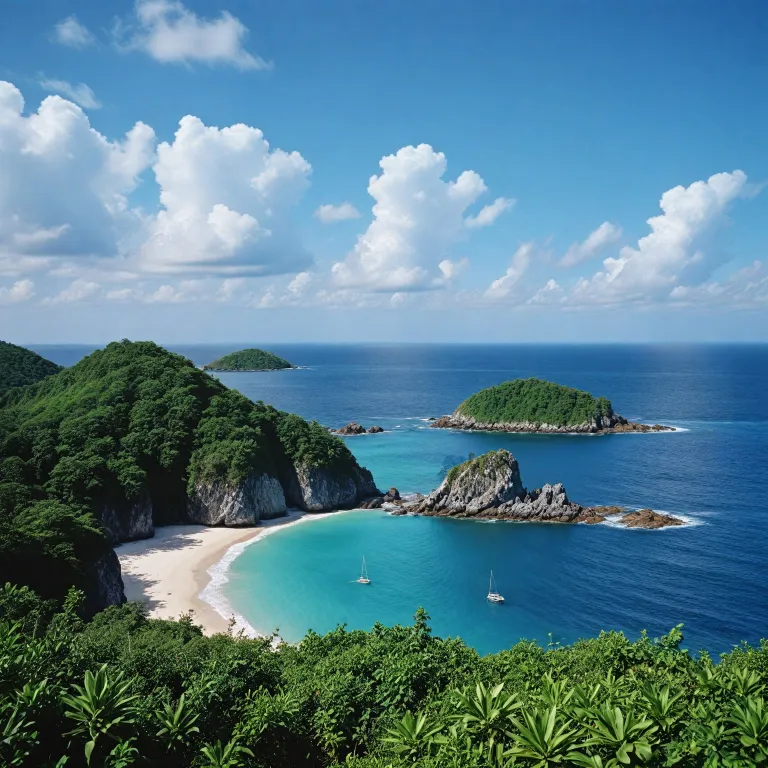
Understanding the art of island hopping: from Caribbean gems to Greek wonders
Island hopping is more than a trip; it is an immersive journey across islands, each offering unique landscapes and cultures. Whether you are drawn to the white sand beaches of the Caribbean islands or the rugged coastlines of the Greek islands, this island hopping guide provides the foundation for planning your adventure. The best time to embark on an island hop depends on your chosen region, with the Caribbean and French Polynesia offering distinct climates and experiences. For those seeking the best beaches, destinations like the British Virgin Islands and French Polynesia are renowned for their pristine shores and turquoise waters.
Travelers often begin their island hopping journey by researching ferry schedules and booking flights in advance. The use of online platforms for real-time ferry bookings has revolutionized how we plan trips, making it easier to coordinate day trips and longer stays. Don’t forget to consider the local culture and customs on each island; engaging with local tour guides can enrich your understanding of the islands’ histories and traditions. The goal is to maximize your travel experience within a limited timeframe, ensuring each island visit is memorable and meaningful.
When planning your island hopping adventure, consider the number of islands you wish to visit and the logistics of moving between them. For example, Croatia boasts over 1,000 islands, each with its own charm. The Caribbean islands, from St. Kitts Nevis to the Virgin Islands, offer a diverse array of activities, from snorkeling in national parks to exploring vibrant local markets. This guide will help you navigate the complexities of island hopping, ensuring your trip is seamless and unforgettable.
Essential planning: crafting your perfect island hopping itinerary
Creating a successful island hopping itinerary requires careful planning and attention to detail. Begin by identifying the best time to visit your chosen region, as weather and ferry schedules can significantly impact your trip. For instance, the best time to visit the Greek islands is during the shoulder months, when the weather is pleasant and the crowds are smaller. Similarly, the Caribbean islands offer ideal conditions outside of hurricane season, providing a good balance of sunshine and tranquility.
When planning your trip, compile a list of things you want to experience on each island. Consider the logistics of moving between islands, including ferry routes, domestic flights, and rental car options. Booking ferries in advance is essential, especially during peak travel periods. Many travelers opt for a rental car to explore larger islands, while others rely on local transportation for shorter day trips. Don’t forget to pack light, as frequent transfers between islands can make heavy luggage cumbersome. Whether you are drawn to the lush national parks of the Virgin Islands or the secluded beaches of French Polynesia, a well-structured itinerary ensures you make the most of your time. Flexibility is key; weather and ferry schedules can change unexpectedly, so always have a backup plan for your island hop adventure.
Transportation tips: ferries, flights, and rental cars for seamless island travel
Efficient transportation is the backbone of any successful island hopping guide. Ferries remain the most popular way to move between islands, especially in regions like the Greek islands and the Caribbean. The average ferry cost per ride in Greece is around 30 EUR, making it an affordable option for most travelers. Domestic flights are also available for longer distances, particularly in archipelagos like French Polynesia and the Caribbean islands.
Rental cars offer flexibility and convenience, allowing you to explore each island at your own pace. When considering a rental car, check local regulations and availability, as some islands have limited options. For shorter day trips, local buses and taxis provide a good alternative. Don’t forget to verify ferry and flight schedules in advance, as routes can vary depending on the season and weather conditions. Combining ferries, flights, and rental cars ensures you can reach even the most remote beaches and national parks. The key is to plan ahead, remain flexible, and embrace the adventure of hopping from one island to the next.
Choosing the best islands and beaches: Caribbean, French Polynesia, and beyond
Selecting the best islands and beaches for your trip is a personal decision, influenced by your interests and travel goals. The Caribbean islands are famed for their white sand beaches, vibrant culture, and diverse activities. St. Kitts Nevis, the British Virgin Islands, and other Caribbean destinations offer some of the best beaches in the world, perfect for swimming, snorkeling, and relaxing under the sun.
French Polynesia is another top choice for island hopping, with its crystal-clear lagoons and lush landscapes. The islands here are ideal for those seeking tranquility and natural beauty. The Greek islands, with their dramatic cliffs and historic sites, provide a different but equally captivating experience. Each island offers unique attractions, from national parks to bustling markets and serene coves.
When planning your island hop, create a list of things you want to see and do on each island. Don’t forget to consider lesser-known destinations, as these often provide a more authentic and peaceful experience. The key is to balance popular spots with hidden gems, ensuring a diverse and rewarding trip.
Maximizing your experience: activities, culture, and local insights
Island hopping is not just about beaches; it is an opportunity to immerse yourself in local culture and activities. Engage with local tour guides to gain insights into each island’s history, traditions, and natural wonders. Many islands offer unique experiences, from hiking in national parks to sampling regional cuisine and participating in cultural festivals.
Day trips are a great way to explore multiple islands within a short timeframe. Plan your trip to include a mix of relaxation and adventure, ensuring you experience the best each island has to offer. Don’t forget to support local businesses, as this contributes to the sustainability and vibrancy of the islands you visit. The impact of island hopping extends beyond personal enrichment, fostering cultural understanding and supporting local economies.
As you travel, remain open to spontaneous experiences and connections. The best memories often come from unexpected encounters and discoveries. Whether you are exploring the Caribbean islands, French Polynesia, or the Greek islands, each island hop brings new opportunities for growth and enjoyment.
Practical advice: packing, budgeting, and sustainable travel for island hopping
Preparation is key to a successful island hopping trip. Pack light to facilitate easy movement between islands, choosing versatile clothing and essential items. Don’t forget to bring sun protection, swimwear, and comfortable footwear for exploring beaches and national parks. A well-organized packing list ensures you are ready for any adventure.
Budgeting is another important aspect of your island hopping guide. Costs can vary depending on your destination, transportation choices, and accommodation preferences. For example, the cost of an island hopping trip to Hawaii can range from 2,500 to 6,000 per person for a 10-day trip, excluding international flights. Plan your expenses carefully, accounting for ferry tickets, flights, rental cars, and daily activities.
Sustainable travel practices are increasingly important for preserving the beauty and integrity of the islands. Choose eco-friendly transportation options, minimize waste, and respect local customs and environments. The growing popularity of lesser-known islands reflects a desire to avoid crowds and reduce environmental impact. By planning thoughtfully and traveling responsibly, you contribute to the long-term sustainability of the islands you visit.
Expert insights and real-world advice: what travelers need to know
Expert advice can make a significant difference in your island hopping experience. According to the dataset, travelers should research ferry schedules and book in advance, especially during peak seasons. Packing light and staying flexible with your itinerary are essential tips for a smooth journey. The use of online platforms for booking and itinerary planning has made it easier than ever to organize complex trips across multiple islands.
Don’t forget to check passport requirements for your destination. As noted in the dataset, "If you are a U.S. citizen traveling to Hawaii from the mainland United States, you do not need a passport. However, if you are traveling from another country, a valid passport is required." This advice applies to many island destinations, so always verify entry requirements before you travel.
Engage with local tour guides and service providers to enhance your understanding of each island. Their expertise and insights can help you uncover hidden gems and make the most of your trip. The ultimate goal of island hopping is to create lasting memories, deepen your appreciation for diverse cultures, and support the communities you visit.
Key statistics for island hopping adventures
- Number of islands in Croatia: 1,000 islands (National Geographic)
- Average ferry cost per ride in Greece: 30 EUR (Isle Passport)
- Best months for island hopping in Thailand: 5 months (Isle Passport)
Frequently asked questions about island hopping
What is the best time of year to go island hopping in Hawaii?
The best time to visit Hawaii is generally during the shoulder seasons—spring (April-May) and fall (September-October). The weather is pleasant, and there are fewer crowds than during the peak summer and winter months.
How much does it cost to go island hopping in Hawaii?
The cost of an island hopping trip to Hawaii can vary widely depending on your travel style and budget. A rough estimate could be between 2,500 to 6,000 per person for a 10-day trip, excluding international flights.
Do I need a passport to travel to Hawaii?
If you are a U.S. citizen traveling to Hawaii from the mainland United States, you do not need a passport. However, if you are traveling from another country, a valid passport is required.
Trustful sources: National Geographic, Isle Passport, U.S. Department of State