
Stc in San Pedro: policy shifts every island hopper should track
New regional sustainability rules are quietly redrawing the map for Caribbean island hopping. At the 2024 Sustainable Tourism Conference (STC) in San Pedro on Ambergris Caye, ministers, tourism boards, and private sector delegates outlined three big shifts: stricter limits on visitor numbers in fragile marine areas, new funding tools such as tourist taxes and green incentives, and a stronger focus on local culture and climate resilience as core parts of tourism policy rather than soft add-ons.
Caribbean sustainable tourism planning is no longer a slogan; it is a policy toolkit that will shape how you move between islands. At the Sustainable Tourism Conference, or STC, in San Pedro on Ambergris Caye, the Caribbean Tourism Organization (CTO) and the Belize Tourism Board used panel discussions and workshops to frame tourism development as climate adaptation and risk management rather than simple destination marketing. For an island hopping executive planning meetings in Belize and then flying on to the Turks and Caicos Islands, this shift in sustainable tourism thinking will directly influence ferry timetables, cruise calls, and even which smaller cays remain open to day visitors.
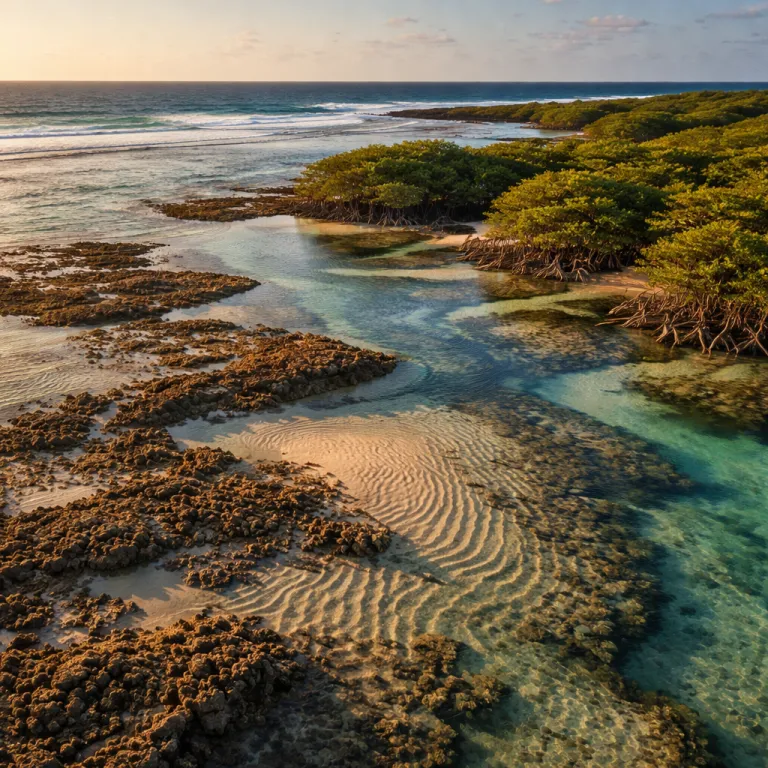
The Association of Caribbean States positioned itself as a coordinating tourism organization, while the CTO emphasized that tourism's contribution to Caribbean GDP stands at about 15.5 %, with around 30 million annual arrivals in the wider Caribbean tourism region, based on its 2023 performance review and regional tourism statistics. Against that backdrop, ministers and technical teams debated how blue and green economy principles can be integrated so that tourism value chains support both environmental sustainability and social resilience. One session on regenerative tourism highlighted how Belize tourism policy now links marine protected areas near San Pedro with strict caps on visitor numbers, and those carrying capacity rules will soon extend to other destinations that rely on fragile reefs, as signaled in recent Belize Tourism Board and Ministry of Tourism coastal zone planning updates.
Belize's tourism board used the conference to underline that "What is sustainable tourism? Tourism that minimizes environmental impact and benefits local communities." They paired that with the reminder that "Why is sustainable tourism important in the Caribbean? To protect natural resources and support local economies." A third dataset point, "How can travelers support sustainable tourism? Choose eco-friendly accommodations and respect local cultures," was presented in full color infographics that contrasted blue green marine zones with inland forest reserves, making the color coding of policy tools surprisingly intuitive for visiting delegates. For travelers, the message was clear; your island hopping choices will either reinforce or undermine this new sustainability architecture, and official guidance from the Belize Tourism Board and CTO increasingly spells out what responsible behavior looks like in practice.
Carrying capacity, tourist taxes, and the new map of island hopping
For business leisure travelers who like to string together meetings and weekends across several Caribbean destinations, the most immediate change from these sustainable tourism frameworks will be the spread of carrying capacity models. Islands such as Belize and the Caicos Islands are studying how the Canary Islands use a modest per night tourist tax to fund green infrastructure, and similar tourism levy and incentive schemes are being discussed at every tourism conference session. Expect that cruise itineraries and regional flights will be nudged toward ports and airstrips that can demonstrate blue green resilience, while smaller harbors without proper waste systems may see fewer scheduled calls.
Policy makers in San Pedro were explicit that cruise tourism and ferry based island hopping will be treated differently, because their social and environmental footprints diverge sharply. Cruise ships concentrate thousands of passengers into a few hours, so new sustainable tourism rules will likely limit how many large vessels can anchor near sensitive reefs on any given day. By contrast, slower ferry routes between Belize, Mexico, and Honduras, or between Turks and Caicos and neighboring islands, are being framed as lower impact options that can support regenerative tourism, especially when ports invest in green waste systems and pump-out facilities similar to those now required in several Caribbean marinas under national environmental regulations.
Behind the scenes, tourism development teams are also talking about how real estate projects, from marina expansions to new small scale resorts, will be screened for sustainability metrics before receiving investment incentives. In Belize, for example, updated coastal zone guidelines discussed at STC 2024 would require new piers near San Pedro to protect seagrass beds and maintain public beach access as a condition for approval. That means a tourism board in Belize or Turks and Caicos will increasingly tie planning approvals to blue and green infrastructure, from mangrove buffers to solar powered piers, rather than to simple room count. For travelers, the practical effect is that the most appealing island hopping routes will often be those that align with these new rules, where the color of the water and the cultural depth of the village are matched by transparent sustainability reporting rather than by a glossy tourism award sponsored by a single brand.
Local customs, climate resilience, and how to island hop responsibly
Caribbean sustainable tourism policy is not only about ministries and metrics; it is also about how you behave when you step off the boat in a fishing village or a capital harbor. On islands where cultural traditions are tightly woven into daily life, from Garifuna drumming on the Belize coast to family run conch shacks in Turks and Caicos, respecting local customs is now framed as part of social sustainability rather than as optional etiquette. That means asking before photographing ceremonies, dressing with a sense of place when visiting churches or community events, and understanding that your tourism presence is part of a wider social contract.
Conference sessions in San Pedro repeatedly linked climate resilience to everyday choices, such as how visitors handle trash on inter island trips or which operators they book for snorkeling and sailing. Case studies from Simpson Bay in Sint Maarten, where lagoon waste systems are reshaping sustainable island hopping, were cited as models for ports that want to balance yacht traffic with marine health, and these examples echo the more narrative guidance in regional best practice manuals on low impact cruising and small vessel operations. For executives used to fast turnarounds, slowing down long enough to separate waste, refill a reusable bottle, or choose a locally owned sailing outfit becomes a tangible expression of regenerative tourism rather than a minor inconvenience.
Speakers such as Anthony Mahler, Belize’s Minister of Tourism and Diaspora Relations, and regional figures associated with long standing tourism organization initiatives stressed that future tourism economies will reward travelers who align with these values, echoing themes from recent CTO declarations on sustainable tourism. As one delegate summarized during a closing panel, "The visitors who help us protect our reefs and cultures are the ones we most want to welcome back." They argued that when visitors choose operators endorsed by a national tourism board, or attend a tourism conference side event that highlights community projects, they are effectively making a small but real investment in resilience. In this emerging landscape, the most memorable island hops will be those where the full color experience of sea and street is matched by a blue green ethic, turning each leg of the journey into a quiet but deliberate act of sustainable tourism.
