From ferry hub to table destination: why Crete gastronomy 2026 matters
Arriving by ferry, many island hoppers once treated Crete as a practical terminus. With the European Region of Gastronomy 2026 designation, the island shifts from transfer point to gastronomic anchor, inviting you to slow your crossing. For couples plotting a Cyclades chain of islands, Crete gastronomy 2026 now frames the region as the place where your food memories will outlast your ferry photos.
The International Institute of Gastronomy, Culture, Arts and Tourism (IGCAT) formally awarded the Region of Crete this European title in 2023, recognising a food culture shaped by biodiversity and a deeply rooted Cretan diet. That means your next island itinerary can be built around local products, seasonal food and cultural events rather than just departure times, because the award brings curated routes, festivals and hands-on experiences that will reshape how tourism and gastronomy interact on the island. In practice, this turns the European Region of Gastronomy programme into a navigational tool for travellers who care as much about olive oil mills as they do about beaches.
The Region of Crete government, working with PLOIGOS Educational Development Company and local tourism partners, coordinates the promotion of Cretan diet heritage across the island. Their strategy focuses on high quality food culture, sustainable diet choices and the protection of agricultural products that define the Crete European narrative. For island hoppers, that means every arrival port, from Heraklion to Chania, becomes a gateway to a living dietary culture rather than a simple transport node.
How Cretan cuisine rewrites the island hopping script
On paper, Cretan food belongs to Greek cuisine, yet on the plate it feels distinct. The Cretan diet leans on wild herbs, mountain greens and pulses, with olive oil used not as garnish but as the structural backbone of almost every dish. This gastronomic clarity suits island hopping couples who want meals that are both indulgent and light enough to face an afternoon sea crossing.
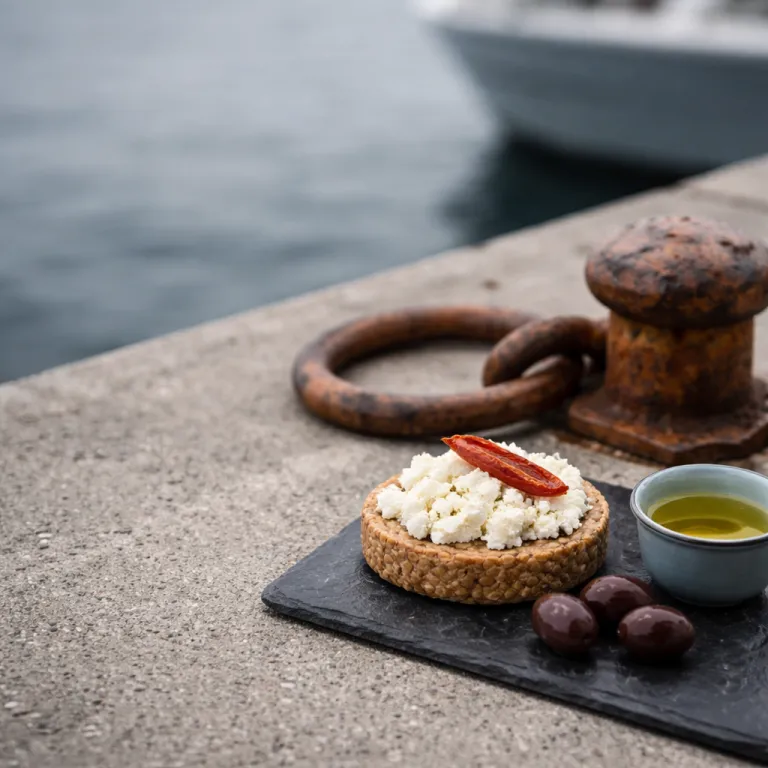
In the Region of Crete, you will taste dakos barley rusks soaked in tomato juice and olive oil, topped with local mizithra cheese and fragrant oregano, a simple plate that captures the island’s food culture in one bite. Graviera from mountainous shepherd villages, snails sautéed with rosemary and vinegar, and slow-cooked lamb with stamnagathi greens all express a dietary culture that is rooted in place rather than trend. Compared with many mainland tavernas, the focus here is less on heavy meat platters and more on vegetables, legumes and foraged plants that have shaped Cretan dietary habits for generations.
For travellers planning culinary journeys across sunlit shores, Crete gastronomy 2026 aligns naturally with broader island hopping food adventures. A detailed guide to island hopping food and drink, such as the culinary journeys across sunlit shores featured on Island Hop Stories, helps frame Crete as the southern anchor of a wider gastronomic arc. When you sail onward to the Cyclades, you carry with you a reference point of Cretan gastronomy culture, making it easier to notice how each island’s food film plays out differently on your plate.
Inside the European region of gastronomy programme on Crete
The European Region of Gastronomy title is not a marketing slogan; it is a structured programme. IGCAT, acting as an international institute of reference, evaluates how a region connects gastronomy, culture and arts tourism with sustainable development. For Crete European ambitions, this means concrete commitments to local producers, food education and cultural programming that visitors can actually experience.
According to IGCAT’s official explanation, “What is the European Region of Gastronomy award? A title awarded to regions promoting unique culinary identities and sustainable practices.” The same source answers the next question directly: “Why was Crete chosen for 2026? Due to its rich culinary heritage, biodiversity, and commitment to sustainable gastronomy.” A third clarification matters for travellers planning ahead, because “What events are planned for 2026? Gastronomy festivals, culinary workshops, and cultural events showcasing Cretan cuisine.”
Behind those lines sits a network of actors, from the Region of Crete administration in Heraklion to tourism IGCAT partners and the PLOIGOS Educational Development Company that prepared the application. Their IGCAT programme plans include marketing campaigns, food film screenings, tasting menu collaborations and culinary festivals that highlight local products from every region on the island. For island hoppers, this means you can time your route to coincide with gastronomic events, using the European Region calendar as a compass for when and where you will linger between sailings.
Producers, tavernas and routes worth missing a ferry for
The most rewarding way to engage with Crete gastronomy 2026 is to treat the island as a series of edible micro-regions. In the west, near Chania, olive groves climb the hillsides, and small mills invite visitors to taste high quality olive oil with nothing more than bread and sea salt. At family-run estates such as Biolea in the Kolymvari area, guided tours and tastings show how a single olive variety can shape flavour, helping you understand why the island accounts for a significant share of Greece’s production.
Central Crete, anchored by Heraklion, offers a different gastronomic rhythm, with wineries, dairies and markets that showcase local products from the fertile plains. Here, food culture is expressed through cheeses, honey and seasonal vegetables, and many producers now open their doors to small groups, allowing couples to walk vineyards, visit ageing rooms and understand how Cretan dietary traditions adapt to modern tourism. In the east, near Sitia and Ierapetra, the landscape shifts again, and greenhouses, citrus groves and coastal tavernas reveal another layer of region gastronomy, where the sea and land meet on the plate.
As you plan your island hopping route, consider building in deliberate gaps where you will almost miss the ferry because a long lunch turned into an impromptu tasting. A slow afternoon at a family-run taverna, where the owner explains their own dietary culture and pours house wine while the last boat of the day edges away, often becomes the defining memory of the trip. For more context on how to weave such pauses into a broader maritime journey, the Island Hop Stories feature on an elegant gateway to Caribbean island hopping via Cartagena offers a useful parallel in route-level planning.
Pairing Crete with the Cyclades for a culture and gastronomy arc
Many couples still start their Aegean journeys in the Cyclades, chasing whitewashed villages and quick hops between islands. Integrating Crete gastronomy 2026 into that plan creates a more layered itinerary, where the island becomes both prologue and epilogue to your Cycladic loop. Think of Crete as the European Region anchor, with the Cyclades as a series of lighter chapters in your personal food film.
A practical route might begin in Heraklion, where you explore the city’s markets and taste local products that define the Region of Crete identity, before sailing north to Santorini and Naxos. In the Cyclades, you will notice how the food culture shifts toward grilled fish, fava purées and island-specific cheeses, while the Cretan diet you just experienced remains a reference point in the background. Returning to Crete at the end, perhaps via Chania, allows you to close the loop with another immersion in gastronomy culture, this time with a more informed palate.
This pairing also highlights how arts tourism and culture arts initiatives intersect with food across the Aegean. On Crete, the IGCAT programme projects linked to the International Institute of Gastronomy, Culture, Arts and Tourism often combine culinary workshops with music, theatre or visual arts, while in the Cyclades, smaller festivals might focus on wine, film or local crafts. For travellers who care about gastronomy international trends but prefer grounded experiences, this dual island strategy offers both the depth of a Crete European hub and the breezy variety of shorter island hops.
Hands on culinary experiences for island hopping couples
The most meaningful way to engage with Crete gastronomy 2026 is to move from spectator to participant. Across the island, small-scale cooking classes, olive harvest stays and vineyard visits invite travellers into the daily rhythm of Cretan dietary life. These experiences suit couples who want their tourism choices to support local economies while deepening their understanding of heritage and diet.
In rural villages, you will find workshops where grandmothers teach you to roll filo, shape kalitsounia pies and assemble a seasonal tasting menu of local dishes, often followed by a relaxed screening of a food film or documentary about regional products. Such sessions, sometimes organised in partnership with the International Institute of Gastronomy, Culture, Arts and Tourism, connect you directly to the IGCAT programme vision of sustainable, community-based tourism. They also offer a rare chance to see how Cretan diet principles translate into everyday cooking, from the generous use of olive oil to the reliance on vegetables, pulses and grains.
For island hoppers, these hands-on encounters become anchors in an otherwise fluid itinerary, moments where you pause the constant movement between islands. When you next board a ferry, you carry not just photographs but practical knowledge of recipes, ingredients and food culture that you can recreate at home. That is the quiet power of the European Region programme on Crete; it turns a large island often treated as a logistical hub into a place where gastronomy international ideas about sustainability, heritage and high quality products are lived rather than merely discussed.
Key figures shaping Crete’s gastronomic landscape
- Crete hosts around 1,800 recorded plant species, according to European Region of Gastronomy documentation and regional biodiversity studies, giving the island one of the richest floras in the Mediterranean and directly supporting its diverse Cretan dietary traditions.
- Approximately one third of Greece’s olive oil production comes from Crete, as reported by sources such as Expedia Magazine and Greek agricultural statistics, which explains why olive groves and mills are central to the island’s food culture and tourism experiences.
- The European Region of Gastronomy timeline for Crete spans application, award announcement and implementation phases, as outlined in IGCAT press releases, ensuring that gastronomy events, festivals and workshops are planned over several years rather than concentrated into a single season.
- Strategic plans developed by the Region of Crete involve collaborations with local businesses, cultural institutions and tourism organisations, creating a broad network that supports high quality local products, sustainable dietary culture and long-term promotion of Cretan heritage.
FAQ about Crete’s European region of gastronomy status
What is the European Region of Gastronomy award in simple terms?
The European Region of Gastronomy award is a title granted by IGCAT to regions that demonstrate a strong, distinctive food culture and a commitment to sustainable practices. For Crete, it recognises the Cretan diet, local products and cultural heritage as assets that shape tourism and everyday life. Travellers benefit through better organised events, clearer routes and more opportunities to engage with producers.
Why was Crete selected as a European region of gastronomy?
Crete was chosen because of its exceptional biodiversity, its long history of Cretan dietary traditions and its active efforts to link gastronomy with culture and arts tourism. The island’s role in Greek olive oil production, its wealth of endemic plants and its strong network of local producers all contributed to the decision. The award confirms Crete’s position as a leading European region for food-focused travel.
How will travellers actually feel the impact of Crete gastronomy 2026?
Visitors will notice more gastronomy events, from festivals and markets to workshops and food film screenings, often branded under the European Region programme. Information about local products, routes and producers will be easier to access, making it simpler to plan tastings or farm visits between ferry crossings. Over time, the quality and variety of food experiences available to tourists should increase as more businesses align with IGCAT programme guidelines.
Is Cretan cuisine very different from other Greek island food?
Cretan cuisine shares some dishes with other Greek islands but places stronger emphasis on vegetables, pulses, wild greens and generous use of olive oil. Meat is often used sparingly, and many recipes reflect a frugal yet flavourful dietary culture shaped by the island’s terrain and history. For island hoppers, this means meals on Crete can feel lighter and more herb-driven than in some Cycladic destinations.
How can island hopping couples integrate Crete into a wider Aegean route?
A practical approach is to start or end your journey on Crete, using a few days to explore markets, wineries and olive mills before or after visiting smaller islands. Ferries connect Heraklion and Chania with major Cycladic hubs, allowing you to pair a deep dive into Cretan food culture with shorter stays elsewhere. Planning around key gastronomy events can help you decide when and where you will linger longer between sailings.