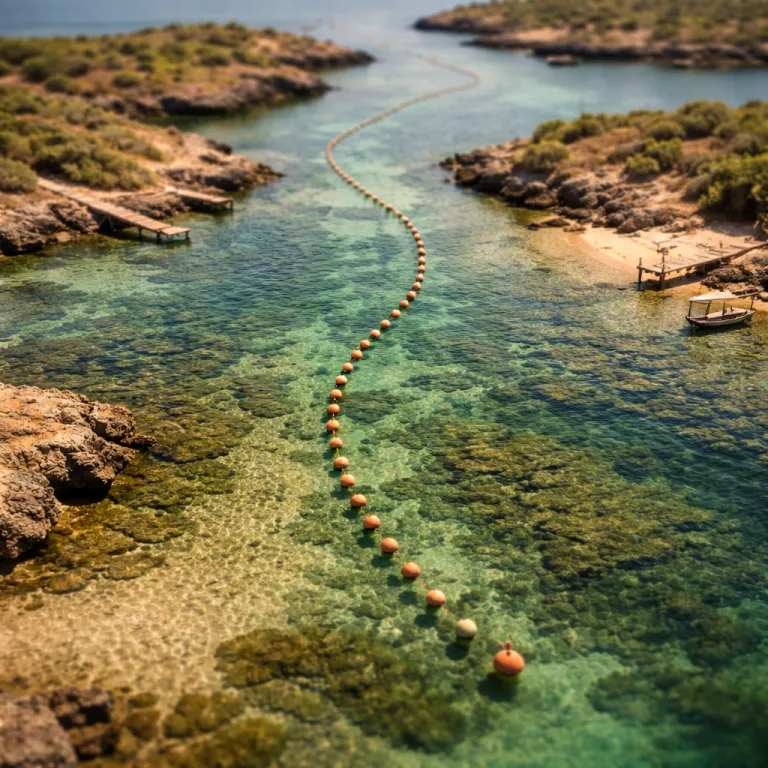
Snorkeling island hopping as a blue trail between reefs
Snorkeling island hopping turns the space between islands into the real destination. When you plan a tour that links several bays, marine parks and national park waters, you start to read ferry timetables the way divers read tide charts and you shape each day around the best snorkeling adventure rather than the quickest crossing. Families quickly realise that every island stay can frame a different marine experience, from shallow reef gardens for first snorkel attempts to deeper channels where manta rays glide past the bow.
Across tropical regions, tour operators now design tours that follow what marine planners describe as emerging blue trails, strings of marine park zones and protected reef corridors that mirror classic island hopping routes. A typical full day trip might visit three islands in six hours, with guided snorkeling sessions in one sheltered bay, a drift over coral heads in clear waters and a final snorkel paddle from a white sand beach where children can watch tropical fish in waist deep waters. These recreational itineraries match what experts describe as recreational activity combining snorkeling with visiting multiple islands, and they are increasingly tailored to premium families who want both comfort and meaningful contact with marine life.
Local marine guides and tour operators act as quiet choreographers of this life below the surface, choosing each snorkeling island stop according to swell, visibility and the health of the reef. They organise boat transportation, provide snorkel gear and often include short talks about fish identification and coral behaviour between islands, turning travel time into a floating classroom. On one family tour in the Caribbean, a guide paused the engine between two islands so children could compare parrotfish and angelfish on laminated ID cards before slipping back into the water for the next reef stop.
Raja Ampat, Red Sea and Great Barrier Reef as natural marine corridors
Raja Ampat in Indonesia sits at the heart of the Coral Triangle and remains the benchmark for any serious snorkeling island hopping itinerary. Here, dozens of islands and islets form a maze of bays and channels where coral gardens rise almost to the surface, and even a short day trip by local boat can link three distinct reef systems with radically different fish communities. Scientific surveys by Conservation International and local partners have recorded more than 1,500 reef fish species in these waters, so families who book focused tours with reputable resort bases in the Dampier Strait can expect calm waters, high visibility and marine life so dense that children often stop mid snorkel just to watch a single bommie for several minutes.
Further west, the Red Sea offers a contrasting style of island hopping, with long narrow gulfs, steep drop offs and national park zones such as Ras Mohammed that protect both beach access and offshore reef walls. Here, snorkeling tours often combine a private boat charter with scheduled ferries, allowing you to stay on one island while using day trip boats to reach marine park plateaus where sea turtles graze and schools of tropical fish swirl over coral ledges. These waters can be deeper and cooler than in Raja Ampat, so guides usually structure each tour around shorter snorkel sessions and longer surface intervals on deck, especially during the winter months when sea temperatures can drop below 24°C.
Off Australia, the Great Barrier Reef islands create another natural blue trail, where each island stay opens a different chapter of marine life. Some resort bases sit within or beside national park zones, meaning you can walk from your room to a white sand beach and snorkel straight off the shore into clear waters patrolled by reef sharks and manta rays in season. For a deeper dive into specific archipelagos and their best snorkeling routes, consult this curated guide to the best islands for snorkeling focused island hopping which maps marine corridors with route level precision and highlights sample family snorkeling island-hopping itinerary ideas for Raja Ampat, the Red Sea and the Great Barrier Reef.
Family friendly bays from the ferry pier to the reef edge
Not every family wants a remote expedition, and some of the best snorkeling for children lies just a short walk from the ferry dock. In well organised archipelagos, island hopping can mean stepping off a scheduled boat, dropping bags at your stay and strolling to a sheltered bay where a lifeguard watches the beach and the reef starts only twenty metres from shore. These easy access sites turn a simple day trip into a relaxed snorkeling adventure, with parents able to alternate time in the waters while the rest of the family rests on the white sand.
Caribbean hubs such as St Thomas show how this works in practice, with marine park style management of popular bays and clear signage about currents, coral etiquette and sea turtles protection zones. Many snorkeling tours here are designed as half day excursions that depart directly from the main harbour, visit two nearby islands and return in time for an early dinner, which suits younger children and multi generational groups. For a detailed look at how one destination balances reef health, visitor numbers and easy access snorkeling, read this route based review of snorkeling in St Thomas across vibrant reefs and tranquil bays.
In Mexico, Isla Mujeres has become a textbook example of a snorkeling island that fits neatly into a wider island hopping itinerary along the Yucatán coast. Families can base themselves on the main island, join small group snorkeling tours to nearby reefs and then continue by ferry to other islands without repacking gear each time. Calm clear waters, abundant tropical fish and well regulated encounters with manta rays and whale sharks in season make Isla Mujeres a reliable stop on any marine life focused route.
Coral conservation, marine parks and the rise of blue trails
As marine park networks expand, island hopping routes increasingly trace the edges of protected zones rather than skimming past them. According to the International Union for Conservation of Nature, the global coverage of marine protected areas has risen from under 3% of the ocean in 2010 to roughly 8% by the early 2020s, and many national park authorities now work with tour operators to create designated snorkeling trails, marked by buoys and underwater signs that explain coral structures, fish behaviour and the role of sea turtles and manta rays in reef ecosystems. For families, this transforms a simple snorkel into a guided marine life lesson, even when the guide remains on the boat and the learning happens face down in clear waters.
Across archipelagos from French Polynesia to the Red Sea, conservation programmes invite visitors to book experiences that go beyond standard tours. You might join a private session with a marine biologist to help map coral bleaching on one island, then visit a neighbouring bay where local communities have restored reef sections using coral nurseries suspended in the waters. These activities fit naturally into a snorkeling island hopping itinerary, because each island stay adds a new chapter to the story of how reefs adapt and how responsible tourism can support that life.
The emerging concept of blue trails links these efforts into coherent routes, where a series of islands and marine parks form a continuous corridor of protected habitat. For travellers, this means you can plan tours that follow ecological logic rather than just scenic appeal, moving from one marine park to the next while keeping your snorkel gear ready on deck. As one concise expert answer reminds us, “Are these tours suitable for beginners? Yes, guides assist all skill levels.”
Gear, reef safe habits and what to rent along the route
Packing for snorkeling island hopping is about striking a balance between readiness and lightness. At minimum, every family member should travel with a well fitting mask, a comfortable snorkel and a long sleeve rash guard, leaving bulkier items such as fins and snorkel paddle boards to rent from local operators on each island. This approach keeps your day trip bag manageable while ensuring that the most personal pieces of gear, the ones that affect confidence in the waters, are always familiar.
Reef safe sunscreen has shifted from optional extra to essential item, as destinations from Hawaii to parts of French Polynesia and Thailand restrict or ban certain chemical filters to protect coral. Check regulations before you book intensive marine itineraries, because some national park authorities require visitors to apply only mineral based products or to rely on clothing and shade instead, especially in sensitive bays and shallow reef flats. Many snorkeling tours now brief guests on sunscreen use alongside safety instructions, reminding them that what washes off their skin enters the same marine life filled waters they came to enjoy.
Most tour operators provide life jackets, basic snorkel sets and sometimes short wetsuits, which is helpful for children or beginners who tire quickly. When you plan a longer island hopping route, consider bringing your own lightweight fins and a compact mesh bag so wet gear can dry between islands without dampening everything else in your luggage. For more sailing focused itineraries where the boat itself becomes your moving resort, this detailed Antigua route guide to refined Caribbean island hopping journeys shows how to integrate daily snorkeling into a multi day cruise.
Designing a family route: timing, safety and honest expectations
Thoughtful snorkeling island hopping starts with understanding how long you actually want to spend in the water each day. Many families overestimate their stamina, only to find that two focused snorkel sessions of forty minutes each, plus relaxed time on the beach, deliver a richer experience than chasing four or five quick dips across scattered islands. Remember that a typical organised tour visiting three islands in six hours already includes transit, safety briefings and surface intervals, so plan your independent days with similar pacing.
Safety hinges on choosing reputable tour operators and listening to local marine guides who know how wind, tide and swell affect each bay and reef. Before you book any private charter or group tours, ask specific questions about group size, guide to guest ratios and whether the crew includes a dedicated snorkel guide who stays in the waters with participants. Many eco friendly operators now highlight increased safety measures and customised itineraries, which can be especially valuable for families with mixed confidence levels or non swimmers who still want to watch fish from the boat.
Finally, set expectations with children about what marine life they might see on each island, emphasising that encounters with manta rays, sea turtles or large schools of tropical fish are privileges rather than guarantees. Some days the reef will feel busy and animated, with fish everywhere and coral colours glowing in clear waters, while other days the same bay may seem quieter and more subtle. The rhythm of a rewarding island hopping journey lies in accepting this variability, enjoying the life on deck between snorkels and allowing each island stay to feel complete before you move on to the next.
Key figures for snorkeling focused island hopping
- Typical organised snorkeling and island hopping tours visit around three islands in a single itinerary, which balances variety with enough time in the water for each stop, according to tour descriptions from major operators in Southeast Asia and the Caribbean.
- The average duration of a combined snorkeling and island hopping day tour is about six hours from morning departure to evening return, giving families time for multiple snorkel sessions without overtiring younger children.
- Many tropical coastal regions now offer year round snorkeling tours, but peak visibility often coincides with local dry seasons, which in parts of Southeast Asia and the Caribbean typically run for four to six months each year, so checking seasonal data for each archipelago remains essential.
- Eco focused operators increasingly promote private or small group tours, which can reduce pressure on popular reefs and improve guide attention, especially in sensitive marine park zones.
- Marine protected areas worldwide have expanded steadily over the past decade, with IUCN and UNEP reports indicating that designated zones now cover roughly 8% of the global ocean, creating longer continuous blue trails where island hopping routes can follow connected networks of national park and marine park waters.
FAQ about snorkeling island hopping
What is island hopping when combined with snorkeling ?
Island hopping with snorkeling means visiting multiple islands in a single trip while planning regular stops to swim over reefs, seagrass beds and rocky bays. Travellers move between islands by boat or ferry, using each stop as a base for guided snorkel sessions or independent swims. This format allows you to experience different marine habitats and beach styles within one itinerary.
Is snorkeling gear usually provided on island hopping tours ?
Most organised snorkeling tours that include island hopping provide basic gear such as masks, snorkels and fins as part of the package price. Quality and fit can vary, so frequent snorkelers and families with children often prefer to bring their own masks and snorkels while renting fins locally. Life jackets are typically available for all participants, including beginners and less confident swimmers.
Are snorkeling island hopping itineraries suitable for beginners and children ?
Well designed itineraries are suitable for beginners because guides choose sheltered bays with calm waters and easy beach access. Many operators structure the day so that the first snorkel session is short and shallow, allowing new swimmers to build confidence before visiting deeper reef sites. Parents should always check group size, guide qualifications and safety procedures before booking.
How long does a typical snorkeling and island hopping day last ?
A standard combined tour usually lasts around six hours from departure to return, often described as a full day or extended half day. This timeframe allows for travel between two or three islands, safety briefings, multiple snorkel sessions and time to rest on the beach or boat. Some destinations also offer shorter half day trips for families who prefer a lighter schedule.
What should I check before booking a snorkeling focused island hopping tour ?
Before confirming any tour, review the planned route, the number of islands visited and the expected time in the water at each stop. Ask whether the operator follows reef safe practices, respects marine park regulations and limits group sizes for better safety and marine life viewing. It is also wise to check recent weather patterns and visibility reports, as these directly affect the quality of the snorkeling experience.
References
- UN Environment Programme – reports on coral reef status and marine protected areas.
- NOAA Coral Reef Conservation Program – guidance on reef safe practices and sunscreen regulations.
- International Union for Conservation of Nature (IUCN) – data on global marine parks and national park networks.