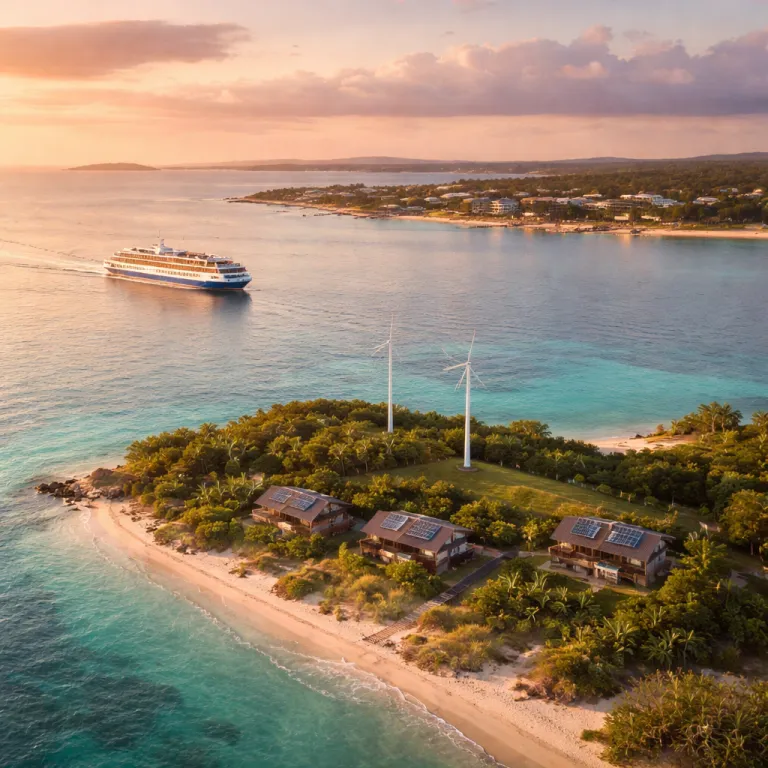
The sustainable island travel gap on the ferry deck
Step onto any island ferry and you will hear the same conversation. Travelers talk about sustainable travel values while their actual island tourism choices still follow the gravitational pull of mass tourism and cheap flights. That tension between stated ethics and real itineraries is the sustainable island travel gap in its purest form.
Surveys show the pattern with uncomfortable clarity. One major consumer report on sustainable travel intentions by Trip.com Group (2022) finds that around 92 percent of travelers now consider sustainable travel important, yet only about 56.9 percent say they regularly act on those values when they book an island experience or select a coastal national park. Booking.com’s annual Travel & Sustainability Report echoes this say–do gap, with roughly four out of five respondents expressing interest in more responsible tourism while only a minority consistently choose certified eco stays or low impact tours. The difference between those figures is not an abstract percentage; it is the visible gap between crowded coral reefs in the Caribbean and quieter protected areas that struggle to fund environmental conservation and community development.
On islands, that gap lands harder than on the mainland. Fragile ecosystems, finite freshwater resources and limited land for tourism development mean every extra tourist night has a sharper environmental impact. When visitors say they want sustainable tourism but still choose the cheapest island package, local communities carry the cost in eroded beaches, stressed coral reefs and cultural heritage reduced to a quick performance between cruise ship arrivals. As one marine park ranger in the Lesser Antilles put it during a 2023 stakeholder workshop, “We feel every extra suitcase in our water and on our reefs.”
Island hopping intensifies the problem because time feels scarce. Travelers chase more islands in fewer days, burning through fuel, plastic water bottles and attention spans, while telling themselves that a short stay means a lighter footprint. In reality, rapid travel between islands multiplies transfers, flights and boat rides, which often outweigh the environmental benefits of any single eco certified stay. A short regional flight can emit several times more CO₂ per passenger than a comparable ferry crossing, especially on routes under 300 kilometres, according to European Environment Agency estimates for intra‑EU travel. The sustainable island travel gap widens every time a well intentioned tourist treats sustainability as a label on one property rather than a lens for the entire itinerary.
There is also a psychological dimension that island tourism boards rarely address. Many travelers still associate sustainable development with sacrifice, assuming that choosing a conservation focused island means giving up comfort, cuisine or connectivity. As long as sustainability is framed as a downgrade from the classic resort experience, the gap between values and bookings will remain stubbornly wide, no matter how many environmental campaigns circulate on social media.
From Dominica to Sardinia: when sustainability becomes aspiration
Some islands are quietly rewriting that narrative. Dominica, with its UNESCO listed Morne Trois Pitons National Park, positions conservation not as a constraint but as the core of its tourism development strategy. Hiking through cloud forest, soaking in hot springs and meeting local guides who speak fluently about environmental conservation turns sustainable tourism from a moral duty into a rarefied travel experience.
On Dominica, the national park is not a backdrop; it is the main stage where visitors learn how volcanic landscapes, rainforest watersheds and coastal protected areas support both biodiversity and community development. Guides explain how climate change alters rainfall patterns, how coral reefs buffer storm surges and why local communities have a direct stake in limiting mass tourism on fragile trails. Entrance fees and conservation surcharges, typically around US$5–10 per site or trail for non‑residents, are earmarked for maintenance and ranger salaries, making the financial link between tourism and protection visible. The result is an island tourism model where the tourist feels like a temporary steward rather than a passing consumer.
Sardinia offers a different but equally instructive case. Here, cycling routes, restored village houses and coastal paths encourage travelers to slow their travel rhythm, spending more time in local cafés and family run guesthouses instead of rushing between crowded beaches. Sustainable development is embedded in infrastructure choices, from public transport links and bike friendly ferries to coastal zoning that protects dunes and wetlands from speculative development. In several marine protected areas, such as Tavolara–Punta Coda Cavallo, daily visitor numbers to sensitive coves are capped in the hundreds during peak season to reduce pressure on seagrass meadows and nesting sites.
For the business leisure traveler extending a work trip, these islands show that a sustainable island travel gap is not inevitable. You can land in Cagliari or Roseau with a laptop in your bag, then step into an itinerary where sustainable tourism is the most desirable option, not the worthy compromise. That shift matters because executives often set the tone for corporate travel policies and incentive programs, influencing how colleagues think about environmental responsibility during their own gap year sabbaticals or short island breaks.
Practical details reinforce the point. In Dominica, conservation fees are clearly explained and visibly reinvested in trail maintenance and ranger training, which builds trust with tourists who might otherwise resent extra charges. In Sardinia, cycling friendly infrastructure and reliable ferries between smaller islands make it easy to choose lower impact transport without sacrificing comfort or precious holiday time. Local operators often summarise the offer in simple terms: “If you can roll your suitcase onto the ferry, you can roll your bike on too.”
Island hopping can follow the same logic. A traveler who plans a week across several Mediterranean islands can prioritize routes that use public ferries, stay longer on islands with strong environmental programs and support local communities through food, guiding and cultural heritage experiences. Case studies on Simpson Bay trash disposal practices for cruisers in Sint Maarten, for example, show how even waste management guidelines for visiting yachts can become part of a more thoughtful island travel routine when marinas, charter companies and local authorities coordinate on collection points, pump‑out services and clear signage.
Why regenerative language matters more than recycled towels
The industry vocabulary is shifting, and island travelers should pay attention. Where sustainable tourism once dominated conference panels and policy papers, regenerative tourism now appears in strategy documents from the Caribbean to the Galápagos Islands. The difference is not just semantic; it reframes the role of the tourist from doing less harm to actively improving the places they visit.
On small islands, that distinction is crucial because environmental baselines are already degraded. Coral reefs bleached by warming seas, mangroves cleared for coastal development and fisheries stressed by both local demand and visiting tourists cannot simply be maintained at current levels. Regenerative island tourism asks whether each travel experience contributes to environmental conservation, cultural heritage protection and community development in measurable ways, rather than merely offsetting emissions or reusing towels.
Consider the Galápagos Islands, managed by Ecuador through a strict national park framework. Visitor numbers are capped at roughly 275,000–300,000 people per year, routes are controlled and guides are trained to interpret both natural history and the social realities of life in Ecuador Galápagos towns. Landing sites are zoned, group sizes are limited to small vessels and most excursions require a licensed naturalist guide. Here, the sustainable island travel gap narrows because the entire tourism program is designed around carrying capacity, with the United Nations and scientific institutions using data, often accessed through platforms like Google Scholar and peer reviewed journals, to inform policy and adjust quotas.
Costa Rica offers another template, especially on its Pacific islands and coastal communities. Certification schemes such as the Certification for Sustainable Tourism (CST) reward properties and tour operators that invest in environmental conservation, renewable energy and local employment, while national park entrance fees and marine protected area permits fund ranger patrols and trail restoration. For travelers, this means that choosing a certified operator is not a vague gesture but a concrete way to support sustainable development and protect marine protected areas; in some coastal parks, more than half of the operating budget now comes from visitor fees and permits.
Regenerative thinking also changes how we view the classic gap year or shorter year program that includes island volunteering. Instead of parachuting into a local community for a few weeks of feel good conservation work, the more thoughtful programs now focus on skills transfer, long term monitoring and partnerships with local communities that continue after the tourist leaves. When done well, a gap year on an island can strengthen local environmental programs rather than draining resources through constant volunteer turnover, with volunteers contributing to multi‑year reef surveys or mangrove restoration instead of one‑off clean‑ups.
Island hopping itineraries can adopt the same mindset. Rather than ticking off as many islands as possible, travelers can design routes that revisit the same island over time, supporting the same local guides, conservation projects and small businesses across several years. Case studies such as how Simpson Bay trash disposal systems in the lagoon area of Sint Maarten are reshaping sustainable island hopping show that even waste infrastructure can become a regenerative asset when tourists, marinas and municipalities collaborate on clear rules, collection points and education, reducing the volume of floating debris and illegal dumping in sensitive mangrove fringes.
Designing an island hopping itinerary that closes the gap
Bridging the sustainable island travel gap starts long before you board the first ferry. It begins when you open a map and decide which islands deserve your time, your budget and your attention. The most powerful decision is often to visit fewer islands, stay longer and align your movements with existing transport and conservation frameworks.
In the Caribbean, that might mean choosing an itinerary that connects islands participating in regional climate resilient tourism initiatives. Policy discussions among Caribbean nations on a climate resilient tourism blueprint show how ferry routes, marine protected areas and coastal zoning can work together to reduce risk and support local economies. By aligning your travel with these emerging frameworks, you turn a private island hopping holiday into a small but meaningful vote for smarter tourism development.
Transport is the next lever. Whenever possible, replace short haul flights between nearby islands with ferries or scheduled boats, even if the timetable feels less convenient. The extra hours on deck become part of the experience, giving you time to learn about local history, watch coastal ecosystems slide past and understand how climate change is reshaping shorelines and fishing grounds.
Accommodation choices should follow the same logic. Look for properties that publish clear environmental data, support local employment and participate in conservation or community development programs, rather than simply marketing generic green slogans. When a property can explain how its water systems protect scarce island resources, how its reef monitoring supports national park management or how its energy mix reduces reliance on imported fossil fuels, you know your stay contributes to more than your own comfort.
Daily habits matter as well. On each island, treat waste, water and energy as scarce resources, not unlimited hotel amenities, and ask operators how they handle recycling and sewage. Choose guides and experiences that connect you with local communities on their own terms, whether through food, music or cultural heritage tours that respect sacred sites and traditional knowledge.
Finally, think of your itinerary as a long term relationship rather than a one time conquest. Returning to the same islands over several years allows you to see how tourism development, environmental conservation and community priorities evolve, and to adjust your own behavior accordingly. That is how the sustainable island travel gap begins to close; not through a single perfect trip, but through a series of better informed choices that align your values with the real needs of the islands you love.
Quick checklist for lower impact island hopping
- Swap short flights for ferries on routes under 300 kilometres whenever schedules allow.
- Limit your trip to one to three islands and stay at least three nights on each.
- Choose accommodations with credible sustainability certifications or transparent impact reports.
- Carry a refillable bottle, reef safe sunscreen and a small dry bag for your own waste.
- Book at least one locally owned tour or homestay on every island you visit.
Key figures behind the sustainable island travel gap
- One major consumer report on sustainable travel intentions by Trip.com Group found that 92 percent of surveyed travelers considered sustainable travel important, yet only 56.9 percent reported regularly practicing sustainable behaviors, illustrating a pronounced say–do gap that directly affects fragile island destinations.
- Industry data from sources such as Booking.com’s Travel & Sustainability Report shows that concern about tourism’s environmental impact has risen sharply since the early 2020s, but island visitor numbers in many mass tourism hotspots continue to grow, underscoring how awareness alone does not reduce pressure on limited island resources.
- Global surveys consistently indicate that more than four out of five travelers express interest in sustainable tourism options, yet eco certified island properties and conservation focused tours still represent a minority of total bookings, which limits funding for environmental conservation and community development.
- Policy frameworks inspired by the United Nations Sustainable Development Goals encourage island governments to expand protected areas and strengthen national park management, but without corresponding shifts in tourist behavior, these measures struggle to keep pace with climate change impacts and coastal development.
References and further reading
- Trip.com Group – Sustainable Travel Consumer Report (2022), including data on the 92 percent versus 56.9 percent sustainable travel intention–behavior gap.
- Booking.com – Travel & Sustainability Report, summarizing global traveler attitudes toward eco friendly accommodation and responsible tourism choices.
- Euronews – Coverage of emerging sustainable travel habits among younger tourists, with examples from Mediterranean and Caribbean island destinations and commentary from local operators.