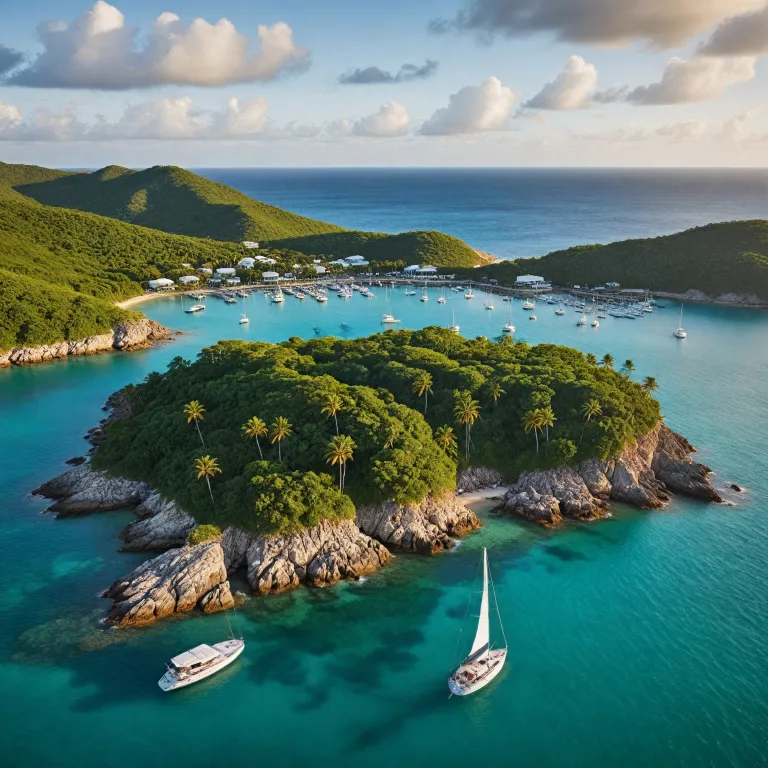
Navigating clearance in Saint Martin for refined island hopping
Island hopping across the north eastern Caribbean often begins with a smooth entry into Saint Martin. For many skippers, understanding how clearance in Saint Martin works through Noonsite style guidance transforms a stressful formality into a refined routine that frames the whole voyage. When your first island arrival feels calm and organized, every later passage between islands benefits from that early clarity.
The island is shared between the French side of Saint Martin and the Dutch side of Sint Maarten, and this dual identity shapes every clearance step. You will move between the French Antilles administration in Marigot Bay and the Sint Maarten port authority presence around Simpson Bay, the bridge, and the lagoon, so planning ahead is essential. Treat each side as a distinct port of entry, because the rules, fees, and style of service differ even though the island water is continuous.
Recent modernization has made online clearance central to the experience, especially for yachts using Marigot as their first port. The St. Martin Port Authority now supports an online clearance portal that mirrors the practical spirit long associated with Noonsite style cruising information, and visiting crews are encouraged to complete forms before arrival. This digital approach does not remove the human element, because in person verification at the port office remains mandatory for stamping and identity checks.
According to official guidance, “The combined clearance fee is 10.50 euros for visiting yachts.” Another verified statement clarifies that “The online clearance form can be completed at https://clairance.portdemarigot.com/.” Finally, authorities emphasize that “Yes, an in-person visit to the Port Office in Galisbay or Marina Fort Louis is required for form stamping and identity verification.”
Understanding ports of entry on both French and Dutch sides
Saint Martin offers three official ports of entry, and each one shapes a different style of island hopping itinerary. On the French side, Marigot Bay functions as the principal port, with the Galisbay port office and Marina Fort Louis working together under the St. Martin Port Authority. On the Dutch side, Simpson Bay and its famous bridge into the lagoon form the main Sint Maarten gateway, complemented by additional facilities that support larger marine traffic.
For sailors using Noonsite type planning tools, it helps to think of these ports of entry as separate stages in a wider Caribbean route. You might arrive first at Marigot Bay on the French side, complete clearance, then later move to Simpson Bay on the Dutch side and repeat formalities as you shift jurisdiction. Each entry and exit generates its own paperwork, and understanding this rhythm keeps your island hopping schedule realistic and elegant.
Marigot itself offers a sheltered bay lagoon style anchorage, with a dinghy dock near the customs computers inside the port office where online clearance details can be checked. Marina Fort Louis staff are accustomed to visiting yachts and can guide crews through the combined clearance fees and local regulations. This French Antilles environment feels distinct from the busier, duty free focused Dutch side around Simpson Bay and the wider lagoon.
On the Sint Maarten side, the port authority presence is more commercial, yet still attentive to cruising yachts. Simpson Bay, the bridge, and the inner bay marina network create a hub where chandlers such as Budget Marine support technical needs between passages. Many island hopping crews alternate nights between Marigot Bay, Simpson Bay, and quieter anchorages like Grand Case or Oyster Pond, using each port’s strengths.
Step by step: from online clearance to port office stamping
Efficient island hopping around Saint Martin begins before your keel touches island water. Skippers are strongly encouraged to complete the online clearance form through the dedicated portal, mirroring the structured approach often highlighted in Noonsite style briefings. Filling in crew lists, vessel details, and intended ports of entry in advance reduces time spent at the counter once you reach the bay or lagoon.
On arrival at Marigot Bay, anchor in the designated area and secure your dinghy at the nearest dinghy dock serving the Galisbay port office or Marina Fort Louis. Inside, customs computers are available for those who have not yet finalized online clearance, but using them on site can slow your schedule during busy periods. Present printed or digital confirmation of your online clearance, passports, and ship papers, then pay the combined clearance fees, which remain modest compared with many Caribbean islands.
The officer will stamp your documents, confirm your permitted length of stay, and explain any local rules for the French side, including anchoring limits within the bay lagoon. If you later shift to the Dutch side of Sint Maarten, you must repeat entry procedures at the relevant port authority office around Simpson Bay or the lagoon marinas. This second clearance reflects the separate administrations of Saint Martin French and Sint Maarten Dutch, even though sailors experience them as one island.
When planning movements between Marigot Bay, Simpson Bay, Grand Case, and Oyster Pond, build time for these formalities into your passage notes. Many experienced crews schedule port visits around bridge openings at Simpson Bay and daylight arrivals at less sheltered anchorages. Treat clearance as part of the rhythm of island hopping rather than an interruption, and the process becomes another well managed seamanship task.
Balancing fees, services, and duty free advantages
For long range island hopping crews, the financial side of clearance in Saint Martin matters almost as much as the paperwork. The combined clearance fee for visiting yachts on the French side is relatively modest, especially when compared with some neighboring French Antilles islands. However, you should still factor repeated entries and exits into your cruising budget, particularly if you plan frequent movements between the French side and the Dutch side.
On the Sint Maarten side, the duty free status of the port has a strong influence on provisioning and refit decisions. Many skippers time their arrival through Simpson Bay and the bridge to coincide with major purchases at Budget Marine or other chandlers around the lagoon marinas. While clearance fees and marina charges may be slightly higher than in Marigot Bay, the savings on equipment, electronics, and beverages can offset these costs over a season.
When comparing ports of entry, consider not only the headline fees but also the quality of services clustered around each bay marina. Marigot Bay offers a more relaxed French atmosphere, with easy access to cafés and the historic waterfront, while Simpson Bay and the lagoon feel more technical and service oriented. Grand Case and Oyster Pond, though quieter, still depend on formal clearance through one of the main ports before you anchor there.
Thoughtful use of online clearance reduces time spent queuing at the port office, which indirectly saves money by allowing better use of weather windows. Crews who plan their island hopping legs using detailed resources, including specialist guides on French Caribbean yacht check in, tend to experience fewer delays. Over several months, these small efficiencies compound into a smoother, more economical Caribbean circuit.
Crafting an elegant island hopping route around Saint Martin
Once clearance formalities are mastered, Saint Martin becomes a graceful hub for wider Caribbean island hopping. Many sailors start on the French side in Marigot Bay, then sail north along the coast to Grand Case for a night at anchor before continuing toward Anguilla or other nearby islands. Others prefer to enter via Simpson Bay, use the lagoon and its bay marina network for maintenance, then head south toward Saint Barthélemy and beyond.
The dual nature of Saint Martin French and Sint Maarten Dutch allows you to alternate cultural experiences without long sea passages. A short hop across the island water from Marigot Bay to Simpson Bay takes you from croissants and cafés to a more cosmopolitan, duty free environment. Each side offers different marine services, from Budget Marine outlets to small workshops, so route planning should match your vessel’s maintenance needs as well as your leisure preferences.
Oyster Pond, when accessible, provides a more intimate setting, while Grand Case remains popular for its shoreline restaurants and calm anchorage. Remember that these are not independent ports of entry, so you must complete clearance either in Marigot or Simpson Bay before settling in. Using online clearance tools and Noonsite style checklists, you can structure a circuit that respects regulations while still feeling spontaneous.
As you extend your island hopping beyond Saint Martin, the habits learned here continue to pay dividends. Careful attention to each port authority’s requirements, from customs computers to local dinghy dock rules, builds confidence for more remote islands. In this way, clearance in Saint Martin via Noonsite informed preparation becomes a training ground for elegant, low stress exploration across the wider Caribbean.
Practical tips for stress free formalities and safe anchorages
Successful island hopping around Saint Martin depends on a blend of administrative precision and practical seamanship. Always check the latest guidance from the St. Martin Port Authority before departure, because clearance rules, opening hours, and designated ports of entry can evolve. Combine this official information with Noonsite style reports from recent visitors to gain a balanced, real world perspective.
When approaching Marigot Bay or Simpson Bay, time your arrival for good light and moderate conditions, especially if you are unfamiliar with the bay lagoon entrances. In Simpson Bay, coordinate with bridge opening schedules and monitor VHF instructions from the port authority to avoid congestion. At both locations, secure your dinghy carefully at the designated dinghy dock before heading to the port office, because theft and damage are rare but not unknown.
Inside the clearance office, remain patient and organized, with passports, ship papers, and online clearance confirmations ready for inspection. Use the customs computers only if necessary, because completing forms in advance usually leads to a faster, more courteous interaction. If language is a concern on the French side, remember that staff in Marigot and Marina Fort Louis are accustomed to international crews and can usually assist in English.
Finally, treat each clearance as an opportunity to ask about local anchorages, weather patterns, and any temporary restrictions in the surrounding island water. Officers often share practical advice about conditions in Grand Case, Oyster Pond, or the wider Caribbean that does not always appear in printed guides. This blend of digital preparation, respectful communication, and attentive seamanship turns clearance in Saint Martin into a refined starting point for memorable island hopping.
Key statistics for clearance and ports of entry in Saint Martin
- Combined clearance fee for visiting yachts on the French side of Saint Martin : 10.50 euros.
- Number of official ports of entry serving Saint Martin and Sint Maarten : 3 ports.
Frequently asked questions about clearance in Saint Martin for island hopping
What is the clearance fee for visiting yachts in Saint Martin ?
The combined clearance fee is 10.50 euros for visiting yachts.
Where can I complete the online clearance form for Saint Martin ?
The online clearance form can be completed at https://clairance.portdemarigot.com/.
Is in person verification required after submitting the online clearance form ?
Yes, an in-person visit to the Port Office in Galisbay or Marina Fort Louis is required for form stamping and identity verification.