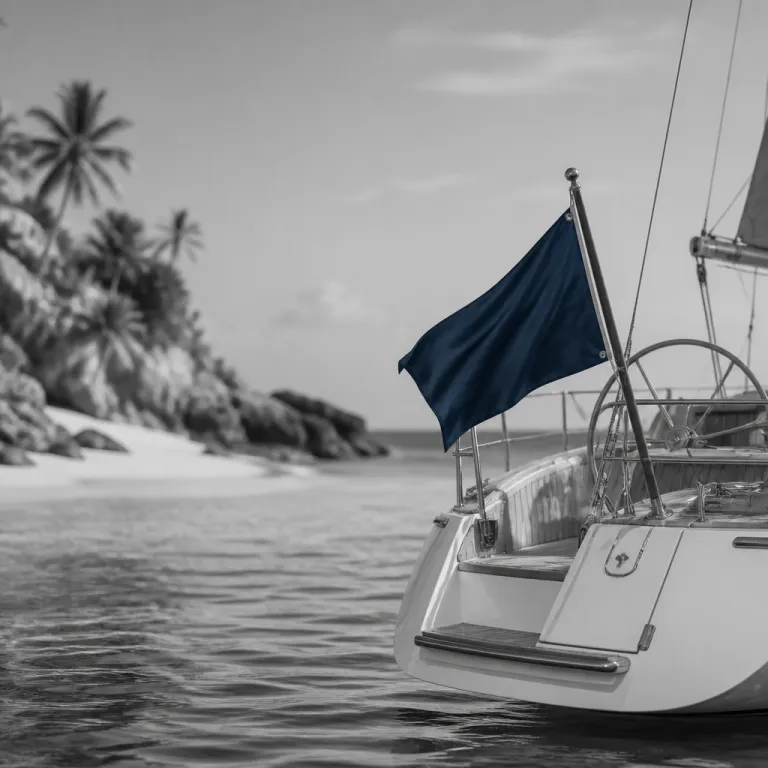
Best beaches in Barbados for an island-style coast hopping itinerary
Note: Beach safety, access, and facilities can change. Always confirm current conditions with local authorities or your accommodation before swimming.
Why the best beaches in Barbados belong on every island hopping itinerary
The best beaches in Barbados form a natural arc around the island, turning any island hopping journey into a sequence of distinct coastal moods. On one compact piece of land in the Caribbean, you move from gentle west coast waters to the wild Atlantic waves of the east coast in less than an hour by car. This contrast makes each beach day feel new, yet the same crystal clear sea and pale sand tie the experience together.
Barbados offers more than sixty public beaches, so choosing the best beaches for your route requires clarity about what you value most. The Barbados Tourism Marketing Inc. (BTMI) notes that the island has around 60 named stretches of sand, spread across all four coasts. Some travelers want a calm beach Barbados experience with clear waters for swimming, while others chase dramatic coast beaches where the surf pounds the rocks. When you plan an island hopping style circuit around the shores of Barbados, you can match each bay to a specific mood, from sunrise solitude to a family friendly afternoon.
On the west coast, the sea behaves like a lagoon, and the water usually stays calm enough for relaxed swimming. The south coast brings a livelier rhythm, with waves that suit body surfing and long shoreline walks during the golden part of the day. By contrast, the east coast and parts of the north coast deliver raw Atlantic energy, where the best beaches are often better for photography and contemplation than for entering the water.
Because Barbados is a single island rather than an archipelago, your island hopping here becomes a coast hopping experience. You can wake beside Carlisle Bay, spend midday at a quiet west coast beach, then end at an untamed bay on the Atlantic side. Driving times are short: Bridgetown to Mullins Beach takes roughly 30–35 minutes, while Carlisle Bay to Bathsheba usually takes about 40–45 minutes in light traffic. This rhythm suits travelers who enjoy varied beachscapes and want practical tips on how to link them into one coherent route.
For photographers, the best beaches in Barbados offer an evolving palette of light, sand color, and wave patterns. The Caribbean west coast gives mirror like waters and pastel sunsets, while the east coast rewards you with sculpted rock formations and powerful waves. Planning your days around these shifts helps you return with beach and bay images that feel like a curated gallery rather than a random collection. When you save your favorite shots with clear captions and locations, you effectively build your own visual map of the island.
West coast elegance: calm Caribbean waters and golden light
The west coast of Barbados is where the Caribbean shows its gentlest face, making it ideal for refined island hopping between tranquil beaches. Here the sea usually lies flat, the waters stay clear, and the sand feels soft underfoot, which creates perfect conditions for long swimming sessions. Many travelers consider these stretches among the best beaches in Barbados for relaxed days and sunset photography.
Mullins Beach, Reeds Bay, and Batts Rock illustrate why west coast beaches in Barbados have such a devoted following. At Mullins Beach, the water often appears crystal clear, with a subtle turquoise gradient that photographs beautifully from a low angle. Reeds Bay and Batts Rock offer a quieter coastal atmosphere, where you can frame palm trees against the sea and capture the changing light across the day. Parking is usually roadside or in small lots, and local minibuses (“ZR vans”) run along the main highway, making it relatively easy to move between nearby bays without a car.
Farther along the coast, Fitts Village Beach continues this theme of calm waters and understated charm. The bay here is ideal for swimming, and the west facing orientation gives you great sunset compositions with boats anchored offshore. When you compare this shoreline to the more rugged east coast, you understand why many families base themselves near the west coast for easy, family friendly beach access. Lifeguard stations operate at some of the more popular beaches, and you will often see flag systems indicating daily conditions.
For island hopping photographers, the west coast rewards patience and attention to detail. Arrive early to capture empty sand and the first reflections on the water, then return near dusk when the Caribbean sky turns soft pink and gold. If you enjoy structured coastal journeys, you can later compare this west coast segment with other island routes to refine how you read light and color in different seas. Simple compositions—such as a single fishing boat or a line of footprints—often work best in the calm conditions here.
When planning your route, remember that the best beaches on this side of the island sit close together. You can swim at one bay in the morning, walk a different stretch of sand after lunch, then end the day at another beach with a different angle on the same calm sea. This density of options makes the west coast a natural starting point for any coast hopping itinerary around Barbados. A basic west coast loop might run from Batts Rock to Fitts Village, then on to Reeds Bay and Mullins, with short drives of 5–15 minutes between each stop.
South coast energy: lively waves and accessible island hopping
The south coast of Barbados offers a different personality, where the Caribbean meets the open Atlantic and the waves gain more character. This shoreline suits travelers who want the best beaches in Barbados for a mix of swimming, people watching, and casual beach photography. The sand remains soft, but the water carries more movement, which adds texture to your images and variety to your day.
Accra Beach, also known as Rockley Beach, is a classic south coast stop with clear waters and a broad arc of sand. On a typical day, you will see families swimming near the shore, surfers waiting for waves farther out, and walkers using the coastal boardwalk. This combination makes Accra Beach one of the best beaches for travelers who like a lively yet still family friendly atmosphere. Public buses and route taxis run frequently along the main south coast road, and there is usually paid or time-limited parking close to the sand.
Further along the south coast, Dover Beach and Miami Beach (often called Enterprise Beach) provide contrasting scenes. Dover Beach tends to feel more animated, with water sports and a social vibe, while Miami Beach offers a more relaxed bay with a mix of shade and open sand. Both Barbados beaches work well for island hopping photographers who want to capture human activity against the backdrop of the sea. Simple details—such as beach vendors, fishing boats, or children playing in the shallows—help convey the south coast’s everyday life.
Silver Sands Beach, at the southern tip of the island, adds another layer to this coast. Here the wind strengthens, the waves grow taller, and the beach becomes a stage for windsurfing and kitesurfing rather than gentle swimming. Local guidance notes that currents can be strong at Silver Sands, so most visitors watch from shore or join supervised water sports rather than swimming far out. The area has open spaces for gear setup, and the steady trade winds make it a favorite spot for experienced riders.
When you design a south coast segment for your island hopping route, think in terms of energy levels. Start the morning at a quieter bay such as Miami Beach, move to Accra Beach or Dover Beach for midday activity, then end at Silver Sands Beach to photograph silhouettes against the late afternoon light. This progression keeps your day balanced while still focusing on some of the best beaches along the south coast of Barbados. If you rely on public transport, you can easily follow most of this route using the main bus corridor between Bridgetown and Oistins, then a short taxi ride to Silver Sands.
East and southeast drama: wild waves, high cliffs, and photo ready bays
The east coast and southeast coast of Barbados reveal the island’s wilder side, where Atlantic waves crash against cliffs and sculpt the shoreline. These are not always the best beaches in Barbados for swimming, yet they rank among the best for dramatic beachscapes. For island hopping photographers, this side of the island offers powerful compositions and a sense of raw sea energy.
Bathsheba Beach on the east coast is famous for its large rock formations and consistent surf. The waves roll in with force, creating white water patterns that contrast with the darker sand and the green hills behind the beach. While this is not a family friendly swimming spot, it is one of the great coast beaches for long exposure photography and moody seascapes. Local advice is to paddle only in clearly sheltered pools and avoid venturing into open surf because of strong currents.
Farther along the east coast, Skeetes Bay and Conset Bay provide quieter yet equally atmospheric scenes. Skeetes Bay frames the Atlantic with a working harbor and steep cliffs, while Conset Bay offers a peaceful fishing village setting with boats resting on the water. Both bays remind you that the best beaches in Barbados are not only about swimming but also about understanding how people live with the sea, and swimmers should stay close to shore and follow any posted warnings. Narrow access roads and limited parking mean it is wise to arrive early or visit outside peak weekend hours.
On the southeast coast, Bottom Bay and Crane Beach stand out as essential stops on any island hopping route. Bottom Bay remains largely undeveloped, with high coral cliffs, tall palms, and a crescent of sand that feels almost theatrical when viewed from above. Crane Beach, by contrast, combines pink tinged sand, rolling waves, and a wide bay that looks especially striking in overhead photographs. At both of these coastal highlights, lifeguards and local tourism information stress that waves and rip currents can be powerful, so swimming is best kept to calmer areas and only when conditions look clearly manageable.
Because currents can be strong along this side of the island, always check local advisories before entering the water. Official tourism and lifeguard guidance emphasize that not all beaches are safe for swimming and that visitors should follow flag systems and posted notices. A red flag usually signals dangerous conditions and a yellow flag indicates caution, while green flags mark generally safer water. For many travelers, the best way to enjoy these east coast and southeast beaches is to walk the sand, photograph the waves, and then return to calmer waters on the west coast or south coast for actual swimming later in the day.
Carlisle Bay and central coast gems: snorkeling, shipwrecks, and clear waters
Carlisle Bay sits near Bridgetown on the southwest coast and deserves its reputation among the best beaches in Barbados. The bay curves gently, creating a sheltered area where the water stays calm and the sand remains fine and pale. For island hopping travelers, this beach offers a rare combination of urban convenience, clear waters, and excellent underwater experiences.
Visitor information from the Barbados Tourism Marketing Inc. highlights one key point about this bay: Carlisle Bay is renowned for snorkeling with shipwrecks and marine life. Several shallow wrecks, including the Bajan Queen, the Berwyn, and the Cornwallis, lie within a compact marine park area. That single idea explains why so many photographers and swimmers place Carlisle Bay at the center of their coast hopping plans around Barbados.
When you swim or snorkel here, you move over a series of shallow shipwrecks that now host colorful fish and corals. The water often appears crystal clear, which allows both underwater photographers and casual swimmers to appreciate the details below the surface. For families, this makes Carlisle Bay one of the most genuinely family friendly beaches Barbados can offer, provided everyone respects safety guidelines and stays within marked swimming zones. Local operators run glass-bottom boat and snorkel trips, which can be useful if you prefer guided access to the main wreck sites.
Nearby stretches of coast, including smaller unnamed bays and more urban beaches, add texture to this part of the island. You can start your day with a snorkeling session at Carlisle Bay, then walk or drive a short distance to another Barbados beach for a different angle on the same coastline. This flexibility suits travelers who like to collect varied images of the sea, sand, and city backdrop in a single day. Parking lots, changing facilities, and food stalls are common along this central strip, which makes it easy to combine beach time with errands or sightseeing in Bridgetown.
If your broader island hopping interests extend beyond Barbados, consider pairing this underwater focused stop with a nature oriented itinerary such as an immersive wildlife island hopping journey. By combining marine life at Carlisle Bay with other coastal ecosystems in the Caribbean, you create a richer narrative for your photo galleries and a deeper understanding of how different islands relate to the sea. Over time, Carlisle’s shipwrecks and calm waters can become a reference point for comparing other snorkeling beaches you encounter.
Practical tips for island hopping photographers on the best beaches in Barbados
Turning the best beaches in Barbados into a coherent island hopping photo story requires more than simply visiting multiple bays. You need a plan that respects light, tides, and the different personalities of each coast. With thoughtful timing, you can capture the same beach in several moods across a single day.
Start by mapping a loop that includes the west coast, south coast, east coast, and southeast highlights such as Bottom Bay and Crane Beach. Aim for early morning on the east coast, when the sun rises over the sea and the waves glow in soft light. Then move toward the west coast for late afternoon and sunset, when the Caribbean sky reflects on the calm water and the sand takes on warmer tones. A simple day route might run Carlisle Bay → Bathsheba → Bottom Bay → west coast for sunset, with total driving time of around two hours spread across the day.
For family friendly itineraries, prioritize Barbados beaches with gentler waters such as Carlisle Bay, Mullins Beach, Reeds Bay, and Batts Rock. These spots usually offer safer swimming conditions, though you should always check local weather and flag systems before entering the water. Keep in mind that even on the calm west coast, conditions can change during the day, so remain attentive to lifeguard advice. When traveling with children, choose beaches with visible lifeguard towers, restrooms, and shaded areas.
When composing images, use the curve of each bay and the line of the coast to lead the viewer’s eye. On the south coast, frame surfers or swimmers against the waves at Dover Beach or Accra Beach, while on the east coast you might emphasize rock formations and spray. In quieter places such as Miami Beach or Conset Bay, focus on reflections in the water and the relationship between boats, sand, and sky. Simple captions like “Bathsheba at low tide” or “Silver Sands at sunset” will help you remember how light and tide affected each scene.
Finally, remember that Barbados is only one chapter in a wider world of coastal journeys. If you enjoy structured coast hopping, you might later explore other curated routes along celebrated shorelines, using your Barbados experience as a reference point for evaluating sand quality, water clarity, and wave character. Over time, your personal gallery of beaches will reflect not just where you have been, but how you have learned to read the sea on every island you visit. Treat each new coastline as another chance to refine your timing, safety awareness, and photographic style.
Key figures and context for Barbados beach travel
- Barbados offers around 60 named beaches across its coasts, according to the Barbados Tourism Authority and BTMI, which means travelers can visit a different beach every day for two months and still have new sand to explore.
- The island sits near 13.19° north and 59.54° west in the Caribbean Sea, placing it far enough east to receive consistent Atlantic swells on the east coast while maintaining calmer waters on the west coast.
- Carlisle Bay hosts several shallow shipwrecks within a compact area, including the Bajan Queen, Berwyn, and Cornwallis, allowing snorkelers to see multiple sites in a single session without long boat transfers.
- Local authorities emphasize that not all beaches are suitable for swimming because of currents and waves, so visitors should always follow flag systems and posted advisories when planning their day.
- Recent travel trends show increased interest in secluded beaches such as Bottom Bay and Foul Bay, reflecting a broader rise in eco friendly and low impact beach tourism across the Caribbean region.

FAQ about the best beaches in Barbados for island style hopping
Which beach is best for snorkeling in Barbados ?
Carlisle Bay is widely regarded as the best beach for snorkeling in Barbados because several shallow shipwrecks lie close to shore. The clear waters and relatively calm conditions make it suitable for both beginners and experienced snorkelers. Guided tours can help you locate the main wrecks and understand the marine life that now inhabits them.
Are there any nude beaches in Barbados ?
There are no legal nude beaches in Barbados, and local regulations require appropriate swimwear on all public beaches. Travelers should respect these rules, as they reflect both national law and cultural expectations. If you are unsure about local customs on a particular beach, ask a resident or accommodation host for guidance.
Is it safe to swim at all beaches in Barbados ?
Not every beach in Barbados is safe for swimming, especially along the east coast where Atlantic waves and currents can be strong. Safer options usually include west coast and some south coast beaches, but conditions still vary with weather and tides. Always check local advisories, observe flag systems, and follow lifeguard instructions before entering the water.
Which side of Barbados has the calmest waters ?
The west coast generally has the calmest waters because it faces the Caribbean Sea rather than the open Atlantic. Beaches such as Mullins Beach, Reeds Bay, Batts Rock, and Fitts Village Beach often provide gentle conditions for swimming and paddle based activities. This makes the west coast a popular choice for families and travelers who prefer tranquil sea days.
How can I plan an island hopping style route around Barbados beaches ?
To create an island hopping style route on a single island, think in terms of coasts rather than separate islands. Start with calm west coast beaches for swimming, add south coast stops such as Accra Beach or Dover Beach for livelier waves, then include east coast and southeast highlights like Bathsheba Beach, Bottom Bay, and Crane Beach for dramatic scenery. Use a rental car or private driver to link these segments, and plan your timing around sunrise and sunset for the best light on each beach.