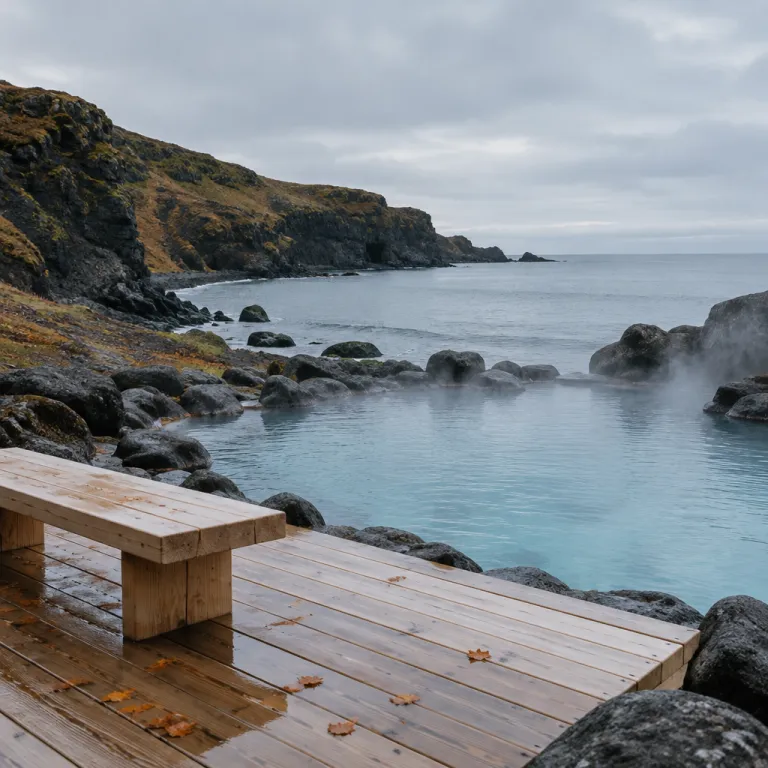
The case for an autumn hop: volcanic heat, cool air, quiet ferries
Volcanic islands turn into a natural wellness circuit when the first cool evenings arrive and the contrast between crisp air and hot water feels almost medicinal. Autumn is when a volcanic island thermal springs autumn itinerary makes sense, because ferries are calmer, spa towns slow down, and you can linger in thermal pools without the summer crowds. Think of it as a moving spa town on the sea, where each island stop offers different springs, different views, and a slightly different pace.
Across southern Europe, geothermal activity shapes entire landscapes of thermal springs, from the mineral rich hot springs of Ischia in Italy to the wild, forest edged thermal baths of Bagni San Filippo in inland Tuscany. On the islands, natural thermal water rises close to the shore, feeding open air pools, informal rock baths, and carefully designed thermal parks that stay open year round. When you plan a volcanic island thermal springs autumn route, you are really planning a sequence of temperatures and textures, pairing hot spring immersion with cool sea breezes and quiet coastal walks.
For couples, the appeal lies in how unhurried it can feel, because a thermal spa day on a small island naturally limits your schedule and encourages early nights. You might spend a morning in a thermal park, an afternoon in the sea, and an evening in a simple spa town trattoria, repeating the rhythm on the next island with a slightly different view. The key is to treat thermal pools and hot springs as anchors for the journey, not as isolated attractions, letting the volcanic island thermal springs autumn theme guide which ferries you board and which coves you keep for yourselves.
Ischia and the Tuscan hills: pairing sea facing springs with forest baths
Few places embody the volcanic island thermal springs autumn mood as completely as Ischia, the green island in the Bay of Naples where thermal water has shaped daily life since Roman times. Here, entire thermal parks cascade down cliffsides, with terraced thermal pools that frame the sea and the distant cone of Vesuvius in a single view. Many of these thermal springs complexes stay open year round, which means you can soak in hot springs while the air carries the first hint of woodsmoke from the island’s inland villages.
On Ischia’s southern coast, the fishing hamlet of Sant’Angelo feels purpose built for slow wellness, with pedestrian lanes, stepped gardens, and a string of thermal baths hidden in coves. A short walk from the village brings you to natural thermal water seeping directly into the sea, where locals have shaped rough stone pools that feel almost free compared with the more formal spa resorts. This is where a volcanic island thermal springs autumn itinerary becomes tactile, because you move between hot spring rock pools, cooler sea water, and shaded gardens in a single afternoon.
To deepen the circuit, many couples pair Ischia with a detour into Tuscany, trading the island’s spa towns for the forested hot springs of Bagni San Filippo. In this small spa town, the Bagni San Filippo thermal springs flow through a limestone ravine, forming white terraces known as the Balena Bianca, where you can sit in shallow thermal pools under chestnut trees. The baths here feel more natural thermal than manicured thermal park, and while some sections are free to access, it is essential to respect local rules about where bathing is allowed and how to leave the spring environment untouched, especially in the quieter shoulder season when supervision is lighter.
When you are planning where to stay between soaks, look for island properties that open year after year and understand the rhythm of autumn guests, rather than chasing only high summer openings. A curated list of island properties worth booking for the cooler season can be a useful filter, especially when you want a room with a direct view of the sea and easy access to thermal baths. One practical approach is to consult a guide to island properties opening their doors for the season, then cross check which ones sit within walking distance of thermal parks or natural hot springs.
Designing your own geothermal hop: routes, ferries, and slow wellness
Building a volcanic island thermal springs autumn route is less about ticking off famous spa resorts and more about understanding how ferries, weather, and geothermal sites interact. Start by choosing one anchor island with reliable thermal pools and thermal spa infrastructure, then add one or two quieter islands nearby that offer coves, walking paths, and simple baths fed by natural thermal water. This way, your hot springs days alternate with slower days of sea swimming, coastal hikes, and early dinners in small spa towns that feel almost private once the main season has passed.
In Italy, a classic pattern is to base on Ischia for several nights, using its thermal parks and thermal baths as your wellness core, then sail to Procida or Capri for quieter coves and more traditional island life. In Greece, you might choose Milos or Nisyros for their volcanic hot springs and then hop to a neighbouring island with fewer thermal springs but better beaches, keeping the volcanic island thermal springs autumn theme without over concentrating on a single spa town. The same logic applies far north, where routes like the Lofoten and Vesterålen hop in Norway show how a ferry linked archipelago can structure a journey around natural elements rather than resort timetables, a pattern explored in depth in this Arctic islands by ferry guide.
For couples who prefer independent travel, the most satisfying wellness weeks often come from combining public hot spring sites, modest spa towns, and self guided walks instead of booking a single all inclusive package. Packing becomes part of the strategy, with light layers for cool evenings, water shoes for rocky pools, and a dry bag for ferry crossings between islands with thermal springs. For more structure without losing independence, it can be helpful to follow a framework such as a guide on how to build your own island wellness week without booking a resort, then adapt it to the specific hot springs, thermal parks, and spa towns on your chosen volcanic route.
Beyond Italy and Greece: Atlantic archipelagos and off radar spa towns
While Italy and Greece dominate many volcanic island thermal springs autumn itineraries, the Atlantic archipelagos quietly offer their own geothermal circuits. The Azores, scattered across the mid Atlantic, combine lush crater lakes with hot springs that steam in subtropical gardens, particularly on São Miguel where the spa town of Furnas is built around mineral rich thermal water. Here, thermal pools sit in botanical gardens, and some remain open year round, allowing you to slip into hot water while hydrangea hedges fade into autumn colours.
On São Miguel, the Terra Nostra thermal park is the most iconic example, with a vast ochre coloured pool fed by natural thermal springs and framed by camellia lined paths. Smaller thermal baths and hot spring pools dot the valley, some operated as simple thermal spa facilities, others as more polished spa resorts that still feel rooted in local spa town traditions. For couples, the appeal lies in alternating a morning in a thermal park with an afternoon walking around volcanic calderas or along the coast, keeping the volcanic island thermal springs autumn rhythm of hot water followed by cool air.
Further south, the Canary Islands offer a different expression of volcanic wellness, with fewer formal thermal baths but a strong sense of elemental contrast between black sand, Atlantic swells, and warm rock. While you will not find the same density of thermal pools as in Italy’s spa towns, some islands feature modest hot spring sites and natural thermal seeps near the shore, best visited with local guidance. In these archipelagos, the volcanic island thermal springs autumn idea becomes more about combining dramatic views, long coastal walks, and occasional hot water immersion, rather than building the entire hop around a single thermal park or spa resort.
How to bathe well: etiquette, safety, and respecting fragile springs
Thermal springs are living systems, and a thoughtful volcanic island thermal springs autumn itinerary treats them as such, not as theme park attractions. In both Italy and Greece, many hot springs and thermal baths sit within protected areas or private thermal parks, where rules about access, clothing, and photography are clearly posted. Respecting these guidelines is not only courteous to other bathers but also essential for preserving mineral rich deposits and the delicate plants that thrive in thermal water environments.
At sites like Bagni San Filippo in Tuscany or the shoreline hot springs near Sant’Angelo on Ischia, the mix of free access areas and managed thermal spa facilities can be confusing. A simple rule is to assume that any constructed pools, changing areas, or maintained paths belong to a spa town or thermal park operator, and that using them without paying undermines the local economy that keeps these places open year after year. In genuinely free sections of a spring, avoid using soaps or oils, keep noise low, and leave stones and natural thermal formations exactly as you found them, because even small changes can alter the flow of thermal water.
Safety is equally important, especially in autumn when air temperatures drop and the temptation to stay in hot water for too long increases. Alternate between hot springs and cooler pools, drink plenty of plain water, and step out of thermal pools if you feel light headed, remembering that mineral rich thermal water can be more taxing on the body than a regular bath. When in doubt, follow the lead of local bathers in spa towns, who often have generational knowledge of how long to stay in each hot spring and which thermal baths are best suited to different times of day.
Practical planning: ferries, packing, and timing your volcanic wellness circuit
Planning a volcanic island thermal springs autumn journey starts with ferry timetables, because off season sailings are less frequent and require more deliberate choices. Check both outbound and return routes before locking in spa resorts or spa town stays, and allow buffer days in case rough seas interrupt crossings between islands with thermal springs. This flexibility lets you lean into the slow wellness ethos, turning an extra night near a hot spring into a gift rather than a logistical problem.
When packing, think in layers and textures that work both on deck and beside thermal pools, with quick drying fabrics, a light waterproof jacket, and a dedicated bag for wet swimwear. Water shoes make a real difference on rocky hot springs and in natural thermal pools, especially around Bagni San Filippo or the shoreline baths near Sant’Angelo on Ischia, where mineral rich deposits can be slippery. A compact towel, a refillable water bottle, and a small dry bag for phones and ferry tickets round out a kit that works across spa towns, thermal parks, and more informal hot spring sites.
Timing wise, the sweet spot for a volcanic island thermal springs autumn trip usually falls when sea temperatures remain swimmable but evenings call for a light sweater. In this window, many thermal parks and thermal spas remain open year round, yet crowds thin and prices in spa resorts soften, especially on islands that rely heavily on high summer tourism. Aim for three to five nights on your main island, with at least one full day dedicated to thermal baths and hot springs, then add shorter stays on neighbouring islands where the focus shifts to quiet coves, long lunches, and the simple pleasure of watching the ferry arrive while you are still drying off from your last thermal pool.
Key figures for volcanic islands and thermal springs
- Italy counts more than 300 thermal springs and spa towns, with Ischia alone hosting over 100 individual hot springs and wells, according to regional tourism data, making it one of the densest geothermal islands in Europe.
- The Azores Tourism Board reports that São Miguel’s main thermal park at Terra Nostra maintains water temperatures between 35 °C and 40 °C throughout the year, which is considered an optimal range for extended soaking by European spa associations.
- Studies on balneotherapy in mineral rich thermal water from Tuscany’s terme areas indicate that regular bathing over a two week period can significantly reduce joint pain scores, according to clinical research published by Italian medical institutes.
- Ferry operators in the Bay of Naples typically reduce daily crossings to Ischia and Procida by around 30 % outside the peak summer months, which makes advance planning essential for multi island thermal springs itineraries.
FAQ about volcanic island thermal springs in autumn
Which volcanic islands are best for thermal springs in autumn ?
For a first volcanic island thermal springs autumn trip, Ischia in Italy and São Miguel in the Azores are strong choices, because both combine reliable thermal parks with good ferry or flight connections. Ischia offers classic spa towns, multiple thermal baths, and shoreline hot springs, while São Miguel balances botanical garden pools with crater lake hikes. Couples can easily spend a week between these two islands, structuring days around hot springs and evenings around simple, seasonal food.
How many days do I need for a thermal springs island hop ?
A satisfying volcanic island thermal springs autumn itinerary usually needs at least seven nights, with three or four nights on a main thermal spa island and shorter stays on neighbouring islands. This allows two full days dedicated to thermal pools and spa towns, plus time for coastal walks and ferry crossings without rushing. If you have ten to twelve nights, you can add a second geothermal hub, such as combining Ischia with a few days near Bagni San Filippo in Tuscany.
Are natural thermal springs always free to access ?
Not all natural thermal springs are free, even when they appear in rivers or on beaches, because many sit within managed thermal parks or private spa resorts. In Italy and Greece, you will find a mix of free access hot springs, simple paid baths, and fully serviced thermal spas, often within the same valley or spa town. Always check local signage and be prepared to pay modest entry fees, which help maintain paths, manage water quality, and keep sites open year round.
What should I pack for bathing in autumn thermal pools ?
For a volcanic island thermal springs autumn trip, pack at least two swimsuits, quick drying layers, and water shoes for rocky pools. A lightweight robe or long shirt is useful when moving between hot springs and cooler air, especially in the evening. Add a compact towel, a dry bag, and a refillable bottle for plain water, and you will be comfortable in both structured thermal parks and more informal hot spring sites.
Is it safe to use hot springs every day during a trip ?
Most healthy adults can safely use hot springs daily on a short volcanic island thermal springs autumn holiday, provided sessions are moderate and hydration is taken seriously. Limit individual soaks to 15–20 minutes in very hot water, alternate with cooler pools, and avoid alcohol before or during bathing. If you have cardiovascular or blood pressure issues, consult a doctor before travelling and follow posted guidance at each thermal spa or thermal park.