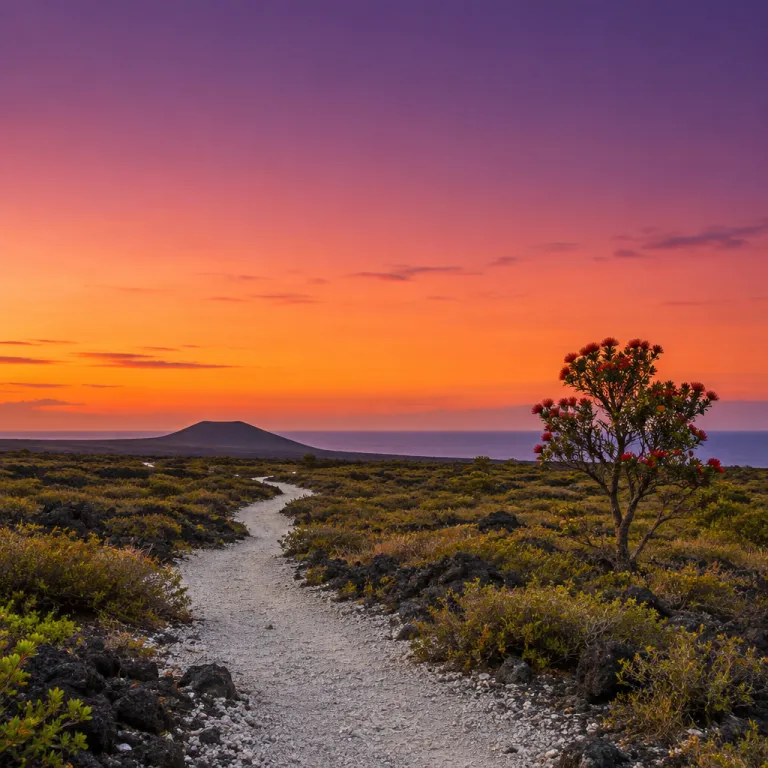
White Road hike on Hawaiʻi Island for refined island hoppers
The White Road hike in Hawaiʻi offers a rare blend of adventure and serenity for island hopping travelers. This road hike runs inland from Waimea on the Big Island and follows historic irrigation infrastructure above Waipiʻo Valley. The trail feels secretive yet dramatic, with water, forest, and valley views unfolding in quick succession.
As you follow the old white road alignment, you walk through working pastureland and into the edge of the Kohala Forest Reserve. The route traces an engineering corridor where an irrigation ditch and a large water pipe once carried precious water from the Kohala mountains toward the drier coast. Every section of the trail reminds you that this part of Hawaiʻi is shaped by both rugged nature and human effort to tame it.
Island hopping guests often ask whether the White Road hike in Hawaiʻi is suitable between beach days on another island. The answer is yes, provided you respect that much of the road white corridor crosses private property and active ranch land. You must treat the hike as a privilege, move quietly, and leave no trace while enjoying one of the most atmospheric valley trail experiences on the Big Island.
Route overview, access, and the reality of private property
The classic White Road hike in Hawaiʻi begins near Waimea and gradually approaches the rim above Waipiʻo Valley. Historically, hikers followed the road to a viewpoint over Waipiʻo Valley and then continued along the irrigation ditch toward the famous water slide section. Today, access rules have tightened because the road, the ditch, and the irrigation tunnel lie on private property managed for water supply and ranching.
Anyone planning a road hike here must understand that landowners can restrict entry at any time and that trespassing on private property in Hawaiʻi carries legal and cultural consequences. Local residents emphasize that the white road corridor is not a public park but a working landscape where the irrigation ditch and water pipe remain critical infrastructure. Before you plan to hike Hawaiʻi trails in this area, speak with outfitters in Waimea and check current guidance from Hawaiʻi County and the State of Hawaiʻi Forest Reserve managers.
Island hopping walkers who love maritime heritage trails in Europe often compare this experience with coastal routes such as the lighthouse paths described in guides to lighthouse trails and old harbors. The difference here is that the White Road hike in Hawaiʻi crosses a living agricultural corridor rather than a preserved heritage promenade. Respect gates, follow any posted signs, and remember that your presence on the trail will always depend on the goodwill of the landowners who manage this valley trail environment.
Inside the Kohala Forest Reserve and irrigation history
Beyond the ranch lands, the White Road hike in Hawaiʻi brushes the lower edge of the Kohala Forest Reserve. Here the trail narrows, the forest thickens, and the sound of water grows louder as you approach the historic irrigation ditch. This Kohala ditch system once captured rainfall from the Kohala Forest and carried it through an irrigation tunnel network toward drier fields, transforming agriculture on the Big Island.
Walking this section, you follow the contour of the valley wall where the irrigation ditch clings to steep slopes above Waipiʻo Valley. In places, the path squeezes between the forest and the water pipe, creating a balcony like road hike experience with dramatic drops on one side. The combination of dense Kohala Forest, rushing water, and glimpses of the ocean far beyond reminds many island hopping hikers of elevated coastal routes such as the wild ridge paths described in guides to elevated Isle of Skye hikes.
Because this is still an active water supply corridor, you must treat every irrigation tunnel, ditch, and water pipe as critical infrastructure rather than as a playground. Do not tamper with valves, avoid walking directly on the irrigation ditch walls, and never block the flow of water. If you hike Hawaiʻi routes like this one, you carry a responsibility to leave no trace and to ensure that your presence does not compromise the forest reserve or the communities that depend on this water.
The legendary water slide, tunnels, and safety realities
The most talked about feature of the White Road hike in Hawaiʻi is the so called water slide section. Here, water once rushed down a smooth concrete chute beside the irrigation ditch, and some hikers treated it as a natural style water slide. This part of the trail sits deep in the Kohala Forest, near an irrigation tunnel entrance where the ditch disappears into the cliff.
While the idea of a road waterslide hidden in a remote valley sounds tempting, you must approach this feature with caution and respect. The water slide, the irrigation tunnel, and the surrounding structures lie on private property and were engineered for water management, not recreation. Flow rates can change quickly after rain in the Kohala Forest Reserve, and the confined tunnel environment raises real risks that differ from open coastal hikes such as the exposed Crouching Lion trail on Oʻahu.
Island hopping visitors sometimes imagine combining a White Road hike in Hawaiʻi with other dramatic routes like the so called stairway to heaven or the Crouching Lion ridge, creating a portfolio of iconic hikes. In practice, each of these trails involves different landowners, regulations, and safety profiles, and you must treat them individually. Never enter an irrigation tunnel without explicit permission, avoid sliding on any water slide structure, and remember that your goal is to hike Hawaiʻi landscapes responsibly rather than to chase social media images.
Planning your island hopping itinerary around the White Road hike
For travelers who are island hopping across Hawaiʻi, the White Road hike fits naturally into a Big Island itinerary centered on Waimea and the Kohala coast. You might spend one day exploring the green uplands and the next day relaxing by the sea, much as you would balance coastal elegance and inland walks on other islands. Resources that describe refined coastal experiences, such as guides to elegant ways to enjoy an oceanfront island, can inspire how you structure your time here.
Build flexibility into your schedule because access to the White Road hike in Hawaiʻi can change if landowners adjust their policies or if heavy rain affects the irrigation ditch and valley trail. Have alternative hiking options ready, such as legal routes in the Kohala Forest Reserve or coastal paths near Pololū Valley, so that your island hopping plans do not depend on a single road hike. When you follow this approach, you can still experience the essence of the white road landscape even if you must remain on officially sanctioned trails.
Your personal packing list for this part of the Big Island should reflect both wet forest and open pasture conditions. Include lightweight waterproof layers, grippy footwear suitable for muddy hiking, and a headlamp if you expect to pass near any tunnel sections, even if you do not enter them. Add extra drinking water, a printed map that shows the irrigation ditch corridor, and a small notebook to record landowner contact details or any updated guidance you receive before you hike Hawaiʻi trails in this region.
Ethics, culture, and leave no trace on the Big Island
Walking the White Road hike in Hawaiʻi is not only a physical trail experience but also a cultural encounter. The road, the irrigation ditch, and the water pipe represent generations of work by local communities who shaped this valley to support agriculture and settlement. When you follow the white road corridor, you step into a living story that extends far beyond a single hike.
Respect for private property is central to that story, especially on the Big Island where ranching and water management remain vital. Always seek current information from local guides, visitor centers, or landowners before approaching the irrigation tunnel or any water slide structure. If you are asked to stay off a particular section of road white pavement or to avoid a valley trail spur, accept that guidance gracefully and adjust your hiking plans.
Ethical hiking here also means applying strict leave no trace principles in the Kohala Forest and the Waipiʻo Valley watershed. Pack out all rubbish, avoid stepping on fragile ditch walls, and never divert water for personal use, even briefly. By treating the White Road hike in Hawaiʻi with the same care you would give to iconic routes such as the Crouching Lion ridge or the stairway to heaven, you help ensure that this forest reserve landscape remains viable for both residents and future island hopping visitors.
Alternatives and complementary hikes for island hopping walkers
Because access to the White Road hike in Hawaiʻi can change, it is wise to identify complementary trails across the islands. On the Big Island, legal routes in the Kohala Forest Reserve and along the rim of Waipiʻo Valley offer similar views of deep valleys, forested ridges, and historic water management features. These alternatives allow you to follow safe, sanctioned paths while still appreciating the role of irrigation ditches and tunnels in shaping Hawaiʻi agriculture.
On Oʻahu, hikers often pair a trip to the Crouching Lion area with other coastal ridge walks, creating a varied island hopping portfolio that balances challenge and safety. While the so called stairway to heaven remains closed, legal nearby trails still provide dramatic views without trespassing on private property or restricted infrastructure. Treat each hike Hawaiʻi offers as a distinct experience, and resist the temptation to force every trail into the same extreme adventure template.
As you refine your packing list for a multi island journey, think in terms of systems rather than single use items. Choose footwear that can handle wet forest, rough road surfaces, and occasional stream crossings near irrigation ditch corridors. Carry a compact emergency kit, extra water capacity, and a lightweight layer suitable for both the cool uplands above Waipiʻo Valley and the warmer coastal zones that define so much of Hawaiʻi island hopping life.
Key figures for White Road style hiking in Hawaiʻi
- According to the Hawaiʻi Tourism Authority, the Big Island receives roughly 1.7 million visitors annually, yet only a fraction venture onto upland trails such as those near Waimea, which helps keep routes like the White Road hike relatively quiet compared with coastal viewpoints.
- Waipiʻo Valley’s cliffs rise to more than 600 meters above sea level, which explains why irrigation ditch systems and tunnels were engineered along the valley walls rather than at the valley floor, where access is far more difficult.
- The Kohala Forest Reserve covers more than 14 000 hectares, and its high rainfall zones can receive over 6 000 millimeters of water per year, making controlled irrigation infrastructure essential for downstream agriculture.
- Leave No Trace research indicates that concentrated foot traffic can increase trail erosion rates by up to 300 percent on steep, wet slopes, which is why limiting access on sensitive routes such as the White Road hike in Hawaiʻi can be an effective conservation measure.
- Studies from the University of Hawaiʻi have shown that invasive species spread along unmanaged trail corridors at significantly higher rates than in undisturbed forest, reinforcing the need for hikers to stay on designated paths and to clean footwear between island hopping destinations.
FAQ about the White Road hike in Hawaiʻi for island hoppers
Is the White Road hike on the Big Island currently open to the public ?
Access to the White Road hike in Hawaiʻi changes over time because much of the route crosses private property and active water infrastructure. Before planning your trip, contact visitor centers in Waimea or reputable local guides to confirm the latest situation. Never enter gated areas, irrigation tunnels, or water slide structures without explicit permission from the landowners.
How difficult is the White Road hike compared with other Hawaiʻi trails ?
The White Road hike is generally moderate in distance and elevation but can feel exposed in places where the trail follows the irrigation ditch along steep valley walls. Mud, slippery concrete, and narrow sections near the water pipe demand careful footing. If you are comfortable on uneven ground and have experience with similar valley trail routes, you will likely find the difficulty manageable in dry conditions.
What should I include in my packing list for this hike ?
For the White Road hike in Hawaiʻi, bring sturdy footwear with good grip, at least two liters of water per person, and a lightweight waterproof layer for sudden showers in the Kohala Forest Reserve. A headlamp is useful if you pass near tunnel entrances, even if you do not enter them, and trekking poles can help on slippery road sections. Always carry a small first aid kit, sun protection, and a printed map that shows the irrigation ditch corridor and nearby exit points.
Can I swim or use the water slide features along the route ?
Swimming in irrigation ditches or using any water slide structure along the White Road hike in Hawaiʻi is strongly discouraged and often prohibited. These features are part of an active water supply system, and sudden changes in flow can create dangerous conditions. Treat all water infrastructure as off limits for recreation and focus instead on the hiking experience and the surrounding forest and valley scenery.
How does this hike fit into a wider island hopping itinerary ?
The White Road hike works well as a single day inland excursion during a multi day stay on the Big Island, paired with coastal time on the Kohala or Hilo sides. From there, you can continue island hopping to Oʻahu, Maui, or Kauaʻi, choosing legal ridge and valley trails that match your experience level. Always check local regulations for each hike Hawaiʻi offers, because access rules, safety considerations, and cultural sensitivities vary from island to island.