Why Ponce belongs on any cultural island hopping itinerary
Ponce sits on the southern coast of Puerto Rico and offers a refined counterpoint to the capital. The city rewards travelers who want more than beaches, with things to see in Ponce Puerto Rico that connect colonial plazas, Taíno heritage, and offshore islands in a single elegant arc. For anyone planning an island hopping trip through the Caribbean, Ponce Puerto and its surroundings provide some of the best things to experience in a compact, walkable urban core.
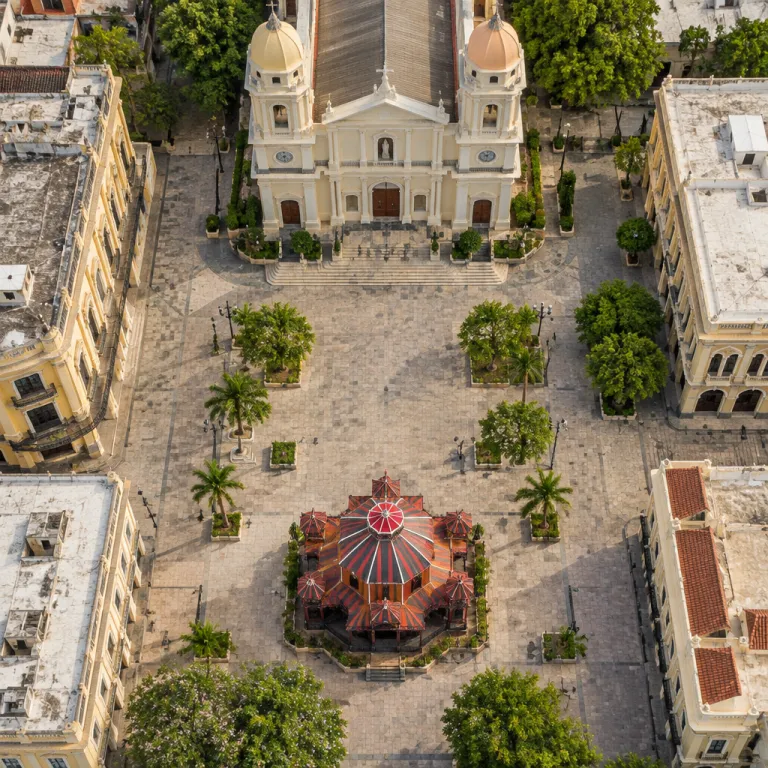
The heart of the city is Plaza Las Delicias, a gracious plaza framed by the cathedral and ornate façades. This central plaza anchors downtown Ponce, and many of the most emblematic attractions sit within a few minutes’ walk, making it ideal for a slow day of cultural travel between museums, cafés, and shaded benches. Around the plaza you will find plenty of Puerto Rican coffee shops, family owned bakeries, and small galleries that make a simple visit feel like an immersion into local daily life.
One side of Plaza Las Delicias is dominated by Parque de Bombas, often called Parque Bombas by locals. This red and black former fire station is now an iconic firehouse museum and one of the essential things to see in Ponce Puerto Rico for architecture and history lovers. The building’s theatrical façade has become a symbol of the city, and stepping inside offers a compact but vivid look at how this southern coast community has faced fires, hurricanes, and change over more than a century.
Island hopping travelers often rush between ports, but Ponce invites a different rhythm. Spend at least one full day in the city before sailing to the offshore island of Caja de Muertos, and you will understand why many Puerto Rican families return here for weekends. When you visit Ponce as part of a wider Puerto Rico trip, the contrast between this refined southern city and energetic San Juan on the northern coast deepens your sense of the island’s cultural range.
Plaza Las Delicias, Parque de Bombas, and the soul of downtown Ponce
Start any visit in Plaza Las Delicias, because this plaza concentrates the city’s history in a single elegant square. On one side stands the cathedral, while on another the striped façade of Parque de Bombas pulls every camera lens, and in between, fountains and palms create a stage for daily Puerto Rican life. Sit with a cup of strong local coffee and you will see families, students, and elderly couples using the plaza as their shared living room.
Parque de Bombas, known simply as Parque Bombas in many guidebooks, is more than a photogenic backdrop. Inside this small museum, interpretive panels explain how volunteer brigades once protected Ponce Puerto from devastating fires, and how the building later became a cultural landmark. One frequently asked question from visitors is answered clearly on site : “What is Parque de Bombas? – Historic fire station museum in Plaza Las Delicias”.
From the plaza, stroll along the surrounding streets of downtown, where pastel façades and wrought iron balconies recall the era of Juan Ponce de León and later sugar fortunes. This compact city center is easy to explore on foot in a half day, yet there are plenty of small attractions to justify lingering, from artisan shops to cafés serving traditional Puerto Rican pastries. For island hopping travelers used to quick port calls, this slow exploration of downtown Ponce offers a welcome change of pace.
Culture focused travelers can enrich their broader island journeys by pairing Ponce with other historic ports and wine islands, such as those described in this refined guide to a Mediterranean grape harvest by the sea. In both regions, plazas function as open air salons where conversations stretch late into the evening. When you plan your trip, allow time to see Plaza Las Delicias at different hours of the day, from quiet early mornings to lively nights when music drifts across the square.
Art, architecture, and the elevated heritage of Serrallés
Beyond the plaza, some of the most sophisticated things to see in Ponce Puerto Rico revolve around art and architecture. Museo de Arte de Ponce, often called Museo Arte de Ponce in local shorthand, has long been one of the leading art museums in the Caribbean, with a collection that spans European masters and Puerto Rican artists. At present, the main building is under reconstruction, and official information notes : “Is Museo de Arte de Ponce open? – Partially; main building closed for reconstruction until ~2028”.
Even while the primary galleries remain closed, art lovers should still include arte Ponce in their planning, checking for satellite exhibitions and educational programs hosted elsewhere in the city. These smaller shows often highlight Puerto Rican painters and sculptors, offering a more intimate perspective than the grand permanent collection. For island hopping travelers who have already toured major museums in San Juan, these focused exhibitions in Ponce provide a complementary, southern coast viewpoint on Caribbean creativity.
High above downtown rises Castillo Serrallés, the former hilltop residence of the Serrallés rum and sugar family. This elegant mansion, often written as castillo Serralles in older brochures, now functions as a museum that explains how sugarcane and rum shaped both Ponce and the wider Puerto Rico economy. The terraces offer sweeping views over the city, the port, and on clear days even the outline of the island of Caja de Muertos offshore.
Many visitors consider Castillo Serrallés one of the best things to see in Ponce Puerto Rico, especially when combined with a late afternoon stroll through the gardens. If your island hopping route includes other culturally rich archipelagos, you may appreciate how this site echoes the grand houses featured in this refined itinerary for Greece in 10 days. In both destinations, architecture, landscape, and family history intertwine, turning a simple visit into a layered narrative about trade, power, and art.
Taíno heritage at Tibes Indigenous Ceremonial Center
One of the most profound attractions near Ponce lies not on the waterfront but inland, at the Tibes Indigenous Ceremonial Center. Often referred to locally as Centro Ceremonial Indígena Tibes or simply Indígena Tibes, this archaeological site preserves a complex of ceremonial plazas used by pre Columbian Taíno and earlier cultures. For island hopping travelers who want to understand Puerto Rico beyond its colonial era, Tibes offers essential context.
The site features multiple stone lined plazas, ball courts, and a small museum displaying artifacts uncovered during excavations. Guides explain how this centro ceremonial functioned as both a religious and social hub, linking communities across the southern coast and interior valleys. Walking the grounds, you follow gentle paths rather than strenuous hiking trails, but the sense of stepping into a different layer of the island’s history is powerful.
Many visitors pair Tibes with a later stop at Castillo Serrallés to trace a long arc from Indigenous ceremonial life to the era of sugar and rum. This combination makes an excellent day trip from the city, especially for family groups with older children interested in archaeology and culture. When you visit Ponce with a wider Puerto Rican island hopping plan in mind, Tibes helps you compare Indigenous sites across the region, from similar plazas in other Caribbean islands to ceremonial spaces in mainland Latin America.
Because Tibes sits inland, it also offers a different landscape from the beaches and the Guancha waterfront. The air feels cooler under the trees, and bird calls replace the sound of waves, creating a quiet counterpoint to the lively city plazas. For travelers used to hopping between coastal ports, this inland ceremonial Indígena site adds a welcome layer of ecological and cultural variety to a Puerto Rico itinerary.
La Guancha, Caja de Muertos, and coastal pleasures on the southern coast
No list of things to see in Ponce Puerto Rico would be complete without the waterfront. La Guancha, often called the Guancha boardwalk, has long been the city’s social balcony over the sea, with kiosks, music, and views across the bay. At present, parts of the original boardwalk are under repair, but a lively Food Park continues to operate, ensuring there is still plenty of sabor rumba, street food, and family friendly atmosphere.
From La Guancha, your gaze naturally drifts toward the low silhouette of Caja de Muertos, a small island nature reserve offshore. Reaching Caja de Muertos currently requires a private boat, as public ferries are not operating, so planning is essential for this part of your trip. Once there, you will find a protected beach, a historic lighthouse, and signed hiking trails that climb to viewpoints with wide panoramas over the Rico southern coastline.
For island hopping enthusiasts, Caja de Muertos offers a compact microcosm of what makes Puerto Rico special. You can swim from a white sand beach in the morning, follow hiking trails past dry forest vegetation at midday, and stand by the lighthouse in late afternoon watching the city of Ponce shimmer on the horizon. This combination of easy adventure and cultural backdrop makes the island one of the best things to include in a southern coast itinerary.
Back on the mainland, many travelers end their day at La Guancha with fresh seafood and cold drinks while local bands play. The atmosphere feels distinctly Puerto Rican, more relaxed than San Juan yet just as proud of its musical heritage. If your broader island hopping route includes scenic rail journeys, you may appreciate how this waterfront pause echoes the contemplative moments described in this article on an elegant route into Scotland’s wild island heart, where travel becomes as much about mood as movement.
Coffee, rum, and refined evenings in Ponce
Beyond museums and plazas, some of the most memorable things to see in Ponce Puerto Rico unfold in cafés, bars, and quiet streets after dark. The city has a long relationship with coffee, thanks to nearby highland plantations such as Hacienda Buena Vista, and you will find excellent espresso and pour over options in downtown. Sipping a carefully prepared cup on a shaded terrace connects your visit to the agricultural hinterland that has sustained Ponce Puerto for generations.
Rum is the other great liquid thread running through the city’s history, embodied in the legacy of the Serrallés family and their distilling empire. While production now takes place elsewhere, Castillo Serrallés and various tasting rooms in town allow visitors to explore how sugarcane, molasses, and barrel aging shaped both local fortunes and Puerto Rico’s global reputation. Pairing a rum tasting with a late evening walk through Plaza Las Delicias offers a sophisticated way to end a day of cultural travel.
Nightlife in Ponce is more measured than in San Juan, but there is still plenty of sabor rumba in select venues. Live music bars and small clubs host salsa, bolero, and contemporary Puerto Rican sounds, often attracting a mixed crowd of students, professionals, and visiting families. For island hopping travelers who may be tired of overtly touristy strips in other ports, these intimate spaces feel refreshingly authentic.
Food in the city leans toward traditional Puerto Rican dishes, with seafood reflecting the southern coast location. Many restaurants are family run, and staff are usually happy to suggest their own best things to eat, from mofongo with shrimp to slow cooked pork. When you plan your trip, consider structuring at least one full day around meals and tastings, using cafés, rum bars, and dessert stops as your informal route through downtown Ponce.
Practical planning for integrating Ponce into an island hopping route
From a logistical perspective, Ponce sits about 110 kilometers from San Juan, a distance that usually translates into a drive of around ninety minutes across the island. Many travelers arrive by rental car from the capital, combining both cities in a single Puerto Rico itinerary that balances northern and southern coast experiences. Others include Ponce as a stop between island hopping segments, using the city as a cultural pause between more remote beaches.
When you visit Ponce, aim for at least two full days in the city and nearby attractions. One day can focus on Plaza Las Delicias, Parque de Bombas, downtown streets, and perhaps a visit to Castillo Serrallés in the late afternoon, while the second day can be dedicated to Tibes Indigenous Ceremonial Center or a boat trip to Caja de Muertos. Families may wish to add an extra day for slower pacing, especially if including both hiking trails on the island and museum visits in town.
Accommodation options range from historic guesthouses in the city center to modern properties closer to La Guancha and the port. For island hopping travelers, staying downtown usually makes the most sense, because you can walk to the main attractions, cafés, and evening venues without relying on taxis. Whatever you choose, book early during peak travel periods, as Ponce hosts festivals and events that quickly fill rooms across the city.
Finally, remember that the best things to see in Ponce Puerto Rico often depend on current conditions. Before your trip, check the latest updates on Museo de Arte de Ponce’s partial reopening status, La Guancha’s ongoing repairs, and boat availability for Caja de Muertos. With thoughtful planning, you can weave Ponce, Puerto Rico into a broader island hopping journey that feels both culturally rich and elegantly paced, linking plazas, islands, and ceremonial sites into one coherent narrative.
Key figures for planning a cultural stay in Ponce
- The distance between San Juan and Ponce is approximately 110 kilometers by road, which usually means about ninety minutes of driving across Puerto Rico’s interior (Puerto Rico Playbook).
- Ponce lies on the island’s southern coast, giving it a drier and sunnier climate than the northern side, which many travelers find ideal for combining city visits with nearby beach time.
- Museo de Arte de Ponce’s main building is expected to remain under reconstruction until around 2028, so visitors should plan on partial access and satellite exhibitions rather than full gallery visits (Puerto Rico Playbook).
- Caja de Muertos can currently be reached only by private boat, which makes advance booking essential for travelers who want to include this island’s beach and hiking trails in a short stay.
- The historic core around Plaza Las Delicias is compact enough to explore on foot in half a day, but most cultural travelers report needing at least two days to experience the main attractions at a comfortable pace.
FAQ about things to see in Ponce, Puerto Rico
Is Museo de Arte de Ponce open to visitors now ?
Museo de Arte de Ponce is partially open, with the main building closed for reconstruction and some collections presented through temporary or satellite exhibitions. Official information currently states : “Is Museo de Arte de Ponce open? – Partially; main building closed for reconstruction until ~2028”. Travelers interested in arte Ponce should check the museum’s channels shortly before their visit for the latest details.
How can I reach Caja de Muertos from Ponce ?
At present, Caja de Muertos is accessible only by private boat from the Ponce area, as regular public ferries are not operating. Visitors usually arrange a charter or organized excursion that includes transport, time on the beach, and access to the hiking trails leading to the lighthouse. Because capacity is limited, it is wise to secure your place several days before your planned day trip.
What is Parque de Bombas and why is it important ?
Parque de Bombas is a historic red and black fire station located on Plaza Las Delicias in downtown Ponce. It now functions as a small museum explaining the history of firefighting in the city and has become one of the most photographed attractions in southern Puerto Rico. Its striking architecture and central location make it an essential stop for anyone interested in the best things to see in Ponce Puerto Rico.
Is Ponce a good base for family travel on the southern coast ?
Ponce works very well for family travel, because many key attractions are close together and easy to reach on foot or with short drives. Children often enjoy Parque de Bombas, the open spaces of Plaza Las Delicias, and the relaxed atmosphere at La Guancha’s Food Park. For older children and teenagers, Tibes Indigenous Ceremonial Center and a boat trip to Caja de Muertos add educational and adventurous elements to a family itinerary.
How many days should I plan in Ponce during an island hopping trip ?
Most culturally focused travelers should plan at least two full days in Ponce, with a third day ideal if including Caja de Muertos or multiple museums. One day can be devoted to downtown, Plaza Las Delicias, Parque de Bombas, and Castillo Serrallés, while another focuses on Tibes Indigenous Ceremonial Center or coastal experiences at La Guancha. This pacing allows you to integrate Ponce smoothly into a broader Puerto Rico island hopping route without feeling rushed.