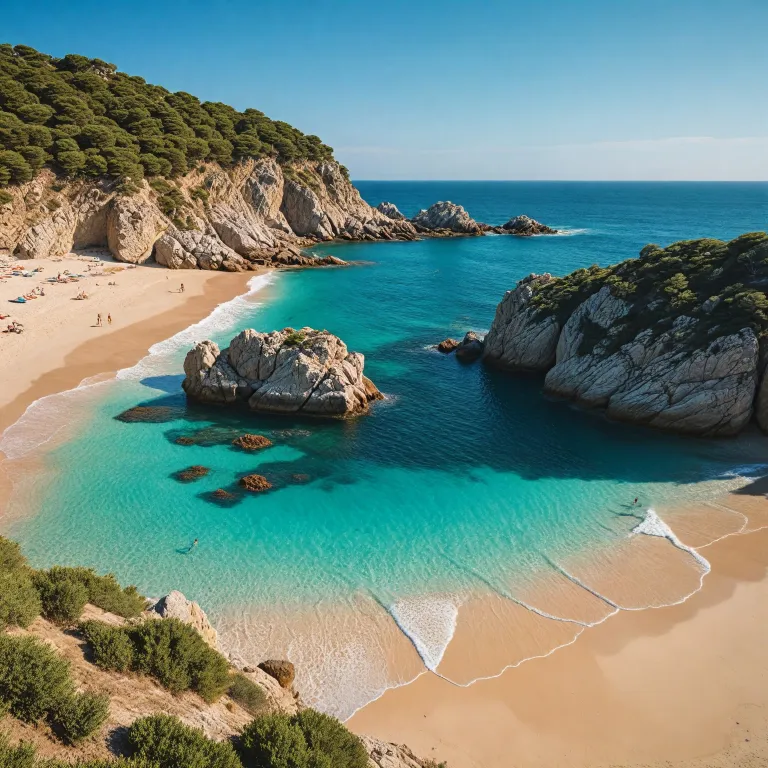
Exploring the southern coast: white sand and turquoise water
The southern coast of Corsica is renowned for its beautiful beaches, where white sand meets crystal clear water. Santa Giulia and Palombaggia are often cited among the best beaches in Corsica, offering long stretches of fine sand and shallow sea ideal for families. The area around Porto Vecchio boasts a collection of beaches Corsica is famous for, including the iconic cala rossa, where the sand glows under the Mediterranean sun and the rocks create natural pools.
Access to these beaches is straightforward by car, with well-marked roads and ample car park options, though parking can become crowded during peak season. Arriving early ensures a spot close to the sand, and the proximity to Porto Vecchio means amenities are never far away. Water sports enthusiasts will find plenty of opportunities, from paddleboarding to snorkeling, thanks to the calm, clear water that defines these southern shores.
For those seeking a quieter experience, grand sperone near Bonifacio offers a more secluded setting. The walk from the car park is rewarded by a pristine plage, where the sand is soft and the sea shimmers in shades of blue. The beaches south of Porto Vecchio are not only beautiful but also diverse, with each cove and bay offering a unique atmosphere and landscape. Whether you prefer lively stretches with sun loungers or hidden coves framed by rocks, the south coast delivers some of the best beaches Corsica has to offer.
Bonifacio and the wild beauty of the southern tip
Bonifacio stands as a dramatic gateway to some of the most beautiful beaches in Corsica, perched atop limestone cliffs overlooking the sea. The coastline here is rugged, with beaches like grand sperone and petit sperone accessible only by foot or boat, ensuring a sense of exclusivity. The sand at these plages is powdery white, and the water is renowned for its clarity, making it a favorite for swimming and snorkeling.
Parking near Bonifacio’s beaches can be limited, especially in summer, so planning ahead is essential. The road to these coves winds through maquis and offers panoramic views of the coast, adding to the sense of adventure. For those interested in water sports, the area around Bonifacio provides excellent conditions for windsurfing and kayaking, with equipment rentals available near the main car parks.
Visitors often remark on the contrast between the bustling town and the tranquil beaches south of Bonifacio. The rocks that line the shore create natural pools, perfect for families with children. For a comprehensive guide to the region’s best beaches, including tips on parking and access, consult the Corsica travel guide. The blend of wild scenery and accessible amenities makes Bonifacio a highlight for any trip Corsica offers.
Porto Vecchio: a haven for beach lovers
Porto Vecchio is synonymous with some of the best beaches in Corsica, drawing visitors with its combination of fine sand, shallow water, and vibrant atmosphere. Santa Giulia plage is particularly popular, with its long stretch of white sand and crystal clear sea, ideal for both relaxation and water sports. The area is well-served by car parks, though the most beautiful beaches can become crowded in high season.
Cala rossa is another gem, nestled among pine trees and red rocks, offering a more intimate setting. The water here is exceptionally clear, making it a favorite for snorkeling and paddleboarding. Many beaches in Porto Vecchio provide sun loungers and beachside cafes, ensuring comfort throughout the day.
For those seeking adventure, the coastline north and south of Porto Vecchio is dotted with hidden coves and less-traveled paths. Renting a car is the best way to explore these diverse beaches Corsica is known for. For more inspiration on planning your trip Corsica style, see this detailed Corsica itinerary. The Porto Vecchio region truly encapsulates the spirit of Corsica beaches, blending natural beauty with modern convenience.
North Corsica: from Saint Florent to ile rousse
North Corsica offers a different perspective on the island’s coastal charm, with beaches ranging from the wild to the refined. Saint Florent is often called the “Saint-Tropez of Corsica,” yet its beaches retain a laid-back atmosphere. Plage de Saleccia and Lotu are among the best beaches in Corsica, accessible by boat or via a rugged road suitable for adventurous drivers.
The sand at Saleccia is dazzlingly white, and the water is crystal clear, creating a Caribbean-like setting. These beaches are less crowded than those in the south, especially outside peak season, and offer a sense of untouched beauty. Parking can be challenging, so many visitors opt for boat transfers from Saint Florent’s port.
Ile rousse, further north, is known for its beautiful beaches and dramatic coastline. The rocks that frame the beaches provide excellent spots for sunbathing and exploring tidal pools. For those interested in water sports, the area offers windsurfing, kayaking, and snorkeling. The north coast’s diversity ensures that every trip Corsica inspires new discoveries, from lively towns to tranquil coves.
Practical tips for enjoying Corsica’s best beaches
Planning a trip to the best beaches in Corsica requires attention to detail, especially during the busy summer months. Arriving early is recommended to secure parking and a prime spot on the sand, as many car parks fill quickly. The roads leading to popular beaches like Santa Giulia, Palombaggia, and cala rossa are well maintained, but traffic can be heavy during peak times.
Beachgoers should bring essentials such as umbrellas, towels, and snorkeling gear, as well as cash for beachside cafes that may not accept cards. Sun loungers are available for rent at many of the larger beaches, providing comfort for a long day by the sea. Water sports are widely available, with rental shops offering equipment for paddleboarding, kayaking, and more.
Respect for the environment is crucial; follow local regulations, use designated car parks, and avoid leaving litter. As environmental organizations advocate, preserving the natural beauty of Corsica plage ensures these beautiful beaches remain pristine for future generations. Checking real-time beach conditions via mobile apps can help avoid crowded spots and enhance your experience of the best beaches Corsica has to offer.
Hidden gems and off-the-beaten-path beaches
While the famous beaches of south Corsica attract many visitors, the island is dotted with lesser-known coves and secluded stretches of sand. Ostriconi and Nonza, for example, offer a wilder experience, with dramatic rocks and fewer crowds. These beaches are often accessed by winding roads, and parking may be limited, but the reward is a peaceful escape from the busier plages.
Exploring these hidden gems by car allows for flexibility, and many travelers combine visits to multiple beaches in a single day. The coastline between Saint Florent and ile rousse is particularly rich in beautiful beaches, each with its own character. Water sports are available even at some of the more remote spots, though facilities may be basic.
As interest in sustainable tourism grows, more visitors seek out these off-the-beaten-path beaches. The sand may be coarser, and the sea wilder, but the sense of discovery is unmatched. "The best time is during late spring (May) and early autumn (September) when the weather is pleasant, and the beaches are less crowded." This advice from local experts highlights the value of timing your visit for a more tranquil experience. Whether you seek the vibrant energy of Porto Vecchio or the solitude of a hidden cove, Corsica beaches offer something for every traveler.
Key statistics about Corsica’s beaches
- Number of beaches in Corsica: 200 beaches
- Annual tourists visiting Corsica: 3.5 million
- Average summer temperature: 27°C
Frequently asked questions about Corsica’s beaches
Are Corsica's beaches family-friendly?
Yes, many beaches like Palombaggia and Santa Giulia have shallow waters and facilities suitable for families.
Do I need to rent a car to visit Corsica's beaches?
While not mandatory, renting a car offers greater flexibility to explore various beaches, especially those less accessible by public transport.
Is snorkeling good in Corsica?
Absolutely, Corsica offers excellent snorkeling opportunities, especially in clear waters around beaches like Palombaggia and Rondinara.