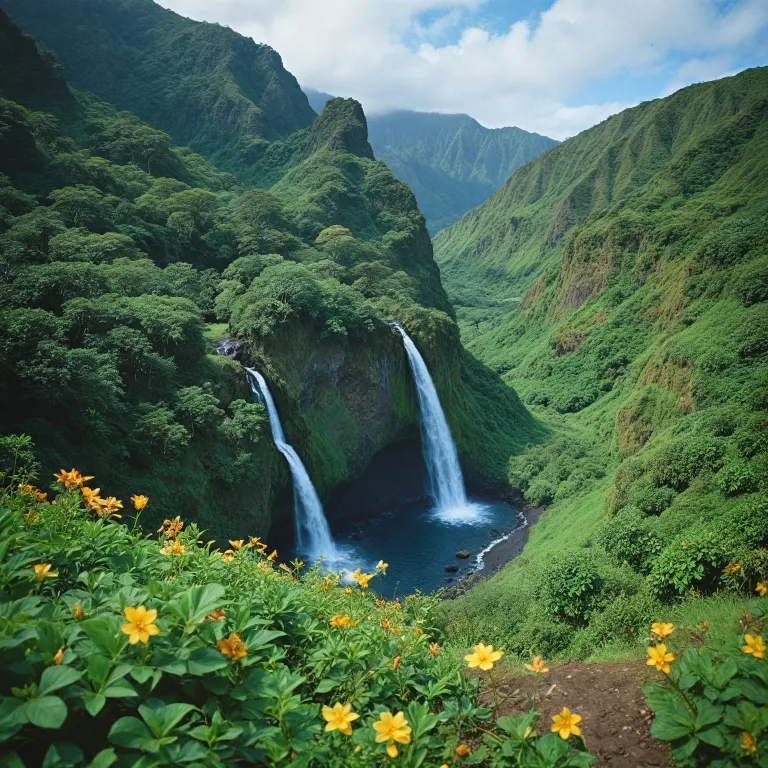
Planning your road to Hana trip: essentials for a seamless adventure
Embarking on the road to Hana trip is a unique experience that immerses travelers in the lush beauty and cultural richness of east Maui. The journey along the Hana highway is renowned for its winding road, dramatic mile markers, and countless opportunities to pause and appreciate the island’s natural wonders. To make the most of your day, start early to maximize daylight and avoid the crowds that gather at popular stops and state parks. The fullsize view of Maui’s coastline unfolds gradually, with each mile marker revealing new vistas, waterfalls, and black sand beaches that make the road trip unforgettable.
Preparation is key for a successful Hana itinerary. Ensure your vehicle is in excellent condition, with a full tank of petrol, as fuel stations are scarce along the Hana road. Download offline maps and guides, as cell service is limited, and bring snacks, water, and a first-aid kit for comfort and safety. Wear comfortable clothing and sturdy footwear, especially if you plan to explore trails or visit state wayside parks. Respect local customs, heed 'Kapu' signs, and avoid driving back in the dark due to the narrow, winding road and one-lane bridges.
For families with young kids, the road to Hana trip offers a variety of stops suitable for all ages. Many state parks and trails are accessible, and the allure of black sand beaches and cascading falls will captivate children and adults alike. Guided Hana tours are available for those who prefer not to drive, offering expert insights and eliminating the stress of navigating the Hana highway. Whether you choose a self-drive or a guided experience, the road to Hana promises a day filled with breathtaking views, memorable stops, and the best of Maui’s natural beauty.
Must-see stops and mile markers along the Hana highway
The road to Hana is dotted with iconic stops, each marked by a mile marker that signals a new adventure. Wai’anapanapa State Park, famous for its black sand beach, is a highlight not to be missed. Reservations are required for entry, so plan ahead to secure your spot at this stunning state park. The contrast of the black sand against the turquoise waters creates a fullsize view that is both dramatic and serene, making it a favorite stop for photographers and nature lovers alike.
Other essential stops include the cascading Twin Falls near mile marker 2, the lush Garden of Eden Arboretum, and the picturesque Ke’anae Peninsula, where you can sample fresh banana bread from local stands. Each stop along the Hana road offers a unique perspective on Maui’s diverse ecosystems, from rainforests and waterfalls to rugged coastlines and tranquil beaches. The journey is as much about the drive as it is about the destinations, with each mile revealing new sights and experiences.
For those seeking more adventure, the Pipiwai Trail near the end of the road to Hana leads to the majestic Waimoku Falls, a 120-meter cascade surrounded by bamboo forests. The trail is well-maintained and suitable for most fitness levels, offering a rewarding hike with spectacular views. Don’t forget to sample local treats like banana bread and coconut ice cream at roadside stands, which provide a delicious break during your trip. For more detailed guidance on planning your stops, explore our comprehensive Hana highway guide.
Experiencing the best of Maui’s waterfalls and trails
Maui’s east coast is renowned for its abundance of waterfalls, many of which are easily accessible from the road to Hana. The journey is punctuated by numerous falls, each offering a unique opportunity to pause and appreciate the island’s natural splendor. Twin Falls, located near the beginning of the drive, is a popular spot for a refreshing dip and a short hike. As you continue along the Hana road, you’ll encounter countless other cascades, each framed by lush vegetation and dramatic cliffs.
The Pipiwai Trail, located within Haleakalā National Park, is a must for those seeking a more immersive experience. This well-marked trail winds through bamboo forests and past ancient banyan trees, culminating at the breathtaking Waimoku Falls. The hike is approximately 6.5 kilometers round trip and offers a fullsize view of Maui’s diverse flora and fauna. Along the way, interpretive signs provide insights into the region’s ecological and cultural significance, enhancing your appreciation for the landscape.
For travelers with young kids, many of the shorter trails and roadside waterfalls are accessible and safe, making the road to Hana trip an ideal family adventure. Remember to bring sturdy shoes, as some trails can be muddy or slippery after rain. For those interested in guided experiences, several Hana tours offer expert-led hikes and nature walks, providing in-depth knowledge of the area’s history and ecology. For more inspiration on Maui’s best trails, visit our Maui hiking trails resource.
Exploring Hana town and its cultural treasures
Arriving in Hana marks a significant milestone on your road to Hana trip. This tranquil town, nestled on Maui’s eastern tip, offers a glimpse into the island’s rich cultural heritage and laid-back lifestyle. Hana Maui is known for its welcoming community, historic sites, and vibrant local markets, where you can sample fresh produce, handmade crafts, and traditional Hawaiian food. The town’s relaxed pace provides a welcome contrast to the winding road and bustling stops along the way.
Key attractions in Hana include the Hana Cultural Center and Museum, which showcases artifacts and exhibits detailing the region’s history and traditions. The nearby Hana Bay Beach Park is a popular spot for swimming and picnicking, with calm waters and scenic views of the coastline. For those interested in local cuisine, Hana’s food trucks and roadside stands offer everything from poke bowls to homemade ice cream, providing a taste of Maui’s culinary diversity.
Hana’s proximity to natural wonders like Wai’anapanapa State Park and the Pools of Ohe’o makes it an ideal base for further exploration. Many visitors choose to spend the night in Hana, allowing for a more relaxed pace and the opportunity to experience the town’s charm after the day-trippers have departed. Whether you’re interested in history, culture, or simply soaking up the atmosphere, Hana offers a rewarding conclusion to your road trip.
Practical tips for a safe and enjoyable road to Hana drive
Safety and preparation are paramount when undertaking the road to Hana trip. The Hana highway is famous for its 620 curves and 46 one-lane bridges, requiring attentive driving and patience. "While the Road to Hana is safe when driven cautiously, it features narrow, winding roads and one-lane bridges that require careful navigation." Always yield to oncoming traffic at bridges and be mindful of local drivers who are familiar with the road. Avoid distractions and take regular breaks at designated stops to rest and enjoy the scenery.
It’s advisable to check weather conditions before setting out, as heavy rain can cause landslides or make certain trails impassable. Bring plenty of water, snacks, and a first-aid kit, especially if traveling with young kids. Wear sunscreen and insect repellent, as many stops are exposed to the elements. Reservations are required for popular sites like Wai’anapanapa State Park, so plan ahead to avoid disappointment.
For those considering a guided tour, several reputable operators offer comprehensive Hana tours that include transportation, expert commentary, and curated stops. These tours are an excellent option for visitors who prefer not to drive or want to learn more about the region’s history and ecology. Whether you choose to self-drive or join a tour, following these tips will ensure a safe and memorable journey along the Hana road.
Sampling local flavors: food, banana bread, and ice cream along the route
No road to Hana trip is complete without indulging in the local flavors that define Maui’s culinary scene. The drive is dotted with roadside stands and food trucks offering everything from fresh fruit and coconut water to savory plate lunches and sweet treats. Banana bread is a staple along the Hana highway, with each vendor claiming to have the best recipe. Sampling different varieties at various stops is a highlight for many travelers, providing a delicious break from the drive.
In addition to banana bread, be sure to try the homemade ice cream available at several stands along the route. Flavors range from classic vanilla to tropical fruits like lilikoi and mango, offering a refreshing treat on a warm day. Many stops also feature local specialties such as poke bowls, grilled fish, and taro chips, allowing you to experience the diverse tastes of Maui.
For those with dietary restrictions, most vendors offer vegetarian and gluten-free options, ensuring that everyone can enjoy the culinary delights of the Hana road. The emphasis on fresh, locally sourced ingredients reflects Maui’s commitment to sustainable agriculture and supports the island’s farming communities. Take the time to chat with vendors and learn about their recipes and traditions, adding a personal touch to your road trip experience.
Making the most of your Hana itinerary: timing, logistics, and sustainability
Maximizing your road to Hana trip requires careful planning and consideration of timing and logistics. Early morning departures are recommended to avoid traffic and ensure ample time for stops, hikes, and relaxation at the beach. Plan for a full-day trip, as the journey can take up to 12 hours with multiple stops and detours. Factor in time for meals, rest breaks, and unexpected discoveries along the way.
Sustainability is increasingly important on the Hana highway, with travelers encouraged to minimize their environmental impact. Stick to marked trails, pack out all rubbish, and respect wildlife and local communities. The rise of guided Hana tours and the development of mobile apps for offline navigation reflect a growing emphasis on responsible tourism. By following these practices, you contribute to the preservation of Maui’s natural beauty for future generations.
For those interested in extending their stay, consider overnight accommodations in Hana or nearby areas. This allows for a more relaxed pace and the opportunity to explore lesser-known sites and trails. Whether you’re traveling solo, with family, or as part of a group, the road to Hana offers a rewarding and unforgettable adventure that showcases the best of Maui’s landscapes, culture, and hospitality.
Key statistics about the road to Hana trip
- Length of the Road to Hana: 64.4 miles (approximately 103.6 kilometers)
- Number of curves along the route: 620
- Number of one-lane bridges: 46
Frequently asked questions about the road to Hana trip
Is the Road to Hana dangerous?
While the Road to Hana is safe when driven cautiously, it features narrow, winding roads and one-lane bridges that require careful navigation.
Do I need a 4WD vehicle for the Road to Hana?
No, a standard 2WD vehicle is sufficient for the main route; however, some unpaved side roads may require 4WD.
Are reservations required for Wai’anapanapa State Park?
Yes, reservations are required and can be made through the Hawaii Department of Land and Natural Resources website.
References:
Greg Archer, Author and Travel Guide; Island Hopper Guides, Travel Guide Publisher; Hawaii Guide, Travel Information Provider.