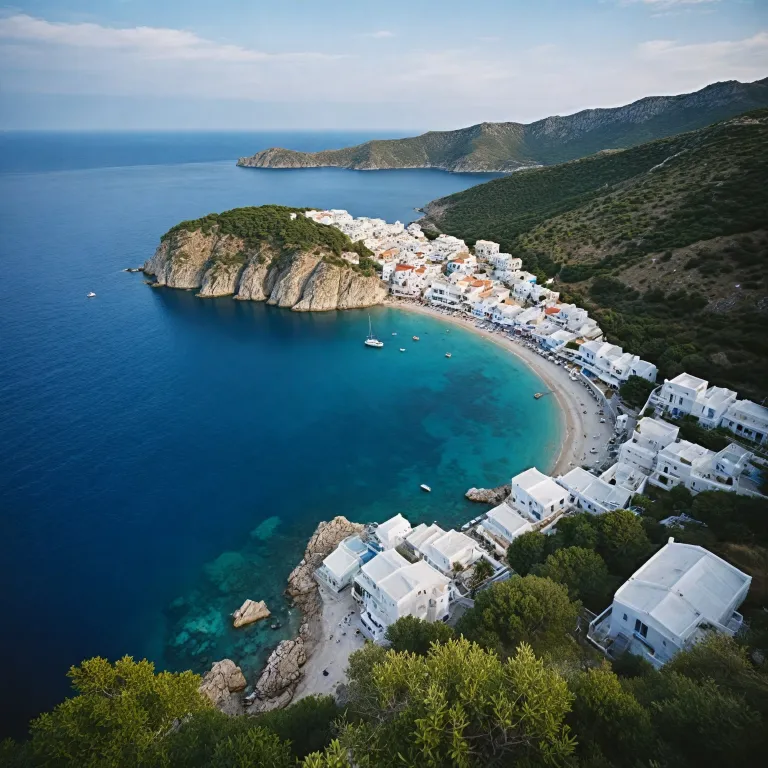
Planning the ultimate Greek island hopping itinerary
Embarking on the best island hopping routes in Greece offers travelers a unique opportunity to immerse themselves in the vibrant cultures and stunning landscapes of the Greek islands. Careful planning is essential to maximize your experience, especially when considering the vast array of islands, each with its own charm. Begin your journey in Athens, the bustling capital, where you can easily access the main ferry port of Piraeus. From here, high speed ferries connect you to iconic destinations such as Santorini, Mykonos, Paros, and Naxos, all renowned for their fantastic beaches and lively atmospheres.
When crafting your hopping itinerary, consider the travel time between islands, as some ferry journeys can take hours. For example, the route from Athens to Santorini takes approximately five hours by high speed ferry, while shorter trips between Paros and Naxos or Mykonos and Paros are ideal for day excursions. Renting a car or scooter on each island allows for greater flexibility, making it easier to find hidden beaches and explore smaller islands that are often overlooked by mainstream travel guides. Remember to book hotel accommodations in advance, especially during peak travel seasons, to secure the best locations and rates.
Utilize comprehensive travel guides and online booking platforms to streamline your planning process. These tools provide real-time updates on ferry schedules and availability, ensuring a seamless transition from one island to the next. As you plan your day Greek adventures, factor in time for both relaxation and exploration, balancing visits to popular sites with time spent discovering lesser-known gems. For more in-depth advice on crafting your itinerary, consult this expert Greek island travel guide to ensure your journey is both efficient and memorable.
Essential transportation tips for seamless island hopping
Transportation is a critical aspect of any island hopping adventure, particularly when navigating the best island hopping routes across the Greek islands. Ferries remain the most popular and reliable mode of transport, with high speed options available for those looking to minimize travel time. It is advisable to research ferry and flight schedules in advance, as some routes are only available on specific days or may be affected by weather conditions. Booking tickets early not only guarantees your spot but also often results in better fares.
Upon arrival at each port, travelers can choose to rent a car or scooter, which offers the freedom to explore at your own pace. Many islands, such as Paros and Naxos, have well-maintained roads, making it easy to head out and find secluded beaches or charming villages. For those who prefer not to drive, local buses and taxis provide convenient alternatives, though schedules may be less frequent on smaller islands. When planning your hopping itinerary, factor in the time it takes to transfer between ports and your accommodation, as this can impact your overall experience. This resource covers everything from booking high speed ferries to navigating local transport options, ensuring your journey through the Greek islands is as smooth as possible.
Choosing the best islands for your hopping adventure
Selecting the right islands is key to experiencing the best island hopping routes. Each Greek island offers a distinct atmosphere, from the cosmopolitan flair of Mykonos to the volcanic beauty of Santorini. Paros and Naxos are favorites among travelers seeking fantastic beaches and authentic local culture, while Rhodes stands out for its rich history and medieval architecture. Smaller islands, such as Antiparos or Koufonisia, provide a more tranquil escape, perfect for those looking to unwind away from the crowds.
When building your hopping itinerary, consider the unique characteristics of each destination. For example, Santorini Mykonos is a classic route for first-time visitors, offering a blend of dramatic landscapes and vibrant nightlife. Alternatively, the Paros Naxos circuit is ideal for those who appreciate traditional villages and pristine beaches. The flexibility to visit multiple islands allows you to tailor your journey to your interests, whether you prioritize cultural experiences, outdoor activities, or simply relaxing by the sea.
For a comprehensive overview of the best islands to include in your itinerary, refer to our Greek islands selection guide. This guide provides detailed insights into each island’s highlights, helping you make informed decisions and ensuring your island hopping adventure is truly unforgettable.
Finding the perfect beaches and hidden gems
The Greek islands are renowned for their fantastic beaches, many of which are accessible only by boat or through scenic drives. While popular spots like Red Beach in Santorini and Paradise Beach in Mykonos attract large crowds, the best island hopping routes often lead to secluded coves and lesser-known stretches of sand. On Paros, Kolymbithres Beach offers unique rock formations and crystal-clear waters, while Naxos boasts expansive beaches such as Agios Prokopios, perfect for a day of relaxation.
Exploring smaller islands can yield unexpected treasures, from tranquil bays to charming fishing villages. Renting a car or scooter allows you to venture off the beaten path and find beaches that are not listed in every travel guide. Local communities often share recommendations for hidden spots, enhancing your experience and supporting the island’s economy. Remember to respect environmental guidelines and preserve the natural beauty of these destinations for future travelers.
For those seeking adventure, many islands offer opportunities for snorkeling, hiking, and water sports. Incorporate these activities into your hopping itinerary to make the most of each day. Whether you are looking to unwind on a quiet beach or embark on a new adventure, the Greek islands provide endless possibilities for exploration and enjoyment.
Accommodation strategies for every island hopper
Securing the right place to stay is crucial when navigating the best island hopping routes. The Greek islands offer a wide range of accommodation options, from family-run guesthouses to luxury resorts. Booking in advance is especially important during peak travel periods, as the most desirable properties fill up quickly. Consider staying near the main port for easy access to ferries, or opt for a more remote location if you prefer tranquility and scenic views.
Many travelers choose to book hotel stays that allow for flexible check-in and check-out times, accommodating the variable schedules of ferries and other transportation. On larger islands like Rhodes and Naxos, you will find a greater variety of options, while smaller islands may have limited availability. Utilize online booking platforms to compare prices and read reviews, ensuring you find accommodations that meet your needs and budget.
For those planning to rent car or rent scooter services, check whether your chosen accommodation offers parking facilities. This can make your stay more convenient, especially if you plan to explore the island extensively. By carefully selecting where to stay on each island, you can enhance your overall experience and make the most of your Greek island hopping adventure.
Expert tips and sustainable travel practices
Island hopping is not only about visiting multiple destinations but also about engaging with local communities and supporting sustainable tourism. Travelers are encouraged to pack light, making it easier to move between islands and reducing their environmental impact. Be mindful of local customs and environmental guidelines, especially when visiting protected areas or smaller islands that may be more sensitive to tourism.
Utilize travel guides and online resources to stay informed about ferry schedules, weather conditions, and local events. As highlighted in the dataset, “Research ferry and flight schedules in advance. Pack light to facilitate easy movement between islands. Be aware of local customs and environmental guidelines.” These expert recommendations ensure a smooth and respectful travel experience. Engaging with local tour operators and accommodation providers also supports the island economy and fosters authentic cultural exchanges.
Finally, consider the growing trend towards eco-friendly travel options. Many Greek islands are adopting sustainable practices, from renewable energy initiatives to waste reduction programs. By choosing responsible travel options and respecting the unique character of each island, you contribute to the preservation of these beautiful destinations for generations to come.
Key statistics on island hopping and Greek islands
- Number of islands in the Philippines: 7,641 islands
- Annual tourists visiting the Greek islands: 30 million
- Average cost of island-hopping tours in Thailand: 100 USD per day
Frequently asked questions about the best island hopping routes
What is the best time of year for island hopping in Greece?
The ideal time is during the shoulder seasons of late spring (May-June) and early autumn (September-October) to avoid peak tourist crowds and enjoy pleasant weather.
How can I budget for an island-hopping trip in Southeast Asia?
Plan for transportation costs (ferries, flights), accommodation, meals, and activities. Opt for local eateries and budget accommodations to save money.
Are there any health precautions to consider when island hopping?
Ensure vaccinations are up to date, carry necessary medications, and be aware of any health advisories for the specific regions you plan to visit.