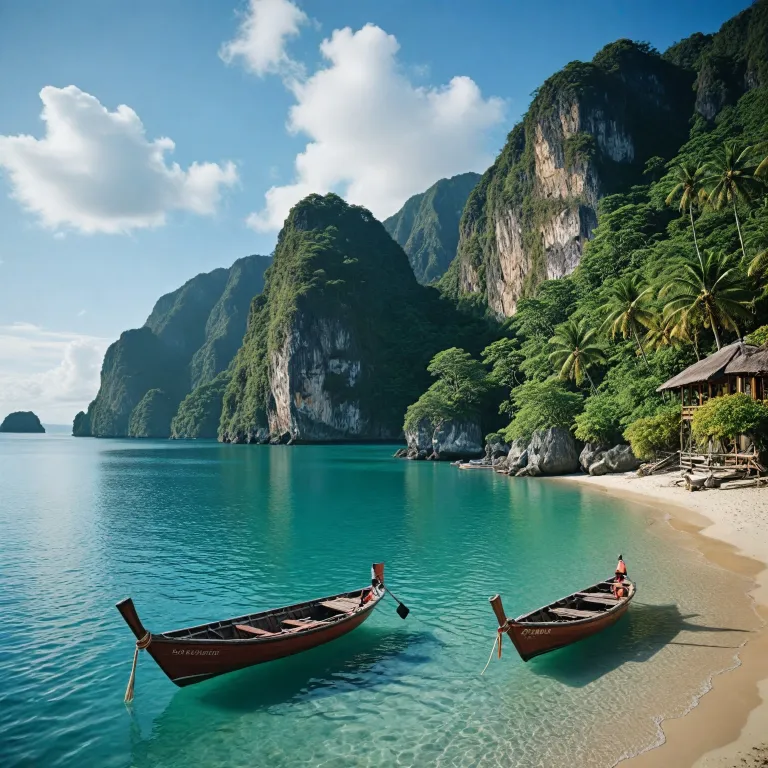
Unveiling the diversity of Indonesia’s islands: from Bali to Raja Ampat
Indonesia, the world’s largest archipelago, offers an unparalleled canvas for island hopping. With over 17,000 islands, each destination presents a unique blend of landscapes, traditions, and marine wonders. Bali, often the first stop for many, entices with its lush rice terraces, vibrant beach clubs, and the iconic Monkey Forest. The island’s charm extends beyond its shores, as travelers embark on day trips to nearby Nusa Penida, Nusa Lembongan, and Nusa Ceningan, each offering distinct experiences. The Gili islands—Gili Trawangan, Gili Air, and Gili Meno—are renowned for their crystal-clear waters and laid-back ambiance, making them ideal for both relaxation and adventure. Lombok, just east of Bali, is celebrated for its tranquil beaches and authentic Sasak culture, while Komodo and its surrounding islands captivate with rugged beauty and the legendary Komodo dragons. Island hopping in Indonesia is not merely a trip; it is an immersion into a tapestry of cultures, landscapes, and unforgettable moments. Whether you seek the best beach for a sunset dinner or a day tour exploring hidden coves, the archipelago promises endless possibilities. For those planning their travel, it is highly recommend to consider the dry season, from April to October, for optimal conditions. The diversity of islands ensures that every day brings a new adventure, from snorkeling in Raja Ampat’s vibrant reefs to trekking through Sumatra’s lush forests.Planning your island hopping adventure: practical tips and essential logistics
A successful island hopping trip in Indonesia requires thoughtful planning and an understanding of local logistics. Boat transfers are the most common method for moving between islands, with speedboats and ferries connecting Bali to the Gili islands, Lombok, and Nusa Penida. For longer distances, such as reaching Komodo or Raja Ampat, domestic flights are available from major hubs like Bali and Labuan Bajo. It is highly recommend to book transportation and accommodation in advance, especially during peak travel days. Local tour operators play a crucial role in facilitating seamless journeys, offering guided tours that include snorkeling, diving, and cultural excursions. When selecting a hotel, consider proximity to departure points for day tours and access to local amenities. Carrying sufficient cash is essential, as ATMs may be scarce on smaller islands. Respect for local customs, particularly in conservative regions, enhances the travel experience and fosters positive interactions. Weather awareness is vital; the dry season is generally best for island hopping, but always check local forecasts before embarking on a day trip. Travel insurance should cover activities like diving and trekking, ensuring peace of mind throughout your adventure. For more insights on planning your journey, explore this comprehensive guide to island hopping in Indonesia.Immersive experiences: culture, cuisine, and community on Indonesia’s islands
Island hopping in Indonesia is as much about cultural immersion as it is about natural beauty. Each island offers a distinct cultural tapestry, from Bali’s temple ceremonies and rice terraces to the traditional villages of Lombok and the vibrant markets of Sumatra. The Gili islands, though small, host lively beach clubs and offer a unique blend of local and international influences. Dining is an integral part of the journey; savoring a sunset dinner on the beach, sampling fresh seafood in Labuan Bajo, or enjoying local delicacies in Nusa Penida enriches the travel experience. Community-based tourism initiatives are increasingly popular, allowing travelers to engage with local artisans and support sustainable practices. Participating in guided tours led by local experts provides deeper insights into island traditions and daily life. The Komodo islands, for example, offer not only encounters with Komodo dragons but also opportunities to learn about the region’s fishing communities. For those seeking a balance of adventure and cultural enrichment, it is highly recommend to include both popular and lesser-known islands in your itinerary. The diversity of experiences ensures that every day travel brings new discoveries, whether exploring the Monkey Forest or relaxing on the beaches of Gili Air. For a curated selection of immersive tours, visit our recommended island hopping experiences.Natural wonders: beaches, wildlife, and marine biodiversity
Indonesia’s islands are celebrated for their extraordinary natural beauty and biodiversity. The beaches of Bali, Nusa Penida, and the Gili islands are renowned for their powdery sand and turquoise waters, perfect for swimming, snorkeling, and sunbathing. Komodo National Park, a UNESCO World Heritage Site, is home to the iconic Komodo dragons and offers some of the best diving in the world. Raja Ampat, in the far east, is a paradise for marine enthusiasts, boasting vibrant coral reefs and an astonishing array of marine life. Day tours often include snorkeling excursions, allowing travelers to witness the underwater wonders firsthand. Lombok’s pristine beaches and waterfalls provide a tranquil escape, while Sumatra’s rainforests are a haven for wildlife, including orangutans and rare bird species. The Nusa islands—Nusa Lembongan, Nusa Ceningan, and Nusa Penida—offer dramatic cliffs, hidden lagoons, and opportunities for adventure sports. It is highly recommend to respect local conservation efforts and choose eco-friendly operators when planning your trip. The diversity of islands ensures that every visit is unique, with each day offering new opportunities to connect with nature. For those passionate about marine life, the Komodo islands and Raja Ampat are must-visit destinations, offering unparalleled opportunities for diving and snorkeling.Sustainable travel and supporting local communities
Sustainable tourism is at the heart of island hopping in Indonesia. Travelers are encouraged to support local economies by choosing locally owned hotels, dining at family-run restaurants, and participating in community-led tours. The Indonesian Ministry of Tourism promotes responsible travel practices, emphasizing the importance of preserving natural and cultural heritage. Eco-friendly initiatives, such as beach clean-ups and wildlife conservation programs, are increasingly common across the islands. It is highly recommend to minimize plastic use, respect wildlife habitats, and adhere to local guidelines when visiting protected areas like Komodo National Park. Engaging with local tour operators not only enhances the travel experience but also ensures that tourism benefits the communities you visit. The rise of digital platforms has made it easier to connect with reputable guides and book sustainable tours. As interest in eco-tourism grows, travelers are seeking out lesser-known islands, contributing to the diversification of tourism and reducing pressure on popular destinations like Bali and the Gili islands. Supporting local artisans, attending cultural performances, and learning about traditional crafts are meaningful ways to give back during your trip. For further reading on sustainable travel practices, consult this expert resource on responsible tourism.Essential advice for a seamless island hopping journey
Preparation is key to making the most of your island hopping adventure in Indonesia. Pack light, including essentials such as sunscreen, insect repellent, and appropriate clothing for both beach and cultural excursions. Carrying sufficient cash is important, as smaller islands may have limited banking facilities. Stay informed about weather conditions, especially during the wet season, to avoid disruptions to your travel plans. It is highly recommend to check visa requirements before your trip, as regulations vary by nationality. Health precautions, such as vaccinations and malaria prevention in certain regions, should be discussed with a healthcare provider prior to departure. "The dry season, typically from April to October, is considered the best time for island hopping due to favorable weather conditions." Safety is paramount; always use reputable transportation services and follow local advice when exploring remote areas. Day travel between islands is generally safe, but vigilance is advised, particularly when engaging in water-based activities. For those planning extended stays, consider splitting your days between popular hubs like Bali and more remote destinations such as Raja Ampat or Komodo. Each island offers a unique rhythm, from the lively beach clubs of Bali Gili to the serene shores of Gili Air. With thoughtful preparation and a spirit of adventure, island hopping in Indonesia promises a journey filled with unforgettable moments and lasting connections.Key statistics: island hopping in Indonesia
- Indonesia is home to over 17,000 islands, offering endless opportunities for exploration.
- International visitors to Indonesia reached 11,500,000, reflecting the growing appeal of island hopping.
Frequently asked questions about island hopping in Indonesia
What is the best time for island hopping in Indonesia?
The dry season, typically from April to October, is considered the best time for island hopping due to favorable weather conditions.
Is it safe to travel between islands in Indonesia?
Generally, traveling between islands is safe, but it's important to use reputable transportation services and stay informed about local conditions.
What are some must-visit islands for hopping in Indonesia?
Popular islands include Bali, Lombok, the Gili Islands, Komodo Island, and Raja Ampat, each offering unique experiences.
References:
Indonesian Ministry of Tourism: https://www.indonesia.travel/
Asia Lifestyle Magazine
Local Tour Operators (varies by region)