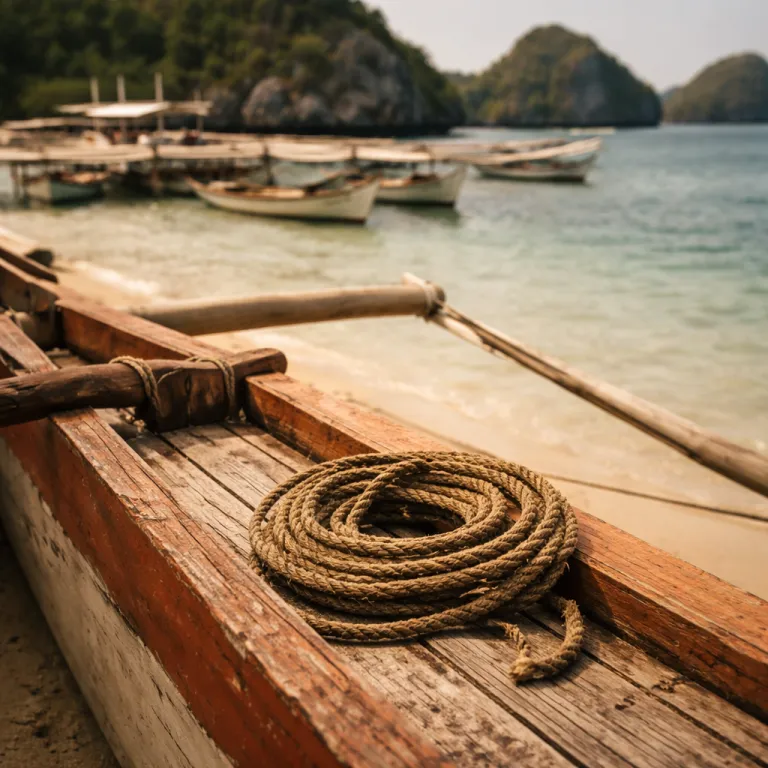
Section 1 – Why the Philippines is the world’s budget island hopping capital
The Philippines is where a serious island hopping habit finally meets a realistic budget. Across this archipelago in Southeast Asia, a traditional bangka boat ride between islands often costs less than a café latte in Manila, yet the experience feels priceless. For solo travelers planning a long trip, a Philippines island hopping budget can comfortably sit between 30 and 50 US dollars per day when you lean into local rhythms and avoid unnecessary costs. Price ranges in this guide are based on fares and room rates checked in early 2024 and may fluctuate with fuel prices and exchange rates.
On a typical day of budget travel, expect around 10 US dollars for simple accommodation, 8 to 12 US dollars for local food, and another 10 to 15 US dollars for ferries, tricycles, and the occasional island hopping tour. That leaves a slim but workable margin in your travel budget for entrance fees, snorkel rentals, and the odd cold beer on a quiet beach. Data points in this article draw on recent listings from major booking platforms, 2023–2024 promo fares from Cebu Pacific and AirAsia, and published tariff ranges from operators such as 2GO Travel and OceanJet, all of which confirm that “yes, with proper planning, it is usually possible to average under $50/day” across a multi week itinerary even if some individual days run higher.
Compared with other Southeast Asia favourites, the Philippines travel experience is less about temple circuits and more about reading ferry schedules, watching the boat crews, and choosing which islands to linger on. You will find that the best moments rarely happen on the headline beaches, but on the slow crossings where you share snacks with a local family or swap travel tips with a broke backpacker who has been backpacking Philippines for months. This is where travel Philippines becomes less a checklist of things the country must offer and more a patient, tide driven way of moving.
Section 2 – Daily budget breakdown: from Manila arrival to your first island
Landing in Manila is rarely anyone’s favourite part of a Philippines trip, but it is where your budget discipline begins. A metered taxi or app based ride into the city will usually cost less than 10 US dollars, while a bed in a simple guesthouse or hostel can be found for around the same amount if you avoid the flashiest districts. For a realistic Philippines budget, plan 25 to 30 US dollars for your first full day in the capital, including food, local transport, and a modest room. These figures align with 2023–2024 averages published by the Department of Tourism and typical rates visible on major accommodation platforms as of January 2024.
Street food in Manila keeps your travel budget on track, with filling meals of rice, grilled meat, and vegetables often under 3 US dollars, and even sit down eateries rarely pushing you beyond 5 to 6 US dollars per plate. This is the time to start tracking small costs, because airport transfers, baggage storage, and short taxis to bus terminals are the quiet leaks that undermine otherwise careful budget travel. Reading about how proof of funds rules shape island entries in other destinations, such as the analysis of bank statement requirements for Bali, is a useful reminder that keeping a clear record of spending is part of responsible travel Philippines planning.
Once you leave Manila for your first island, usually by budget flight to Cebu or Puerto Princesa, your daily costs begin to soften. A one way ticket on Cebu Pacific or AirAsia, booked a few weeks ahead, often falls between 25 and 60 US dollars, which can be the single biggest line item in a Philippines island hopping budget. Spread across a two or three week itinerary, those flights still allow you to keep the overall travel budget within that 30 to 50 US dollars per day range, especially if you balance them with slower ferries and shared boats and accept that a few transfer heavy days will sit above the average.
| Sample Manila → Cebu transfer day (2024 prices) | Estimated cost (USD) |
|---|---|
| Jeepney / LRT to airport | 2 |
| Budget flight Manila–Cebu (averaged across trip) | 30 |
| Airport to guesthouse in Cebu City | 4 |
| Dorm bed or basic room | 10 |
| Three local meals and snacks | 8 |
| Misc. fees (water, SIM top up) | 3 |
| Total for the day | 57 |
Section 3 – Palawan route: El Nido, Port Barton, and Puerto Princesa on a budget
For many travelers, Palawan is the dream sequence of any Philippines travel story, yet it can be navigated on a surprisingly lean budget. Flying into Puerto Princesa keeps costs lower than landing directly in El Nido, and from there buses or shared vans carry you north to Port Barton and beyond for around 10 to 15 US dollars. If you are backpacking Philippines with a tight travel budget, this slower overland route is usually the best compromise between time and money, and mirrors the price bands quoted by the Palawan provincial tourism office in 2023.
In Puerto Princesa, simple guesthouses and homestays remain some of the most affordable places to stay, often charging 8 to 15 US dollars per night for a fan room, with breakfast sometimes included. Port Barton, still slightly off the beaten path compared with El Nido, rewards patient budget travel with cheaper island hopping tours, quieter beaches, and a more local feel in its eateries and bars. For a deeper dive into tactics, the practical guide on how to experience island hopping on a budget aligns closely with what you will encounter here, from negotiating boat prices to sharing trips with other broke backpacker types.
El Nido itself is no longer a secret, but even here a disciplined Philippines island hopping budget still works if you choose guesthouses on backstreets, eat where the local staff eat, and share island hopping tours. Expect to pay 20 to 30 US dollars for a full day boat tour including lunch, which is excellent value when you consider the number of islands, lagoons, and beaches visited. Across Puerto Princesa, Port Barton, and El Nido, a daily spend of 35 to 45 US dollars is realistic in 2024, covering accommodation, food, a boat trip every second day, and the small environmental fees that quietly accumulate.
| Sample El Nido island hopping cost breakdown 2024 | Estimated cost (USD) |
|---|---|
| Guesthouse room (fan, private) | 15 |
| Breakfast and simple dinner | 7 |
| Island hopping tour (shared boat with lunch) | 25 |
| Environmental / lagoon fees | 4 |
| Tricycle to and from port | 2 |
| Total for the day | 53 |
Section 4 – Visayas route: Cebu, Bohol, Siquijor, and beyond
The Visayas route is where the Philippines island hopping budget really stretches, especially if you are willing to trade speed for savings. Starting in Cebu City, you can follow a classic loop through Bohol, Siquijor, Dumaguete, Apo Island, and back to Cebu, using ferries and buses rather than flights. This route is ideal for travelers who want to see varied islands, from coral rich coasts to the inland Chocolate Hills, without constantly recalculating their travel budget, and it mirrors itineraries promoted by regional tourism boards in Central Visayas.
From Cebu to Bohol, fast ferries usually cost around 10 US dollars one way, a figure that aligns with 2023–2024 tariff ranges published by major operators. On Bohol, scooter rental is often the best way to reach the Chocolate Hills and outlying beaches, with daily rates around 8 to 10 US dollars and fuel adding only a few more. Guesthouses near Alona Beach or in quieter villages offer comfortable places to stay from 10 to 18 US dollars per night, and local food stalls keep meal costs low enough that budget travel remains entirely feasible.
Continuing to Siquijor and then to Dumaguete and Apo Island, you will notice that ferry tickets, tricycle rides, and simple boat transfers rarely exceed a few dollars each. This is where the Philippines budget advantage over other Southeast Asia destinations becomes obvious, especially for those who are backpacking Philippines for several weeks. With careful planning, you can keep daily costs between 30 and 40 US dollars across the Visayas, even when you add in occasional splurges like guided snorkelling, a day trip to see whale sharks near Oslob if you choose that controversial experience, or a side excursion to lesser known islands that sit slightly off the main beaten path.
| Sample Visayas ferry and scooter day budget | Estimated cost (USD) |
|---|---|
| Ferry Cebu–Tagbilaran (Bohol) | 10 |
| Port tricycle and short jeepney ride | 3 |
| Guesthouse near Alona Beach | 14 |
| Scooter rental and fuel | 11 |
| Three local meals and snacks | 9 |
| Total for the day | 47 |
Section 5 – Boats, flights, and hidden costs: what your spreadsheet misses
Transport is where many travelers misjudge their Philippines island hopping budget, either by overbooking flights or underestimating the true costs of boats and transfers. In broad terms, ferries and bangka boats are cheaper but slower, while budget flights with Cebu Pacific or AirAsia save time at a higher upfront price. The best strategy is usually a mix, using flights for long jumps such as Manila to Cebu or Manila to Puerto Princesa, then relying on ferries and local boats between nearby islands.
When you price a boat tour, always ask what is included, because snorkel rental, environmental fees, and lunch can quickly inflate your travel budget if they are added separately. On many islands, you will pay small conservation or docking fees at multiple beaches in a single day, which might only be one or two US dollars each but add up across a long trip. In El Nido, for example, the Protected Area Office has charged a fixed environmental fee in the 5 to 6 US dollar range per person in recent years, while some lagoons and premium stops add smaller access charges on top, so checking the latest local notices when you arrive is essential.
Hidden costs also include travel insurance, which many broke backpacker types are tempted to skip, but which becomes essential when you factor in boat crossings, scooter rentals, and activities such as wreck diving in Coron or swimming with whale sharks in Donsol. A solid policy tailored to Philippines travel will not be the cheapest part of your trip, yet it protects the entire investment of your carefully planned Philippines island hopping budget. For a more nuanced sense of how sea conditions and routes shape costs, the tidal and route focused analysis in the tidal atlas for island hopping journeys offers a mindset that translates surprisingly well to reading ferry timetables in the Visayas or Palawan.
Section 6 – Guesthouse culture, May shoulder season, and staying under $50
What ultimately keeps a Philippines island hopping budget under 50 US dollars per day on average is not just cheap boats, but the country’s guesthouse culture. Across Cebu, El Nido, Port Barton, Puerto Princesa, Bohol, Siquijor, and even smaller islands, family run stays offer simple rooms, local food, and informal travel tips that no booking platform can match. Walk in rates are often lower than online prices, and hosts may bundle breakfast, laundry, or even a spot on a relative’s boat into the overall costs.
Traveling in May, which sits in the shoulder season before the busiest months, adds another layer of savings without sacrificing too much on weather. Room rates soften, island hopping tours are easier to negotiate, and the beaches feel less crowded, which suits the independent traveler who prefers a slightly quieter Southeast Asia experience. This is also a good time to linger in places like Port Barton or lesser known corners of Cebu, where staying an extra day or two can earn you small discounts and more generous portions of home cooked food.
To keep your Philippines travel budget steady, track every day’s spending in a simple notebook or app, noting ferries, boat tours, snacks, and even small entrance fees to waterfalls or viewpoints. Over two or three weeks, you will see patterns emerge, allowing you to adjust plans, skip an extra tour, or add a rest day on a free public beach when needed. For solo travelers who highly recommend the country to friends later, the real luxury of travel Philippines is not expensive resorts, but the freedom to move between islands at your own tempo, knowing that the numbers still work when you almost miss the ferry because you were not quite ready to leave.
Key figures for planning a Philippines island hopping budget
- Typical daily budget for island hopping in the Philippines ranges between 30 and 50 US dollars per person, which places the country among the most affordable multi island destinations globally for independent travelers.
- Average accommodation costs for budget friendly guesthouses or hostels are around 10 US dollars per night, according to 2023–2024 price bands used by regional tourism boards and reflected in sample itineraries for backpacking Philippines routes.
- A ferry ticket from Cebu to Bohol usually costs about 10 US dollars one way, making inter island travel significantly cheaper than equivalent distances by boat in many other Southeast Asia archipelagos.
- Overall daily expenses as low as 25 US dollars have been documented for highly disciplined travelers who rely on public transport, local eateries, and the most basic places to stay, though most visitors are more comfortable at slightly higher spending levels.
- Typical island hopping tours in El Nido or Port Barton cost between 20 and 30 US dollars for a full day, including lunch, which means that even with regular tours your total travel budget can remain under 50 US dollars per day on average if other costs are controlled.
Frequently asked questions about budget island hopping in the Philippines
Is island hopping in the Philippines affordable for solo travelers ?
Yes, island hopping in the Philippines is genuinely affordable for solo travelers who plan carefully and embrace local transport. With a disciplined Philippines island hopping budget of 30 to 50 US dollars per day, you can cover accommodation, food, ferries, and regular boat tours across multiple islands. The key is choosing guesthouses, eating local food, and limiting flights to only the most necessary long distances.
What are the best islands for a budget friendly first trip ?
For a first time Philippines travel itinerary on a budget, the Visayas loop through Cebu, Bohol, and Siquijor offers excellent value. These islands combine good ferry connections, affordable guesthouses, and a mix of beaches, waterfalls, and inland sights such as the Chocolate Hills. Palawan’s Puerto Princesa, Port Barton, and El Nido are also strong options, though costs there can be slightly higher than in the Visayas, especially in peak months such as December to April when demand pushes prices upward.
How can I keep transport costs low while island hopping ?
To control transport costs, prioritise ferries and bangka boats over flights whenever distances are manageable, and use buses or shared vans instead of private transfers. Booking budget flights with Cebu Pacific or AirAsia in advance for essential long legs, such as Manila to Cebu, helps keep your overall travel budget predictable. On each island, rely on tricycles, jeepneys, and scooter rentals rather than taxis, and always confirm prices before boarding any boat or vehicle.
What hidden costs should I include in my Philippines budget ?
Hidden costs that often surprise travelers include environmental and docking fees at beaches and lagoons, snorkel or kayak rentals, and tricycle rides between ports and accommodation. You should also factor in travel insurance, especially if you plan activities such as wreck diving, scooter riding, or swimming with whale sharks in places like Donsol. Over a multi week trip, these small expenses can add up to several hundred dollars if they are not included in your initial Philippines island hopping budget.
Is May a good time for budget travel in the Philippines ?
May sits in a shoulder period that often delivers a strong balance between price and conditions for island hopping. Accommodation rates and tour prices are usually lower than during the busiest months, and there is still plenty of sunshine for beach days and boat trips. For travelers focused on budget travel who can tolerate some heat and the possibility of short showers, May is one of the best times to explore multiple islands without straining their travel budget.