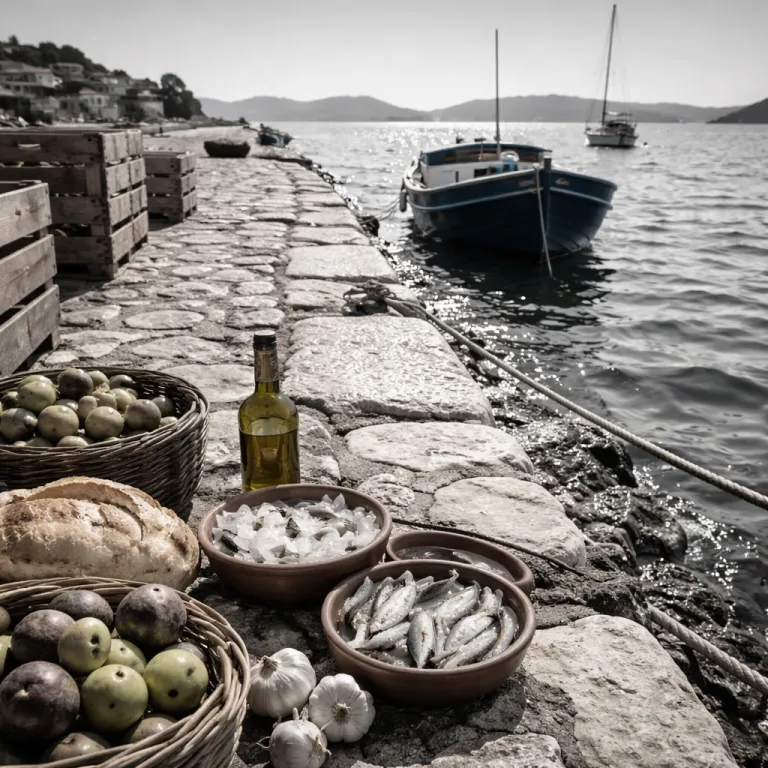
Why Croatia’s Dalmatian islands are a food‑led archipelago
Croatia is finally being spoken of as a food archipelago rather than just a pretty stretch of the Adriatic Sea. Along the Dalmatian coast, a single Croatia island hopping food itinerary lets you taste how mountain traditions and coastal seafood meet in one continuous line of islands. With more than 1,200 Croatian islands scattered offshore, the pleasure is not the island count but the ferry deck where the next island appears through the salt spray and you already want to stay longer than planned.
On this route, each Croatia island has its own tempo, its own markets, and its own way of cooking the same fish with different olive oil and herbs. You might eat black risotto in a working harbour on one island, then cross the sea for slow cooked peka lamb in a quiet inland village on another. This is where island‑to‑island food travel in Croatia becomes less about ticking off islands in Croatia and more about following the scent of wood smoke, grilled squid, and freshly baked bread from town to town.
Local chefs, fishermen, and farmers shape this story of Croatian cuisine every day, turning the raw abundance of the Adriatic Sea and the karst hills into plates that feel both simple and precise. As interest in Croatian food and sustainable travel grows, island hopping here supports local economies that still depend on the daily catch and seasonal vegetables. The result is an unforgettable Croatia journey where every island hop is measured in flavours as much as in ferry timetables and where even a short day trip between Croatian islands can reset your sense of what Mediterranean cuisine should taste like.
From Split to Brač island: timing ferries around lunch and stone‑baked bread
Split is the natural starting point for a Croatia island hopping food itinerary because its ferry port sits directly below the Roman city walls of Diocletian’s Palace. Spend at least one day in the old town, where Croatian food bars serve marinated anchovies, grilled vegetables in olive oil, and glasses of local wine before you even board a small ship. This is also the moment to study ferry schedules, because the art of island hopping here lies in leaving Split late enough for a market breakfast yet early enough for a Brač island lunch.
The crossing from Split to Brač island with operators such as Jadrolinija usually takes 50 to 60 minutes on the car ferry and around 40 minutes on faster passenger services, with typical one‑way fares from about €6 to €10 per person. On Brač, head inland from the sea to villages where stone houses hide konobas serving vitalac, lamb offal roasted on a spit, and loaves baked under iron bells. In places like Dol or Škrip, family‑run taverns such as Konoba Kopačina showcase these dishes alongside local olive oil and Brač lamb.
Because ferries on this part of the Dalmatian coast are frequent, you rarely need to reserve as a foot passenger, although taking a car may require advance booking at busy times. Plan your time with the same care you would give to a restaurant reservation, using online tools and local food guides to match departure times with meal windows. The European Region of Gastronomy title has been awarded to destinations such as Menorca and the Slovenian regions, and reading about where to eat between ferry stops there can sharpen your eye for similar food‑focused routes in Croatia’s own national‑park‑backed archipelagos.
Hvar and Vis: seafood, Plavac Mali and slow evenings by the harbour
From Split, the catamaran to Hvar turns Croatia island hopping food into a study in sunlight and wine. Hvar Town is the island’s glossy harbour, yet step a few streets back from the sea and you find family‑run places serving gregada, a traditional fish stew, alongside glasses of local Plavac Mali. Here, wine tasting is not a staged tour but often a conversation with a winemaker who has been working the same slopes above the Adriatic Sea for decades.
Hvar island rewards couples who give it time rather than rushing to the next island hop on their trip. Rent a scooter, ride through lavender fields, and stop at inland taverns where Croatian food means slow braised octopus, wild herbs, and olive oil pressed in nearby villages. Many travellers plan their travel so they can have a late lunch in Hvar Town, then board an evening small ship or catamaran to Vis with companies such as Jadrolinija or Krilo, turning the sea crossing of about 70 to 90 minutes into a digestif between courses.
Vis feels quieter, more remote, and it suits those who want Croatia island hopping food without crowds or cruise ship timetables. Here, fishermen still sell part of their catch directly to local chefs, and the best meals are often grilled fish eaten within sight of the boats that brought them in. In Komiža and Vis Town, konobas like Jastožera or Kantun serve lobster, scampi, and simple grilled sardines that reflect this direct supply. For a broader sense of how food and ferries intersect across archipelagos, look at island‑hopping food and drink journeys across sunlit shores, then apply that same rhythm of arrival and departure to your own hopping Croatia route between Hvar, Vis, and the rest of the Croatian islands.
Korčula and the Pelješac channel: Pošip, Korčula Town and coastal classics
Sailing or taking a fast ferry from Hvar to Korčula shifts the Croatia island hopping food narrative from red wine to white. Korčula island is the home of Pošip, a crisp white wine that pairs beautifully with grilled fish, herb‑marinated sardines, and the region’s excellent olive oil. Many travellers say this stretch of islands in Croatia, between Hvar and Korčula, is where an unforgettable Croatia itinerary finally clicks into place.
Korčula Town, with its tight grid of streets and stone houses, feels like a smaller, quieter cousin of Dubrovnik without the pressure of massive city walls and cruise crowds. In Korčula Town, look for konobas where Croatian cuisine means handmade pasta called makaruni, slow cooked beef in wine, and plates of local cheeses served with fig jam. Time your island hop so you arrive in the late afternoon, wander the town at golden hour, then settle into a terrace such as Konoba Adio Mare or Filippi for a long dinner that stretches well into the night.
Across the narrow channel, the Pelješac peninsula is not an island but behaves like one in a Croatia island hopping food itinerary, especially for wine tasting. Vineyards here, particularly around Dingač and Postup, produce some of the best Plavac Mali in the country, and many small ship cruises include a stop for cellar visits and tastings. A well‑planned day can include a morning swim on Korčula island, a midday ferry hop to Orebić on Pelješac for wine at family wineries such as Matuško or Korta Katarina, and a return to Korčula Town for seafood, proving how flexible travel between Croatian islands and peninsulas can be when you align ferries with mealtimes.
Practical planning: ferries, budgets and how to eat like a local
Designing a Croatia island hopping food route between Split and Dubrovnik is easier when you think in ferry segments rather than in abstract islands. The Split, Brač, Hvar, Vis, Korčula line can comfortably fill seven days, with most crossings lasting between forty‑five minutes and two hours. That timing lets you eat breakfast in one town, lunch on the next island, and dinner back on deck or in a harbour taverna as the Adriatic Sea darkens.
For a mid‑range couple, a realistic budget of around 90 to 130 dollars per day covers ferries, accommodation, and most meals across this part of the Dalmatian coast. Use ferries and catamarans for the main island‑hop legs, then consider a guided food tour or a private small ship excursion for one special day focused on wine tasting or a national park visit. Many routes allow you to walk on without reservations, but for peak season or when travelling with a car, booking ahead is wise, especially on the longer travel days between Croatian islands.
To eat like a local, follow three simple rules that every island‑hop veteran learns quickly. First, check ferry schedules in advance, then choose restaurants within walking distance of the port so you can linger without missing your trip. Second, remember the expert advice that “What are must‑try dishes in Croatian islands? Peka, black risotto, and fresh seafood.” and build at least one meal around each of those Croatian food benchmarks.
Why Croatia is the Mediterranean’s most underrated food archipelago
Ask frequent island hoppers why they keep returning to Croatia and the answer is rarely just the sea or the stone towns. They talk about the way Croatian cuisine shifts subtly from island to island, how one day’s grilled fish on Hvar becomes the next day’s slow cooked stew on Korčula, and how even a simple plate of vegetables tastes different when the olive oil comes from the grove you passed on your morning walk. This is the quiet power of Croatia island hopping food, and it is why so many travellers now speak of hopping Croatia in the same breath as more established culinary regions.
Part of the appeal lies in how close everything feels once you understand the ferry map of islands in Croatia. You can leave Split after a market breakfast, swim off Brač island before lunch, sip Plavac Mali above Hvar Town in the afternoon, and still reach a harbour konoba on Vis by nightfall. Another day might take you from Korčula Town to a nearby national park or to Dubrovnik for a walk along the city walls, proving that a well‑planned island hop can fold culture, nature, and food into a single, unhurried day.
For couples who value rhythm over rush, Croatia offers an unforgettable Croatia itinerary where the most memorable moments happen between ports. A quiet glass of wine on the deck of a small ship, a last‑minute decision to stay one more night on a Croatia island because the local fishermen promised a better catch tomorrow, a spontaneous tour of a family cellar after lunch. These are the reasons island hopping here belongs alongside the most refined sailing journeys worldwide, and why a site dedicated to island‑hopping experiences treats the Dalmatian coast as seriously as any other great food archipelago.
FAQ
What are the must try dishes on a Croatia island hopping food itinerary?
Across the Croatian islands, three dishes define the experience for many travellers. Peka, a slow cooked meat or octopus dish baked under an iron bell, black risotto made with cuttlefish ink, and fresh seafood grilled simply with olive oil and herbs appear on menus from Split to Korčula Town. Seek them out on each island to taste how local chefs adapt the same recipes to different ingredients and traditions.
How do you travel between Croatian islands on this route?
The most practical way to island hop between Split, Brač, Hvar, Vis, Korčula, and Dubrovnik is by using a mix of ferries and fast catamarans. Foot passengers can usually walk on without reservations, while cars and small ship charters often require advance booking, especially at busy times. Private boats and organised tours add flexibility for day trips to quieter coves or nearby peninsulas.
When is the best time for island hopping focused on food?
The most rewarding period for a Croatia island hopping food journey runs from late spring to early autumn. During these months, ferries operate frequent schedules, markets are full of seasonal produce, and many restaurants open their terraces by the sea. Outside peak summer, you gain quieter towns and more time to talk with local chefs and winemakers.
How much should a couple budget per day for this itinerary?
A realistic daily budget for two people on the Split to Korčula route ranges from about 90 to 130 dollars. This estimate covers mid‑range accommodation, ferry tickets between the main islands, and meals built around local Croatian food rather than imported luxuries. Wine tasting, private tours, or special experiences such as a dedicated peka dinner will add to that baseline.
Do you need to join an organised tour for Croatia island hopping food travel?
Independent travellers can easily plan their own island hop using online ferry schedules, local food guides, and maps. Guided food tours in Split, Hvar Town, or Korčula Town are valuable for deeper insight into Croatian cuisine and for meeting producers you might not find alone. A balanced approach is to travel independently between islands, then book occasional tours or tastings to enrich specific days.