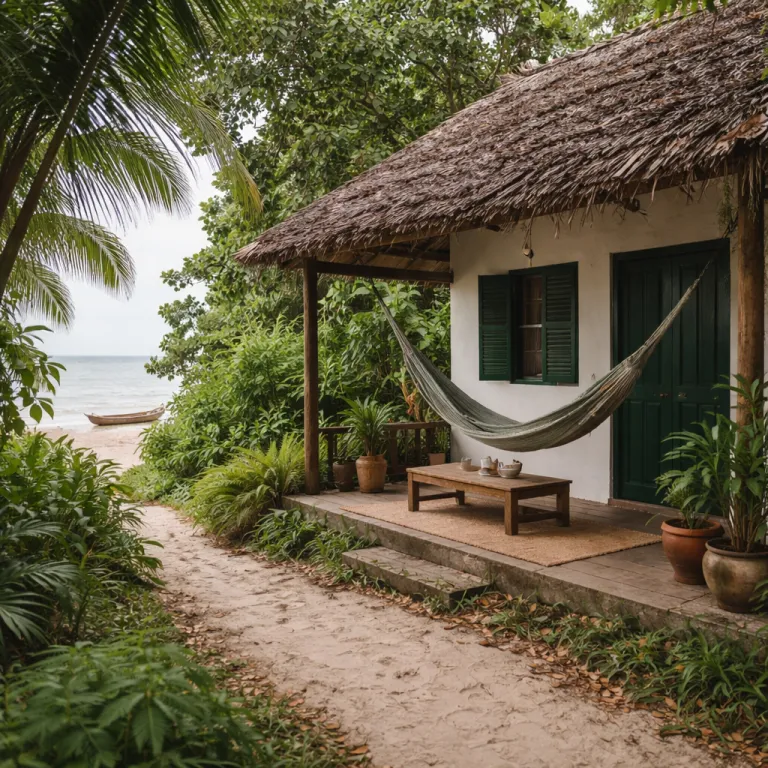
Zanzibar budget travel for solo island hoppers
Zanzibar budget travel rewards those who move slowly between coasts. For solo travelers used to timing ferries between Greek islands or Philippine bancas, exploring Zanzibar on a tight budget feels less like a sacrifice and more like a different rhythm of island hopping. The archipelago’s compact size, reliable local transport, and free public beaches mean a low-cost trip can still feel indulgent.
Start in Zanzibar City and base yourself in Stone Town for at least two nights. This historic quarter is the island’s transport hub, the place where ferries from Dar es Salaam arrive and where most shared taxis, dala dala minibuses, and organized tours begin. Staying in town first lets budget travelers understand real price patterns and typical daily costs before committing to a longer coastal stay.
Average budget accommodation in Zanzibar City and Stone Town runs around 20 USD (about 50,000 TZS) per night. That figure, drawn from long-running guesthouse rates and cross-checked against hostel listings in early 2024, is the backbone of realistic planning for solo visitors. When you add roughly 6 USD (around 15,000 TZS) for street food and market meals and 1 USD (about 2,500 TZS) per ride for local transport, a 30 to 35 USD daily budget becomes achievable without feeling that the islands are automatically expensive.
For island hopping purists, Zanzibar works best as a slow two-stop itinerary. Spend your first half in Stone Town, then move to one beach area such as Paje or Nungwi instead of chasing multiple coasts. This keeps transport costs low, reduces the number of hotel changes, and leaves more budget for activities like a spice farm tour, a day trip to Prison Island, or a guided walk in Jozani Forest.
Many travelers avoid the archipelago because they assume every hotel is high end and every beach bar charges resort prices. On the ground, the reality is more nuanced and far more budget friendly for patient visitors. Increased interest in affordable travel has encouraged a quiet boom in local guesthouses, simple hotels, and hostels that welcome independent visitors without pushing them to skip cultural experiences or island excursions that give the trip its character.
Daily budget breakdown: what 35 USD really buys you
Think of your Zanzibar budget travel plan as a ferry timetable for your wallet. You have fixed departures each day — accommodation, food, and basic transport — and then you slot in activities and tours like optional island hops. For a solo traveler, a realistic daily budget on the islands sits between 30 and 40 USD (roughly 75,000 to 100,000 TZS) if you choose local options and avoid unnecessary extras.
Accommodation is your main fixed cost, and 20 USD (about 50,000 TZS) per night is a reliable benchmark in Stone Town guesthouses. In Paje and other beach villages, the same budget might secure a dorm bed steps from the sand or a simple private room a few minutes inland. Hostels and small hotels at this level often include Wi‑Fi and sometimes breakfast, which helps travelers stretch a modest budget without sacrificing basic comfort.
Food costs are surprisingly gentle if you eat where locals eat. Plan around 6 to 10 USD (15,000 to 25,000 TZS) per day for market snacks, street food, and one sit-down meal of grilled fish, pilau rice, or coconut curries. Street food vendors in town and along the beach serve filling plates for 1 to 3 USD (2,500 to 7,500 TZS), while a sunset meal at Forodhani Gardens night market in Stone Town can be both an activity and dinner for budget travelers who enjoy lively scenes.
Transport within the island can be almost symbolic in cost if you embrace local options. Dala dala rides between town and beach areas often cost around 1 USD (about 2,500 TZS), while shared taxis arranged through your accommodation might be 5 to 10 USD (12,500 to 25,000 TZS) per person for longer stretches. Compared with other island hopping routes such as a route-by-route breakdown of the Philippines for under 50 a day, Zanzibar’s internal transport cost remains competitive for travelers watching every dollar.
Activities and tours are where overall expenses can climb, but also where smart choices keep a tight budget on track. A spice farm tour from Stone Town typically runs 10 to 20 USD (25,000 to 50,000 TZS) including transport, while a half-day snorkeling trip might cost 25 to 35 USD (about 62,500 to 87,500 TZS) depending on group size. If you alternate paid activities with free beach days and self-guided walks, you can average 10 to 15 USD per day on experiences without feeling you must skip the content that makes visiting Zanzibar special.
Stone Town versus Paje: two sides of a budget island hop
Stone Town and Paje feel like two islands within one, and that contrast is central to Zanzibar budget travel. The town is dense, historic, and full of alleys where the call to prayer echoes between carved wooden doors. Paje, by contrast, is a long pale beach with kites in the sky, a place where the tide dictates the day’s activities and the horizon feels wide open.
For budget travelers, Stone Town usually offers the lowest accommodation cost and the richest concentration of cheap food. You can find simple hotels and guesthouses around the market and ferry area for about 20 USD (around 50,000 TZS) per night, sometimes less in the low season, and you are walking distance from street food vendors, local cafés, and the main dala dala stand. This makes the town ideal for the first days of a budget trip, when you are still calibrating what feels affordable and what feels like a splurge.
Paje, on the southeast coast, tends to be slightly more expensive for accommodation but cheaper for day-to-day beach life. Dorm beds near the beach might start around 10 to 15 USD (25,000 to 37,500 TZS), while basic private rooms sit closer to 20 to 25 USD (50,000 to 62,500 TZS), especially in the high season. Food can be very budget friendly if you eat at local restaurants in the village rather than only at seafront hotels, where the same grilled fish might cost double.
In Stone Town, paid activities cluster around history and short boat rides. A day trip to Prison Island, including the boat and entrance fee, often costs 20 to 30 USD (50,000 to 75,000 TZS) depending on how many travelers share the boat and how well you negotiate. Walking tours of the old stone lanes, the former slave market, and the waterfront are sometimes free with a tip-based model, which suits visitors who want context without a high fixed cost.
Paje’s activities lean toward the water and the wind. Kitesurfing lessons are not budget friendly, but simply watching the kites and swimming at high tide costs nothing and fills a day beautifully. One local guide summed it up while rinsing sand off a board at sunset: “You don’t have to fly to enjoy the wind here — just sit, watch, and let the tide tell you what to do.” For those planning future island hops, reading about how proof of funds rules reshape entries in places like Bali in an analysis of bank statement requirements for island entries can help you appreciate how relaxed Zanzibar remains for independent budget travelers.
Ferries from Dar es Salaam and moving around the island
Every Zanzibar budget travel itinerary begins with the crossing from Dar es Salaam, and this is your first real cost decision. High-speed ferries link the mainland port with Zanzibar City several times a day, taking roughly two hours to cover the channel. Prices vary by operator and class, but booking an economy seat and avoiding last-minute markups keeps the cost manageable for budget travelers.
Once you arrive in Stone Town, the island’s internal transport network feels surprisingly intuitive. Dala dala minibuses fan out from the main stand near the market, heading toward Paje, Nungwi, Jozani Forest, and smaller villages, and each route has a number or name shouted by the conductor. These local transport options are the backbone of low-cost travel on the island, with fares often around 1 USD (about 2,500 TZS) per trip, though you should confirm the price with locals before boarding.
For those who prefer more comfort, shared taxis arranged through your accommodation or local tour desks offer a middle ground between dala dalas and private cars. A shared ride from Stone Town to Paje might cost 5 to 10 USD (12,500 to 25,000 TZS) per person depending on the season and how many travelers join, while a private taxi could be 25 to 35 USD (about 62,500 to 87,500 TZS) for the vehicle. Budget travelers can often find others heading to the same beach, especially in the shoulder season when hostels and simple hotels become informal networking hubs.
Island hopping within Zanzibar itself is less about multiple islands and more about shifting coasts. A classic low-budget route might run Stone Town to Paje to Jozani Forest and back, using local transport and occasional organized tours when schedules are tight. If you are used to more complex archipelagos, reading practical pieces such as a guide to trash disposal logistics for cruisers in Simpson Bay will highlight how straightforward Zanzibar’s transport and infrastructure feel by comparison.
For longer stays, some budget travelers combine visiting Zanzibar with a mainland loop through Dar es Salaam and perhaps a short inland trip. Buses from Dar es Salaam connect to national parks and smaller towns, and returning to the coast for a final beach night keeps the island hopping narrative intact. The key is to track each transport cost in USD or Tanzanian shillings as you go, so the overall trip total remains aligned with your original budget and you never feel forced to skip experiences that matter to you.
Activities, tours, and when Zanzibar feels expensive
Activities are where Zanzibar budget travel can either stay on course or drift into higher spending. The island offers a dense menu of tours — spice farm visits, snorkeling trips, dolphin watching, and cultural walks — and each comes with its own cost structure. Understanding which tour prices are fixed and which are negotiable helps budget travelers choose wisely.
The classic spice farm tour from Stone Town usually includes transport, a guided walk through a working spice farm, and tastings of cloves, cinnamon, and tropical fruits. Prices often range from 10 to 20 USD (25,000 to 50,000 TZS) depending on group size and whether you book directly with a local guide or through a hotel desk, and this farm tour is one of the best-value activities on the island. A visit to Jozani Forest, home to the endemic red colobus monkeys, adds park fees and transport but can still be done for 20 to 30 USD (about 50,000 to 75,000 TZS) if you share costs with other travelers.
Boat-based activities tend to be where Zanzibar starts to feel pricey, especially for solo travelers. A half-day snorkeling trip from Paje or Nungwi might cost 25 to 40 USD (62,500 to 100,000 TZS), while a full-day trip with lunch and multiple reef stops can reach 50 USD or more, which is more than a full day’s basic budget. To keep your spending balanced, alternate these higher-cost tours with free or low-cost days — swimming from the beach, exploring Stone Town on foot, or joining a local football game at sunset.
Some travelers avoid organized tours entirely and rely on public beaches and self-guided walks, which is a valid approach for strict budget travelers. However, a few paid experiences such as a spice farm tour, a day trip to Prison Island, or a guided visit to Jozani Forest add depth to visiting Zanzibar and support local guides and communities. As one local-oriented resource puts it clearly, “Are there free activities in Zanzibar? Yes, such as beach visits and exploring Stone Town.”
Seasonality also shapes how expensive the island feels. In the shoulder season around May and June, accommodation discounts, cooler evenings, and fewer crowds combine to make a budget-focused trip especially attractive, while high season brings higher hotel rates and busier beaches. Planning your visit around these seasonal shifts lets you enjoy the same beaches, the same food, and the same activities at a noticeably lower overall cost.
Cultural etiquette and staying respectful on a tight budget
Traveling on a budget in Zanzibar does not mean traveling without impact, and cultural etiquette matters as much as your USD spreadsheet. The islands are predominantly Muslim, and Stone Town in particular has a conservative rhythm that contrasts with the more relaxed beach villages. Budget travelers who pay attention to dress, behavior, and where their money goes tend to have warmer interactions and a richer experience.
In town, cover shoulders and knees when walking through markets or residential alleys, and keep beachwear for the beach. This applies equally to budget travelers and those staying in higher-end hotels, and respecting it helps maintain good relations between visitors and local communities. On the beach in Paje and other resort areas, standards are more relaxed, but carrying a light scarf or shirt for trips into the village shows awareness and earns quiet appreciation.
Food is one of the easiest ways to engage respectfully while keeping your budget friendly. Eating at local restaurants and street food stalls supports small businesses and often delivers better flavor than international menus in seafront hotels, all at a lower cost. Street food vendors in Stone Town and Paje are used to travelers, but asking before taking photos and paying fair prices without aggressive haggling keeps the exchange balanced.
When booking tours, prioritize local guides and small operators over anonymous resellers. This not only keeps more of your travel spending in the community but also gives you access to nuanced stories about Zanzibar’s history, from the spice trade to Swahili architecture. Using public transport, walking, and bicycling where safe also aligns with local patterns and reduces the environmental cost of your trip.
Finally, remember that budget travel is not an excuse to underpay or pressure people into discounts that hurt their livelihood. Tipping modestly when service is good, paying entrance fees without complaint, and recognizing that some activities have a real underlying cost all contribute to a healthier tourism economy. In the long run, this approach helps ensure that Zanzibar remains accessible to budget travelers while still being a place locals are proud to share with those visiting for the first or fifth time.
Key figures for Zanzibar budget travel
- Average budget accommodation in Zanzibar City and Stone Town is around 20 USD (about 50,000 TZS) per night for a simple guesthouse room, which anchors a realistic 30 to 40 USD daily budget for solo travelers.
- Daily food expenses for budget travelers who rely on markets and street food typically sit near 6 USD (around 15,000 TZS), allowing room for occasional restaurant meals without breaking a tight budget.
- Public local transport such as dala dala minibuses often costs about 1 USD (roughly 2,500 TZS) per trip, making it the most cost-effective way to move between town, Paje, and other beach areas.
- Hostel beds in beach areas like Paje can start around 10 to 15 USD (25,000 to 37,500 TZS) per night, proving that an ocean-facing base is possible even on a strict budget trip.
- Classic activities such as a spice farm tour, a visit to Jozani Forest, or a boat trip to Prison Island usually range between 10 and 30 USD (25,000 to 75,000 TZS), so alternating paid tours with free beach days keeps overall expenses manageable.
- Shoulder season months such as May and June often bring lower hotel rates and fewer crowds, which can reduce total trip costs by a noticeable margin compared with peak holiday periods.
FAQ about Zanzibar budget travel
Is Zanzibar safe for budget travelers?
Yes, with standard precautions. Solo budget travelers generally find Stone Town and main beach areas safe, especially when they avoid walking alone late at night, keep valuables out of sight, and use registered taxis or trusted local transport when moving after dark.
What is the best time to visit Zanzibar on a budget?
The best time for Zanzibar budget travel is during the low or shoulder season, particularly around May and June when accommodation prices drop, beaches are quieter, and weather remains pleasant. Traveling outside major holiday peaks helps budget travelers secure better deals on hotels, tours, and ferries from Dar es Salaam.
Are there free activities in Zanzibar?
Are there free activities in Zanzibar? Yes, such as beach visits and exploring Stone Town. Walking the alleys of Stone Town, swimming from public beaches in Paje or Nungwi, and watching local football games at sunset all offer rich experiences without adding to your daily cost.
Can I experience Zanzibar properly on 30 to 40 USD per day?
Experiencing Zanzibar on 30 to 40 USD per day is realistic for disciplined budget travelers who choose local food, use public transport, and stay in simple accommodation. This budget allows for occasional paid activities such as a spice farm tour or a visit to Jozani Forest while keeping most days focused on free beaches and self-guided exploration.
How can I keep tour costs under control in Zanzibar?
To manage tour costs, compare prices between local operators in Stone Town, join group departures instead of private trips, and prioritize a few high-impact experiences like a spice farm tour or Prison Island over multiple similar excursions. Alternating paid tours with free beach days ensures your overall spending stays aligned with your original budget travel plan.