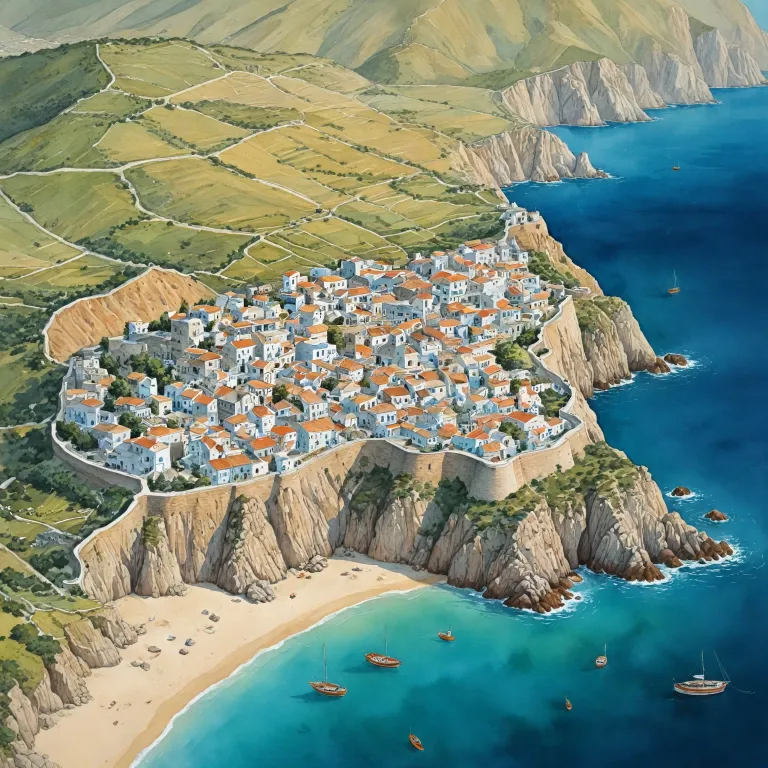
Understanding the patmos map: geography, history, and spiritual legacy
Patmos, a Greek island in the Aegean Sea, is renowned for its spiritual and historical resonance. The patmos map reveals a landscape shaped by centuries of devotion, with the Monastery of Saint John the Theologian and the Cave of the Apocalypse standing as enduring symbols. As you examine the map of Patmos, you will notice the intricate layout of Chora, the island’s capital, nestled in the South Aegean regional unit of Greece. The island’s compact area of 34.05 km² allows for easy navigation between its cities, beaches, and religious sites. The patmos map is essential for travelers seeking to immerse themselves in the island’s unique blend of natural beauty and sacred heritage. The geography of Patmos is defined by rolling hills, secluded coves, and a coastline dotted with over 90 beaches. The island’s position in the Aegean Sea places it among the most significant Greek islands, with connections to neighboring islands such as Samos, Naxos, and Paros. Each map of Patmos provides valuable insight into the proximity of these islands, facilitating seamless island hopping across the Aegean islands. The historical significance of Patmos is closely tied to John of Patmos, the author of the Book of Revelation. The patmos map guides visitors to the Monastery of Saint John and the Cave of the Apocalypse, both UNESCO World Heritage Sites. These landmarks are not only central to the island’s religious identity but also serve as focal points for regional and international pilgrims. Exploring the map of Patmos, one uncovers the profound connection between geography, faith, and history that defines this Greek island.Key religious sites on the patmos map: monasteries, churches, and sacred caves
The patmos map is a gateway to understanding the island’s deep religious heritage. The Monastery of Saint John the Theologian, founded in 1088, dominates the skyline of Chora and is a masterpiece of Byzantine architecture. The monastery is intricately detailed on every map of Patmos, highlighting its significance as a spiritual and cultural beacon in the Aegean Sea. Pilgrims and travelers alike use the patmos map to navigate the winding paths leading to this revered site. Adjacent to the monastery, the Cave of the Apocalypse is another essential destination marked on the map Patmos. According to tradition, it is here that John of Patmos received the visions recorded in the Book of Revelation. The cave’s location is clearly indicated on most maps, making it accessible for those seeking a contemplative journey. As noted in the dataset, “The Cave of the Apocalypse is traditionally believed to be the site where John of Patmos received the visions recorded in the Book of Revelation. It is a major pilgrimage site and part of a UNESCO World Heritage designation.” Beyond these iconic landmarks, the patmos map reveals numerous churches scattered across the island. The regional unit of Patmos is home to a remarkable concentration of churches, many of which date back centuries. These churches, often referred to as churches Asia, reflect the island’s enduring ties to early Christian communities. Each church is meticulously marked on the map, inviting visitors to explore the spiritual tapestry of Patmos. For those interested in broader island hopping, the map greece and maps of the Greek islands provide context for journeys to nearby destinations such as Samos island, Naxos island, and Paros island. For more insights on sacred sites, explore our comprehensive guide to Greek religious heritage.Island hopping in the Aegean: using the patmos map for seamless travel
Island hopping is a quintessential Greek experience, and the patmos map is an indispensable tool for planning your journey across the Aegean islands. The strategic location of Patmos within the Aegean Sea makes it an ideal starting point for exploring other Greek islands. The map of Patmos illustrates ferry routes connecting the island to Samos, Naxos, Paros, and other regional destinations. These connections are vital for travelers seeking to experience the diversity of the Greek islands. The map Greece and maps of the Greek islands highlight the proximity of Patmos to major cities Greece, such as Athens, and to other islands Aegean. Ferry schedules are typically marked on digital and printed maps, allowing for efficient planning. The patmos map also details the island’s ports and marinas, which serve as gateways to the wider Aegean Sea. Whether you are traveling to Samos island for its lush landscapes or to Naxos island for its ancient ruins, the map Patmos ensures you remain oriented throughout your journey. For those interested in religious tourism, the patmos map is invaluable for tracing the footsteps of Saint John and exploring the monastery Saint John. The map also highlights lesser-known churches and monasteries, offering opportunities for quiet reflection away from the main tourist routes. To further enhance your island hopping adventure, consult our Aegean travel planner for expert tips and route suggestions.Exploring Chora and the cities of Patmos: urban highlights on the map
Chora, the capital of Patmos, is a focal point on every patmos map. This city, located in the South Aegean regional unit, is renowned for its labyrinthine streets, whitewashed houses, and panoramic views of the Aegean Sea. The map of Patmos provides a detailed layout of Chora’s neighborhoods, highlighting key landmarks such as the Monastery of Saint John, the Cave of the Apocalypse, and the island’s main squares. The cities Greece are often characterized by their blend of ancient and modern influences, and Chora is no exception. The patmos map guides visitors through the city’s vibrant markets, traditional tavernas, and artisan shops. Each street and alleyway is meticulously charted, ensuring that travelers can navigate with confidence. The map also marks the locations of cultural institutions, such as museums and galleries, which showcase the island’s artistic heritage. Beyond Chora, the map Patmos includes other settlements and villages, each with its own unique charm. Skala, the island’s main port, is a bustling hub of activity and a key point of arrival for ferries from the Greek mainland and other islands Aegean. The map Greece and maps of the Greek islands provide context for exploring these urban centers, making it easy to plan day trips and excursions. For a deeper dive into the urban fabric of Patmos and its neighboring islands, visit our Greek cities travel insights.Natural wonders of Patmos: beaches, landscapes, and the aegean sea
The patmos map is not only a guide to religious and urban sites but also a key to unlocking the island’s natural beauty. Patmos is celebrated for its diverse landscapes, from rugged hills to serene beaches. With over 90 beaches marked on the map Patmos, travelers can choose from secluded coves, family-friendly shores, and dramatic cliffs overlooking the Aegean Sea. The map of Patmos details the location of each beach, making it easy to plan a day by the sea. The island’s position in the Aegean Sea ensures that its beaches are lapped by crystal-clear waters, ideal for swimming, snorkeling, and sailing. The patmos map also highlights hiking trails that wind through the island’s interior, offering panoramic views of the Greek islands and the surrounding sea. These trails connect key natural landmarks, such as the hills above Chora and the coastal paths leading to hidden bays. The regional unit of Patmos is committed to preserving its natural heritage, with conservation efforts focused on maintaining the island’s pristine environments. The map Greece and maps of the Greek islands provide broader context for exploring the natural wonders of the Aegean islands. Whether you are seeking adventure or tranquility, the map Patmos is your gateway to the island’s most breathtaking landscapes.Practical travel tips: using the patmos map for a rewarding visit
A successful journey to Patmos begins with a thorough understanding of the patmos map. Before arrival, it is advisable to obtain a detailed map of Patmos to navigate its diverse landscapes and historical sites. The map Patmos is especially useful for identifying the locations of key attractions, ferry terminals, and accommodation options. As Patmos is accessible only by sea, the map Greece and maps of the Greek islands are essential for planning your route from cities Greece such as Athens or from neighboring islands Aegean. When visiting religious sites, respect local customs and dress codes, particularly at the monastery Saint John and the various churches Asia. Guided tours are available and can be booked in advance, as noted in the dataset: “Yes, there are several guided tours available that cover the historical and religious sites of Patmos, including the Monastery of Saint John the Theologian and the Cave of the Apocalypse. It's advisable to book these tours in advance, especially during peak tourist seasons.” The patmos map also marks the locations of local amenities, such as restaurants, shops, and medical facilities, ensuring a comfortable stay. For those interested in sustainable tourism, the regional unit of Patmos has implemented initiatives to preserve the island’s cultural and natural heritage. Digital mapping technologies and virtual tours are increasingly integrated into the visitor experience, enhancing accessibility and engagement. The map Patmos is thus not only a navigational tool but also a gateway to a deeper appreciation of the island’s unique character.Patmos in context: connecting with the wider aegean and Greek islands
The patmos map situates the island within the broader context of the Aegean Sea and the Greek islands. Patmos is part of a network of islands Aegean, each with its own distinct identity and attractions. The map Greece and maps of the Greek islands facilitate connections between Patmos and destinations such as Samos island, Naxos island, and Paros island. These islands are easily accessible by ferry, with routes clearly marked on regional maps. The cultural and historical ties between Patmos and its neighboring islands are evident in shared traditions, festivals, and architectural styles. The map Patmos highlights these connections, encouraging travelers to explore the rich tapestry of the Aegean islands. The island’s role as a center of religious pilgrimage is underscored by its association with John of Patmos and the Book of Revelation. The monastery Saint John and the churches Asia are focal points for visitors seeking spiritual enrichment. For those planning extended journeys, the map Greece provides an overview of major cities Greece and transportation networks. This broader perspective is invaluable for coordinating travel between multiple islands and regions. By integrating the patmos map into your travel planning, you gain access to a wealth of experiences that span the cultural, historical, and natural wonders of the Greek island world.Key statistics about Patmos and its map
- Area of Patmos: 34.05 km²
- Population: 3,283 people
- Number of beaches: 90
Frequently asked questions about Patmos and island hopping
What is the significance of the Cave of the Apocalypse?
The Cave of the Apocalypse is traditionally believed to be the site where John of Patmos received the visions recorded in the Book of Revelation. It is a major pilgrimage site and part of a UNESCO World Heritage designation.
How can I access Patmos?
Patmos is accessible by ferry from various ports in Greece, including Piraeus (Athens), and nearby islands such as Samos and Leros. There is no airport on the island, so sea travel is the primary means of access.
Are there guided tours available on Patmos?
Yes, there are several guided tours available that cover the historical and religious sites of Patmos, including the Monastery of Saint John the Theologian and the Cave of the Apocalypse. It's advisable to book these tours in advance, especially during peak tourist seasons.