Planning your Falklands 2 week itinerary: essential travel tips and logistics
Embarking on the Falklands 2 week itinerary offers an immersive journey through a network of remote islands, each with its own character and wildlife. Begin your trip in Stanley, the vibrant capital of East Falkland, where you can acclimatize and explore the Falkland Islands Museum. The city’s compact size makes it ideal for walking tours, and its proximity to the sea provides a scenic backdrop for your first island day. Booking internal flights with the Falkland Islands Government Air Service (FIGAS) is essential, as these small aircraft are the primary means of travel between islands. Schedules can be flexible, so plan your flights well in advance to ensure smooth connections throughout your trip Falklands.
Weather in the Falklands is famously variable, so pack layers and waterproof clothing to stay comfortable during your days on the islands. Carrying cash in Falkland pounds or British pounds is recommended, especially when visiting remote islands where card payments may not be accepted. Respect for local wildlife is paramount; always maintain a safe distance from penguins, sea lions, and elephant seals, and follow guidance from local tour operators. Engaging with residents in Stanley and the smaller settlements enriches your understanding of island life and the legacy of the Falklands war. For more detailed travel tips and to enhance your itinerary, consult the Falkland Islands Tourist Board’s official resources.
Stanley and Volunteer Point: history, culture, and king penguins
Stanley serves as the gateway to the Falklands, blending British heritage with local traditions. Spend your first day exploring the town’s colorful houses, the cathedral, and the waterfront, where reminders of the Falklands war are visible in memorials and museums. The Falkland Islands Museum provides a comprehensive overview of the islands’ history, from early settlement to the impact of the war. On your second day, embark on a guided day trip to Volunteer Point, home to one of the world’s largest king penguin colonies. The journey across East Falkland’s rugged terrain is an adventure in itself, offering glimpses of sheep farms and windswept landscapes.
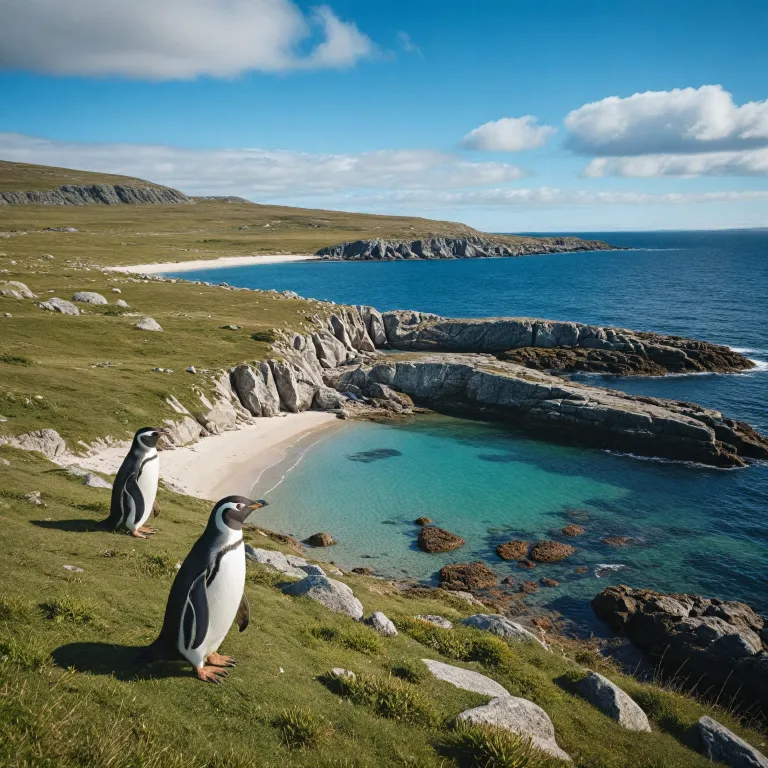
Volunteer Point is a highlight of any Falklands 2 week itinerary, with over 1,000 breeding pairs of king penguins sharing the beach with gentoo and Magellanic penguins. The area’s pristine environment is also frequented by sea lions and a variety of seabirds. Guided tours ensure that visitors respect wildlife habitats while maximizing photographic opportunities. The return to Stanley in the evening allows time to reflect on the day’s encounters and enjoy local cuisine. For those interested in the region’s military history, the town’s war memorials and guided tours provide insight into the events of the Falklands war. Consider extending your stay in Stanley to explore nearby attractions such as Gypsy Cove and Cape Pembroke Lighthouse.
Island hopping by air: Sea Lion Island, Saunders Island, and Carcass Island
Internal flights operated by FIGAS are the lifeline of the Falklands, connecting travelers to remote islands that are otherwise inaccessible. On day three, board a small aircraft for the short flight to Sea Lion Island, renowned for its abundant wildlife and dramatic sea cliffs. The island’s beaches are a haven for elephant seals, sea lions, and a diverse array of bird species, making it a top destination for wildlife enthusiasts. Spend two days exploring Sea Lion Island’s walking trails, observing penguins and seals in their natural habitats, and enjoying the tranquility of island nights under the southern sky.
Continue your journey with a flight to Saunders Island, where the famous Neck offers unparalleled opportunities to observe multiple penguin species, including king, rockhopper, and gentoo penguins. The island’s varied terrain, from rolling hills to sandy beaches, invites exploration on foot. Carcass Island, your next stop, is celebrated for its lush vegetation and prolific birdlife. Guided tours and self-guided hikes reveal the island’s hidden coves and panoramic views of the sea. Each island day brings new encounters with wildlife and the chance to learn about the unique challenges of island life in the South Atlantic. For more on the logistics of island hopping, see our comprehensive guide to internal flights in the Falklands.
Pebble Island, Bleaker Island, and West Point: landscapes and local hospitality
Pebble Island is a highlight of the Falklands 2 week itinerary, offering a blend of natural beauty and historical intrigue. The island’s varied terrain includes sandy beaches, rocky outcrops, and wetlands that attract a wide range of wildlife. Guided tours provide insight into the island’s role during the Falklands war, with remnants of aircraft and memorials scattered across the landscape. Spend your days exploring the coastline, photographing penguins, and learning about the island’s small community. Pebble Island’s hospitality is renowned, with local hosts sharing stories of island life and the challenges of living in a remote environment.
Bleaker Island is another gem, known for its windswept beaches and thriving wildlife populations. Day trips to Bleaker Island offer excellent opportunities for hiking, birdwatching, and photography. The island’s wetlands are home to waterfowl and waders, while the coastline is frequented by sea lions and elephant seals. West Point, accessible by boat or air, is famous for its dramatic cliffs and large colonies of black-browed albatrosses. Each island visit deepens your appreciation for the Falklands’ ecological diversity and the resilience of its inhabitants.
Wildlife encounters: penguins, seals, and the rhythm of island life
The Falklands are a sanctuary for wildlife, with each island offering distinct opportunities for close encounters. King penguins at Volunteer Point are a must-see, but gentoo, Magellanic, and rockhopper penguins can be found on Saunders Island, Carcass Island, and Pebble Island. Sea Lion Island is particularly notable for its elephant seals, which haul out on the beaches in large numbers. The islands’ remote location and minimal human disturbance create ideal conditions for observing wildlife in its natural state. Guided tours and self-guided walks allow visitors to witness the daily rhythms of island life, from penguin courtship displays to sea lions basking on the rocks.
Birdwatchers will delight in the diversity of species, including albatrosses, caracaras, and endemic songbirds. The islands’ marine environment supports dolphins, whales, and a rich variety of fish, making each day by the sea an adventure. Respect for wildlife is central to the Falklands experience; visitors are encouraged to follow local guidelines and maintain a safe distance from animals. Engaging with local guides enhances your understanding of the islands’ ecology and the importance of conservation. The rhythm of island nights, with clear skies and the sound of the sea, provides a peaceful end to each day of exploration.
Understanding the Falklands war and its legacy on the islands
The Falklands war remains a defining chapter in the islands’ history, shaping the identity of both Stanley and the outlying communities. Memorials, museums, and guided tours offer insight into the conflict’s impact on island life and the ongoing process of remembrance. In Stanley, the Liberation Monument and the Falkland Islands Museum provide detailed accounts of the war’s events and its aftermath. Many islands, including Pebble Island and West Point, bear physical reminders of the conflict, from wreckage sites to commemorative plaques.
Local residents are often willing to share personal stories, offering a human perspective on the war’s legacy. The resilience of the islanders is evident in their commitment to preserving both their history and their unique way of life. The war’s influence extends to the islands’ approach to tourism, with an emphasis on respectful engagement and education. Visitors are encouraged to learn about the conflict’s significance and to reflect on its lasting effects during their travels. As one expert notes, "Yes, the Falkland Islands are considered safe for tourists, with low crime rates and friendly locals." This sense of security and hospitality is a testament to the islands’ enduring spirit.
Maximizing your Falklands 2 week itinerary: practical advice and sustainability
To make the most of your Falklands 2 week itinerary, careful planning and flexibility are key. Internal flights with FIGAS enable access to remote islands, but weather conditions can affect schedules, so allow extra time for connections. Packing appropriately for the islands’ unpredictable climate ensures comfort during outdoor activities, from hiking to wildlife watching. Supporting local accommodation providers and tour operators contributes to the sustainability of island tourism and helps preserve the unique character of each community.
Respect for the environment and wildlife is central to the Falklands experience. Follow local guidelines, minimize your impact, and engage with conservation initiatives where possible. The islands’ small population and limited infrastructure mean that every visitor plays a role in supporting local life and protecting natural habitats. For those seeking further travel tips, the Falkland Islands Tourist Board and local guides offer valuable resources. Your journey through the islands will be enriched by curiosity, respect, and a willingness to embrace the rhythm of island life. The ultimate reward is a deeper connection to the land, the sea, and the people who call the Falklands home.
Key statistics for your Falklands 2 week itinerary
- Number of king penguins at Volunteer Point: 1,000 breeding pairs
- Average summer temperature: 15 degrees Celsius
- Annual rainfall: 600 millimetres
Frequently asked questions about island hopping in the Falklands
Do I need a visa to visit the Falkland Islands?
Visitors from the EU, USA, Canada, Australia, New Zealand, South Korea, Japan, Argentina, and Brazil do not require a visa for stays up to one month. A visitor permit is issued upon arrival.
What is the best time to visit the Falkland Islands?
The best time to visit is during the austral summer, from October to April, when temperatures are milder, and wildlife activity is at its peak.
How do I travel between islands in the Falklands?
Internal flights operated by FIGAS are the primary means of transportation between islands, using small aircraft that function like an air taxi service.