Rethinking island hopping on a budget tips
Island hopping has a reputation for draining any careful budget fast. Yet a smart mix of overnight ferries, sleep pods, and free island buses can turn expensive hops into quietly efficient journeys that feel indulgent in time, not in cost. When you plan each island, each day, and each window of movement with intent, the rhythm of your trip changes completely.
Across the Pacific and beyond, budget travelers are learning to treat transport as both movement and accommodation, especially on routes between inhabited islands where distances look daunting on a map. Swapping a room for an overnight ferry can often cut accommodation spending by the price of a basic guesthouse bed, which becomes significant when you stretch a trip over ten or more days. That single decision can be the difference between limiting yourself to one island and allowing a longer round trip that includes several islands in the same archipelago.
Think of island hopping as a choreography of segments rather than a string of flights, and you start to see where the real savings hide. In places like the Hawaiian Islands, for example, a classic route might include Oahu, Maui, Kauai, and the Big Island, yet the most budget friendly experiences rarely sit right on the famous sand beaches. They live in the bus system, in the timing of your visit to a national park, and in the choice to travel islands overnight instead of paying for a bed you barely use.
Overnight ferries as your two for one budget ally
Overnight ferries are the quiet workhorses of island hopping on a budget, turning a long stretch of water into a moving hostel that lets you sleep while you travel. On Greek routes, Blue Star Ferries link islands like Naxos, Paros, and Rhodes, while in Indonesia Pelni ships knit together far flung islands across the vast Pacific waters. In Japan, Setonaikai ferries glide through the Inland Sea, where a simple reclining seat or capsule style berth can replace a night in a room on shore.
For budget travelers, the calculation is simple: a ferry ticket that includes a seat or basic cabin often costs less than a separate bed plus daytime transport between islands. For example, on some Greek routes a deck or economy seat between Athens (Piraeus) and Naxos can start around 40–50 EUR in shoulder season, while a basic private room on the island may cost a similar amount or more. When you add in the value of combining transport and rest into one fare, an overnight hop becomes one of the most budget friendly things any island lover can book.
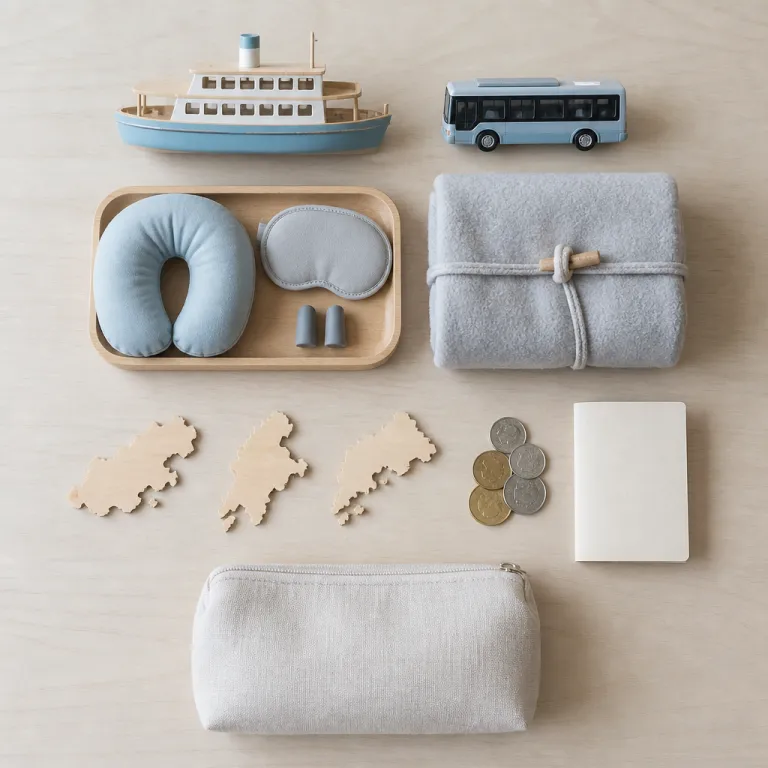
Use online booking platforms or contact ferry operators directly to secure the cheapest tiers early, especially on popular routes where every island and every day sells out fast. Bring a travel pillow, light blanket, and earplugs so the shared cabin feels more like your own compact island, even when the ship is full of people who also wanted to visit the same beaches. For a deeper look at how sea routes shape costs and timing across archipelagos, the tidal atlas style guide on reading the sea for your island hopping journey at this detailed Caribbean routing piece offers useful parallels for other regions.
How can I find overnight ferries? Use online booking platforms or contact ferry operators directly, then compare prices and timetables across several days to spot the cheapest crossings.
Free island buses, shared rides, and the art of slow transfers
Once you step off the ferry, the next line in your island hopping on a budget playbook is local transport, because this is where many trips quietly bleed cash. Some islands run a free bus system funded by local transportation authorities, especially on routes between ports, main towns, and key beaches. Instead of assuming every transfer requires a taxi, checking municipal transport pages before you travel can reveal no cost shuttles or very low flat fares that reshape how you move.
On Oahu, for example, TheBus network is not free but remains one of the most budget friendly ways to cross the island from Honolulu to windward sand beaches, and it shapes how backpacking Hawaii can stay affordable even when accommodation prices climb. Kauai’s buses are more limited in time and coverage, yet they still link Lihue with parts of the coast, allowing budget travelers to reach trailheads and viewpoints without renting a car for several days. The Big Island has longer distances and fewer routes, but using Hele On buses where possible, then filling gaps with shared taxis, can still save money over a full week.
Policy shifts matter here, because taxes and fees on visitors can change the cost of every island hop overnight. The detailed analysis of Hawaii’s climate tax on cruise passengers at this climate tax template for island destinations shows how quickly a seemingly small levy can reshape what becomes expensive and what remains accessible. When you read such reports before you travel islands, you can adjust your route, perhaps spending more time on one island with a strong bus system and fewer fees, then shortening your stay on another where every day now carries a higher cost.
Sleep pods, capsule hostels, and the new budget bed
Sleep pods and capsule style hostels have quietly become the third pillar of budget island hopping tips, especially in ferry ports and compact city centers. In Japan’s Setonaikai region, for example, capsule hostels near ferry terminals let you arrive late from one island, sleep cheaply, then board an early boat to the next without paying for a full service room. Similar concepts are appearing in parts of Indonesia and Greece, where hostel operators recognize that budget travelers value location and timing over floor space.
Prices vary by island and season, but in many cases a pod costs noticeably less than a standard room, which means two nights in a capsule can equal one night in a mid range property. Industry reports on compact accommodation show a steady rise in travelers choosing pods and micro rooms, a trend that aligns with the growth in multi purpose travel solutions that merge rest and movement. When you combine a pod stay with an overnight ferry on another day, you effectively cut your accommodation budget by a third across a week long trip.
In the Hawaiian Islands, pure capsule hostels are still limited, yet dorm style hostels on Oahu, Maui, Kauai, and the Big Island often offer pod like bunks with privacy curtains, reading lights, and individual power outlets. These details matter when you are backpacking Hawaii, because a good night’s sleep in a shared room can be the difference between hiking Waimea Canyon with energy or wasting a day on the beach recovering. For a clear view of how pricing across the islands is shifting, the report on how island hopping in Hawaii has become drastically more expensive at this in depth Hawaii cost analysis is essential reading before you lock in your route.
Shoulder seasons, meal strategies, and real numbers for daily costs
Timing is the quiet lever in island hopping on a budget, because shoulder seasons often deliver the same beaches and trails at a fraction of the price. In many archipelagos, accommodation and transport drop once you move a few weeks away from peak holidays, yet the weather remains stable enough for ferries and outdoor activities. That shift alone can turn a rushed five day visit into a relaxed ten day trip across several islands without increasing your total spend.
Meal strategy is the next layer, and it is where many budget travelers either shine or stumble, especially on islands where waterfront restaurants price for cruise passengers rather than backpacking Hawaii style explorers. Markets, bakeries, and local cantinas usually serve the same fresh fish, vegetables, and island staples at a fraction of the cost, and they often sit just one street behind the main beach. When you treat the waterfront as a view to enjoy with a takeaway pastry rather than a place to sit for every meal, your budget suddenly stretches across more days and more inhabited islands.
Real world examples back this up: in parts of Southeast Asia, including the Philippines, careful travelers routinely keep island hopping costs low by combining overnight ferries, simple guesthouses, and market food. That figure includes local buses or shared taxis, which mirror the free or low cost bus system options now appearing on some islands in Europe and the Pacific. The same principles apply in Hawaii, where cooking simple meals in hostel kitchens on Oahu or Maui Lanai routes can offset the higher base prices of the Hawaiian Islands and keep your round trip within reach.
Designing a sample island hopping day without overspending
To see how these elements work together, imagine a single day in a longer island hopping on a budget itinerary, perhaps somewhere between Maui and Lanai or between two Greek islands. You wake on an overnight ferry, having used the ship as both your bed and your transport, and step onto the pier just as the first light hits the harbor. Instead of rushing to a room, you store your bag at the port, grab a simple breakfast from a bakery window, and walk to the bus stop.
A free or low cost bus system carries you to a national park trailhead, where you spend the morning hiking rather than shopping, trading retail temptations for views that cost nothing, whether you are in Waimea Canyon on Kauai or near volcanoes national park on the Big Island. Later, you ride back to town, swim at a public beach with locals, and eat at a small cantina that serves the same grilled fish as the waterfront restaurant but at a price that does not blow your budget. By late afternoon, you collect your bag, board another ferry or a shared taxi to a nearby village, and check into a capsule style hostel or simple room for the night.
Across that single day, you have visited multiple parts of one island without renting a car, used public infrastructure that local transportation authorities designed for residents, and kept your costs aligned with what many would spend on a single waterfront lunch. Multiply that pattern across several islands, and your trip stops being a series of expensive hops and becomes a coherent, budget friendly journey. Do not skip content like bus timetables, ferry schedules, and local market hours when you plan, because those quiet details are the real things any island traveler should share and refine over time.
FAQ
How can I find overnight ferries for island hopping?
Most overnight ferries can be found through major online booking platforms that aggregate routes across regions, or directly on the websites of operators such as Blue Star in Greece, Pelni in Indonesia, and Setonaikai lines in Japan. Schedules on popular routes between inhabited islands are usually published several months in advance, which allows you to align your days and nights efficiently. When in doubt, local port offices and tourist information desks can confirm last minute changes in time or seasonal adjustments.
Are sleep pods and capsule hostels available on every island?
Sleep pods and capsule style hostels are concentrated in larger ports and urban hubs rather than on every small island. You are more likely to find them in cities that act as gateways to wider island chains, such as major ferry terminals in Japan, Indonesia, or Greece. On smaller islands, dorm style hostels or simple guesthouses usually fill the same budget friendly role, even if they do not use true capsule designs.
Do all islands offer free bus systems for travelers?
Not every island operates a free bus system, and policies can change as local governments adjust budgets and tourism strategies. Some destinations offer free shuttles on specific routes, such as between ports, airports, and key beaches, while charging modest fares on other lines. Because coverage and schedules vary widely, it is essential to research each island’s transport network before your trip and to check updates from local transportation authorities close to your day of travel.
Can island hopping really be affordable for solo travelers?
Island hopping can be surprisingly affordable for solo travelers who combine overnight ferries, budget friendly hostels, and local transport instead of private transfers and resort style stays. Using ferries as both transport and accommodation, eating at markets and bakeries, and traveling in shoulder seasons can reduce daily costs dramatically, especially in lower cost regions. The key is to design your route around infrastructure that already exists for residents, such as bus systems and shared taxis, rather than building your trip around the most expensive beaches.
Are sleep pods available in all transit areas?
Availability varies; check with specific transit hubs. Larger ferry terminals and airports in countries like Japan are more likely to offer sleep pods, while smaller island ports may only have simple waiting areas or nearby hostels. Always verify options in advance if you plan to rely on pods as part of your overnight strategy.
Practical checklist for budget island hopping
Sample costs (will vary by season and destination): short inter island ferry in Greece or Indonesia: often from the price of a simple restaurant meal; local bus rides on islands like Oahu or Kauai: usually comparable to a modest snack; basic hostel bed or capsule: often similar to a mid range dinner. Treat these as ballpark figures and confirm current fares before you travel.
Booking windows: reserve popular overnight ferries and central hostels at least a few weeks ahead in peak periods, and several days ahead in shoulder season. For buses, tickets are often bought on board or at simple kiosks, but long distance or limited routes may require advance purchase.
Seasonal cancellations: in many archipelagos, winter storms, strong winds, or heavy rain can delay or cancel ferries with little notice. Build a buffer day into your itinerary, avoid scheduling tight same day connections with flights, and always check morning weather and operator alerts before heading to the port.