A Tinos Greece island guide for slow island hopping
Tinos sits in the northern Cyclades, a Greek island framed by the Aegean Sea. While neighboring Greek islands chase the next beach club opening, this island leans into marble, monasteries, and walking paths that still link villages like veins. For solo travelers planning Greece travel, this Tinos Greece island guide is about pace rather than spectacle.
The ferry from Mykonos to Tinos island takes around thirty minutes, which makes it an easy first hop or a quiet follow up to louder islands. You step off in Tinos Town, also called Tinos Chora or simply Chora, where the harbor curves around fishing boats and low key cafés instead of cruise ships. From here, every day can move between the waterfront town, the inland villages, and a different beach on the coast.
As interest in lesser known Greek islands grows, Tinos has become a favorite among food writers, hikers, and art lovers who want culture with their beaches. The island now appears on many Greece travel wishlists for its dovecotes, marble workshops, and a network of hiking trails that link more than fifty villages. This Tinos Greece island guide focuses on how to visit Tinos as part of a wider island hopping route without losing the pleasure of staying put.
Walking the marble villages and dovecote valleys
The heart of any serious Tinos Greece island guide is the walking culture, because this island is best understood on foot. According to regional hiking maps and local tourism offices, more than sixty waymarked routes connect villages, chapels, and terraced hillsides, turning a simple day walk into a moving lesson in Cycladic architecture. Paths are usually stone paved between one village and the next, then turn to earth as they cross valleys filled with olive trees and dovecotes.
Pyrgos village in the north is the most famous marble settlement on Tinos island, and it deserves at least half a day. Here you find marble carved doorframes, fountains, and even café tables, all fed by the island’s historic marble quarries that once supplied sculptors across Greece. Nearby, the cemetery is an open air gallery of funerary sculpture, and any serious travel guide to the Greek islands will mention Pyrgos as a reference point for Cycladic stonework.
Volax village, set among granite boulders, offers a different landscape and another reason to visit Tinos with walking shoes. Trails radiate from the amphitheater like settlement toward neighboring villages and down to the sea, and you can link several routes into one long day. For multi island planners used to wildlife hikes in places like the Falklands, the island hopping and hiking mindset translates well here, only with more marble and more tavernas at the end of each path.
Panagía Evangelístria and the quiet power of Tinos town
Every Tinos Greece island guide must address faith, because pilgrimage shaped this island long before leisure travel. Above Tinos Town rises Panagia Evangelistria, also known as Evangelistria Church, one of the most important Greek Orthodox shrines in Greece. Pilgrims still approach the church on their knees from the harbor, following a carpeted strip that runs up the main street of Tinos Chora.
Inside Evangelistria Church, silver votive offerings hang from the walls, and the icon of the Virgin draws worshippers from across the Greek islands. Even if you are not religious, the atmosphere is serious and moving, and it is worth planning your visit around a quieter hour of the day. Respectful dress is expected, and photography should be discreet, which any responsible travel guide will underline.
Back down in Tinos Town, life feels more workaday than on many islands, with hardware stores and bakeries sitting beside small guesthouses. This is where you can find buses to inland villages, rent a car for a circuit of the best beaches, or simply walk the waterfront at sunset. If you are used to US islands that require no passport, guides such as this overview of American island culture offer a useful comparison point, but Tinos remains firmly anchored in Greek daily life.
Beaches, beach bars, and the best coastal days
Tinos is not the island for a single famous beach shot, and that is precisely its charm. Instead, this Tinos Greece island guide points you toward a string of beaches locals actually use, each with a slightly different mood. You can swim in the morning, walk a section of trail between villages in the afternoon, then return to a different beach bar for the evening.
Rochari Beach in the north is a favorite for its wide arc of sand, clear water, and a relaxed beach bar that keeps music at a conversational level. It is one of the best beaches on Tinos island for solo travelers who want space to read, swim, and watch the light change over the Aegean Sea. Further south, smaller coves near the village Kardiani offer pebbly shores and views back toward other Greek islands, and they reward those willing to navigate narrow roads by car.
When people talk about Tinos best coastal spots, they usually mean a mix of organized beaches with sunbeds and wilder stretches reached by short hiking trails. A good travel guide will mark which beaches are exposed to the meltemi wind, so you can choose the right side of the island on any given day. If you are planning a longer island hopping route, you can pair these understated shores with more resort driven stays elsewhere, using curated lists of island properties worth booking to balance your itinerary.
Food, marble art, and how Tinos fits your Cyclades route
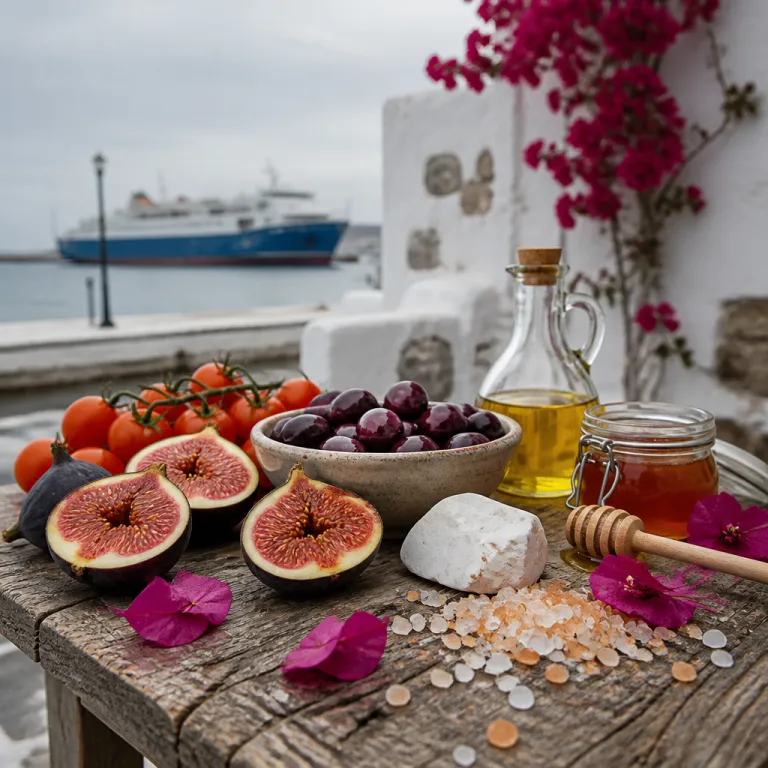
Food is where many travelers finally understand why Tinos Greece has become a quiet reference point among chefs and writers. The island’s villages support a network of farm to table tavernas, with artichokes, capers, and local cheeses anchoring menus that change by season and by day. In spring, artichoke stews appear everywhere, while summer brings tomatoes, figs, and grilled fish that rarely traveled far from the Aegean Sea.
In Pyrgos and other marble focused villages, workshops still carve stone for both religious and secular commissions, and you can often watch artisans at work. The marble cemetery in Pyrgos is a moving open air museum, while scattered dovecotes across the island show how architecture once served both pigeons and people. Data from regional guides and cultural studies notes around fifty villages and roughly one thousand dovecotes on Tinos island, which gives a sense of how dense the cultural landscape really is.
For island hoppers, the practical question is how to visit Tinos as part of a wider Greek islands loop without rushing. The answer is to allow at least three full days on the island, ideally more, using ferries from mainland Greece or nearby islands and moving mostly on foot once you arrive. As one local guide to the Cyclades puts it: “Wear comfortable shoes for walking. Check ferry schedules in advance. Respect local customs and traditions,” which is as close as any travel guide comes to summarizing the spirit of this place.
Planning logistics for solo travelers and cultural island hoppers
For solo travelers using this Tinos Greece island guide, logistics are straightforward but reward a little planning. Ferries connect the island to both mainland Greece and neighboring islands, and schedules shift by season, so checking times before you travel is essential. In high season, routes between Rafina, Mykonos, and Tinos are typically served several times a day by major operators, and advance booking is recommended.
The best time to visit depends on your priorities, and this is where Tinos differs sharply from Santorini or Mykonos. Spring and early summer bring green hills, blooming terraces, and religious festivals around Panagia Evangelistria, while late summer and autumn offer warm seas, fewer crowds, and ideal conditions for hiking trails. Winter is quieter and more introspective, with many beaches empty and villages focused on local life rather than visitors.
Compared with Santorini’s cruise ship traffic and sunset economy, Tinos Greece feels grounded, with Tinos Town functioning as a real working port rather than a stage set. That makes it a strong base for cultural island hopping, especially if you value conversations in village cafés as much as views from the beach. Used well, this travel guide can help you find your own rhythm between Chora, village Kardiani, marble Pyrgos, and the low hum of the Aegean Sea beyond.
FAQ
How do I get to Tinos island without flying?
You reach Tinos island by ferry from mainland Greece or from nearby Greek islands such as Mykonos, Andros, or Syros. The Mykonos to Tinos route is one of the shortest, often around thirty minutes, which makes it ideal for island hopping. Services vary by season, so always check current schedules before you travel.
What is Tinos best known for among the Greek islands?
Tinos is best known for its traditional villages, marble artistry, and religious significance centered on Panagia Evangelistria. The island also has a dense network of hiking trails and more than fifty villages, which makes it particularly rewarding for walkers. Food, dovecotes, and low key beaches round out its reputation among culture focused travelers.
When is the best time to visit Tinos for hiking and culture?
The best time to visit for hiking trails and village life is generally spring, early summer, and autumn, when temperatures are milder. These seasons offer clear paths between villages, active workshops in places like Pyrgos, and fewer crowds at Evangelistria Church. Summer brings warmer seas and more beach days, but also stronger winds and busier ferries.
Do I need a car on Tinos, or can I rely on buses and walking?
You can experience much of Tinos Greece on foot and by bus, especially if you base yourself in Tinos Town or a central village. However, renting a car for at least one day lets you reach more remote beaches Tinos is known for and smaller villages beyond the main routes. Many travelers combine walking between nearby villages with a car day for the island’s far corners.
Is Tinos a good choice for solo travelers interested in culture rather than nightlife?
Tinos is an excellent choice for solo travelers who prioritize culture, food, and walking over nightlife. The island’s villages, marble heritage, and Panagia Evangelistria create a rich context for slow exploration, while low key beach bar culture keeps evenings relaxed. Compared with more party focused islands, Tinos offers a quieter, more grounded version of Greece travel.