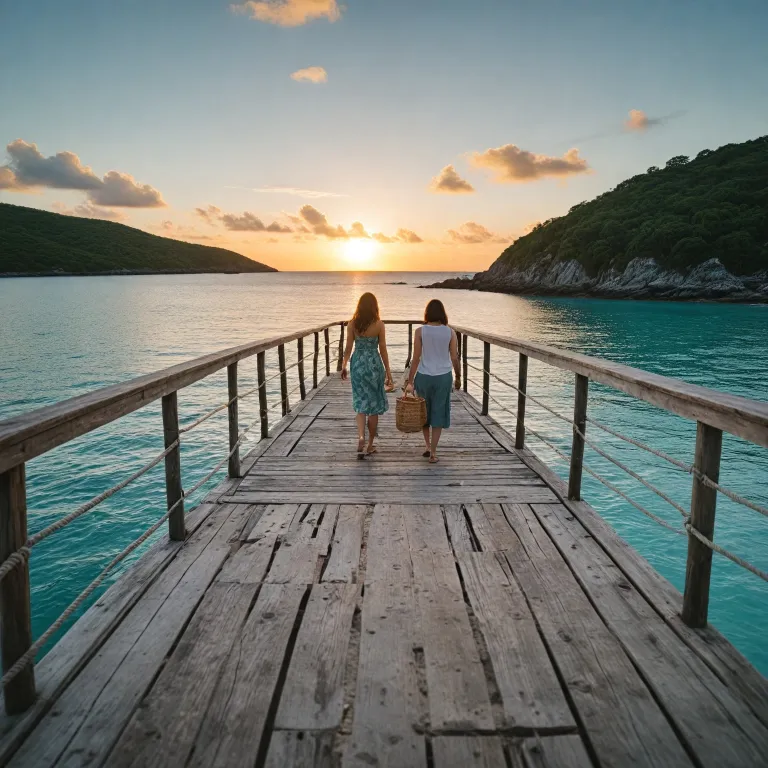
Setting the scene in the Spanish Virgin Islands
The Spanish Virgin Islands sit quietly east of the main island of Puerto Rico, offering a refined alternative to busier Caribbean circuits. These islands, centred on Vieques and Culebra, belong politically to the United States yet feel a world away from mainland states and crowded resort strips. For travellers planning island hopping, this compact archipelago combines ease of access with a sense of remoteness.
Historically, the sea routes around each island shaped their character, from Taíno and Carib navigation to the arrival of Christopher Columbus. The Spanish Empire later recognised how these islands guarded approaches to San Juan, long before modern puerto rican tourism boards promoted their beaches. This layered past still influences how visitors move between the islands and how local communities frame sustainable tourism.
Today, most travellers begin in San Juan, then continue to the spanish virgin islands by ferry or small aircraft. The main island of Puerto Rico acts as a springboard, with domestic flights linking the capital to Vieques and Culebra in under an hour. Ferries from the puerto rican mainland also connect the islands, though schedules can shift with sea conditions.
Island hopping here rewards those who travel slowly and respect the environment. The spanish virgin character of Vieques and Culebra lies in protected bays, low key villages, and carefully managed marine reserves. As you plan your route across these virgin islands, think in terms of days shaped by tides, ferry timetables, and the soft rhythm of caribbean light.
Planning an elegant island hopping itinerary
Designing an itinerary across each island in the spanish virgin islands begins with understanding distances and logistics. Vieques lies roughly 13 kilometres off the eastern coast of Puerto Rico, while Culebra sits slightly farther north in the caribbean sea. Ferries and small planes link these islands with Ceiba and San Juan, but services can sell out quickly during peak days.
Many travellers choose to fly from San Juan to Vieques first, then continue by sea to Culebra, creating a natural island hopping arc. This route lets you experience both the aerial perspective over the puerto rican coastline and the slower rhythm of sailing between islands vieques and Culebra. When planning, allow buffer time between connections, as sea conditions and puerto rico holiday traffic can affect schedules.
Solo travellers considering whether island hopping suits them can benefit from guidance tailored to independent adventures. Resources such as this detailed guide to island hopping solo help frame safety, pacing, and social opportunities across different islands. In the spanish virgin context, small guesthouses, shared taxis, and compact ferry terminals make navigation manageable even for first time visitors.
When structuring your days, balance active exploration with unhurried time on the beaches. A refined itinerary might pair a morning snorkelling in a sheltered bay with an afternoon wandering a puerto rican village plaza. By alternating movement and stillness, you experience each island puerto in a way that respects both local life and your own energy.
Vieques: bioluminescent nights and quiet days
Vieques is the larger island in the spanish virgin islands, with an area of about 134 square kilometres and a coastline shaped by secluded coves. Its most celebrated natural wonder is Mosquito Bay, often described as one of the brightest bioluminescent bays in the world. Local operators emphasise that “Visit the bioluminescent bay in Vieques.” is more than a slogan ; it is an invitation to witness a rare marine phenomenon.
Night excursions on Mosquito Bay reveal how microscopic organisms light up the sea with every paddle stroke. Strict regulations limit motorised traffic, preserving both the fragile ecosystem and the sense of quiet that defines this puerto rican treasure. Responsible island hopping means choosing operators who respect these rules and explain the science behind the glow.
By day, Vieques offers long, uncrowded beaches where wild horses sometimes graze near the sand. Many visitors rank these stretches of coast alongside flamenco beach on neighbouring Culebra on their personal bucket list of caribbean shores. The contrast between luminous night waters and sunlit bays gives the island a rhythm that rewards stays of several days.
Historically, Vieques played a role in the spanish american and later american war eras, leaving remnants of military infrastructure scattered across the landscape. Today, much of the coastline forms a wildlife refuge, reflecting a shift from strategic outpost to eco tourism showcase. For travellers comparing different island hopping regions, guides to places like island hopping in the Maldives highlight similar tensions between conservation and access.
Culebra: coral reefs, Flamenco Beach, and Ensenada Honda
Culebra, smaller than Vieques at just over 30 square kilometres, offers a more intimate island experience within the spanish virgin islands. Its main settlement sits along Ensenada Honda, a deep natural harbour that shelters sailing yachts and local fishing boats. This bay has long attracted mariners crossing the caribbean sea between the greater antilles and the virgin islands.
Flamenco Beach curves in a near perfect horseshoe, with pale sand and usually calm water ideal for swimming. Many travellers place flamenco beach alongside the finest beaches in the united states or the nearby british virgin archipelago. For island hopping enthusiasts, alternating days between this bay and quieter coves around the island culebra coastline creates a balanced stay.
Snorkelling reveals coral gardens and sea turtles, especially around the leeward side of the island. Local guides often reference the shared ecology of Culebra vieques and the wider rico spanish maritime corridor. Respecting reef etiquette, such as not touching coral and using reef safe sunscreen, helps preserve these habitats for future puerto rican generations.
Culebra’s history also intersects with the spanish american and american war periods, when its strategic position drew military interest. Remnants of that era now sit quietly above the sea, overshadowed by the island’s reputation for tranquil beaches and clear water. For travellers comparing different cruise gateways, resources on vibrant cruise ports elsewhere show how rare Culebra’s low key atmosphere has become.
Connecting Puerto Rico, San Juan, and the wider Caribbean
Understanding how the spanish virgin islands relate to the main island of Puerto Rico helps refine any island hopping plan. San Juan functions as the primary gateway, with its international airport linking the united states and wider caribbean network. From here, domestic flights and ground transfers connect travellers to ferry terminals serving Vieques and Culebra.
The capital’s historic district illustrates how spanish, puerto rican, and american influences have layered over centuries. Cobblestone streets, fortifications, and plazas recall the era when the spanish empire guarded access to its caribbean holdings. Today, visitors often spend a day or two in San Juan before continuing to the quieter virgin islands to the east.
Ferry routes from Ceiba shorten sea crossings, making island puerto connections more comfortable for those prone to motion sickness. Schedules typically include multiple departures on busy days, though weather and sea state can still affect timings. Building flexibility into your itinerary ensures that a delayed sailing becomes an extra afternoon exploring a puerto rican town rather than a source of stress.
Regionally, the spanish virgin islands sit between the better known british virgin and american virgin territories. This geography creates opportunities for extended caribbean voyages that link multiple island groups under different flags. However, immigration rules between the united states, british territories, and puerto rico require careful checking, especially for non US passport holders planning multi island routes.
Responsible island hopping and crafting your bucket list
Responsible travel in the spanish virgin islands begins with recognising the fragility of small island ecosystems. Limited freshwater, narrow waste management capacity, and sensitive marine environments mean every visitor’s choices matter. Simple actions, such as carrying refillable bottles and avoiding single use plastics, support both puerto rican communities and the surrounding sea.
When planning your personal bucket list for this region, think beyond famous beaches and instagram views. Include quieter experiences, such as a dawn walk along an empty bay or a conversation with a local guide about Taíno heritage. These moments often shape deeper memories than a quick photo stop at flamenco beach or Mosquito Bay.
Ethical operators across Vieques culebra and the wider rico virgin corridor increasingly emphasise eco tourism principles. Many tours highlight how Taíno and Carib knowledge of currents and stars predated european navigation by centuries. The dataset reminds us that the Taíno and Carib Indigenous Peoples were the early settlers of the islands before European colonization.
As you move between island and island, remember that each puerto rican community balances tourism with daily life. Respect quiet hours, support locally owned restaurants, and follow guidance in protected areas, whether around Ensenada Honda or lesser known coves. Approached with care, island hopping through these spanish virgin islands becomes not only a caribbean holiday, but a thoughtful engagement with history, culture, and sea.
Key statistics about the Spanish Virgin Islands
- Approximate area of Vieques : 134.4 km², offering extensive coastline for secluded beaches and bays.
- Approximate area of Culebra : 30.1 km², creating a compact island ideal for slow exploration.
- Coordinates of Vieques : around 18.1167° N, 65.4500° W within the northeastern Caribbean basin.
- Coordinates of Culebra : around 18.3167° N, 65.3000° W, slightly north of Vieques and east of Puerto Rico.
Essential questions about island hopping in the Spanish Virgin Islands
What are the Spanish Virgin Islands ?
The Spanish Virgin Islands refer to the islands of Vieques and Culebra, which are part of Puerto Rico. They sit east of the main island in the northeastern Caribbean, under the jurisdiction of the United States. Travellers often pair them with time in San Juan to experience both urban culture and quiet island life.
How can I travel to the Spanish Virgin Islands ?
You can reach Vieques and Culebra by ferry or small aircraft from the main island of Puerto Rico. Most visitors depart from San Juan or Ceiba, with flight times typically under an hour and ferry crossings varying with sea conditions. Booking transport in advance is advisable, especially on weekends and public holidays.
What activities are popular in the Spanish Virgin Islands ?
Popular activities include snorkelling, visiting bioluminescent bays, and exploring pristine beaches. Many travellers also enjoy sailing, kayaking, and gentle hiking along coastal trails with views over the Caribbean Sea. Dining in small, locally owned restaurants adds a cultural dimension to days spent between sea and sand.
Recommended sources for further planning : Puerto Rico Tourism Company, U.S. National Park Service, NOAA Office of National Marine Sanctuaries.