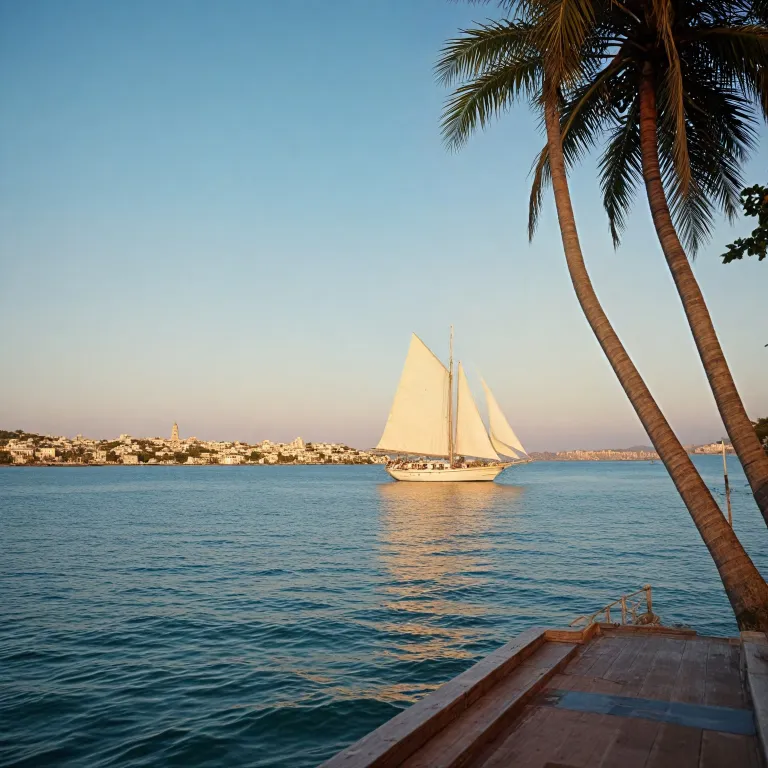
Planning an October sailing to Cartagena for Caribbean island hopping
Sailing to Cartagena in October appeals to travelers who want quieter ports and softer light along the Caribbean coast. This is the month when the cruise season begins in Cartagena, yet the city still feels relaxed enough for independent cruisers planning flexible days between offshore islands. Because October also brings rain, you will need to balance romance and realism when plotting routes between Panama, Colombia, and the surrounding islands.
Cartagena sits on a broad bay that has sheltered boats for centuries, and its modern port now welcomes everything from nimble sailing yachts to large cruise ships. Royal Caribbean International uses the city as a key stop in its Caribbean itineraries, and ProColombia promotes Cartagena as a cultural gateway to Colombia and the wider region. For independent sailors, this same port becomes a staging point for a longer trip that may include Santa Marta, the San Blas islands in Panama, and smaller offshore islands such as Isla Grande.
Weather is the main nuance of sailing to Cartagena in October, because this period forms part of the rainy season. Statistics show that the city can experience around sixteen rainy days during the month, so flexible day plans and well maintained boats are essential. Many skippers schedule shorter days under sail, arriving in port or at anchorages early enough to avoid evening day squalls. With this approach, October becomes less a risk and more a refined choice for those who value atmosphere over guaranteed sunshine.
Choosing routes between Panama, Cartagena, and the offshore islands
For many sailors, the most compelling narrative when sailing to Cartagena in October involves linking Panama and Colombia through a chain of islands. The classic passage between Panama and Colombia often includes the San Blas islands, whose turquoise waters and low lying cays create a natural stepping stone toward the Colombian coast. When you sail Panama to Cartagena, you move from remote anchorages to a historic town whose walled city and lively port feel like a reward after days at sea.
Planning this route requires attention to seasonal patterns, because many crews prefer the period from December to April for more stable trade winds. However, October can still work for experienced cruisers who accept variable waters and build extra days into their schedule between Panama, Cartagena, and Santa Marta. Some skippers break the passage into shorter legs, using well charted bays and anchorages to rest before the final approach to the city of Cartagena.
Island hopping strategy also matters, especially if you want to combine a Panama Colombia crossing with leisurely exploration. A refined way to prepare is to study an elegant guide to exploring multiple islands in one journey and adapt its principles to the Caribbean coast. You might schedule a day trip among the San Blas islands, then allow several days to linger in a quiet bay before continuing toward Colombia. In this way, sailing to Cartagena in October becomes less a transfer and more a curated sequence of islands, ports, and changing horizons.
From Santa Marta to Cartagena: shaping an island focused coastal itinerary
Once in Colombia, many sailors weave Santa Marta and Cartagena into a coastal itinerary that highlights both islands and mainland ports. Santa Marta offers access to national parks and offshore islands, while Cartagena provides a sophisticated town atmosphere and a sheltered bay for resting boats. Linking Santa Marta, Cartagena, and nearby islands such as Isla Grande allows cruisers to alternate between nature rich anchorages and the cultural density of a historic city.
Some years ago, this stretch of the Caribbean coast was considered primarily a delivery route, but based experiences from long term cruisers have changed that perception. Today, Colombia sailing itineraries often include several days in Santa Marta, followed by a relaxed passage to Cartagena with optional stops at smaller islands. The combination of turquoise waters, mountainous backdrops, and well equipped marinas has turned this corridor into a highlight rather than a mere connection between Panama and Colombia.
Island hopping techniques used in other regions can be applied here, especially those that emphasize pacing and local immersion. Resources such as an in depth look at the art of exploring multiple islands in one journey help refine decisions about how many days to spend in each bay or town. You might plan a day San Blas style excursion among nearby cays, then return to the city of Cartagena for an evening day of dining and music. In this rhythm, sailing to Cartagena in October becomes the spine of a journey that celebrates both islands and coastal cities.
Life on board: boats, safety, and seasonal realities in October
Life on board during an October passage toward Cartagena is shaped by the character of the Caribbean waters at this time. Rain showers are more frequent, yet winds can be moderate, which suits well prepared boats that value comfort over speed. Many cruisers adjust their routines, starting each day early, monitoring forecasts closely, and planning arrivals in port or at anchorages before late afternoon.
Safety considerations become more nuanced when sailing to Cartagena in October, because visibility can change quickly in squalls. Skippers often review their Panama Cartagena or Colombia Panama passage plans with extra attention to alternate ports and sheltered bays. Reliable communication equipment, updated charts for offshore islands, and clear protocols for heavy rain all contribute to a calmer mindset on board.
Boat choice also influences the experience, whether you sail Panama in a monohull or catamaran or join a small ship operated by a cruise line. Some travelers opt for a structured itinerary with Royal Caribbean International, using Cartagena as a port of call before or after a day trip to nearby islands. Others prefer independent Colombia sailing routes, where they can linger for days in a quiet bay near Isla Grande or along the broader Caribbean coast. In both cases, the essence of island hopping remains the same, with each port, town, and anchorage adding another layer to the story.
Shore time in Cartagena: culture, bays, and nearby islands
Stepping ashore after sailing to Cartagena in October reveals a city that blends maritime history with contemporary energy. The Old Town, enclosed by stone walls, lies only a short ride from the modern port and offers shaded plazas, churches, and narrow streets. Cruise passengers and independent cruisers alike often divide their days between cultural visits in the city of Cartagena and relaxed hours by the sea.
Cartagena’s bay shelters marinas and anchorages, while nearby islands such as Isla Grande provide a contrasting setting of beaches and turquoise waters. Many visitors arrange a day trip by boat to these islands, returning to town in time for an evening day stroll along the ramparts. This pattern suits October’s rhythm, allowing travelers to adapt plans if rain passes through during part of the day.
Local tourism authorities emphasize the importance of Cartagena within the broader Caribbean cruise network. As one official summary notes, “Cartagena's cruise season typically begins in October, with various cruise lines offering itineraries that include the city as a port of call or homeport.” This aligns with the growing interest in Caribbean coast itineraries that link Panama, Colombia, and multiple islands in a single trip. For travelers who value both culture and seascapes, Cartagena becomes not just a port but a refined base for exploring the surrounding waters.
Extending the journey: regional island hopping and practical insights
Many travelers who enjoy sailing to Cartagena in October choose to extend their journey across the wider Caribbean. Some continue toward Panama, using Colombia Panama or Panama Colombia passages to connect with the San Blas islands and other remote cays. Others turn north or south along the Caribbean coast, exploring additional offshore islands and ports that complement their time in Cartagena and Santa Marta.
Island hopping skills gained in one region can translate to another, especially when you study detailed narratives from similar routes. An example is this account of island hopping through emerald bays near Chaguaramas, which illustrates how careful planning enhances both safety and pleasure. By applying comparable principles, you can design a Panama Cartagena or Santa Marta Cartagena itinerary that balances longer offshore days with shorter coastal hops.
Practical insights also matter, from understanding customs procedures between Panama and Colombia to timing your arrival in each port. Many cruisers aim to complete longer legs during more settled periods such as December April, while using October for regional exploration around Cartagena’s bay and nearby islands. Whether you are planning a single day trip, several days among the San Blas islands, or a multi week circuit that includes Santa Marta, Cartagena, and Isla Grande, the key is to let the waters set the tempo. In doing so, you transform a simple transfer into an elegant island hopping journey shaped by ports, towns, and the enduring allure of the Caribbean.
Key statistics for sailing to Cartagena in October
- Average rainy days in October in Cartagena : 16 days.
- Approximate number of cruise calls in a recent Cartagena cruise season : 190 calls.
- Typical main cruise season for Cartagena runs from October to April.
Essential questions about sailing to Cartagena in October
Is October a good time to visit Cartagena?
October can be a rewarding time to visit Cartagena, especially for travelers who appreciate a softer, less crowded atmosphere. It marks the start of the cruise season, so port services and tourism infrastructure are fully active. However, because it is also part of the rainy season, you should plan flexible days and carry appropriate gear for showers.
Which cruise lines operate in Cartagena during October?
Several major cruise lines include Cartagena in their October itineraries, reflecting the city’s importance on the Caribbean coast. Among them, Royal Caribbean International features Cartagena as a port of call or homeport on selected routes. Smaller operators and expedition style ships may also schedule calls, so checking updated schedules is essential when planning your trip.
What are the main attractions in Cartagena for cruise passengers?
Cruise passengers typically focus on the historic Old Town, whose walls, plazas, and churches offer a concentrated view of Cartagena’s heritage. Many visitors also enjoy nearby beaches and islands, combining cultural visits with time by the sea. Guided tours, independent walks, and short boat excursions all fit comfortably into a single day in port.