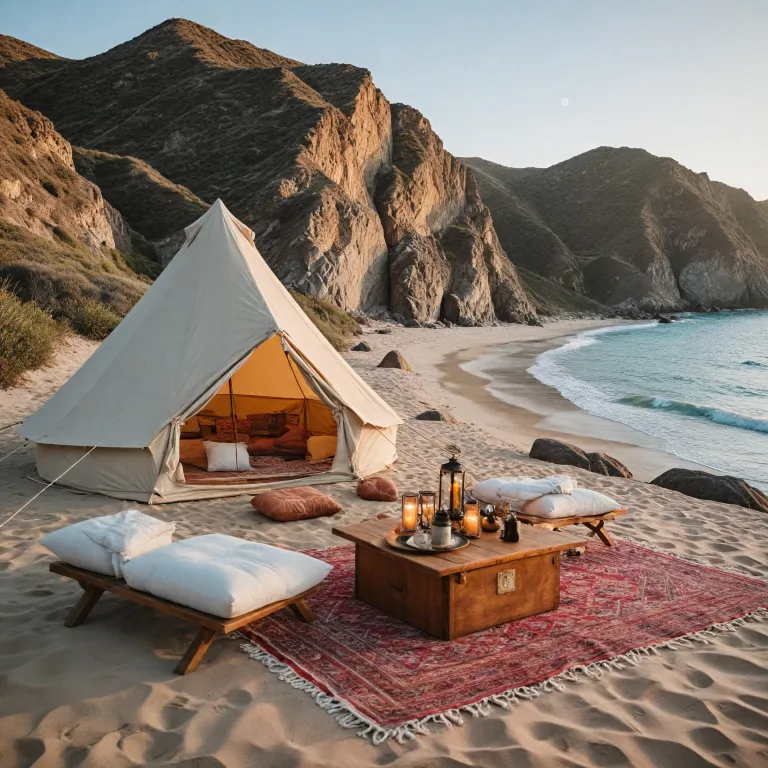
Planning an elegant road trip for camping in Baja California Norte
Camping in Baja California Norte rewards patient planners with remarkable coastal light. This long peninsula of Baja Mexico stretches between desert mountains and the Pacific, with the Sea of Cortez shaping sheltered bays. To enjoy camping in Baja California Norte fully, match your route, season, and rig capabilities carefully.
Spring and autumn usually bring milder temperatures across northern Baja California, which makes a road based camping trip more comfortable. Summer can be harsh for any camp near an exposed playa or desert plateau, while winter suits higher elevation parks in the Sierra. Check weather forecasts for each town you plan to visit, because conditions shift quickly between coast and interior.
Most travellers arrive from California Mexico border crossings at Mexicali or Tijuana, then drive south toward San Felipe. This first coastal town on the Sea of Cortez offers a gentle introduction to camping Baja, with paved roads and established RV parks. Pete's Camp El Paraiso, for example, operates 37 spaces with full hookups directly on the beach, which suits both small vans and a big rig.
Before leaving the border region, ensure your vehicle, trailer, or rig is serviced and ready for long distances between fuel stops. Carry extra water, a basic tool kit, and spares for tyres and hoses, because roadside assistance can be limited outside major towns. Travellers planning free camping or remote beach stays should also bring shade structures and sand mats for soft playa terrain.
Online platforms now simplify reservations for many parks and private campgrounds along the Baja road. Use them to secure sites with hookups full service when you need electricity, reliable water, and hot showers after days of rustic camping. Keep printed confirmations and offline maps, as mobile coverage can fade quickly once you leave larger towns like San Felipe.
Coastal routes from San Felipe to Gonzaga Bay and beyond
The coastal drive south from San Felipe reveals why camping in Baja California Norte fascinates seasoned travellers. The road follows the Sea of Cortez, with stretches where desert mountains fall directly into turquoise water. Along this corridor, you can alternate between serviced parks with full hookups and simple palapa shelters on quiet beaches.
From the town of San Felipe, head toward Puertecitos and Gonzaga Bay, where the landscape becomes more dramatic. Rancho Grande Gonzaga Bay provides camping facilities, rooms, a small restaurant, and a supermarket, which helps bridge the gap between remote scenery and practical needs. Many visitors split their trip, spending one or two nights with hookups and hot showers before moving to more rustic camp spots.
Costs are usually listed in cost pesos per night, with higher prices for waterfront sites that accommodate a big rig. When you compare parks, ask specifically about full hookups, water pressure, and generator rules, because standards vary widely. Some smaller camp operators may offer partial hookups only, so plan your rig's tanks and battery capacity accordingly.
Eco conscious travellers often combine camping in Baja California Norte with island hopping elsewhere, using regional flights from Mexico hubs. For inspiration on refined multi island itineraries, you can study this guide to romantic island hopping for couples across the Greek islands and beyond at elegant island hopping for couples. The same principles of pacing, rest days, and varied experiences apply when you design a coastal Baja road journey.
Safety remains a common question for those new to Baja Mexico, especially when considering free camping. While many areas are safe, it's advisable to stay informed about local conditions, travel in groups, and follow standard safety precautions. Check recent traveller reports, speak with park hosts, and avoid driving at night between remote towns such as Gonzaga and the junction toward Baja California Sur.
As you continue south, you eventually cross into California Sur, where destinations like Bahía Concepción, Playa Coyote, and Los Barriles await. Although these lie beyond Baja California Norte, many travellers treat the entire peninsula as a single extended trip. Plan your time so that you can linger at a favourite playa or town rather than rushing between distant parks.
Balancing serviced campgrounds and refined free camping on the playa
One of the pleasures of camping in Baja California Norte is choosing between serviced campgrounds and more independent beach stays. Along the Sea of Cortez, you will find stretches of free camping where you can park directly on the playa. These informal sites suit self contained rigs with ample water storage and solar power, but they demand careful preparation.
When you opt for free camping, arrive early in the day to assess sand conditions and tides. Soft sand can trap a heavy rig, so walk the route first and avoid driving too close to the water line. Travellers in smaller vans or car based camp setups often have more flexibility on narrow tracks than those towing long trailers.
Serviced parks with hookups full service remain essential touchpoints during an extended Baja road journey. They provide reliable water, electricity, and hot showers, which allow you to reset after several nights of rustic camping. Many parks also offer laundry facilities and small shops, reducing the need to detour into every town for supplies.
On the Pacific side of Baja California, cooler air and stronger surf create a different camping atmosphere. Here, you may prioritise wind protection and proximity to sheltered coves rather than classic calm playa settings. Always secure tents and awnings carefully, because coastal gusts can rise quickly during the afternoon.
For travellers who enjoy refined coastal landscapes, an elegant travel guide to the best beaches in Milos can provide useful parallels. The detailed beach descriptions at refined beach hopping inspiration echo the way you might evaluate Baja Mexico playas for camping potential. Consider access roads, prevailing winds, and nearby facilities in the same structured way.
Even when you find an appealing free camping spot, respect private land and local customs. Ask in the nearest town or at a serviced camp if you are unsure about access rights, and always leave the playa cleaner than you found it. This approach supports the growing interest in eco tourism and helps keep informal camping options open for future visitors.
Key destinations from San Felipe to Bahía Concepción and Playa Coyote
Although the focus is camping in Baja California Norte, many itineraries naturally extend into Baja California Sur. From the border region, the first major coastal hub is San Felipe, followed by quieter communities and then the long stretch toward the state line. Each town along this axis offers a different balance of facilities, scenery, and access to the water.
South of the state border, Bahía Concepción is often considered one of the crown jewels of camping Baja. Here, a string of coves such as Playa Coyote and other sheltered playas line the highway, with simple palapas and direct beach access. These sites usually lack full hookups, so arrive with your rig fully stocked with water and prepared for basic pit toilets.
Farther along the road, the oasis town of San Ignacio provides a striking contrast to the arid coast. Date palms, a historic mission, and a tranquil plaza create a restful pause during a long trip through California Mexico. Many travellers choose to camp near the lagoon outside San Ignacio, where they can enjoy birdlife and seasonal marine encounters.
Continuing toward the south, coastal communities such as Los Barriles and Todos Santos offer more developed tourism infrastructure. While these lie in California Sur, they remain closely linked to the broader narrative of Baja Mexico road journeys. In Los Barriles, for example, you will find RV parks with full hookups, kite surfing beaches, and a sociable winter community.
Near La Paz, beaches like Playa Tecolote and Playa Los Islotes area provide classic Sea of Cortez vistas. Camping options range from informal beach spots to organised campgrounds, some with hot showers and basic facilities. Always confirm current regulations, because free camping rules can change as local authorities manage growing visitor numbers.
Travellers interested in combining coastal camping with island themed experiences can look to Mediterranean models. An elegant island hopping guide to Gozo, for instance, at immersive island hopping inspiration illustrates how to balance culture, nature, and quiet beaches. Apply similar thinking in Baja by alternating remote playas, historic towns, and national parks along your route.
Practicalities: rigs, hookups, facilities, and cost in pesos
Successful camping in Baja California Norte depends on understanding what your rig truly needs. Smaller vans and truck campers can access more remote playas, while a big rig may require wider entrances and firmer ground. Before leaving the main highway, evaluate whether the access track, turning radius, and sand conditions suit your specific vehicle.
When comparing parks, clarify whether they offer full hookups or partial service only. Full hookups usually include electricity, potable water, and a sewer connection at each site, which simplifies longer stays. Some older facilities may advertise hookups full service but actually provide shared dump stations or limited amperage, so ask detailed questions.
Costs vary widely, but many campgrounds list their rates in cost pesos per night for two people. Waterfront sites with direct beach access and reliable hot showers often command a premium, especially near popular towns. Free camping on the playa reduces nightly expenses, yet you will spend more on fuel, water, and self sufficiency equipment.
Facilities can range from simple pit toilets to well maintained wash blocks with hot showers and laundry. In more remote parts of Baja California, you may find only basic restrooms and a shared water tap, so plan accordingly. Carry a separate drinking water supply, and treat any non potable water before use in your camp kitchen.
Electricity remains a key consideration for modern travellers who work remotely or rely on medical devices. Solar panels and lithium batteries allow many rigs to minimise their dependence on hookups, especially in sunny Baja Mexico. However, occasional nights in parks with full hookups still provide valuable backup during cloudy spells or high energy use.
Finally, remember that some campgrounds, including family operated places like Pete's Camp El Paraiso and Rancho Grande Gonzaga Bay, may prefer cash payments. Keep a reserve of pesos for camping fees, small shops, and roadside food stands in every town you visit. Card acceptance improves in larger cities such as La Paz and San Felipe, but it remains inconsistent in smaller coastal communities.
Seasonality, safety, and sustainable practices along the Baja road
Seasonal planning is central to a refined experience of camping in Baja California Norte. Spring and autumn usually offer the most comfortable balance of temperatures for both coastal and inland parks. Summer heat can be intense on exposed playas, while winter nights in the Sierra de San Pedro Mártir reach low temperatures due to elevations around 2 400 metres.
Before each trip, check weather conditions for your intended route and adjust your camp choices accordingly. Coastal breezes can moderate daytime heat near the water, but interior valleys may feel significantly hotter. If you plan to hike or explore national parks, start early in the morning and carry ample water for every person.
Safety considerations extend beyond weather to road conditions and personal security. Ensure your vehicle is suitable for off road conditions if necessary, especially on unpaved spurs leading to remote playas. While many areas are safe, it's advisable to stay informed about local conditions, travel in groups, and follow standard safety precautions.
Sustainable camping practices are increasingly important as interest in Baja Mexico grows. Pack out all rubbish, minimise grey water discharge, and use biodegradable soaps well away from the water line. In free camping areas, avoid driving on fragile dunes or vegetation, and keep your camp compact to reduce impact.
Wildlife encounters can be a highlight of camping Baja, particularly around lagoons and coastal wetlands. Observe animals from a respectful distance, secure food at night, and never feed wild creatures, even in seemingly tame town environments. This protects both the animals and your camp from unwanted visits.
As tourism expands along the Baja road, collaboration between local communities, parks, and travellers becomes essential. Support family owned campgrounds, purchase supplies in the nearest town, and follow any posted guidelines at beaches or facilities. These choices help maintain the character of Baja California and California Sur while ensuring that future visitors can enjoy the same unspoiled playas.
Integrating Baja camping with broader island hopping journeys
For travellers who love both coastal driving and island hopping, camping in Baja California Norte can anchor a wider itinerary. The peninsula's long shoreline, varied playas, and compact towns pair well with flights to island regions elsewhere. Many visitors combine a Baja Mexico road journey with Mediterranean or Aegean island stays during a single extended travel season.
When you design such a trip, think of each region as a chapter with its own rhythm. Baja California offers long road days, free camping on remote beaches, and evenings under vast desert skies. Island segments, by contrast, may focus on short ferry rides, compact towns, and walking based exploration.
Resources like the immersive guide to Gozo at exploring a second island show how to slow down on smaller landmasses. Apply the same philosophy in Baja by lingering in places like San Ignacio, Todos Santos, or La Paz rather than rushing. Each town rewards unhurried days, whether you are parked in a serviced camp with hookups or enjoying a simple beachside camp.
Logistically, consider where you will store or return your rig if you fly onward to islands. Some travellers base their vehicle in California Mexico or near the border, then continue by air to other coastal regions. Others complete a full loop of Baja California and California Sur before embarking on a separate island focused journey.
Throughout, maintain a consistent standard of safety, environmental care, and respect for local communities. Whether you are in a national park in Baja, on a quiet playa near Los Barriles, or on a European island, the same principles apply. Thoughtful choices about water use, waste management, and campsite selection enhance both your experience and that of future guests.
By integrating camping Baja with refined island hopping elsewhere, you create a layered understanding of coastal landscapes. You will notice how different cultures relate to the sea, how towns adapt to tourism, and how parks manage fragile environments. This broader perspective deepens the pleasure of returning to your rig on a Baja beach, watching the light fade over the water.
Key statistics for camping in Baja California Norte
- Sierra de San Pedro Mártir National Park reaches elevations of around 2 400 metres, offering significantly cooler temperatures than coastal areas.
- Pete's Camp El Paraiso in San Felipe provides 37 RV spaces with full hookups directly on the beach.
Essential FAQs about camping in Baja California Norte
What are the best times of year to camp in Baja California Norte?
Spring and autumn are ideal due to mild temperatures; summer can be hot, especially in desert areas, while winter is cooler and suitable for mountain camping.
Are there any safety concerns for campers in Baja California Norte?
While many areas are safe, it's advisable to stay informed about local conditions, travel in groups, and follow standard safety precautions.
Do I need a permit to camp in Baja California Norte?
Some areas, especially national parks, may require permits. It's best to check with local authorities or the specific campsite in advance.
Trustful expert sources
- Discover Baja Travel Club
- Secretaría de Turismo de Baja California
- Comisión Nacional de Áreas Naturales Protegidas (CONANP)