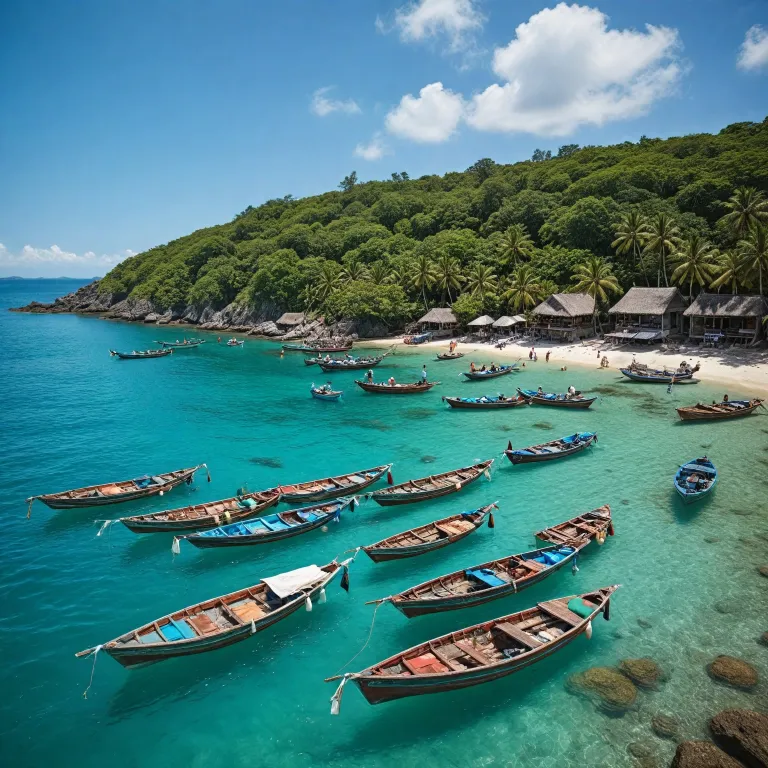
Understanding the allure of cultural islands in island hopping
Island hopping offers a unique opportunity to immerse oneself in the diverse cultures that flourish on islands across the globe. Each island, whether nestled in the Mediterranean, the Caribbean, or Southeast Asia, presents a distinct cultural identity shaped by centuries of history, migration, and tradition. The experience of island hopping is not just about scenic beaches or turquoise waters; it is about engaging with local customs, languages, and culinary traditions that define each destination. Travelers seeking authentic connections often find that cultural islands provide a deeper sense of place, where music, art, and storytelling are woven into daily life. By prioritizing cultural islands on your itinerary, you enrich your journey with meaningful encounters and broaden your understanding of the world.
Island hopping encourages travelers to move beyond the surface and delve into the heart of local communities. Whether attending a traditional festival, exploring artisan markets, or participating in a cooking class, each interaction adds a layer of depth to your adventure. The rhythm of island life, often slower and more contemplative, allows visitors to appreciate the nuances of cultural expression. As you plan your island hopping route, consider destinations renowned for their heritage and living traditions. These islands serve as gateways to the past and present, offering a tapestry of experiences that linger long after the journey ends.
For those interested in a refined approach to island hopping, exploring cultural islands ensures that every stop is memorable and enlightening. The interplay between natural beauty and human creativity is evident in the architecture, festivals, and daily rituals that define these destinations. By choosing to focus on cultural islands, travelers contribute to the preservation of local heritage while enjoying a journey that is both elegant and transformative.
Top cultural islands to include in your island hopping itinerary
When planning an island hopping adventure, selecting islands with rich cultural heritage can elevate your experience. In the Mediterranean, islands such as Sicily and Crete are renowned for their ancient ruins, vibrant markets, and culinary traditions that reflect a blend of influences. The Caribbean offers destinations like Cuba and Martinique, where music, dance, and art are integral to daily life. Southeast Asia’s Bali and Java captivate visitors with their temples, rituals, and artistic communities. Each of these cultural islands provides a unique perspective on regional history and identity.
Travelers often seek out islands where local festivals and traditions are celebrated with enthusiasm. Participating in these events allows for a deeper connection with the community and a greater appreciation of the island’s heritage. For example, attending a Balinese temple ceremony or a Sicilian food festival can be a highlight of your island hopping journey. These experiences offer insight into the values and beliefs that shape island societies.
For a comprehensive guide to exploring vibrant cultures and pristine shores in Southeast Asia, visit island hopping in Indonesia. This resource provides detailed information on destinations, cultural highlights, and practical tips for planning your itinerary. By incorporating cultural islands into your route, you ensure that your island hopping adventure is both enriching and memorable.
Immersive experiences: engaging with local traditions and communities
Island hopping is most rewarding when travelers actively engage with the traditions and communities that define each island. Participating in local workshops, such as pottery making in the Greek islands or batik painting in Indonesia, offers hands-on insight into artistic heritage. Culinary experiences, including market tours and cooking classes, allow visitors to savor authentic flavors while learning about the ingredients and techniques unique to each culture. These immersive activities foster meaningful connections and support local artisans and producers.
Music and dance are central to the cultural identity of many islands. Attending a live performance, whether it is a Caribbean steel drum band or a Polynesian dance show, provides a window into the island’s soul. These events often bring together residents and visitors, creating a sense of shared celebration and community. Engaging with local traditions also includes exploring historical sites, museums, and galleries that showcase the island’s artistic achievements and historical milestones.
For those seeking inspiration on how to create an elegant and culturally rich island hopping journey, the guide at island hopping: an elegant guide offers valuable insights. By prioritizing immersive experiences, travelers gain a deeper appreciation for the diversity and resilience of island cultures.
Island hopping in the Caribbean: a tapestry of cultures and histories
The Caribbean archipelago is a mosaic of cultures, each island offering a distinct blend of African, European, and indigenous influences. Island hopping in this region reveals a rich tapestry of languages, cuisines, and artistic expressions. From the vibrant streets of Havana to the tranquil villages of Saint Lucia, travelers encounter a dynamic interplay of tradition and innovation. The Caribbean’s history of migration and trade has shaped its cultural landscape, resulting in a unique fusion that is celebrated through music, dance, and festivals.
Exploring the Caribbean’s cultural islands involves more than visiting popular beaches. Delve into the heart of local communities by attending carnivals, exploring heritage sites, and sampling regional dishes. Each island has its own rhythm, reflected in the daily lives of its residents and the stories passed down through generations. The diversity of the Caribbean ensures that every stop on your island hopping journey offers new perspectives and experiences.
For an in-depth look at the region’s cultural richness, the article on island hopping in the Caribbean provides expert guidance. By embracing the cultural diversity of the Caribbean, travelers create lasting memories and gain a deeper understanding of the forces that shape island societies.
Planning your route: logistics and sustainable travel considerations
Effective planning is essential for a successful island hopping adventure, especially when focusing on cultural islands. Consider the distances between islands, available transportation options, and the timing of local festivals or events. Ferries, small planes, and private charters are common modes of transport, each offering different levels of convenience and flexibility. Researching schedules and booking in advance can help ensure a smooth journey and maximize your time on each island.
Sustainable travel practices are increasingly important in preserving the cultural and natural heritage of island destinations. Choose eco-friendly accommodations, support local businesses, and minimize your environmental impact by reducing waste and respecting wildlife. Engaging with community-based tourism initiatives allows travelers to contribute directly to the well-being of local residents. By prioritizing responsible travel, you help safeguard the unique character of cultural islands for future generations.
Flexibility is key when planning your route, as weather conditions and transportation schedules can change unexpectedly. Allow time for spontaneous exploration and be open to new experiences that may arise along the way. Careful planning, combined with a spirit of curiosity and respect, ensures that your island hopping journey is both enjoyable and meaningful.
Enhancing your island hopping experience: practical tips and cultural etiquette
To make the most of your island hopping adventure, familiarize yourself with the customs and etiquette of each destination. Simple gestures, such as greeting locals in their language or dressing appropriately for religious sites, demonstrate respect and foster positive interactions. Learning about local traditions and taboos can help you avoid misunderstandings and deepen your appreciation for the culture.
Packing efficiently is essential, as frequent travel between islands may require light luggage and versatile clothing. Bring essentials such as sunscreen, reusable water bottles, and adapters for electronic devices. Staying connected with local guides and tourism offices can provide valuable information on current events, transportation updates, and safety tips.
Embrace the slower pace of island life and allow yourself time to relax and reflect. By approaching each destination with openness and curiosity, you create space for authentic connections and memorable experiences. Island hopping is not just a journey across water; it is an exploration of the diverse cultures that make each island unique.
Key statistics on cultural island hopping
- No statistics available from the provided dataset.
Frequently asked questions about island hopping and cultural islands
- No FAQs available from the provided dataset.