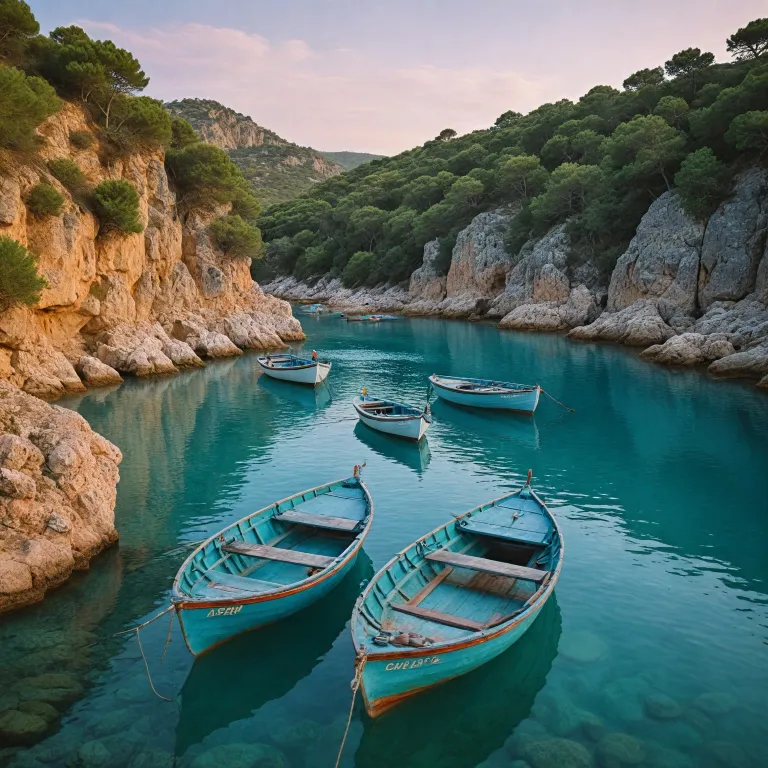
Planning your island hopping adventure in Spain: routes, logistics, and timing
Island hopping in Spain offers a sophisticated blend of culture, nature, and relaxation. The Balearic islands—Mallorca, Menorca, Ibiza, and Formentera—are the most celebrated destinations for this travel style. Each island presents its own unique character, from the vibrant nightlife of Ibiza to the tranquil biosphere reserve of Menorca. Planning your itinerary in advance is essential to make the most of your days, as ferry and flight schedules between islands can vary. The best time for island hopping in Spain is from May to October, when the Balearic islands enjoy warm weather and calm seas, while the Canary islands offer a year-round mild climate. Ferries, domestic flights, and private boat charters are the primary methods for traveling between islands, with digital booking platforms streamlining the process. Consider starting your journey from Barcelona, a major gateway to the Balearic islands, and tailor your route to include both popular and lesser-known islands. Allocate enough days on each island to enjoy the best beaches, explore local culture, and relax in friendly hotels. Remember to research each island’s unique offerings to tailor your experience, ensuring you enjoy both the highlights and hidden gems of island hopping in Spain.
Unveiling the best beaches and natural wonders of the Balearic islands
The Balearic islands are renowned for their white sand beaches, crystal-clear waters, and dramatic coastlines. Mallorca, the largest island, boasts iconic stretches such as Es Trenc and Cala Mondragó, perfect for sunbathing and swimming. Menorca, a designated biosphere reserve, is famed for its unspoiled coves and turquoise bays, offering a tranquil escape from the crowds. Ibiza, while celebrated for its vibrant nightlife, also features secluded sand beaches and hidden coves ideal for relaxation. Formentera, the smallest of the main Balearic islands, is a paradise of white sand and shallow waters, often compared to Caribbean shores. Exploring these islands allows travelers to enjoy a variety of landscapes, from the rugged cliffs of Cap Rocat in Mallorca to the serene dunes of Formentera. Horseback riding along the coast or hiking through pine forests adds a sense of adventure to your days. The diversity of beaches and natural wonders across the Balearic islands ensures that every traveler finds their own slice of paradise during their island hopping journey. For those seeking more information on unique beach experiences, the best beaches in Spain guide provides detailed insights.
Cultural immersion: local traditions, cuisine, and vibrant towns
Island hopping in Spain is not just about beaches; it is also a journey through rich cultural heritage. Each island boasts its own traditions, festivals, and culinary delights. In Mallorca, the capital Palma is a vibrant hub of art, history, and gastronomy, with its Gothic cathedral and lively markets. Menorca’s towns, such as Ciutadella and Mahón, offer a glimpse into the island’s past, with narrow streets and charming squares. Ibiza’s old town, Dalt Vila, is a UNESCO World Heritage site, while Formentera’s villages exude a laid-back Mediterranean charm. Wine tasting is a highlight on many islands, with local vineyards producing unique varietals. Enjoying fresh seafood, traditional ensaimadas, and local cheeses is an essential part of the experience. Friendly hotels and welcoming locals enhance the sense of immersion, making each stay memorable. For a deeper dive into the cultural tapestry of the islands, explore the cultural experiences in Spain resource, which highlights the best ways to connect with local traditions during your island hopping adventure.
Active pursuits: sailing, hiking, and horseback riding across the islands
For travelers seeking adventure, the Balearic islands offer a wealth of outdoor activities. Sailing between islands is a classic way to enjoy the Mediterranean, with numerous charters available from Mallorca, Menorca, and Ibiza. Hiking trails wind through pine forests, coastal cliffs, and rural landscapes, offering panoramic views and encounters with local wildlife. Horseback riding is a popular pursuit on Menorca and Mallorca, where guided tours lead riders along scenic beaches and countryside paths. The islands’ varied terrain caters to both casual walkers and experienced hikers, with routes suitable for all fitness levels. Water sports such as kayaking, paddleboarding, and snorkeling are widely available, allowing visitors to explore hidden coves and marine life. Each day brings new opportunities to enjoy the natural beauty and recreational offerings of the islands. The combination of active pursuits and serene relaxation makes island hopping in Spain an ideal choice for those who wish to balance adventure with leisure.
Where to stay: selecting the best hotels and accommodations
Choosing the right hotel is key to a comfortable and memorable island hopping experience. The Balearic islands offer a wide range of accommodations, from luxury resorts to friendly hotels with local charm. In Mallorca, the best hotels are often found in Palma and along the coast, offering easy access to beaches and cultural sites. Menorca’s hotels range from historic estates to modern seaside retreats, with many properties emphasizing sustainability and local character. Ibiza and Formentera feature stylish hotels that cater to both relaxation and nightlife, with options for every budget. When selecting hotels, consider proximity to ferry ports and major attractions to maximize your time on each island. Many hotels in Menorca and Mallorca offer amenities such as pools, spas, and guided excursions, enhancing your stay. For those seeking unique experiences, properties near Cap Rocat or in the heart of Palma provide a blend of comfort and authenticity. The best hotels in the Balearic islands prioritize guest experience, ensuring that every day of your journey is enjoyable and restful. Remember to book in advance, especially during peak season, to secure your preferred accommodations.
Insider tips for seamless island hopping: sustainability, local insights, and expert advice
To make the most of your island hopping adventure, consider a few expert tips. "Plan your itinerary in advance to accommodate ferry and flight schedules." This advice ensures you maximize your days and avoid last-minute stress. Traveling during shoulder seasons can offer fewer crowds and pleasant weather, enhancing your experience. Sustainable tourism is increasingly important across the Balearic islands, with many hotels and tour operators adopting eco-friendly practices. Support local economies by choosing locally owned hotels, dining at family-run restaurants, and participating in community-led tours. Digital platforms make it easier than ever to plan your route, book transportation, and receive real-time updates. Engage with local tour guides for in-depth knowledge of each island’s history, nature, and culture. Whether you are exploring the biosphere reserve of Menorca, enjoying wine tasting in Mallorca, or horseback riding along Ibiza’s beaches, local expertise adds depth to your journey. Remember to research each island’s unique offerings to tailor your experience. With thoughtful planning and a spirit of curiosity, island hopping in Spain becomes a refined and rewarding journey.
Key statistics on island hopping in Spain
- Spain is home to 60 islands, offering a diverse range of experiences for travelers.
- The Balearic islands welcome approximately 13.6 million visitors annually.
- The Canary islands attract around 12.1 million visitors each year.
Frequently asked questions about island hopping in Spain
What are the main islands to visit in Spain for island hopping?
The primary islands include Mallorca, Menorca, Ibiza, and Formentera in the Balearic islands, and Tenerife, Gran Canaria, Lanzarote, and Fuerteventura in the Canary islands.
How can I travel between the islands?
Travel options include ferries, domestic flights, and private boat charters, depending on the distance and available services between islands.
What is the best time of year for island hopping in Spain?
The ideal time is between May and October for the Balearic islands, while the Canary islands are suitable year-round due to their mild climate.
References: National Geographic, Statista, Spain Tourism Board