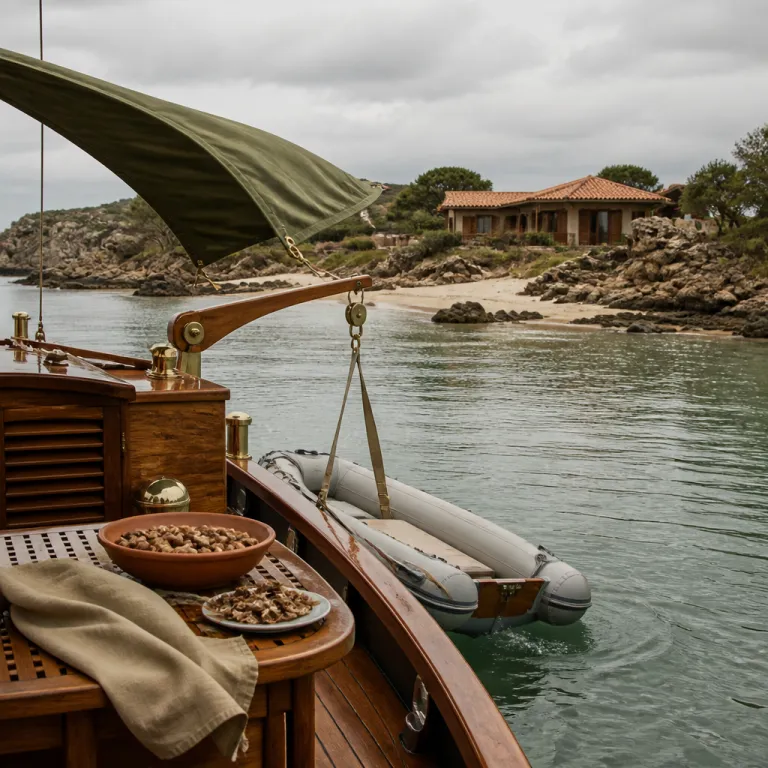
Coastal elegance: refined things to do in Antigua island
Antigua rewards patient travelers who treat the island as a series of coastal chapters rather than a single beach stop. When you plan things to do in Antigua island with an island hopping mindset, each bay becomes a different mood and every harbor feels like a new port of call. This approach turns a simple Caribbean holiday into a curated journey between beaches, headlands, and offshore islets.
Start in St. John’s, the capital of Antigua and Barbuda, where the cruise harbor sets a lively tone and local guides outline the best things to see across the island. The Antigua and Barbuda Tourism Authority, in its official visitor material, often highlights that there are “365 beaches” on Antigua, a widely quoted figure that explains why coastal touring is the backbone of most itineraries. With so many beaches, the most rewarding things Antigua offers are not about ticking off every stretch of sand but about choosing a few bays that match your style and pace.
For travelers who love structured days, a classic pattern works beautifully: a morning on a quiet beach, an afternoon exploring a fort or national park, and an evening in a harbor with live music. One simple first-day outline might pair a swim at Buccaneer Beach with a walk around St. John’s and sunset drinks near the harbor. Families with kids often prefer gentle water and easy facilities, so they gravitate toward Dickenson Bay or Jolly Beach where a beach club or two provide loungers, shade, and lunch. Independent travelers who want more character usually head south toward English Harbour and the surrounding coves, where history, sailing culture, and rugged headlands combine in one compact area.
South coast heritage: English Harbour, Nelson’s Dockyard, and Shirley Heights
The south coast of Antigua is where maritime history and island hopping sensibilities meet most clearly. English Harbour and the neighboring English Harbor area form a deep, protected bay that once sheltered the Royal Navy and now hosts yachts, regattas, and some of the best things to do in Antigua island for sailing enthusiasts. Walking between English Harbour and Nelson’s Dockyard, you move through a living museum that still feels like a working port.
Nelson Dockyard is widely described by UNESCO and local heritage bodies as the only Georgian era dockyard still in use anywhere in the world, and its restored stone buildings now house galleries, cafés, and small museums. Many visitors combine a dockyard visit with a hike or short drive up to Shirley Heights, which offers sweeping views over the harbor, the surrounding national park, and the open Caribbean beyond. On certain evenings, the Shirley Heights lookout hosts steel band performances and barbecues, turning a simple viewpoint into one of the most atmospheric things Antigua can offer.
From this south coast base, island hopping becomes a matter of short boat rides and coastal walks rather than long passages. You can arrange a day trip by boat from English Harbour to nearby Galleon Beach or to the rock formations known as the Pillars of Hercules, where wave carved pillars rise from clear water. Typical small group boat trips last half a day and often include snorkeling gear and drinks, while hikers can follow marked trails from Galleon Beach up toward the viewpoints. Travelers who enjoy multi island journeys often pair this south coast experience with other Mediterranean style itineraries and use specialist island hopping guides to refine that comparative perspective.
Caribbean coastal circuits: bays, bridges, and offshore adventures
Designing a coastal circuit around Antigua means thinking in arcs of shoreline rather than in straight lines on a map. One elegant loop runs from Dickenson Bay on the northwest coast down to Fort James, then onward to the south coast harbors and finally out toward the Atlantic facing headlands. Each stop adds a different texture to your list of things to do in Antigua island, from calm swimming beaches to dramatic rock formations.
Dickenson Bay is one of the island’s most popular beaches, with soft sand, gentle water, and a choice of beach club venues that suit both couples and families with kids. A short drive south brings you to Fort James, where the remains of the old fort overlook the entrance to St. John’s harbor and frame wide views along the coast. Continuing the circuit, you can follow the road network toward English Harbour and then on to the wild Atlantic side, where Devil’s Bridge presents a natural limestone bridge carved by relentless surf.
Devil Bridge and its surrounding area are often included in guided island tours that also feature Stingray City, where shallow water encounters with southern stingrays are carefully managed by licensed operators. These excursions show how Antigua and Barbuda are gradually integrating more structured island hopping options, a trend mirrored across the wider Caribbean as regional tourism bodies discuss the emerging Caribbean island hopping ferry network. For travelers who enjoy combining land based touring with boat based exploration, this evolving infrastructure makes it easier to treat Antigua as one stop in a broader chain of islands.
Signature beaches: from Buccaneer Beach to Long Bay and beyond
With hundreds of beaches, Antigua invites you to curate your own coastal portfolio rather than chase a single best beach. Buccaneer Beach, close to St. John’s, offers a relaxed curve of sand with calm water and easy access, which suits a first or last day on the island. Farther east, Long Bay presents a more open setting with excellent snorkeling just offshore and a different mood at various times of day.
On the southwest coast, Jolly Beach stretches in a long, pale arc backed by low rise development and a handful of beach club style venues. This area works well for travelers who want to combine beach time with boat excursions to nearby coves or to the neighboring island of Barbuda, which is often visited on organized day trips. Families with kids appreciate the shallow entry into the water at Jolly Beach, while more active visitors often use it as a base for kayaking or stand up paddleboarding along the coast.
Galleon Beach, tucked near English Harbour, feels more secluded and is framed by green hills that form part of the surrounding national park. From here, a short hike or boat ride brings you close to the Pillars of Hercules, where the rock pillars and clear water create one of the island’s most photogenic scenes. Travelers who enjoy comparing coastal landscapes sometimes pair an Antigua stay with other island hopping experiences and consult detailed beach focused articles on destinations such as Kefalonia’s sandy and pebbly shores as useful benchmarks for that kind of comparative planning.
Island hopping extensions: Barbuda, sailing week, and regional routes
For travelers who see Antigua as one chapter in a longer island hopping story, Barbuda is the most natural extension. The smaller sister island of Antigua Barbuda lies to the north and is usually reached by scheduled boat services or small aircraft, turning the journey itself into part of the experience. The Barbuda Express ferry, for example, typically runs several times per week between St. John’s and Barbuda, with crossing times of around 90 minutes and fares that commonly start in the region of US$100–US$120 per adult for a same day return, though prices and schedules change and should be checked close to departure.
During Antigua Sailing Week, the waters off the south coast fill with racing yachts, support boats, and spectator craft, creating a dynamic scene that appeals to anyone who loves maritime culture. English Harbour and Nelson’s Dockyard become the social heart of the event, and the combination of regattas, dockside gatherings, and live music makes this period one of the best times to appreciate the island’s nautical heritage. Even outside the formal Sailing Week, charter companies based in English Harbour and other marinas offer multi day itineraries that link Antigua with nearby islands in the Lesser Antilles.
Families planning things to do in Antigua island with kids often ask whether island hopping is realistic with younger travelers. The answer is yes, provided you choose shorter boat legs, focus on calm water destinations, and build in generous beach time at each stop. In practice, that might mean a gentle circuit between Antigua, Barbuda, and a neighboring island, with each day balancing boat travel, a beach visit, and a simple cultural or historical stop such as a fort or a small museum.
Practical planning: safety, heritage, and responsible coastal touring
Thoughtful planning turns a list of things to do in Antigua island into a coherent coastal journey. The Antigua and Barbuda Tourism Authority emphasizes three simple guidelines for visitors: “Use sunscreen to protect against sun exposure”, “Stay hydrated in the tropical climate”, and “Respect local customs and traditions.” These principles matter especially when you are moving between beaches, harbors, and offshore sites where shade and facilities can vary.
Entry to Antigua requires a valid passport and, for some nationalities, a visa, while the local currency is the Eastern Caribbean Dollar, although US dollars are widely accepted in tourism areas. The island’s national park sites, including the area around Nelson’s Dockyard and Shirley Heights, charge modest entry fees that support conservation and heritage preservation; combined tickets for the national park are typically in the range of US$15–US$20 per adult, but visitors should confirm current rates before traveling. When you visit forts such as Fort James or walk near fragile rock formations like Devil’s Bridge, staying on marked paths helps protect both the landscape and your own safety.
Responsible island hopping also means choosing reputable operators for boat excursions to places such as Stingray City or for day trips to Barbuda, where environmental sensitivity is crucial. Many local partners now use digital guides and online resources to help visitors understand the cultural and ecological context of each bay, beach, and harbor they visit. If you are planning a wider Caribbean itinerary that links Antigua with other islands, consulting regional tourism authorities and established travel journalism outlets will help you align your coastal ambitions with realistic travel times and safe sea conditions.
Key figures for coastal touring in Antigua
- Antigua has 365 named beaches, according to the Antigua and Barbuda Tourism Authority, which effectively allows visitors to experience a different beach every day of the year, though the exact count is more a poetic slogan than a formally audited statistic.
- The main city of St. John’s sits at approximately 17.1274° N and 61.8468° W, placing Antigua firmly in the northeastern Caribbean and making it a convenient hub for regional island hopping routes.
- Tourism initiatives in Antigua focus on eco tourism, culinary tourism, and adventure sports, reflecting a strategic effort to diversify activities beyond traditional beach stays and to support local communities.
- Visitor guidance from local authorities highlights sun protection and hydration as key safety measures, which is particularly relevant for travelers who spend full days moving between beaches, forts, and offshore excursions.
FAQ: planning elegant island hopping around Antigua
What is the best time to visit Antigua for coastal touring ?
December to April offers the most favorable weather, with lower humidity and more stable sea conditions that suit island hopping and full day boat excursions. Outside this window, you can still enjoy beaches and harbors, but you should monitor regional forecasts more closely, especially during the Atlantic hurricane season from June to November. Shoulder seasons often bring fewer crowds, which some travelers consider an advantage.
Are there any entry requirements for Antigua when combining it with other islands ?
Are there any entry requirements for Antigua? A valid passport and, in some cases, a visa are required. When you plan a multi island itinerary, you must also check the separate entry rules for each additional country or territory on your route. Airlines and ferry operators may refuse boarding if your documents do not meet all destination requirements.
What currency is used in Antigua and how does that affect island hopping budgets ?
What currency is used in Antigua? Eastern Caribbean Dollar (XCD) is the official currency. Many tourism businesses also accept US dollars, but you may receive change in XCD, so it is wise to understand the approximate exchange rate. When visiting neighboring islands, you should expect different currencies and plan for card use or local cash withdrawals.
Is Antigua suitable for island hopping with kids ?
Antigua works well for families, provided you choose calm water beaches and limit boat travel time on each day. Destinations such as Dickenson Bay, Jolly Beach, and Long Bay offer gentle entry into the water and nearby facilities, which helps when traveling with younger children. Always carry sun protection, snacks, and sufficient drinking water, especially on excursions to less developed beaches.
How can I combine historical sites with beach focused days in Antigua ?
A balanced itinerary might pair a morning at a sheltered beach with an afternoon visit to a historical site such as Nelson’s Dockyard, Fort James, or the viewpoints around Shirley Heights. This pattern allows you to enjoy the water when it is calm and the sun is lower, then explore heritage sites when the light softens later in the day. Many guided tours are designed around this rhythm, making it easy to integrate both culture and coastline into a single day.