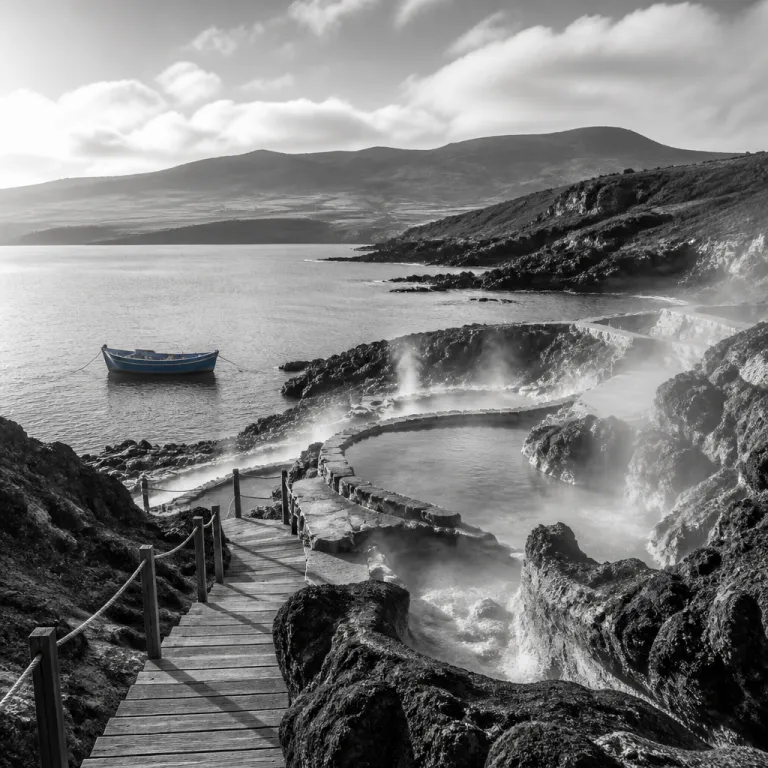
Why island hopping to the hot springs in Azores belongs on your wellness map
Island hopping through the Azores offers a rare blend of ocean horizons and volcanic warmth. The most rewarding route focuses on São Miguel Island, where a chain of geothermal baths and mineral springs forms a natural spa circuit that fits seamlessly into a relaxed multi island journey. Each island feels distinct, yet São Miguel anchors the experience with its thermal waters, lush crater lakes, and easy connections to nearby ports and the main airport at Ponta Delgada.
Geothermal activity shapes the landscape here, creating hot springs, fumaroles, and mineral rich pools that contrast beautifully with the cool Atlantic water. As you move between coves, viewpoints, and villages, you can plan your days around a sequence of thermal pools and one dramatic ocean pool, using ferries and short flights to link São Miguel with quieter islands before or after. This rhythm suits travelers who want island hopping to feel unhurried, with every transfer rewarded by a new spring, spa, or natural pool.
For wellness focused itineraries, I recommend dedicating at least three full days to São Miguel Island, then adding shorter stays on neighbouring islands for hiking or coastal sailing. That balance lets you experience the signature hot springs in Azores, from Furnas to Ponta da Ferraria, while still enjoying the open sea and the sense of movement that defines island hopping. It also keeps transfers manageable, with most hot spring areas less than 60 minutes by road from Ponta Delgada airport according to regional tourism guidance from Visit Azores (consult their official maps for current drive times).
| Day | Route | Approx. drive / ferry time |
|---|---|---|
| 1 | Ponta Delgada → Caldeira Velha → Furnas | 45–60 min total by car (EN1-1A / EN2-1A) |
| 2 | Furnas (Terra Nostra & Poça da Dona Beija) | All on foot within village (10–15 min between sites) |
| 3 | Furnas → Ponta da Ferraria → Ponta Delgada | 1.5–2 hours total by car (via EN1-1A west coast) |
Furnas village and Terra Nostra Park: the thermal heart of São Miguel
Furnas village is the geothermal heart of São Miguel, and any island hopping itinerary built around hot springs in Azores should start or end here. The valley is dotted with steaming vents, mud pots, and hot springs, while the surrounding hills shelter tea plantations and walking trails. You feel the heat underfoot in places like the fumarole field of Caldeiras das Furnas, where the ground itself seems to breathe and locals still cook cozido stews in buried pots.
At the centre of Furnas stands Terra Nostra Park, a historic garden wrapped around a vast ochre coloured thermal pool. This Terra Nostra pool is fed by iron rich thermal waters that usually sit around 35–40°C (95–104°F), which give the water its distinctive hue and can stain light swimwear, so dark fabrics are essential. The surrounding Terra Nostra gardens, often called Nostra Park by locals, offer shaded paths, camellia collections, and quiet benches that make it easy to linger between soaks in the hot pool.
Within the park, the main thermal pool stays close to body temperature, while smaller thermal pools and side channels offer slightly cooler water for contrast. These thermal waters are naturally heated, with no mechanical pumps or artificial systems, and they illustrate how the Azores use geothermal resources for wellness focused tourism. For travelers curious about how single properties can shape an entire destination, the way Terra Nostra anchors Furnas village echoes the trend described in this analysis of a one key island retreat shaping local identity, and Visit Azores notes that Furnas has been a spa destination since at least the 19th century.
Poça da Dona Beija and Caldeira Velha: intimate springs in lush ravines
While Terra Nostra offers grandeur, Poça da Dona Beija provides intimacy, with a series of smaller thermal pools tucked along a warm stream. These Poça Dona Beija pools, often shortened to Dona Beija by visitors, range from comfortably warm to almost hot, typically between 36–39°C (97–102°F), allowing you to move between each thermal pool until you find your ideal temperature. Wooden walkways, soft lighting, and overhanging foliage create a calm atmosphere that suits evening visits after a day of island hopping.
Up on the slopes near the centre of São Miguel lies Caldeira Velha, a protected natural monument where a warm waterfall feeds a sequence of natural pools. Here, the thermal water flows through a narrow ravine lined with ferns and moss, forming a series of thermal pools and one deeper pool beneath the fall itself, usually around 34–38°C (93–100°F) according to on site signage. The setting feels wilder than Furnas village, and the combination of hot spring water and cool forest air makes Caldeira Velha a highlight for travelers who value landscape as much as comfort.
Both Dona Beija and Caldeira Velha operate with timed entries during busy periods, so advance planning is essential when building a multi island route. Typical visiting windows run from late morning to late evening at Dona Beija and from mid morning to late afternoon at Caldeira Velha, with last entry usually 60–90 minutes before closing; current hours and online booking links are published on their official ticketing pages and on Visit Azores. These sites complement more expansive spa experiences in other archipelagos, such as the luxury wellness escapes in the Canary Islands described in this guide to holistic retreats and spa experiences. Together, they show how Atlantic islands are using thermal waters and natural springs to anchor slow travel and restorative itineraries.
Ponta da Ferraria and the Atlantic: where thermal waters meet the ocean
Ponta da Ferraria, on the western edge of São Miguel Island, offers one of the most unusual hot springs in Azores, because the thermal waters rise directly into the Atlantic. A lava formed cove shelters an ocean pool where hot water from a submarine spring mixes with the cooler sea, creating a constantly shifting temperature that depends on tides and swell. When conditions align around low tide, you can float in a natural ocean pool that feels like a thermal spa carved into the basalt coast.
Access to the main Ferraria pool is via a set of metal steps fixed to the rocks, and lifeguards monitor conditions during busier periods. Because the thermal water emerges strongest at low tide, checking tide tables is one of the most important tips visiting this site, especially if you are coordinating ferry schedules as part of a broader island Azores itinerary. On days with heavier swell, the ocean pool can feel more like an adventure than a soak, so cautious swimmers may prefer the adjacent man made pools filled with tempered thermal water, which are usually maintained around 30–34°C (86–93°F).
For island hopping travelers, Ponta da Ferraria pairs well with a scenic drive along the west coast, linking viewpoints, small fishing harbours, and short coastal walks. The contrast between the hot spring water and the open Atlantic reinforces how volcanic forces shape both the land and the sea around São Miguel. It also underlines why the Azores have become a reference point for eco tourism and wellness travel, with thermal pools, ocean pools, and natural springs forming a network of restorative stops across the archipelago.
Designing an island hopping route around São Miguel’s thermal pools
Planning an island hopping journey that highlights the hot springs in Azores starts with mapping the main geothermal sites on São Miguel. Furnas village, Terra Nostra Park, Poça da Dona Beija, Caldeira Velha, and Ponta da Ferraria form a loose loop that can be explored comfortably over three or four days. From there, you can add side trips to other islands, using São Miguel Island as your thermal base between ferry crossings or short flights operated by local carriers such as SATA Air Açores.
A practical sequence begins in Ponta Delgada, continues to Caldeira Velha and the central lakes, then drops into Furnas for at least one night near the springs. The next day can focus on Terra Nostra, Parque Terra Nostra gardens, and the fumarole fields of Caldeiras das Furnas, before an evening session at Dona Beija’s pools under the stars. A final day on São Miguel might combine a west coast drive to Ponta da Ferraria with a late afternoon soak in the ocean pool, timed carefully around tides for the most comfortable thermal water mix.
Between these thermal stops, you can weave in coastal viewpoints, tea plantations, and short hikes, keeping daily driving distances under 80 kilometres to maintain a relaxed pace. This structure leaves room for weather changes, which matter when planning outdoor hot spring visits, and it allows you to slot in rest days on quieter islands without losing access to thermal pools. For travelers interested in solo wellness journeys, the pacing is similar to the elegant slow travel described in this feature on an elegant solo trip with island hopping, culture, and calm, and broadly matches the sample itineraries published by Visit Azores for three to five day stays on São Miguel.
Practical tips for visiting the hot springs in Azores safely and respectfully
Thermal waters on São Miguel are generally safe when you follow posted guidelines and respect local rules. Operators monitor the temperature of each thermal pool and hot spring, adjusting access when water runs too hot or when heavy rain affects visibility. You should always test the water gradually, especially in smaller pools where hot water can collect in pockets near the inlets, and most sites recommend limiting each soak to 20–30 minutes.
Dark swimwear is strongly recommended, because many springs, especially Terra Nostra and Poça da Dona Beija, contain iron rich thermal water that can stain fabrics. Water shoes help on rocky or slippery surfaces, particularly at Ponta da Ferraria’s ocean pool and around some natural pools near Caldeira Velha. Bringing a refillable bottle is wise, as the combination of hot pools and humid air can lead to dehydration faster than you might expect, and lockers or changing rooms are available at most managed sites for a small fee.
From a planning perspective, the most useful tips visiting these sites include booking timed entries where required, arriving early or late in the day to avoid crowds, and checking tide schedules for Ponta da Ferraria. Respect for local customs matters too, such as keeping noise low in spa areas and rinsing before entering any pool, whether in a formal spa or a more natural setting. As local guidance notes, “Wear dark swimwear to avoid staining from iron-rich waters, visit early or late to avoid crowds, and check tide schedules for Ponta da Ferraria,” and official notices from Visit Azores confirm that main thermal areas operate year round, with occasional short closures for maintenance or heavy weather.
Wellness, sustainability, and the future of thermal travel in the Azores
The rise of wellness focused island hopping has placed the hot springs in Azores at the centre of many Atlantic itineraries. São Miguel’s combination of thermal pools, crater lakes, and ocean viewpoints offers a template for low impact travel that balances relaxation with environmental awareness. Local tourism boards emphasise natural geothermal heating rather than heavy infrastructure, which keeps the springs’ character intact while supporting the regional economy and aligning with the Azores’ certification as a sustainable tourism destination by bodies such as EarthCheck.
Eco tourism trends show growing interest in destinations where thermal waters, hiking, and marine experiences can be combined in a single trip. On São Miguel Island, that means pairing a morning in a thermal pool at Terra Nostra or Dona Beija with an afternoon whale watching tour or a coastal walk above Ponta da Ferraria. Across the island Azores, similar patterns emerge, with each island offering its own mix of hot springs, natural pools, and ocean facing viewpoints that reward slow, thoughtful itineraries.
For travelers, the key is to treat each hot spring, spa, and natural pool as part of a living volcanic system rather than a simple attraction. Staying on marked paths, respecting capacity limits at sites like Caldeira Velha, and supporting local guides all contribute to the long term health of these fragile environments. In return, the springs offer something rare in modern travel, a chance to feel the heat of the earth itself while floating between islands on a calm Atlantic route.
Key figures and geothermal highlights for São Miguel’s hot springs
- São Miguel Island hosts at least four major publicly accessible hot spring areas, including Furnas Hot Springs, Caldeira Velha, Poça da Dona Beija, and Ponta da Ferraria, which together form the core thermal circuit for most visitors, as outlined in Visit Azores destination briefs.
- Thermal sites on São Miguel operate year round, allowing island hopping itineraries to include hot springs in all seasons, with water temperatures remaining broadly stable even when air temperatures fluctuate, according to on site information panels and regional tourism materials.
- Natural geothermal heating powers the main thermal pools, reducing the need for additional energy inputs and supporting the Azores’ positioning as a sustainable wellness destination within the North Atlantic, a point highlighted in regional energy and tourism reports.
- Furnas village concentrates several experiences in a compact area, from the large Terra Nostra thermal pool to smaller springs around Caldeiras das Furnas, which makes it possible to visit multiple pools on foot in a single day, with walking times of 10–20 minutes between most sites.
FAQ about hot springs in the Azores for island hopping travelers
Are the hot springs in the Azores safe for swimming?
The hot springs in Azores are generally safe when you follow on site instructions and respect temperature warnings. Staff monitor thermal waters at popular locations such as Terra Nostra, Poça da Dona Beija, Caldeira Velha, and Ponta da Ferraria. You should always enter slowly, avoid submerging your head, and leave the pool if you feel light headed or overheated, and people with medical conditions should follow the advice posted at each site or consult a doctor before bathing.
Do I need to book in advance to visit the main springs?
Some locations, especially Caldeira Velha and Poça da Dona Beija, may require advance booking during busier periods to manage capacity. Terra Nostra Park and certain areas of Furnas village often operate with ticketed entry that can be purchased on arrival, but checking current policies before travel is wise. For island hopping itineraries with fixed ferry or flight times, securing reservations helps avoid last minute changes, and Visit Azores and official site pages list current prices and booking systems.
What should I bring for a day visiting thermal pools on São Miguel?
For a comfortable visit, bring dark swimwear, a quick drying towel, water shoes, and a refillable water bottle. A light robe or cover up is useful when moving between pools, especially in cooler weather or breezy conditions near the ocean pool at Ponta da Ferraria. Many travelers also carry a dry bag to separate wet items when continuing their island hopping journey later in the day, and a small coin purse is handy for parking meters or locker tokens.
Can I combine hot springs with other activities on the same day?
Yes, the main hot spring areas on São Miguel are close enough to combine with hiking, whale watching, or scenic drives in a single day. A common pattern is to hike or tour in the morning, then relax in a thermal pool during the late afternoon or evening. This balance works well for island hopping travelers who want both active exploration and restorative time in the springs, and local tour operators often design day trips that mirror this rhythm.
How do the Azores compare with other thermal destinations for island hopping?
The Azores stand out because thermal waters, ocean pools, and dramatic volcanic scenery are all accessible within relatively short driving distances on São Miguel. When combined with inter island connections, this allows travelers to design multi stop routes that feel varied without long transfers. Compared with larger spa regions on the mainland, the experience here is more intimate, with springs integrated into small villages, ravines, and coastal cliffs, and Visit Azores emphasises this blend of geothermal bathing and wild Atlantic landscapes in its official positioning.
Logistics snapshot: getting to São Miguel’s main hot springs
- Terra Nostra Park (Furnas): Rua Padre José Jacinto Botelho, 9675-061 Furnas; paid parking nearby; typical opening 10:00–18:00 or later in summer; tickets sold on site and via official channels.
- Poça da Dona Beija: Rua das Caldeiras, 9675-045 Furnas; small car park and village street parking; common hours 10:00–23:00 with timed sessions in high season; advance booking recommended.
- Caldeira Velha: EN5-2, Ribeira Grande; signposted parking off the main road; mandatory time slots with limited capacity; check current prices and schedules on official booking platforms.
- Ponta da Ferraria: Ginetes, western São Miguel; access via regional road and dedicated car park above the pools; ocean pool best around low tide; lifeguard presence and opening hours vary by season.
- Public transport and ferries: Regular buses link Ponta Delgada with Furnas and Ribeira Grande on weekdays (schedules published by local operators such as Varela and EACL), but services are limited at night and on weekends; most visitors rely on rental cars or organised tours. Inter island ferries and flights operate year round with more frequent services from late spring to early autumn; current timetables are available from regional ferry companies and SATA Air Açores.