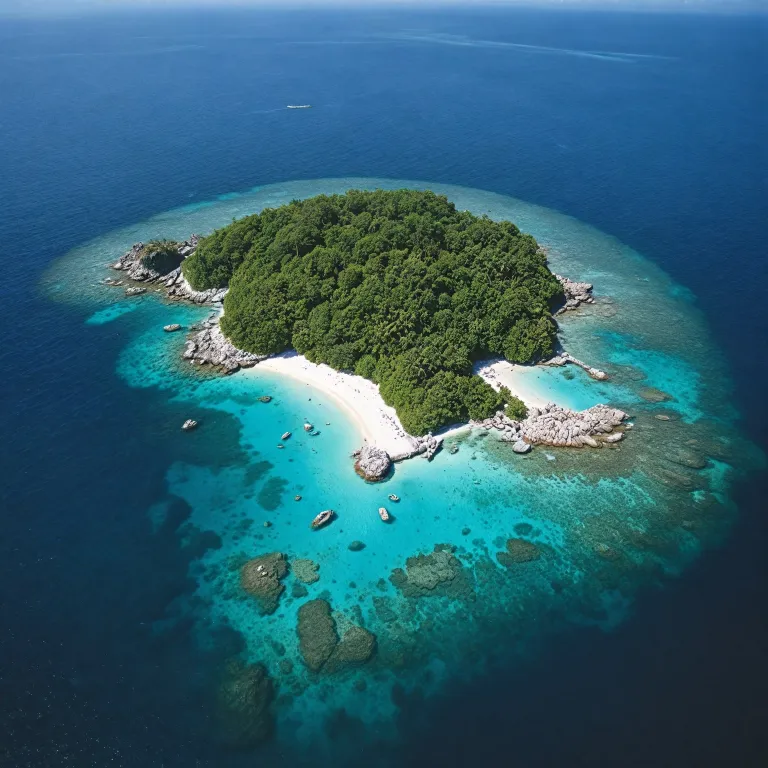
Exploring pristine waters: what makes an island ideal for snorkeling island hopping
Island hopping offers a unique way to experience the best islands for snorkeling island hopping, where each island reveals its own marine secrets. The allure of a white sand beach, a tranquil bay, and crystal-clear water draws travelers seeking the best snorkeling experiences. Islands with vibrant coral reefs, abundant marine life, and easy access to snorkeling spots are particularly sought after. The Caribbean, Raja Ampat, and the Hawaiian islands are renowned for their diverse marine parks and protected coral reefs, making them top choices for an islands visit focused on snorkeling.
Snorkeling tours often begin with a boat ride across turquoise sea, stopping at secluded bay beaches or within national parks. These excursions allow visitors to snorkel above thriving coral, encounter green sea turtles, and observe reef sharks gliding through the ocean. The best snorkeling sites are often found in marine parks, where conservation efforts protect both the coral and the marine life. A stay on these islands means waking up to the sound of waves and the promise of another day exploring new snorkeling spots.
When planning a visit, consider the season, as calm water and good visibility are essential for the best snorkeling. "The best time for snorkeling in the Maldives is during the dry season, from November to April, when the seas are calm and visibility is high." This advice applies to many tropical destinations, ensuring you experience the full beauty of coral reefs and marine life. Whether you are a novice or an experienced snorkeler, the islands offer something for everyone, from shallow blue lagoons to deeper reef walls teeming with life.
Iconic destinations: the best islands for snorkeling island hopping worldwide
Some islands stand out as the best for snorkeling island hopping due to their exceptional marine biodiversity and accessibility. Raja Ampat in Indonesia is celebrated for its coral reefs, home to over 1,500 species of fish and countless types of coral. The Caribbean islands, such as Bonaire and the Bahamas, offer easy access to marine parks and snorkeling sites directly from the beach. These islands are ideal for those who wish to explore coral reefs and observe marine life without long boat rides.
The Hawaiian islands, particularly Maui and the Big Island, feature renowned snorkeling spots like Molokini Crater and Kealakekua Bay. Here, snorkelers can swim alongside green sea turtles, manta rays, and schools of colorful fish. National parks and marine reserves ensure that coral reefs and marine life are preserved for future generations. For those seeking adventure, a snorkeling tour in these regions often includes visits to multiple islands, each with its own unique underwater landscape.
When choosing your destination, look for islands with established marine parks and a reputation for sustainable tourism. This not only guarantees the best snorkeling but also supports conservation efforts. For more insights on planning your trip, explore our guide to island hopping travel tips for practical advice and inspiration. The combination of diverse marine life, pristine beaches, and well-managed snorkeling sites makes these islands the best for a memorable island hopping experience.
Marine parks and conservation: protecting coral reefs and marine life
Marine parks play a crucial role in preserving the best islands for snorkeling island hopping. These protected areas safeguard coral reefs, marine life, and the delicate balance of the ocean ecosystem. Snorkeling within a marine park often means encountering healthy coral, abundant fish, and the occasional reef shark or manta ray. Conservation organizations work closely with local guides and tour operators to promote sustainable snorkeling practices and minimize human impact on the reefs.
Visitors are encouraged to respect local guidelines, such as not touching coral or feeding marine life. This helps maintain the integrity of the reef and ensures future generations can enjoy the same vibrant snorkeling spots. Many islands now require snorkelers to use reef-safe sunscreen and follow strict rules within national parks. These measures are essential, as "75% of coral reefs at risk globally" highlights the urgent need for responsible tourism.
Supporting marine conservation efforts during your islands visit can include participating in educational programs or choosing eco-friendly snorkeling tours. For those interested in learning more about marine parks and their role in protecting coral reefs, visit our resource on marine conservation initiatives. By prioritizing conservation, the best snorkeling sites remain healthy and accessible, ensuring the ocean's wonders endure for years to come.
Essential tips for planning your snorkeling island hopping adventure
Preparation is key to enjoying the best islands for snorkeling island hopping. Begin by researching the best time to visit each destination, as weather and water conditions can greatly affect visibility and safety. Booking your snorkeling tour with reputable tour operators ensures access to the best snorkeling spots and knowledgeable local guides. These professionals provide safety equipment, snorkeling gear, and valuable insights into the marine life and coral reefs you will encounter.
When packing for your trip, include essentials such as a well-fitting mask, snorkel, fins, and reef-safe sunscreen. Many islands offer equipment rentals, but bringing your own gear guarantees comfort and hygiene. It is also important to stay hydrated and protect yourself from the sun during long days on the beach or boat rides between islands. "Many snorkeling tours cater to beginners and provide instruction; however, comfort in the water and basic swimming skills are recommended." This ensures a safe and enjoyable experience for all participants.
Respecting local customs and environmental guidelines is vital when visiting national parks and marine reserves. Always follow the instructions of your guide and avoid disturbing marine life or coral reefs. With careful planning, your islands visit will be filled with unforgettable moments, from swimming with sea turtles to exploring hidden blue lagoons.
Unforgettable encounters: marine life highlights on the best islands for snorkeling island hopping
One of the greatest joys of snorkeling island hopping is the chance to observe a dazzling array of marine life. The best snorkeling spots are often teeming with colorful fish, vibrant coral, and larger creatures such as manta rays and reef sharks. In the Caribbean, snorkelers frequently encounter green sea turtles grazing on seagrass beds, while Raja Ampat is famous for its schools of fish and intricate coral formations. The Hawaiian islands offer the opportunity to swim with manta rays during night snorkeling tours, a truly unforgettable experience.
Coral reefs serve as the foundation of these ecosystems, providing shelter and food for countless marine species. Snorkeling in a blue lagoon or along a reef wall reveals the intricate relationships between coral, fish, and other ocean life. National parks and marine reserves ensure that these environments remain healthy, allowing visitors to witness the full spectrum of marine biodiversity. Whether exploring shallow bay beaches or venturing further offshore, each snorkeling site offers its own unique encounters.
For those passionate about marine life, joining a guided snorkeling tour with a focus on conservation can enhance your understanding of the ocean. Local guides share their expertise, pointing out rare species and explaining the importance of protecting coral reefs. These experiences not only enrich your islands visit but also foster a deeper appreciation for the ocean and its inhabitants.
Practical advice: making the most of your stay on the best islands for snorkeling island hopping
Maximizing your experience on the best islands for snorkeling island hopping requires thoughtful planning and flexibility. Choose accommodations close to the beach or within easy reach of top snorkeling spots, allowing you to make the most of your time in the water. Many islands offer a range of stays, from eco-lodges to guesthouses, catering to different preferences and budgets. Proximity to marine parks and national parks is especially valuable for those eager to snorkel daily.
Consider joining a multi-day snorkeling tour that includes visits to several islands, each with its own unique coral reefs and marine life. These tours often provide opportunities to explore remote beaches, hidden bays, and lesser-known snorkeling sites. A boat ride between islands reveals stunning ocean vistas and the chance to spot dolphins or whales along the way. Engaging with local guides enhances your understanding of the region's culture and natural history.
Finally, support sustainable tourism by choosing operators and accommodations committed to environmental responsibility. This ensures that the coral reefs, marine life, and pristine beaches you enjoy today will be preserved for future travelers. With careful planning and a spirit of adventure, your islands visit will be filled with extraordinary snorkeling experiences and lasting memories.
Key statistics on snorkeling island hopping destinations
- Number of islands in the Maldives: 1,192 islands
- Annual visitors to the Galápagos Islands: 225,000 visitors
- Percentage of coral reefs at risk globally: 75%
Frequently asked questions about snorkeling island hopping
What is the best time of year for snorkeling in the Maldives?
The best time for snorkeling in the Maldives is during the dry season, from November to April, when the seas are calm and visibility is high.
Are there age restrictions for snorkeling tours?
Age restrictions vary by tour operator and destination; it's best to check with the specific provider for their policies.
Do I need prior experience to join a snorkeling tour?
Many snorkeling tours cater to beginners and provide instruction; however, comfort in the water and basic swimming skills are recommended.