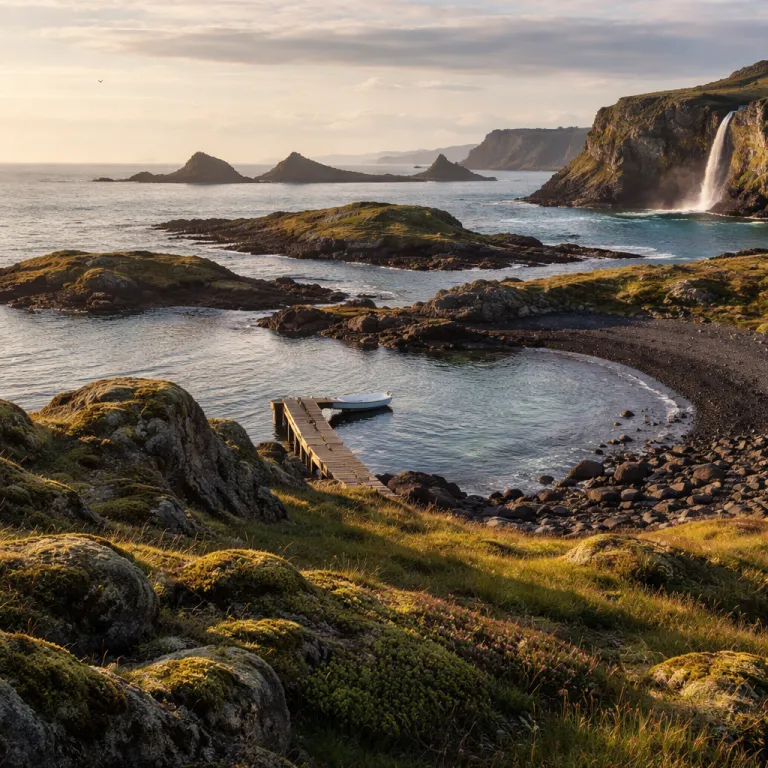
Island hopping foundations for a beautiful Iceland itinerary
Beautiful Iceland rewards patient travelers who plan their island hopping with care. The Icelandic Tourist Board promotes Iceland as a travel destination, and its guidance helps you choose the best season for each island, lagoon, and nature reserve. Summer brings the midnight sun for long days on every island, while winter offers northern lights that turn even a quiet sand beach into a dramatic stage.
Begin in Reykjavík, where most trips start and where you can arrange a car, maps, and online resources for a flexible drive. Guided tours, self drive trips, and hiking excursions all work well for island hopping, but self drive gives you freedom to chase hidden gems and lesser known spots Iceland keeps off the beaten path. Dress in layers, check weather forecasts, and respect nature, because conditions around each canyon, waterfall, and black sand beach can change quickly.
From Reykjavík you can plan a ring road journey that links mainland highlights with offshore islands. This road network lets you visit waterfalls, lava fields, and hot springs between ferry ports, turning transfers into scenic days. Many travelers combine a south coast road trip with a detour to the Snæfellsnes Peninsula, then add a side trip to Flatey Island for a slower rhythm.
Island Travel in Iceland offers tailored services that connect ferries, local transportation, and small guesthouses. Their expertise helps you identify the best places Iceland offers for specific interests, whether you focus on Iceland photography, wildlife, or geothermal lagoons. Eco friendly tourism is a growing priority, so choose partners who support preservation of fragile beaches, islands, and nature reserves.
Reykjavík, lagoons, and the art of slow coastal hopping
Reykjavík is more than a gateway to beautiful Iceland, it is a coastal base for thoughtful island hopping. Spend at least one full day to visit museums, taste local seafood, and plan your route to nearby hot springs and lagoons. The city’s innovation in using geothermal energy for tourism facilities means even a simple swim can feel like a refined wellness ritual.
Two major lagoons sit within easy reach of Reykjavík and work beautifully at the start or end of a trip. The Blue Lagoon lies in a lava field landscape, where milky water contrasts with dark rock and offers iconic Iceland photography opportunities. Sky Lagoon, closer to the city, frames the Atlantic horizon and lets you watch changing skies while you soak in warm water.
Hvammsvik hot springs, on a quiet bay, provide a more intimate experience that pairs well with a relaxed drive along the coast. Many travelers combine these geothermal spots with a gentle road trip that explores small harbors, sand beaches, and viewpoints over distant islands. For families who enjoy coastal adventures, resources like this guide to unforgettable family activities by the sea can inspire similar multi generational experiences in Iceland.
Use Reykjavík as a hub for day trips to waterfalls and black sand beaches on the south coast, or to the Snæfellsnes Peninsula in the opposite direction. These routes reveal some of the best spots Iceland offers without long driving days between each island or lagoon. By alternating active days with slow spa evenings, you maintain energy for the rest of your island hopping journey.
Flatey Island and Breiðafjörður: timeless island hopping in the west
Flatey Island in Breiðafjörður embodies the quiet charm that makes beautiful Iceland feel timeless. Reached by ferry from the west, this low lying island invites you to slow your trip and trade long road days for gentle walks. Colorful houses, birdlife, and wide views over surrounding islands create a sense of stepping into an older rhythm of travel.
On Flatey Island there are no waterfalls thundering nearby, yet the stillness becomes its own hidden gem. Many visitors spend a single night, using the island as a pause between drives along the ring road and the Snæfellsnes Peninsula. Without cars on the island, you will walk everywhere, noticing small details that often vanish when you rush between famous spots.
Breiðafjörður itself is dotted with countless islands, some protected as a nature reserve where bird colonies thrive. Boat tours weave between these islands, pointing out hidden spots Iceland keeps far from the main beaten path. For photographers, the combination of calm sea, low islands, and changing light rivals more dramatic canyons and black sand beaches.
Independent travelers considering solo island hopping can benefit from guidance such as this resource on whether solo island hopping is right for you. Iceland is generally safe, English is widely spoken, and ferries are reliable, but weather can still disrupt plans. Build flexibility into your itinerary, and always check local forecasts before each crossing or coastal drive.
South coast islands, black sand beaches, and dramatic waterfalls
The south coast of Iceland offers some of the most dramatic scenery in the country, and it pairs naturally with island hopping. Here, waterfalls plunge from high cliffs, black sand beaches stretch toward distant islands, and sea stacks rise from the Atlantic. A carefully paced road trip along this coast lets you visit both famous and hidden spots Iceland showcases to adventurous travelers.
Begin with well known waterfalls near the main road, where paths lead behind curtains of water or up to viewpoints over wide plains. These places Iceland promotes heavily can feel busy, but early morning or late evening visits restore a sense of solitude. Continue toward sand beaches where waves crash against basalt columns, creating powerful scenes for Iceland photography.
Offshore islands along the south coast, some used historically for bird harvesting, add depth to your understanding of local culture. Boat tours and seasonal ferries reveal cliffs alive with seabirds, while guides explain how communities balanced survival with respect for nature. In several areas, small nature reserves protect fragile habitats, and visitors are asked to stay on marked paths.
Hidden gems still exist along this coastline, from lesser known canyons to quiet hot springs tucked away from the main beaten path. Ask local tour operators or accommodation hosts about safe access, especially when a drive involves gravel roads or river crossings. When planning island hopping here, remember that weather, daylight, and road conditions will shape which spots you can realistically visit.
Snæfellsnes Peninsula, lava fields, and offshore perspectives
The Snæfellsnes Peninsula is often called a miniature version of beautiful Iceland because it concentrates so many landscapes in one region. Here you will find lava fields, sand beaches, cliffs, and a glacier capped volcano, all within a manageable drive from Reykjavík. Offshore islands and headlands create constantly shifting perspectives that reward slow travel and repeated stops.
Several beaches on the peninsula combine black sand and golden sand, with rock arches and sea stacks framing the horizon. These spots Iceland highlights in many images are ideal for Iceland photography, especially when clouds move quickly across the sky. Small fishing villages along the road provide practical bases, with harbors that look toward distant islands and bird cliffs.
Inland, lava fields and craters reveal the volcanic forces that shaped every island in this region. Short hikes lead to viewpoints over the coastline, where you can trace your route and identify hidden coves or potential picnic spots. Some areas form part of a wider nature reserve, so follow local guidance to protect delicate moss and bird nesting sites.
Island hopping here often means combining coastal drives with short boat trips or seasonal ferries to nearby islands. Even without leaving the peninsula, you can create an island themed itinerary by linking headlands, peninsulas, and isolated beaches. For travelers who enjoy comparing island experiences worldwide, resources such as this complete guide to reaching a remote island destination can help refine logistics and expectations.
Practical planning, safety, and responsible island hopping in Iceland
Thoughtful planning turns a beautiful Iceland island hopping idea into a safe, rewarding reality. Start by deciding how many islands and regions you can reasonably visit within your available days. It is better to explore fewer places Iceland offers in depth than to rush between too many spots.
Self drive trips remain the most flexible way to reach ferry ports, waterfalls, and remote beaches. Rent a suitable car, check that your insurance covers gravel roads, and monitor road conditions daily through official channels. Guided tours can complement your drive, especially for challenging canyons, glacier areas, or winter northern lights excursions.
Weather in Iceland changes quickly, so always carry layers, waterproof clothing, and sturdy footwear for sand beaches and rocky shores. Respect safety barriers near waterfalls, cliffs, and hot springs, because waves and geothermal areas can be unpredictable. Remember that eco friendly tourism supports long term preservation of islands, lagoons, and nature reserves for future visitors.
International visitors in 2024: 2300000 people (source: Statista). Iceland is known for high travel costs, so budget carefully for fuel, ferries, and food between islands. When in doubt about conditions or access to hidden gems, ask local partners such as the Icelandic Tourist Board or established tour operators for current advice.
Key statistics about tourism and island hopping in Iceland
- International visitors in 2024: 2300000 people (source: Statista).
- Iceland welcomes travelers in all seasons, with summer focused on the midnight sun and winter focused on northern lights.
- Guided tours, self drive trips, and hiking excursions remain the primary methods for exploring islands, waterfalls, and coastal regions.
Essential questions about visiting beautiful Iceland for island hopping
What is the best time to visit Iceland?
What is the best time to visit Iceland? Summer for mild weather; winter for northern lights. This balance allows island hopping that combines long daylight for driving with dark skies for aurora watching. Choose your season based on whether you prioritize road accessibility, hiking, or night sky experiences.
Do I need a visa to visit Iceland?
Do I need a visa to visit Iceland? Depends on nationality; check Icelandic Directorate of Immigration. Always verify entry requirements well before booking flights or non refundable island accommodations. Regulations can change, so rely on official government sources rather than informal advice.
Is it expensive to travel in Iceland?
Is it expensive to travel in Iceland? Yes, Iceland is known for high travel costs. Island hopping adds ferry tickets and occasional guided tours, so plan a realistic daily budget. Booking in advance, traveling shoulder season, and choosing simple guesthouses can help manage overall trip expenses.