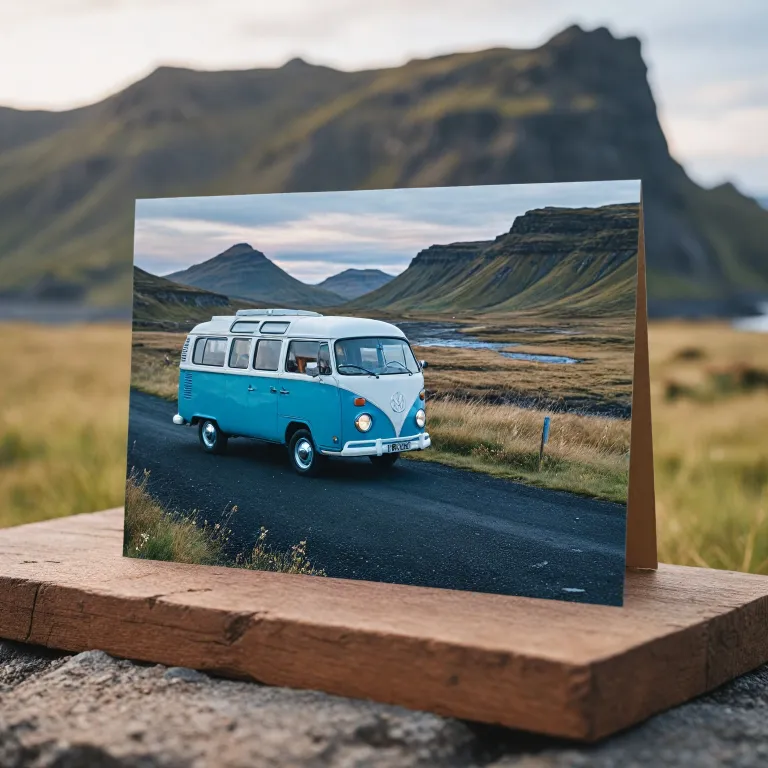
Planning refined island hopping with the Iceland camping card
Island hopping in Iceland rewards travelers who value slow movement and thoughtful planning. When you weave the Iceland camping card into your itinerary, you gain predictable costs while keeping the freedom to adjust each day as the weather and light shift. This balance of structure and spontaneity is essential for elegant journeys between remote peninsulas, offshore islets, and coastal campsites.
The camping framework in Iceland is unlike classic Mediterranean island chains, yet the same principles apply when you move from one shoreline to another. Instead of ferries between islands, you glide by motorhome or campervan between fjords, sea cliffs, and archipelagos, using carefully chosen campsites as your overnight anchors. With this card Iceland product, your camping costs are largely prepaid, and you simply will pay the modest tourist tax in ISK at each campsite reception.
The issuer, Útilegukortið ehf (The Camping Card ehf), based in Reykjavík, created the camping card to make camping Iceland more accessible and financially transparent. The pass is valid for a fixed period each year, and during those days you can use participating Iceland campsites as a network for coastal and island focused routes. Before you set off from Reykjavík, check the official website for the current list campsites and opening dates, then align your nights with the regions you wish to explore.
Understanding validity, costs in ISK, and how many nights you can stay
The Iceland camping card functions as a prepaid pass that covers campsite fees for a defined number of nights. According to the issuer, “The Iceland Camping Card is a prepaid pass granting access to numerous campsites across Iceland for a fixed fee, valid for a specified period.” In practice, this means your card valid period and your total nights card allowance must guide how you pace your island hopping route.
Each camping card is typically valid from early May until mid September, but individual opening dates for campsites Iceland wide can differ. Some campsites included in the program may open later in spring or close earlier in autumn, so you must always check the official website and, when in doubt, contact the campsite directly. This is particularly important if your island themed itinerary includes remote coastal areas where a single campsite serves a wide region.
The card Iceland product covers campsite fees for up to 28 nights, which suits extended camping Iceland journeys that circle the coastline. The price is paid once, usually in euros, but on site you will pay a nightly tourist tax that costs ISK 400 per accommodation unit. This tourist tax applies whether you stay in a tent, campervan, or motorhome, and you may also pay extra in ISK for showers, electricity, or laundry during longer days on the road between islands and peninsulas.
For travelers who enjoy sacred landscapes and tranquil shores, a carefully planned loop that includes coastal islands can be inspiring; you can study a detailed island map approach in this guide to navigating a Greek island gem and adapt the same mindset to Iceland’s scattered islets.
Who the Iceland camping card suits best for coastal and island routes
The Iceland camping card is designed for a specific travel party structure, which matters when you plan island hopping as a family. One card valid unit usually covers two adults and up to four children years under sixteen, staying in one tent, campervan, or motorhome. This configuration makes the product particularly attractive for family adults who wish to keep accommodation predictable while exploring multiple coastal regions.
For couples without children, the card Iceland option still offers value if you plan many nights at participating campsites included in the scheme. Solo travelers may need to calculate carefully whether their total days and nights align with the 28 night allowance, especially if they alternate between wild landscapes and urban stays in Reykjavík. In all cases, you should check how many Iceland campsites on your intended route are part of the list campsites published on the official website.
Families benefit from the way the camping card simplifies budgeting for adults children combinations. Instead of paying separate campsite fees each day, you present the card and then will pay only the tourist tax and any optional services. When planning island themed routes, such as coastal drives that echo classic turquoise water itineraries like those in this guide to the best beaches of Milos, the card allows you to focus on scenery rather than nightly calculations.
Those traveling in a larger motorhome should confirm that the unit size is accepted at each campsite, as access campsites rules can vary. Some smaller campsite locations near fragile shorelines may limit big vehicles, while others offer generous pitches and easy access to service stations. A careful pre trip check of facilities, from waste disposal to fuel stations, keeps your island hopping rhythm smooth.
Designing an island inspired route around Icelandic campsites
Although Iceland is a single large island, its coastline feels like a chain of distinct islands linked by roads. With the Iceland camping card, you can design a route that treats each peninsula, fjord, and offshore islet as a separate island hopping chapter. The key is to align your 28 nights card allowance with clusters of campsites Iceland wide that support this style of travel.
Begin in Reykjavík, where you can collect your motorhome or campervan and stock up before heading towards the golden circle. While the golden circle itself is not an island, it forms a natural first loop, with several Iceland campsites within driving distance of major sights. From there, you can continue towards coastal regions, using your camping card to secure camping spots that frame sea views and access to small harbors.
As you move between regions, think of each day as a crossing between metaphorical islands, even when no ferry is involved. One day you might camp near a bird rich headland, the next near a fishing village that serves as a gateway to nearby islets. For refined inspiration on structuring multi stop coastal journeys, this elegant travel guide to the best beaches in Milos for refined island hopping offers a useful narrative model that you can translate to Iceland camping.
Always check opening dates for each campsite, especially in the shoulder season when some may close before the card valid period ends. If a key campsite on your route is closed, adjust your days and nights to avoid long detours that break the island hopping rhythm. With thoughtful planning, the camping Iceland network becomes a flexible framework for coastal exploration.
Practicalities at campsites: payments, services, and daily routines
Daily life with the Iceland camping card revolves around a simple routine at each campsite. On arrival, you present the card, confirm how many adults children are in your party, and the staff will check validity and register your stay. You then will pay the nightly tourist tax, which costs ISK 400 per accommodation unit, usually by card or occasionally in cash.
While the camping card covers the base campsite fee at participating campsites included in the program, certain services remain separate. Showers, electricity hookups for your motorhome, and laundry facilities may carry additional costs in ISK, which you should factor into your overall budget. Over several days, these small amounts can add up, especially for family adults traveling with active children years who use more hot water and power.
Access campsites infrastructure varies across Iceland, from simple grass fields with minimal facilities to well equipped sites near service stations and supermarkets. In more remote coastal areas that suit island hopping themes, you may find fewer amenities but more dramatic scenery. It is wise to check in advance whether a campsite offers kitchen shelters, indoor lounges, or only basic toilets, particularly if you expect several consecutive nights in unsettled weather.
Because the card Iceland product is tied to a specific period each year, you must align your travel days with the valid window. If you arrive before the card becomes valid or stay after it expires, you will pay standard campsite fees in addition to the tourist tax. Keeping a clear log of your nights card usage helps ensure you do not exceed the 28 night limit during an extended camping Iceland journey.
Maximising value for elegant, sustainable island themed travel
To extract full value from the Iceland camping card, you need both strategic planning and flexibility. Start by mapping the list campsites against the coastal and island influenced regions you wish to visit, then assign approximate days and nights to each cluster. This approach ensures that your nights card allowance supports a coherent island hopping narrative rather than scattered, inefficient jumps.
Because the card is valid for a fixed period each year, consider seasonal light and weather when choosing your travel window. Longer days allow you to cover more ground between Iceland campsites while still enjoying unhurried evenings by the sea. In contrast, shoulder season trips may offer quieter campsites Iceland wide but require closer attention to opening dates and road conditions.
From a sustainability perspective, using a single prepaid camping card encourages longer stays and fewer unnecessary relocations. When you know your campsite costs in advance, you are less tempted to chase marginal savings by moving every day, which reduces driving emissions and supports local communities consistently. The structure of the card Iceland system, combined with the modest tourist tax that costs ISK 400 per night, aligns well with responsible island themed travel.
Finally, remember that the Iceland camping card is one tool among many for refined journeys. Pair it with careful research on ferry schedules to offshore islands, local cultural events, and nature based excursions that start near your chosen campsite. With this integrated approach, camping Iceland becomes a sophisticated form of island hopping, where each shoreline stay deepens your understanding of the country’s maritime character.
Key statistics for the Iceland camping card
- The Iceland camping card typically covers campsite fees for up to 28 nights during its valid period.
- The card price is set at a fixed amount in euros, while the nightly tourist tax costs ISK 400 per accommodation unit and is paid separately at each campsite.
- The network usually includes several dozen participating campsites Iceland wide, forming a practical framework for coastal and island themed routes.
Essential questions about the Iceland camping card
What is the Iceland camping card and how does it work ?
The Iceland camping card is a prepaid pass that covers campsite fees at a defined network of campsites across Iceland for a fixed period. Travelers purchase the card once, then present it at participating campsites to gain access without paying the standard nightly camping fee. During each stay, they still pay the required tourist tax and any optional services, such as electricity or showers, directly to the campsite.
Who can use the Iceland camping card during an island themed trip ?
The card is structured for a single accommodation unit, such as one tent, campervan, or motorhome, occupied by up to two adults and a limited number of children years under a specified age threshold. This makes it particularly suitable for couples and family adults planning extended camping Iceland journeys that include coastal and island influenced regions. Larger groups traveling in multiple vehicles or tents usually need more than one card to cover all adults children combinations.
How should travelers plan around opening dates and validity ?
Because the card is valid only within a defined seasonal window each year, travelers must align their itinerary with this period. They should also verify individual opening dates for each campsite on the official website, as some locations may open later or close earlier than the overall card valid season. Building a flexible route with alternative campsites ensures that unexpected closures do not disrupt an elegant island hopping rhythm around Iceland.