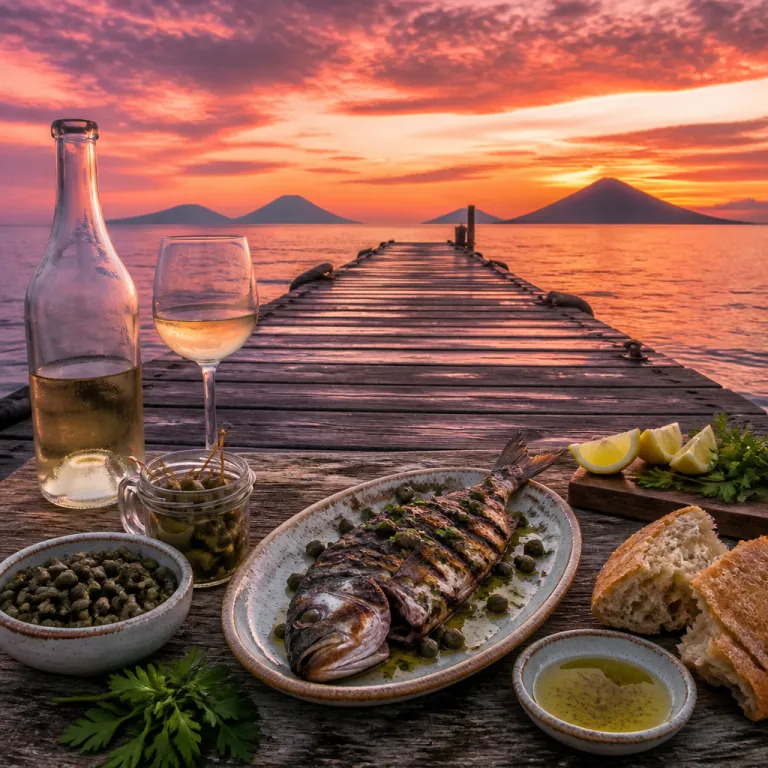
Aeolian islands food guide for couples who travel by ferry
The Aeolian Islands sit north of Sicily, a compact archipelago where every island meal feels shaped by wind, salt and volcanic stone. This aeolian islands food guide treats the sea as your main road and each island as a different dining room, ideal for a couple who likes island hopping as much as lingering over a second glass of wine. Think of each short crossing as a palate cleanser between courses, with the islands best reached by slow ferries rather than rushed timetables.
Most travelers arrive from the coast of Sicily, usually from Milazzo, and the first aeolian island they see is often Lipari with its white pumice cliffs and busy harbour cafés. Lipari is the practical base for island hopping across the aeolian islands, with frequent boats to Salina, Panarea, Stromboli, Filicudi and Alicudi that turn the timetable board into a living food guide. You can stay in a simple seaside hotel or a restored villa, then use local ferries like a tasting menu, choosing a different island and different islands food every day.
These islands of Italy share ingredients but not the same tempo, which is why this aeolian islands food guide focuses on rhythm as much as recipes. Plan one day for Lipari and Salina together, another day for Panarea and a late return, and a third day for Stromboli evenings under the glow of an active volcano. If you want to continue reading about how harbour grills and night markets shape coastal eating elsewhere, the piece on harbour grills and the shacks that feed an island hop offers a useful comparison of islands aeolian style dining with other archipelagos.
Salina, capers and Malvasia wine on volcanic terraces
Salina is the green heart of the aeolian islands, a double peaked aeolian island where terraced vineyards and caper bushes climb steep slopes above the sea. When travelers talk about the islands best capers, they usually mean the caper fields around the village of Pollara on island Salina, where stone walled terraces face west and catch the last light of the day. Walking these paths feels like stepping into a living food guide, with every dry stone wall hiding another caper plant or vine.
The Malvasia story begins on these same terraces, where grapes dry on mats under the sun before becoming sweet Malvasia wine with notes of apricot and herbs. Order a glass of Malvasia from Salina in a harbour bar and you taste volcanic soil, sea breeze and patient labour in one sip, a flavour that pairs well with grilled fish, almonds or simple islands food like toasted bread with olive oil and capers. Many couples plan a day Salina excursion from Lipari Salina ferries, timing a vineyard visit in the afternoon and then a slow dinner in Santa Marina Salina as the sky turns pink.
Capers here are not garnish but structure, used fresh or salted in salads, on fish and in sauces that define local cooking across the islands aeolian group. A plate of pasta alla eoliana on Salina might bring together tomatoes, olives, capers and olive oil in a way that feels both rustic and precise, especially when eaten car free on a terrace above the harbour. For more long form island hopping food narratives that echo this mix of landscape and plate, you can explore the broader guide to culinary journeys across sunlit shores once you finish this read.
Lipari and Panarea: harbour grills, golden hour and island tempo
Lipari is the social centre of the aeolian islands, a working island where fishing boats, ferries and evening passeggiata all converge along the main harbour. For couples using this aeolian islands food guide, Lipari town is where you learn the local rhythm of eating with the ferries, watching arrival boards while you sip a spritz and share fried anchovies. Many restaurants sit within a short walk of the docks, so you can step off a boat from Salina or Panarea and be at a table with grilled fish in minutes.
Harbour grills on Lipari and Panarea keep menus short and elemental, usually some mix of the day catch, vegetables, capers and good olive oil. On Panarea, which feels like the chic island of the group, dinner often starts late and stretches until the last boat back, a pattern that suits couples who like to let the meal set the pace of their island hopping. Time your reservation for golden hour, when the sun drops behind the coast of Sicily and the sea between each island turns metallic blue, and the whole harbour becomes a dining room.
Panarea itself is almost car free, with luggage moved by small electric carts and most visitors walking narrow lanes scented with jasmine on their way to dinner. That car free quiet makes grilled fish and Malvasia wine taste even more intense, especially when you can hear only cutlery, low conversation and the distant engine of a late ferry. If you enjoy reading about how other harbour cities manage this balance between movement and lingering, the Havana feature on what to do in Havana for culturally curious island hoppers offers a useful parallel in another part of the island hopping world.
Stromboli, Filicudi and Alicudi: dramatic evenings and quiet plates
Stromboli is the dramatic outpost of the aeolian islands, a near perfect cone rising from the sea with Stromboli active almost every night. Dining here is about timing, because the best tables face the volcano or the dark sea, and couples often plan their meal around a boat tour to see the active volcano from the water. A simple grilled fish with capers and olive oil eaten just before that excursion can become one of the islands best memories, especially when the sky deepens and the first red glow appears on the summit.
On Stromboli, many visitors walk gentle paths rather than the full hiking trails to the summit, then return to the village for late plates of pasta and chilled Malvasia wine. The island feels car free in its core, with narrow lanes and black sand beaches that encourage slow walking between the small harbour and scattered guesthouses or hotel style stays. This aeolian islands food guide suggests at least one night here, because the combination of Stromboli active in the background and quiet village trattorie creates a uniquely romantic setting.
Farther west, Filicudi and Alicudi offer a different chapter in any aeolian islands food guide, one where silence and simplicity dominate. Filicudi has a handful of harbour side places where the menu might list only the day catch, a salad and perhaps a dessert flavoured with local almonds or Malvasia wine, while Alicudi feels like an island where time has slowed, with steps instead of roads and meals that stretch without hurry. These outer islands reward travelers who read ferry timetables carefully and accept that island hopping here is less about variety and more about depth, a chance to eat well in near solitude.
Practical travel tips for an Aeolian food focused island hop
Planning an aeolian islands food guide style itinerary starts in Sicily, usually with a train or drive to Milazzo on the north coast of Sicily. From there, ferries fan out across the islands aeolian chain, and the most efficient pattern for couples is often Lipari first, then Salina, Panarea and finally Stromboli, with Filicudi or Alicudi added if time allows. Each crossing takes from thirty minutes to a couple of hours, which turns travel days into gentle pauses between meals rather than stressful transfers.
Many travelers pair the aeolian islands with a few days in Florence or along the Amalfi Coast, but the food character here is distinct, more about capers, tomatoes, olive oil and grilled fish than heavy sauces. If you are coming from Florence or another Italian city, consider one night on the coast of Sicily before boarding your first ferry, which gives you time to adjust to the slower island tempo. Late summer and early autumn often feel more comfortable than the peak of July and August, when the islands best terraces can be crowded and the heat makes midday hiking trails less appealing.
Once on the islands, staying mostly car free keeps the focus on walking, ferries and the sea, which suits the compact scale of each island. You can move between Lipari Salina routes and smaller islands with only a light bag, stopping at markets for fruit, bread and local cheese to turn any day into a picnic between restaurant meals. As you continue reading and planning, remember that this aeolian islands food guide is a framework rather than a script, meant to help you eat well while leaving enough space for the kind of unplanned harbour lunch that often becomes the highlight of an island hopping journey through Italy.
FAQ
How many days do couples need for an Aeolian food itinerary ?
Most couples who want a balanced aeolian islands food guide style trip should plan at least six to eight days. That allows two nights on Lipari, two or three on Salina, one on Panarea and one on Stromboli, with Filicudi or Alicudi added only if you enjoy very quiet islands. With fewer days, focus on Lipari and Salina, using day trips to taste different islands food without changing hotel too often.
Is it easy to travel car free between the islands ?
Yes, the aeolian islands are well suited to car free travel, especially for couples focused on food and walking. Ferries and hydrofoils link each island multiple times per day in high season, and most harbours sit within walking distance of main villages and restaurants. On smaller islands like Panarea, Stromboli, Filicudi and Alicudi, narrow lanes and steps make cars impractical, so luggage with wheels and light packing are the best travel tips.
When is the best time to visit for food and wine ?
Late summer and early autumn are ideal for an aeolian islands food guide itinerary, because the heat softens, the sea stays warm and vineyards on Salina prepare for Malvasia wine production. July and August bring more energy and events but also more crowds, so restaurant reservations become essential, especially on Panarea and Stromboli. Spring can also be appealing, with quieter ferries and fresh produce, though some seasonal places may still be closed.
Do the islands offer options for different budgets ?
The aeolian islands range from simple guesthouses to refined hotel properties, with food options that run from harbour side panini to multi course seafood dinners. Lipari and Salina offer the widest range of prices, while Panarea tends toward higher end stays and dining, and Alicudi or Filicudi feel more limited but authentic. Couples with a mid to high budget will find many choices, but even modest travelers can eat well by focusing on daily specials and local wine by the glass.
Are there good hiking trails that combine with food stops ?
Several islands feature hiking trails that pair naturally with long lunches or early dinners, especially Salina and Stromboli. On Salina, paths around Monte Fossa delle Felci and Pollara lead through caper fields and vineyards, ending near small trattorie where you can taste local dishes. Stromboli offers guided walks to viewpoints below the summit, after which many couples return to the village for grilled fish while watching the active volcano glow above.