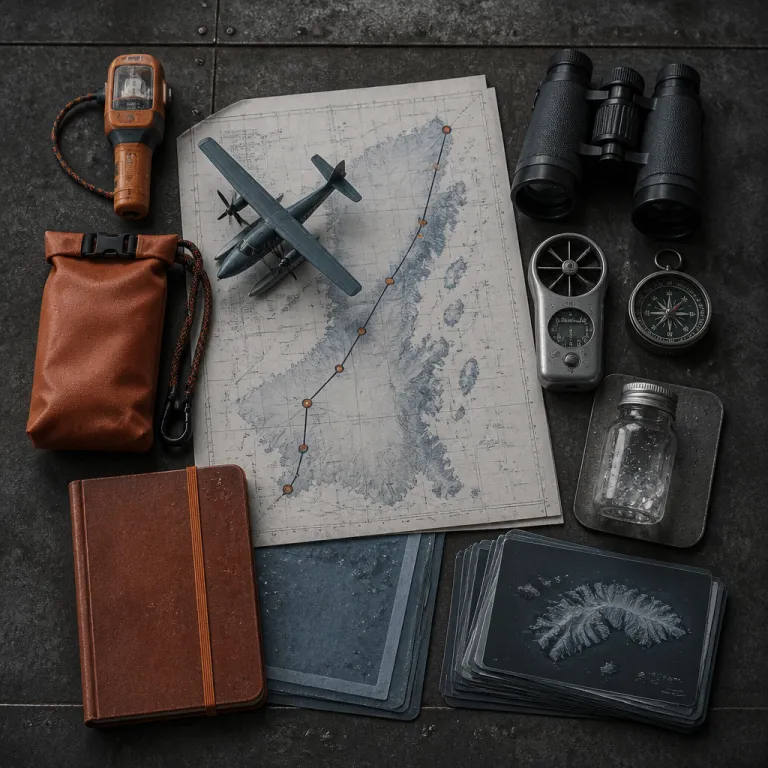
From island chains to ice realms: why the classic Antarctica air-cruise appeals to island hoppers
Seasoned island hoppers often chase coral reefs, palm trees, and warm lagoons. The classic Antarctica air-cruise channels that same curiosity into a polar setting, where each landing feels like stepping onto a new frozen island within a vast white archipelago. You still move from shore to shore by ship, but now the “islands” are glacier-carved peninsulas, rocky outcrops, and snow domes scattered along the Antarctic Peninsula.
Instead of hopping between Aegean or Pacific islands, you fly from Punta Arenas in southern Chile directly to King George Island, then board an expedition vessel that threads its way along the peninsula. This bypasses the Drake Passage by air and gives you more time to treat each landing as a distinct stop, much like a carefully curated island chain. Antarctica21 has refined this expedition format so that the eight-day journey balances comfort, wildlife encounters, and a rhythm of daily landings that will feel familiar to anyone who loves multi-stop coastal itineraries.
On a classic Antarctica air-cruise, Zodiac rides replace inter-island ferries, and ice-fringed coves become your new sheltered bays. Each day you step from the ship to a different landing area, where penguin colonies, seals, and sculpted icefields create the same sense of variety that island hoppers seek in beaches, villages, and reefs. The crunch of snow under your boots, the sharp scent of the sea, and the quiet roar of calving icebergs all reinforce the feeling that Antarctica is simply the most remote extension of your island-hopping map.
Bypassing the Drake Passage: how the air cruise reshapes your polar island-hopping route
Traditional voyages to Antarctica require two to three days at sea each way across the Drake Passage. The classic Antarctica air-cruise changes that equation by flying from Punta Arenas directly to King George Island in about two hours, turning a notorious crossing into a swift gateway flight. For island hoppers used to short hops between arenas of culture and nature, this air segment feels more like a smart connection than an ordeal.
The departure point of Punta Arenas, often simply called Punta by locals, sits in Chile’s Magallanes region and functions as your staging area for the expedition. From this hub in southern Patagonia, you board a charter aircraft that carries you over the open ocean to the South Shetland Islands, where the ship awaits at the edge of Antarctica. This structure mirrors sophisticated island-hopping routes in places like the Indian Ocean or the Caribbean, where a key aviation hub unlocks a string of remote stops reached by sea.
Travelers who have combined safari and coastal stays, such as those described in this elegant guide to safari and Zanzibar island hopping, will recognize the logic. You use air travel to leap over long, less interesting stretches, then rely on a nimble expedition ship to weave between the most compelling coastal areas. In Antarctica, that means more time among icebergs and wildlife-rich bays, and less time in heavy swells, which is a clear advantage for travelers who value efficient, multi-stop journeys.
Life on board: cabins, suites, and social spaces for polar island hoppers
Once you step aboard the expedition ship, the experience becomes a floating base camp for your Antarctic island hopping. Vessels such as the Magellan Explorer are purpose-built for polar conditions, with a published passenger capacity of approximately 70 guests that keeps the atmosphere intimate and focused on exploration. This scale matters, because it allows everyone to go ashore during landings rather than waiting in long rotations.
Accommodation categories on a classic Antarctica air-cruise are designed to suit different travel styles, from solo explorers to multi-generational families. You will find cabins with twin beds for friends traveling together, as well as rooms configured with a king-size bed for couples who prefer more generous sleeping space. Many categories include a defined sitting area, so you can review charts, edit photos, or simply watch the passing ice from a comfortable chair.
Families who approach Antarctica as the ultimate educational island-hopping adventure often choose a family veranda cabin or a larger veranda suite. These options typically combine a bedroom with king or twin beds and a lounge-style sitting area where everyone can gather between landings. For those planning complex journeys with children, resources like this guide to family adventures in Oahu with kids can provide a useful mindset, which you then adapt to a polar setting with lectures, wildlife briefings, and hands-on learning on deck.
Verandas, balconies, and private spaces: choosing the right cabin for a polar archipelago
For travelers who love waking up to a new shoreline, the choice between a veranda cabin, a deluxe veranda category, or a veranda suite becomes central to the classic Antarctica air-cruise. A veranda cabin usually offers a compact sleeping area with either twin beds or a king-size bed, plus a small sitting corner that opens directly onto an exterior balcony. This layout lets you step outside quickly when whales surface nearby or when the light over Antarctica shifts into pastel tones.
Upgrading to a deluxe veranda cabin or a deluxe veranda suite typically increases both the interior space and the outdoor balcony. You gain a more generous sitting area, often with a sofa and table, and a private terrace that feels like your own viewing platform over the ice. For island hoppers used to comparing ocean-view rooms across different parts of the world, this decision is similar, but here the reward is a front-row seat to glaciers, icebergs, and penguin highways.
Some ships, including the Magellan Explorer, also feature specialized categories such as a family veranda layout or higher-end suites with an extended balcony sitting area. These cabins often include a semi-separated sleeping nook, where a quiet bedroom is screened from the lounge so one person can rest while another reads charts or edits images. If you prefer a more compact footprint, single cabins with a well-designed sitting corner can be ideal, especially when your priority is spending most waking hours on deck or ashore.
Magellan Explorer, Magellan Discoverer, and the art of small-ship expeditions
The hardware behind a classic Antarctica air-cruise matters as much as the itinerary, particularly for travelers who think in terms of nimble island hopping rather than mass-market cruising. Ships such as the Magellan Explorer are built with ice-strengthened hulls, efficient Zodiac deployment systems, and a layout that keeps cabins close to public areas. This design shortens the time between a landing call and your actual step into a Zodiac, which means more minutes on shore at each Antarctic site.
On board, the expedition team leads briefings in a central lounge, then guests disperse from their cabin or suite to the mudroom and gangway in a carefully choreographed flow. Whether you are staying in a veranda suite, a deluxe veranda cabin, or a more modest twin cabin, the distance to the action is short, which is crucial when wildlife sightings develop quickly. The same philosophy guides sister concepts such as the Magellan Discoverer, where the emphasis remains on small-group operations, flexible routing, and maximizing time in each landing area.
Antarctica21, the operator behind this air-cruise format, notes in its recent materials that classic itineraries are priced from around 13,795 USD per person. That indicative starting figure reflects not only the flight over the Drake Passage but also the specialized expedition infrastructure, from Zodiac fleets to polar-qualified crews. Because fares and ship specifications can evolve, travelers should always confirm current prices, capacity, and inclusions directly with Antarctica21 before booking.
Planning your Antarctic island-hopping: routes, landings, and practical details
The typical classic Antarctica air-cruise runs for about eight days, with one day for the flight south, six days of ship-based exploration, and a final day for the return to Punta Arenas. During the central expedition phase, you move between bays, channels, and islands along the Antarctic Peninsula, treating each landing as a distinct stop in a frozen archipelago. This rhythm mirrors sophisticated island-hopping routes in temperate waters, but the logistics and safety protocols are far more demanding.
Daily operations revolve around weather windows, ice conditions, and wildlife activity, with the expedition leader adjusting the plan to maximize time ashore. You might spend a morning among penguin colonies on one island, then shift by ship to a different area for an afternoon Zodiac cruise beneath towering ice cliffs. The small passenger capacity, around 70 persons on ships like the Magellan Explorer, ensures that everyone can participate in each landing without long waits, which is a key advantage over larger vessels.
To picture the flow, imagine a sample sequence: Day 1 focuses on briefings in Punta Arenas and the southbound flight; Days 2 to 6 blend shore landings, Zodiac cruises, and evening talks as you navigate the peninsula; Day 7 brings the return flight to Chile; and Day 8 is reserved for post-expedition logistics or onward travel. Within that framework, specific sites vary by season and conditions, but the pattern of two main excursions per day remains remarkably consistent.
Costs, comfort levels, and who the classic Antarctica air-cruise suits best
Financially, the classic Antarctica air-cruise sits at the premium end of the island-hopping spectrum, with starting prices from around 13,795 USD per person in recent Antarctica21 brochures. That figure reflects the cost of charter flights from Punta Arenas, the specialized expedition ship, and the high crew-to-guest ratio required for safe operations in Antarctica. Because rates, seasonal supplements, and inclusions can change, it is wise to check the latest details directly with the operator when planning your budget.
Comfort levels on board are high, though the focus remains on exploration rather than formality, which suits experienced island hoppers who value substance over spectacle. Cabins with twin beds or a king-size bed, a defined sitting area, and sometimes a private balcony provide a calm retreat between active landings. Higher categories such as a deluxe veranda suite or a family veranda layout add more interior space and a larger balcony, which can be especially appealing for couples or families who enjoy private time with panoramic views.
This format particularly suits travelers who already appreciate multi-stop journeys, whether across Mediterranean islands, Pacific archipelagos, or Indian Ocean atolls. If you enjoy waking to a new coastline, stepping ashore for a few focused hours, then returning to a comfortable sitting space to reflect on the day, the classic Antarctica air-cruise simply extends that pattern to the most remote arenas on the planet. It is not a casual beach holiday, but for those willing to invest time, budget, and attention, it becomes the ultimate expression of island hopping at the edge of the map.
Key figures for the classic Antarctica air-cruise
- The classic Antarctica air-cruise operated by Antarctica21 typically lasts 8 days, which concentrates exploration into a compact period compared with longer traditional sea crossings that can exceed 10 days in total.
- The passenger capacity of around 70 persons on ships such as the Magellan Explorer allows all guests to land simultaneously at most Antarctic sites, which is a significant advantage over larger vessels that must rotate passengers ashore.
- The flight over the Drake Passage from Punta Arenas to King George Island takes approximately 2 hours, replacing what would otherwise be 2 to 3 days of sailing each way across some of the roughest waters on earth.
- Entry-level pricing for the classic Antarctica air-cruise is currently advertised from about 13,795 USD per person, but prospective guests should verify up-to-date fares and inclusions directly with Antarctica21 before confirming a reservation.
FAQ about the classic Antarctica air-cruise for island hoppers
How long does the classic Antarctica air-cruise last and what is the basic route ?
The standard itinerary runs for about eight days, with a flight from Punta Arenas to King George Island, six days of ship-based exploration along the Antarctic Peninsula, and a return flight to Chile. During the central phase, the ship moves between bays, channels, and islands, offering daily landings and Zodiac cruises. This structure mirrors a compact island-hopping route, but in a polar environment.
What wildlife can island hoppers expect to see during the expedition ?
Guests on a classic Antarctica air-cruise typically encounter several penguin species, including gentoo, chinstrap, and Adélie penguins, as well as seals such as Weddell and crabeater. Whales, particularly humpback and minke, are frequently observed during Zodiac cruises and from the ship. Birdlife is also rich, with skuas, petrels, and other seabirds circling the vessel and nesting on rocky slopes.
How rough is the journey compared with traditional sea only voyages ?
The air-cruise format significantly reduces exposure to rough seas by flying over the Drake Passage rather than sailing it. While conditions around Antarctica can still be windy and choppy, the shorter distances between landing sites mean less time in open water. For travelers prone to seasickness, this can make the experience more manageable than a full crossing by ship.
What level of fitness is required for shore landings and activities ?
Most landings involve stepping from a Zodiac onto a beach or rocky shoreline, then walking on snow, ice, or uneven terrain at a gentle pace. Travelers should be able to manage stairs, maintain balance in a moving boat, and walk for one to two hours in cold conditions. Those with limited mobility can often still enjoy Zodiac cruises and views from the ship, but should discuss specific needs with the operator in advance.
What should island hoppers pack differently for Antarctica compared with tropical routes ?
Instead of light clothing and beachwear, travelers need layered thermal garments, waterproof outer shells, insulated gloves, hats, and sturdy waterproof boots. Many operators provide specialized boots on loan, but personal base layers and mid-layers are essential for comfort. Camera protection, spare batteries, and dry bags also become more important, because cold and moisture can quickly affect electronic equipment.
Trusted references
- Antarctica21 official materials and expedition briefings (consult the latest online brochures for current prices, ship capacity, and itinerary details)
- International Association of Antarctica Tour Operators (IAATO) guidelines
- Scientific Committee on Antarctic Research (SCAR) publications on Antarctic environments