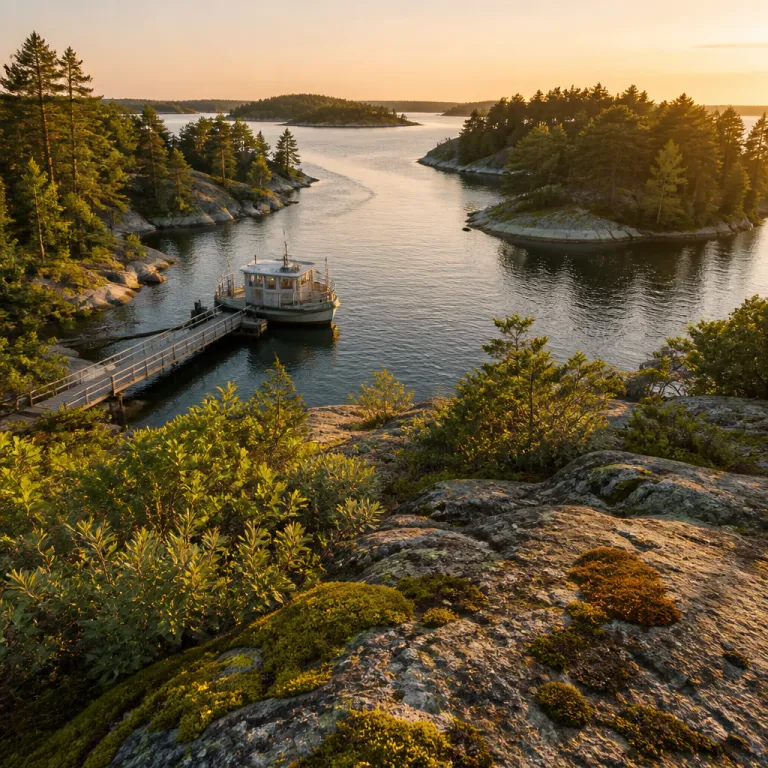
Why August feels crowded, and how quiet islands stay serene
By early August, the classic Mediterranean circuit is heaving with visitors. Santorini, Mykonos and other famous Greek islands absorb charter flights, cruise ships and day trip traffic until every beach bar queue feels longer than the ferry line. Around the Feast of the Assumption on 15 August, when many Europeans take holidays, even side streets feel busy. If you are seeking quiet islands in August to avoid crowds, the answer is rarely another direct flight; it is usually a smaller island, one ferry further, where the rhythm of the day still follows the sea breeze.
On these quieter islands, capacity is naturally capped because there is no cruise port, no runway and often just one main harbor handling a handful of ferries. Limited beds mean you must book your stay early, but they also mean that even in the peak summer months you can still walk to beaches and villages without weaving through tour groups. This is where the “travel less, stay more” mindset matters, because a longer trip on one island or a tight cluster of islands reduces transit emissions and deepens your connection with each place.
Responsible travelers now look for subtle indicators that an island has not tipped into mass tourism, such as a main town where whitewashed houses still host families rather than souvenir shops. When you see menus in one language, buses used by schoolchildren and fishing boats lining the main port, you are usually in a quiet Greek corner of the map. These are the islands where peace and quiet still coexist with authentic Greek hospitality, and where crystal clear sea views remain blissfully free of jet skis all day.
Quiet Greek islands in August: Folegandros, Kythira and Sifnos
In Greece, the most rewarding quiet islands in August to avoid crowds sit one sailing beyond the headlines. Folegandros, technically an island in the Cyclades, has no airport and a single main port, which keeps numbers low even when the Aegean Sea is at its warmest. The Cycladic landscape here is all cliffs, chapels and clear waters, and the main town of Chora hangs above the sea like a balcony, its whitewashed houses wrapped around a car free square.
Spend a day walking the old paths between villages and you will understand why staying put can be more satisfying than chasing a longer island hopping trip. The beaches are mostly coves reached by footpath or boat, with crystal clear water and almost no facilities, so you carry what you need and leave nothing behind. From the main village it is often a fifteen minute walk to a quiet beach, which makes a spontaneous day trip for a swim and late lunch both easy and well worth the effort.
Further south, Kythira sits between the Peloponnese and Crete, technically not one of the Cyclades islands but sharing the same natural beauty and quiet Greek character. Here, small villages spill down green hillsides, and a single main port connects you to the mainland while keeping the pace slow. Sifnos, another Greek island in the Cyclades, balances excellent food with peace and quiet, offering a perfect place for couples who want authentic Greek tavernas, hiking paths with wide sea views and beaches that still feel local even in the height of the summer months; for a simple three to five day itinerary, arrive in Athens, take the ferry from Piraeus to Sifnos in around two and a half to five hours depending on the boat, expect typical high season economy fares in the region of €40–€80 per person one way, spend two nights in Apollonia or Artemonas for village life and tavernas, then two nights by the sea in Kamares or Platis Gialos with one day trip by bus or taxi to a quieter cove.
Beyond the Mediterranean: Vis, Pantelleria and Atlantic outliers
Quiet islands in August to avoid crowds are not limited to Greece, and the Adriatic and central Mediterranean still hide some of the best options. Vis in Croatia sits a long ferry ride beyond Split, which naturally filters visitor numbers and keeps the main town relaxed even when the mainland is full. The catamaran from Split usually takes around one hour and twenty minutes, while the slower ferry can take more than two hours, so day trippers tend to stay closer to shore. In peak season, foot passenger tickets commonly range from about €8–€25 each way depending on the operator and speed, and advance booking is strongly advised. Beaches here are pebbly and clear, with crystal clear sea and views back to the islands near Hvar, and a short day trip by boat can still feel like a private charter rather than a party cruise.
Pantelleria, closer to Tunisia than to mainland Italy, is a volcanic island where you swim from dark rock platforms into clear waters instead of lounging on sand. There is no mass market beach club scene, and the villages are scattered between terraced vineyards and caper fields, so you feel the natural beauty rather than the crowds. Many couples book a stay in traditional dammuso houses, then spend each day driving to a different cove, hot spring or sea pool, embracing a style of travel where peace and quiet are the main luxuries.
Out in the Atlantic, the Azores, Cape Verde and the lesser known Canary Islands such as La Palma and El Hierro offer a different kind of quiet island experience. These islands are about hiking, viewpoints and black sand beaches rather than classic Greek island postcard scenes, yet the sense of space is similar and well worth the longer trip. If you are planning a broader island hopping journey that mixes regions, use the same planning logic you would apply in the Caribbean or South Pacific: map out ferry routes, check typical daily frequencies, and balance sea days, main ports and overnight stays so that each transfer feels like part of the holiday rather than a chore.
Finding truly quiet islands: filters, ferry maps and responsible timing
To identify quiet islands in August and avoid crowds, start by looking for places without direct international flights. An island with only a small domestic airport or a single main port reached by a few ferries per day will almost always feel calmer than a hub with cruise berths. When you see that most accommodation is in family run guesthouses spread between a main town and several villages, rather than in large resorts on one beach, you are usually on the right track.
Next, read ferry schedules as carefully as you read hotel reviews, because the boat timetable shapes your entire trip. Islands that require a change of ferry or a long crossing often remain quiet Greek style refuges even in the busiest summer months, and they reward travelers who are willing to trade convenience for character. On many smaller Aegean routes you might see only one or two ferries per day in August, while larger hubs can have several departures each morning and evening, so a quick look at the timetable tells you a lot about likely crowd levels.
Online planning tools and local tourism boards can help you refine your shortlist of islands and beaches, especially when you filter for natural beauty, small main ports and limited beds. As one practical guide notes, “Aruba, Curacao, Bonaire, and Grenada are recommended for fewer crowds and favorable weather.” Use that same logic in the Aegean Sea, the Adriatic or Southeast Asia, and you will find your own perfect place where a minute walk from your room leads to clear waters, peace and quiet and the kind of authentic Greek or local atmosphere that makes every day feel well worth the journey; for more peak season strategy, a July focused planning piece on where to book when peak season is the point offers a useful counterpoint.
FAQ: quiet islands in August for couples
What makes an island genuinely quiet in August?
A genuinely quiet island in August usually has no direct international flights, a small main port with limited ferry arrivals and no cruise infrastructure. Accommodation is often scattered between a main town and several villages rather than concentrated in one resort area. This combination naturally limits crowds and keeps beaches, sea views and village squares calm even in the peak summer months.
How early should I book my stay on a quieter island?
For August, plan your trip and book your stay at least three to six months in advance, especially on smaller Greek islands or Atlantic outposts with few rooms. Limited capacity means the best located places in the main town or near the beach can sell out quickly. Early booking also gives you better ferry options and more flexibility for adding a day trip to nearby islands.
Are quiet Greek islands suitable for a first time trip to Greece?
Quiet Greek islands such as Sifnos, Kythira or Folegandros work very well for a first visit if you value peace and quiet over nightlife. You still get classic whitewashed houses, authentic Greek food and the Aegean Sea, but with fewer crowds and more space on the beaches. Just allow extra travel time for ferries, and consider spending a night near the main port city on arrival or departure day.
How can I avoid crowds during peak travel season in general?
To avoid crowds in August, choose less publicized islands, travel mid week and avoid the busiest national holiday periods such as around 15 August. Stay in villages slightly away from the main port or main beach, and plan your swimming and sightseeing for early morning or late afternoon. As one planning tip puts it, choosing less popular destinations, traveling mid week and booking accommodations in advance remains the most reliable strategy.
Is island hopping still responsible travel in peak season?
Island hopping can be responsible if you keep hops short, focus on ferries rather than flights and stay longer on each island. The “travel less, stay more” approach reduces your transport footprint and supports local businesses more meaningfully. Choosing islands that manage visitor numbers and respecting local guidelines on water use, waste and beach access helps keep these places quiet and welcoming for future summer months.