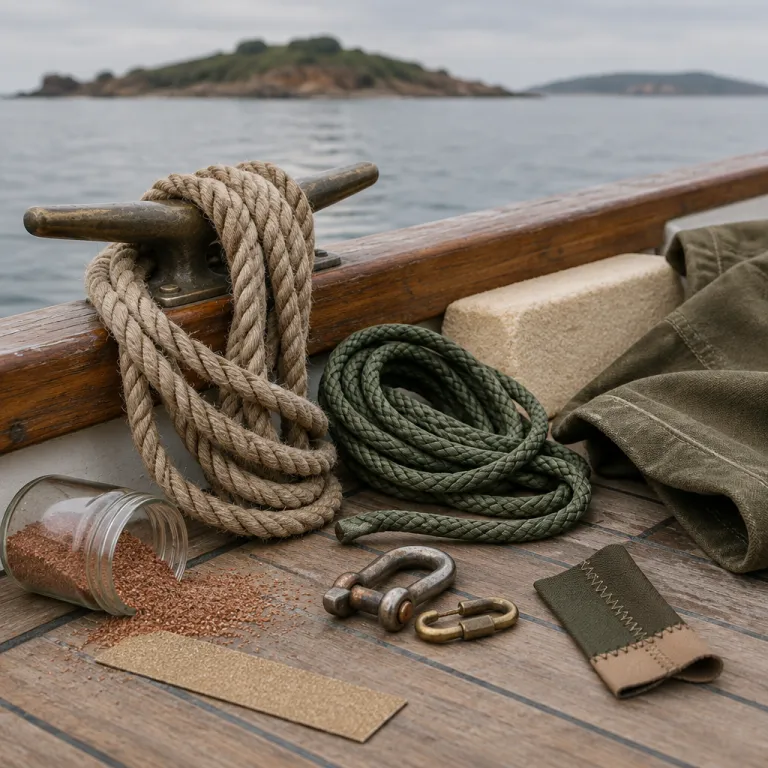
Understanding what is most likely to cause someone to fall overboard
Island hopping feels carefree, yet the sea is unforgiving when someone falls into the water. The factor that is most likely to cause someone to fall overboard during a leisure voyage is a mix of poor judgment, unstable or slippery surfaces, and distraction near the edge of a moving vessel. When you combine vessel motion, wet decks, low situational awareness, and relaxed holiday habits, overboard incidents become a real risk for cruise passengers and small boat travellers alike.
On an island hopping cruise ship or smaller vessel, the most common pattern behind falls overboard is simple; people underestimate how quickly balance can vanish when the ship lurches. A sudden change in weather conditions, a sharp turn, or unexpected high winds can throw even confident swimmers off their feet if they lean over railings or sit on them. When this happens at night or in rough seas, crew members may not see the fall overboard immediately, which makes every second of response critical for survival.
Alcohol and drug use amplify every hazard on deck, and they are often the hidden trigger behind accidental falls. When alcohol or drug consumption dulls reflexes and judgment, passengers misread the movement of the boat, ignore safety protocols, and step too close to the railings while the vessel rolls. On island hopping routes where the party continues between islands, proper safety habits around the deck are the only barrier between a carefree evening and a man overboard emergency.
How ship design, railings, and deck layout influence overboard risk
The design of a ship or smaller island hopping boat quietly shapes how likely it is that someone falls into the sea. Wide, uncluttered decks with high railings and non slip surfaces help passengers maintain safe footing even when the vessel pitches or rolls. Narrow walkways, low guardrails, and poorly lit stairs increase the chance that a stumble turns into someone falling overboard, especially when the cruise passes through rough seas at night.
On large cruise ships, international rules define minimum railing heights and structural barriers, yet layout still varies widely between vessels. For example, Regulation II-1/3-9 of the SOLAS Convention (as consolidated in IMO publication IMO-110E) and related International Maritime Organization (IMO) circulars specify guardrail heights of about 1.0–1.1 metres on passenger ships, and compliance with these standards has been associated with lower rates of accidental falls from decks in controlled studies published by national maritime safety agencies such as the UK Marine Accident Investigation Branch (MAIB) and the Australian Maritime Safety Authority (AMSA). Some older cruise ship designs feature open stairwells or railings with horizontal bars that invite climbing, which can turn a playful moment into a fall overboard in seconds. When you move between bars, pools, and observation decks, always note where the railings are strongest and where surfaces feel slick, because these details often mark the spots where falls overboard have happened before.
Island hopping ferries and day boats can be more exposed, with low bulwarks and open sterns that make loading easier but increase overboard incidents when seas rise. Before you settle in for the crossing to Capri or another busy island, walk the deck once and identify the safest routes between seating, toilets, and snack bars. If local regulations allow standing near open edges, treat those zones as high risk areas and apply proper safety habits, especially when the weather turns or the captain accelerates to keep the schedule under new visitor caps described in this guide to Capri’s changing visitor rules for island hoppers.
Weather, rough seas, and how conditions change the game
Calm turquoise water around an island can hide the reality that offshore weather conditions shift fast. A gentle swell at departure can become rough seas within an hour, and that change is often what is most likely to cause someone to fall overboard on an otherwise routine leg. When waves steepen and high winds build, every step on deck demands more attention, because the vessel’s motion multiplies small missteps into full body falls.
On island hopping routes in the Cyclades, Croatia, or the Caribbean, skippers constantly adjust course and speed to manage these conditions. A sudden gust on the beam can heel a sailing boat sharply, sending unsecured passengers sliding across wet surfaces toward the railings if they are not holding on. Even on large cruise ships, cross swells can create a corkscrew motion that surprises passengers walking casually along the deck, which is why proper safety signage and closed outer decks during storms are non negotiable.
As a traveller, you reduce your personal risk by reading the sea and respecting the captain’s weather briefings before each hop. If the forecast mentions strong meltemi winds in the Aegean or a frontal system in the Adriatic, assume that moving around the ship will be harder and plan your movements accordingly. For ferries in the Greek islands, this local style guide to booking Cyclades ferries like a local helps you choose routes and timings that avoid the worst of the rough seas, which indirectly lowers your chance of falling overboard.
Human factors: poor judgment, alcohol, and relaxed holiday habits
Most overboard incidents on leisure vessels do not begin with dramatic storms; they start with small lapses in judgment. People lean over railings for a better photo, climb onto furniture near the edge, or run on wet decks after a swim, assuming the ship will remain stable. When the vessel suddenly shifts or another passenger bumps into them, that casual moment becomes the instant when someone falls into the water.
Alcohol or drug consumption is a recurring thread in investigations into why a person might fall overboard from cruise ships or smaller boats. Intoxication slows reaction times, blurs depth perception, and encourages risk taking, which undermines every layer of proper safety design built into the ship. On island hopping itineraries where sunset cocktails and late night parties are part of the appeal, the combination of slippery surfaces, moving decks, and impaired balance is often what is most likely to cause someone to fall overboard without witnesses.
There is also a psychological element; many passengers treat a cruise ship or ferry like a floating resort, forgetting that it is still a working vessel subject to the laws of physics. They ignore safety protocols during drills, walk barefoot on outer decks, or let children climb railings while the crew focuses on navigation. As an island hopper, you maintain safe habits by setting your own rules, such as no leaning over railings after dark, no running on deck, and no alcohol near open edges, which quietly protects your life and the lives of those travelling with you.
Role of crew, safety equipment, and emergency response at sea
Behind every smooth island hopping passage stands a trained crew whose job is to keep both the vessel and its passengers safe. These crew members monitor weather conditions, enforce safety protocols, and maintain safety equipment such as life rings, life jackets, and man overboard alarms. When someone falls overboard, their rapid response often draws the line between a frightening incident and a fatality.
On a well run cruise ship or ferry, the bridge team and deck crew drill regularly on man overboard procedures, including immediate helm manoeuvres, visual searches, and deployment of flotation devices. They also train to coordinate with other vessels and coastal rescue services, because in busy island chains multiple ships may join the search when a fall overboard is reported. As a passenger, you support this system by reporting any suspected falling overboard event instantly, even if you are not certain, since early alerts give the crew the best chance to maintain safe tracking of the person in the water.
Smaller island hopping boats may not carry advanced electronic detection systems, which makes human vigilance even more important. Before departure, note where life jackets are stored, how to access life rings, and which crew members are on deck during the crossing. If you travel with children or non swimmers, brief them on how to call for help and how to use visible safety equipment, because in a real man overboard emergency there is no time to read instructions or hesitate.
Practical safety guidelines for island hoppers on boats and cruise ships
Turning knowledge into action is what finally reduces the chance that you or someone you love falls into the sea. Start by treating every boat or ship, from a small island hopping ferry to a large cruise ship, as a moving environment where balance can change in an instant. That mindset keeps you alert to wet surfaces, sudden lurches, and shifting crowds on deck, which are often the immediate triggers when someone falls overboard.
Adopt a few non negotiable habits; always keep one hand free to hold a railing, wear shoes with grip on outer decks, and avoid standing on furniture or railings for photos. When weather conditions deteriorate or rough seas build, stay inside or move only along protected corridors, because these moments are statistically the most likely times for accidental falls. If you feel the influence of alcohol or drug use, postpone any walk on exposed decks until you are steady again, and encourage friends to do the same, even if the party atmosphere suggests otherwise.
Finally, plan your island hopping logistics with safety in mind, not only scenery and price. Routes with shorter open water crossings, daytime sailings, and reputable operators with clear safety protocols reduce your exposure to both rough seas and human error, as outlined in this guide to hidden costs and planning considerations for sailing in Croatia. When you combine thoughtful itinerary choices, respect for the sea, and proper safety behaviour on every deck, you preserve the joy of island hopping while keeping overboard incidents a distant possibility rather than a personal story.
Key statistics on overboard incidents and maritime safety
- According to the Cruise Lines International Association (for example, CLIA’s annual “State of the Cruise Industry” outlook; the 2023 edition reports approximately 31.5 million passengers carried worldwide), global cruise ships carry more than 30 million passengers annually, which means even rare overboard incidents can affect dozens of lives over time.
- Publicly compiled incident databases that aggregate media reports and flag state investigations, such as CruiseJunkie’s “Overboard Passengers and Crew” list and the CruiseMapper incident tracker, indicate that reported man overboard cases from large cruise vessels and ferries typically number in the low dozens per year worldwide, with survival strongly linked to rapid detection and calm water conditions.
- Studies by the United States Coast Guard, including the annual “Recreational Boating Statistics” report (for example, USCG 2022, Tables 5 and 17), show that alcohol is a leading contributing factor in recreational boating fatalities, involved in roughly one third of deaths, which aligns with patterns seen when someone falls overboard during leisure voyages.
- International Maritime Organization guidelines and SOLAS based flag state regulations require minimum railing heights of around 1.0–1.1 metres on passenger ships, and compliance with these standards has been associated with lower rates of accidental falls from decks in controlled studies cited by national maritime safety agencies such as AMSA’s “Domestic Commercial Vessel Safety” reports and MAIB’s annual safety digests.
- Research from national maritime safety agencies in countries such as Australia and the United Kingdom consistently finds that wearing a life jacket can double or triple survival chances after a fall overboard, especially in cold or rough seas; for example, AMSA’s “National Lifejacket Wear Rate” studies and the UK Maritime and Coastguard Agency’s “Lifejacket Awareness” campaigns both highlight significantly higher survival rates among lifejacket wearers.
FAQ about falling overboard while island hopping
What is most likely to cause someone to fall overboard on an island hopping trip ?
The most common pattern involves a combination of poor judgment near railings, slippery or unstable deck surfaces, and sudden vessel movement from waves or turns. Alcohol or drug use often amplifies these factors by slowing reactions and encouraging risky behaviour. Most incidents occur when passengers treat the ship like a static hotel rather than a moving vessel and underestimate how quickly balance can be lost.
How can I maintain safe behaviour on deck during rough seas ?
During rough seas, stay inside whenever possible and move only along protected interior routes. If you must go outside, keep one hand on a railing, wear shoes with good grip, and avoid carrying drinks or bags that occupy both hands. Follow crew instructions immediately, because they are trained to anticipate how changing weather conditions will affect the ship’s motion.
Are cruise ships safer than small boats for island hopping ?
Large cruise ships generally offer higher railings, more structured safety protocols, and extensive crew training, which can reduce the risk of accidental falls. However, their size and height above the water make rescue more complex if someone falls overboard unnoticed. Smaller boats operate closer to the water and can turn quickly for a man overboard recovery, but they often have more exposed edges and rely heavily on passenger vigilance.
What should I do if I see someone fall overboard ?
Shout loudly to alert nearby passengers and crew, keep your eyes fixed on the person in the water, and point continuously toward them. Immediately trigger any nearby alarm or call the bridge, giving clear information about the location and time of the fall. Do not jump in after them unless you are trained and equipped, because unplanned rescues often create a second victim.
Which safety equipment should I look for before boarding an island hopping vessel ?
Check that the vessel carries clearly marked life jackets for all passengers, accessible life rings on deck, and visible instructions for man overboard procedures. On larger ships, look for safety signage, emergency muster points, and crew members who can answer basic safety questions confidently. Choosing operators who prioritise visible safety equipment and regular drills is one of the most effective ways to reduce your personal risk at sea.
References
- Cruise Lines International Association (CLIA), including the annual “State of the Cruise Industry” outlook (for example, CLIA, 2023 State of the Cruise Industry)
- International Maritime Organization (IMO) and SOLAS Convention provisions on passenger ship safety and guardrail heights, including SOLAS Chapter II-1, Regulation 3-9 (IMO consolidated edition IMO-110E)
- United States Coast Guard (USCG), Recreational Boating Statistics annual reports (for example, USCG 2022, Tables 5, 17, and 31)