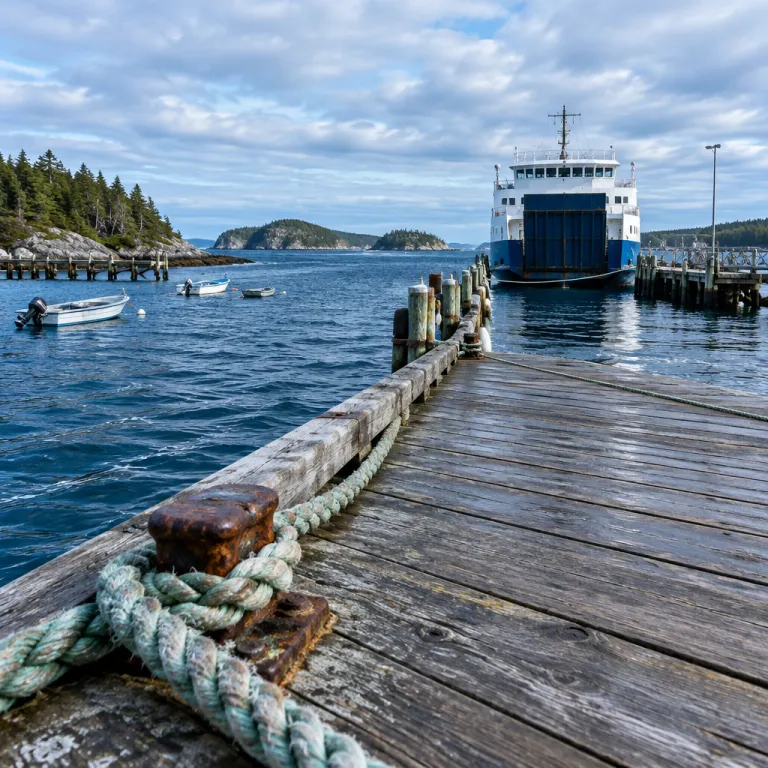
Reading off season island ferry schedules like a local
Off season island ferry schedules look simple at first glance. The grid of departure time columns, reduced daily crossings and small print about subject change seems manageable until you try to move a family across three islands in one bay. In autumn and winter, every ferry schedule you read will quietly dictate how long you stay, when you eat and whether your children nap on a beach or on a hard plastic seat at the ferry terminal.
What changes after summer is not just the number of ferries but the entire rhythm of the route. A fast ferry that ran every hour in August may shift to two daily sailings, while a passenger ferry that felt almost free of stress in high season suddenly becomes the only viable ferry service on a Friday Saturday stretch. Operators often keep one core island ferry route year round, then trim secondary routes that linked smaller islands, side bays and less populated south coasts.
For families, the key is to treat off season island ferry schedules as the backbone of the trip, not an afterthought. Before you purchase tickets for flights or commit to non refundable stays, download the winter ferry schedule PDF and read the notes about sundays, saturday Sunday variations and holiday exceptions. If the operator states that reservations recommended for certain ferry runs, assume that those crossings will sell out quickly on any sunny weekend when locals head to the islands.
Look closely at how the timetable handles the south section of an archipelago. A south ferry route that once offered a generous round trip pattern may now run only on specific days, with a single departure time in each direction. When you see a line like “subject change without notice” next to a bay crossing, build in a buffer day on that island, because weather or maintenance can quietly erase a sailing.
Families used to flexible road trips need to adjust expectations when ferries thin out. You cannot simply arrive at a ferry dock, hope for a free space and expect a first come, first served basis to work in your favor. In the off season, the island ferry often becomes a shared lifeline for residents, workers and schoolchildren, and your family’s island hopping plans must respect that fixed daily rhythm.
What actually changes after summer on the water
Once the last summer crowds leave, operators quietly redraw off season island ferry schedules. The most obvious change is fewer daily departures, but the more significant shift is often the earlier last ferry, especially on sundays when crews need rest and demand drops. A route that once offered a late evening ferry service may now finish in mid afternoon, leaving families with children very little margin for delays on the road to the ferry terminal.
Seasonal fast ferry options are usually the first to disappear. High speed catamarans that linked distant islands in one swift round trip often stop entirely, forcing you to use slower passenger ferry services that add hours to the same route. When you compare options for each leg, it helps to read a detailed guide on whether to choose a ferry or a flight for a multi island trip, such as the analysis available on how to decide every leg of a multi island itinerary.
Another subtle shift is the pattern of friday Saturday and saturday Sunday sailings. In summer, operators may add extra ferries for weekenders, but in autumn they often consolidate those crossings into a single mid day departure time that serves both locals and visitors. That means your family might have only one realistic ferry run to reach a specific island, and missing it could mean an unplanned night near the ferry dock or ferry terminal.
Weather also plays a larger role once the water cools and winds strengthen. Off season island ferry schedules often include footnotes about cancellations when the bay reaches certain wave heights, and these notes matter more for exposed south facing routes. If your chosen island sits beyond a headland that funnels wind, assume that some ferries will not run on the roughest days and plan your island hopping sequence accordingly.
Finally, onboard life changes as well. With fewer tourists, the view from the deck feels calmer, and you will share the space mostly with residents commuting between islands, carrying groceries and school bags instead of beach gear. For families, this quieter atmosphere can be a gift, but only if you have read the schedule carefully enough to avoid long, cold waits at under sheltered docks.
How to read winter timetables before you book anything
Serious island hopping in the shoulder season starts at your desk, not at the ferry dock. Before you even look at accommodation, open the operator’s off season island ferry schedules and identify which islands have year round service and which rely on seasonal ferries. Highlight the routes where reservations recommended appears in the notes, because those crossings will shape your entire itinerary.
Begin by mapping the main island ferry routes across the bay, then layer in secondary links between smaller islands. Pay attention to the small print about sundays and public holidays, since many operators run reduced ferry runs on those days or skip certain islands entirely. When you see different columns for weekday, friday Saturday and saturday Sunday patterns, treat each as a separate schedule and plan your travel days around the most reliable option.
Departure time columns deserve slow, careful reading. Some winter timetables list one early morning ferry service and one mid afternoon return, which can work for a round trip day excursion but not for a family that needs flexible nap and meal times. If you are planning a chain of islands, cross check each ferry schedule against the next one, making sure that a delay on the first route will not cause you to miss the only afternoon passenger ferry on the second.
Weather planning matters as much as timetable reading once storms start to roll through. For deeper guidance on aligning your route with seasonal patterns, consult a specialist resource on expert weather planning for multi island adventures, such as the advice shared in expert weather planning tips for seamless multi island trips. Combine that weather info with the operator’s notes about subject change and you will quickly see which crossings are most exposed.
Finally, check how and when you can purchase tickets. Some operators allow you to buy a flexible ferry ticket online for multiple islands, while others insist that you purchase tickets at the ferry terminal on the day, sometimes on a first come, first served basis. For families, booking key crossings in advance where possible reduces stress and gives you a clear framework around which to build slower, more spontaneous days on each island.
Building slack and safety nets into a family itinerary
Off season island ferry schedules reward travelers who respect margin. When ferries thin out, you cannot rely on a steady stream of departures to fix a missed connection or a slow road journey to the bay. Families, especially those traveling with younger children, should design routes that assume at least one ferry service will be cancelled or delayed during a week long trip.
Start by limiting the number of islands you attempt to visit. Instead of four islands in seven days, choose two or three and give each island enough time to absorb a lost day without ruining the whole itinerary. Build at least one buffer day after any critical crossing, such as a south ferry route that only runs on friday Saturday or a remote island ferry that connects to your homebound flight.
Plan your road transfers with generous cushions. If your ferry departure time is mid afternoon, aim to arrive at the ferry terminal or ferry dock at least ninety minutes early, allowing for parking, tickets and the inevitable family delays. When operators state that reservations recommended for certain passenger ferry crossings, treat that as non negotiable guidance rather than a suggestion.
Consider adding a plan B island that sits earlier on the route and has more frequent ferries. If storms close the fast ferry to your dream destination, you can still pivot to this alternative island using a more robust year round ferry schedule. This approach keeps the trip feeling free and flexible while still respecting the hard limits of off season island ferry schedules.
Finally, keep your last night on the mainland or on an island with multiple daily ferries back to your departure airport. Relying on a single early morning ferry ticket on the same day as your flight is a risk that feels unnecessary once you have watched a winter storm shut down an entire bay. With children in tow, the calm that comes from a safe buffer night is worth more than squeezing in one extra island café.
The family angle: comfort, contingencies and quieter crossings
Traveling with children changes how you read off season island ferry schedules. A missed ferry is no longer an anecdote for the bar but a long, cold wait with hungry kids at a windy ferry dock. That is why families should treat every ferry schedule as a comfort plan as much as a logistics chart.
Look beyond departure time and arrival columns to the practical details. Does the ferry terminal have indoor seating, food options and clear info screens, or will you be standing outside with limited shelter and no clear view of updates. If parking is limited at the bay, consider arriving by taxi or arranging a transfer, because circling for a free space while the only daily ferry loads can be deeply stressful.
On board, off season crossings can feel almost private. With fewer tourists, your family will often have space to spread out, enjoy the view and watch islands slide past without crowds blocking the railings. Many parents find that children settle into the gentle rhythm of the ferry runs, treating each leg as part of the adventure rather than just transport.
Contingency planning matters more when ferries thin out. Carry snacks, warm layers and simple games in a day bag, assuming that a short crossing on the schedule could stretch if the ferry service slows due to weather. When operators warn that timetables are subject change, read that as a prompt to keep one extra activity or island walk in your pocket for unexpected waiting time.
Finally, use technology wisely but do not rely on it entirely. Many operators now update off season island ferry schedules online in real time, but signal around islands can be patchy and announcements may still be made only at the terminal. A printed copy of the latest schedule, combined with a habit of asking staff for fresh info, will keep your family ahead of most surprises.
The upside of traveling when ferries are quiet
There is a reason seasoned travelers seek out off season island ferry schedules. When ferries thin out, the islands themselves exhale, and the experience shifts from high season spectacle to everyday life. You trade convenience for character, and for many families that is a worthwhile exchange.
On board, the atmosphere softens. Instead of jostling for a free seat on a crowded fast ferry, you may find only a handful of fellow passengers, most of them residents moving between islands for work or school. The view across the bay feels more intimate, with low autumn light on the water and quiet conversations instead of loudspeaker announcements in multiple languages.
On land, reduced ferry runs mean fewer day trippers and cruise excursions. Cafés near the ferry terminal shift from quick turnover to slower, more personal service, and you will often find staff with time to share detailed info about walking paths, hidden coves and the best south facing beaches for a sheltered afternoon. Accommodation rates tend to soften as well, leaving more budget for ferry tickets, local meals and perhaps a private guide for a day.
There are practical financial benefits too. Some operators lower prices on certain routes outside peak months, especially for round trip crossings or family bundles, making the overall cost of island hopping more manageable. While not every ferry ticket will be cheaper, the combination of reduced room rates and calmer ferries often improves the perceived value of the trip.
Most importantly, traveling to islands on thinner schedules encourages a slower, more attentive style of journey. You will spend longer on each island, learn ferry crew names, and notice how the timetable shapes local life, from school start times to market days. For children, this can be a quiet lesson in how geography, weather and transport weave together to create the rhythm of a place.
Practical checklist for stress testing an autumn island route
Before you lock in flights and stays, run your plan through a simple off season island ferry schedules checklist. This exercise takes less than an hour and can save you from missed ferries, stranded nights and rushed road transfers. Treat it as the final quality control step for any multi island itinerary.
First, print or download the latest winter ferry schedule for every route you intend to use. Highlight the islands with year round service and circle any crossings that operate only on fridays, saturday Sunday or sundays. If a key island ferry appears only once per day in each direction, ask yourself whether your family can tolerate the consequences of missing that single departure time.
Second, map your road and bay transfers with generous buffers. Use online maps to estimate driving time to each ferry terminal, then add at least fifty percent to account for traffic, parking and family logistics. If the operator notes that reservations recommended for certain ferry runs, book those immediately and plan your days around them rather than trying to squeeze them into an already tight schedule.
Third, check the fine print for subject change clauses. Any route exposed to open water or strong south winds is more likely to see cancellations, so consider building a plan B island into your route that you can reach via a more sheltered passenger ferry. Make sure that your last island before flying home has multiple daily ferries back to the mainland, not just a single fast ferry that could be cancelled in rough weather.
Finally, review your budget with ferries in mind. Factor in the total cost of ferry tickets, potential change fees and the occasional extra night near a ferry dock if weather disrupts the schedule. A realistic, well tested plan will let you enjoy the free feeling of island hopping, knowing that you have respected the quiet power of the timetable that underpins every crossing.
Key figures behind off season island ferry travel
- In many European archipelagos, winter ferry schedules operate at roughly 40 to 60 percent of peak summer frequency, meaning travelers face significantly fewer daily options for island hopping compared with high season (data compiled from major Mediterranean and North Atlantic operators).
- Maritime safety agencies report that weather related disruptions account for a higher share of cancellations in the colder months, with some North Atlantic routes experiencing up to 20 percent of winter sailings affected by storms, compared with low single digit percentages in calmer summer periods.
- Tourism boards in several island regions note that average accommodation prices outside peak months can drop by 20 to 40 percent, which often offsets the need for extra buffer nights caused by reduced ferry runs and less flexible schedules.
- Passenger statistics from busy island bays show that off season crossings may carry less than half the number of travelers per sailing compared with peak weeks, resulting in quieter decks, more available seating and a calmer overall experience for families.
- Transport authorities in coastal regions with year round ferry service often require operators to maintain minimum winter connections to inhabited islands, ensuring at least one or two daily sailings even in low demand periods, which forms the backbone of reliable off season island ferry schedules.
FAQ: planning around thinner ferry schedules
How far in advance should I check off season island ferry schedules
Check winter timetables before booking flights or accommodation, ideally several weeks ahead. Operators usually publish off season island ferry schedules at the end of the main season, but they may still adjust specific departure times closer to the date. Reconfirm key crossings a few days before travel, especially if your route includes exposed bays or south facing islands.
Is it safe to rely on a single daily ferry with kids
Relying on a single daily ferry is possible but requires careful planning. Build buffer days around that crossing, avoid same day flight connections and carry enough food, clothing and entertainment in case of delays. Many families choose islands with at least two daily ferries in each direction to reduce stress.
Are off season ferries cheaper than summer crossings
Some operators reduce fares on certain routes outside peak months, while others keep prices stable year round. The bigger savings usually come from lower accommodation rates and less competition for ferry tickets, which can reduce the need for expensive last minute changes. Always compare total trip costs, not just individual ferry fares.
What happens if my ferry is cancelled due to weather
If a ferry is cancelled, you are typically moved to the next available sailing, subject to capacity. In off season, that might mean waiting until the following day, especially on routes with limited daily service. This is why buffer nights and flexible plans are essential for autumn and winter island hopping.
Do I need reservations for off season ferries
Reservations are strongly recommended for key crossings, even when ferries feel quiet. Locals, workers and freight still rely on these routes, and capacity can be tight on smaller vessels. Booking ahead secures your place and gives you a clear framework for planning the rest of your island itinerary.