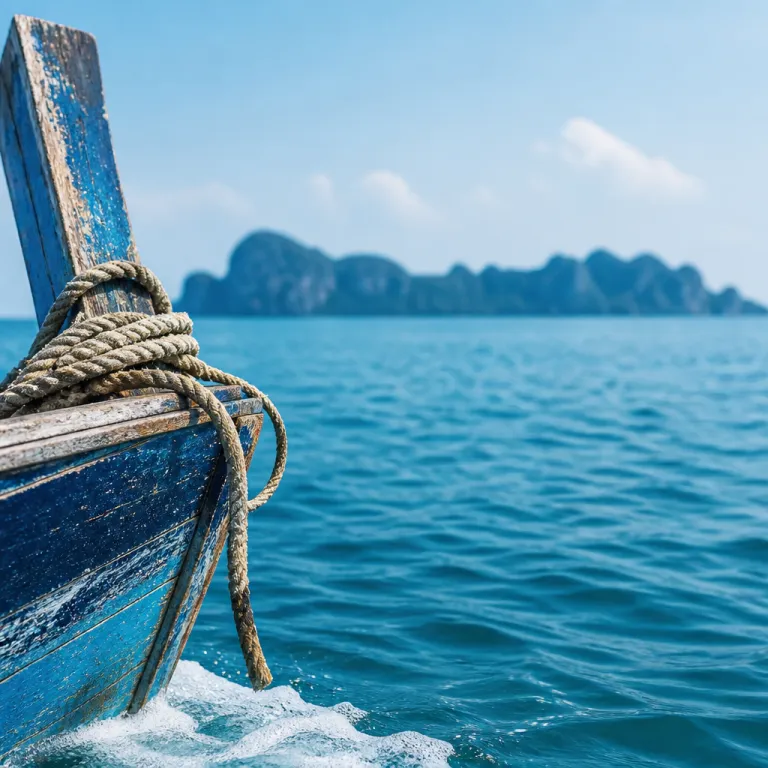
Why Koh Jum island in Thailand belongs on a refined island hopping route
Koh Jum island in Thailand sits quietly between Krabi and Koh Lanta, offering a rare pause in the usual Andaman Sea circuit. This small Andaman island covers roughly 16 square kilometres, according to regional mapping resources, with a highest point of about 422 meters rising gently above rubber plantations and fishing villages. For island hopping guests who feel overwhelmed by crowds, this low-key destination offers a slower rhythm and a good counterpoint to more developed neighbours.
The population of Koh Jum is estimated at around 1,500 residents, a figure often cited by local tourism offices and Thai demographic summaries. Most are Muslim Thai families who balance fishing with rubber cultivation and small scale tourism. When a guest arrives by longtail boat from Krabi or Koh Lanta, the first impression is of wooden houses, simple bungalows, and a shoreline where beach life still belongs to locals. Tourism development remains minimal, which means fewer large resorts and more modest beach bungalow options scattered along the west coast.
For travellers planning a refined island hopping itinerary across Thailand, Koh Jum works best as the quiet middle chapter between busier stops. You might check into a relaxed beach resort on Koh Lanta first, then move to a low key resort on Koh Jum for three nights before flying out from Krabi. This pattern mirrors how some Mediterranean travellers pair contrasting islands, much like those who combine Corsica and Sardinia in one trip for a two island hop, balancing energy with calm.
The character of Koh Jum’s villages and coastline
The island is often described with two names, with locals using both Koh Jum and Koh Pu depending on the area. On the southern side, villages such as Ban Koh Jum and Ban Ting Rai line the coast, each with a pier, a school, and a handful of family run hotels and bungalows. Walking through any ban village at dusk, you will pass children playing football, fishermen mending nets, and a few small shops where guests can buy snacks or basic supplies.
The west coast holds the main beaches, where a string of resorts, beach villas, and simple bungalow options face the Andaman Sea. Electricity only arrived in the late 2000s, according to long term residents and regional development reports, so many properties still keep lighting soft and infrastructure intentionally limited, which suits travellers seeking a more traditional Thai island experience. Between each beach, steps leading down from jungle paths reach stretches of sand where you may share the water with only a handful of other guests.
For island hopping planners, this modest infrastructure has practical implications that should be checked before arrival. Facilities such as ATMs, large supermarkets, and full service clinics are absent, so every guest must prepare for limited services and bring what they need from Krabi or Koh Lanta. Travellers with specific health needs should arrange medications and comprehensive travel insurance in advance, treating Koh Jum as a peaceful but lightly serviced stop on a wider Andaman route.
Beaches of Koh Jum: from Ting Rai to Sunset Beach
The beaches on Koh Jum island in Thailand unfold from north to south like a quiet gradient of seclusion. At the northern end, Ting Rai Beach curves beneath forested hills, with a few resorts and bungalows tucked discreetly among the trees. Here, guests often choose a beach bungalow or hillside bungalow with sea views, then walk down shaded paths to the sand.
Further south, Rai Beach offers a longer stretch of sand and a slightly livelier feel, though it remains calm compared with Krabi’s mainland beaches. A couple of relaxed beach resort properties line this shore, along with independent bungalows and small beach villas that cater to long staying guests. The sea here is usually gentle, making it a good choice for families who want shallow water and space for children to play.
Sunset Beach, as its name suggests, faces directly west and rewards patient island hoppers with wide horizon views. Many travellers consider this the best place on Koh Jum for evening swims, with the sun dropping behind distant silhouettes of Koh Phi Phi and other islands. Simple bars and one or two restaurants sit right on the sand, where a guest can enjoy a cold cha yen (Thai iced tea) or a fresh coconut while the sky turns orange.
Hidden corners and quieter sands
Between these better known stretches lie smaller coves and unnamed pockets of sand that feel almost private. Some resorts and bungalows maintain modest paths or steps leading down to these areas, which can be reached in a few minutes from a guest’s room. These spots are ideal for travellers who want to read, swim, or simply walk the shoreline without hearing much more than waves and the occasional longtail boat.
On the central west coast, you will find Pearl Beach and the area sometimes referred to as Golden Pearl Beach, where a few properties blend into casuarina trees. Here, a beach bungalow often sits only a few metres from the water, with hammocks strung between palms and simple wooden decks. The atmosphere remains low key, with no loud bar scene and only a couple of restaurants serving grilled fish, curries, and good Thai tea drinks.
Compared with more famous Thai islands, the beaches of Koh Jum feel resolutely local. You may see residents picnicking on weekends, children from Ban Ting Rai swimming after school, and fishermen launching boats at dawn. For island hopping travellers who value authenticity over nightlife, this coastline offers a rare chance to stay on a Thai island where tourism still supports, rather than overwhelms, everyday life.
Staying on Koh Jum: resorts, bungalows, and beach villas
Accommodation on Koh Jum island in Thailand ranges from simple wooden bungalows to more polished beach villas, yet everything remains on a human scale. Most properties are family run or small resorts, often with fewer than thirty units spread along the beach or into the hillside. This keeps the number of guests low, which suits travellers seeking quiet nights and star filled skies rather than bright lights.
Many visitors choose a beach bungalow as their base, appreciating the ease of stepping directly from a veranda onto the sand. These bungalows usually come with fans or air conditioning, mosquito nets, and private bathrooms, while some higher end options add plunge pools or larger decks. When comparing hotels and bungalows, check whether your chosen resort offers reliable Wi Fi, as coverage can vary between different parts of the island.
Some properties market themselves as a beach resort with added comforts such as on site restaurants, small spas, and organised boat trips. Others focus on a more rustic experience, where a guest might stay in a traditional wooden bungalow built from local materials, with open air bathrooms and sea breezes providing natural cooling. In both cases, the emphasis remains on simplicity and connection to the surrounding landscape rather than elaborate design.
Practical details: access, services, and parking
Reaching your hotel or bungalow usually involves a longtail boat transfer from Krabi or Koh Lanta, followed by a short ride along the island’s main road. From Krabi, travellers typically depart from Laem Kruat pier, with crossings taking around forty to sixty minutes depending on sea conditions. From Koh Lanta, boats generally leave from Saladan pier, where combined ferry and longtail services operate more frequently in the high season.
Some resorts arrange direct pick up from the ferry, while others ask guests to meet at Ban Koh Jum pier or Ban Ting Rai pier. It is wise to check transfer details and approximate journey times in advance, especially during the low season when boat schedules can change or run on demand. Confirming your arrival boat with your chosen resort helps ensure that a longtail or tuk tuk is waiting when you reach the island.
Facilities such as private parking are limited, as most visitors arrive by boat and move around the island by scooter, bicycle, or on foot. A few properties near the main road may offer free private parking for guests who arrive with rental cars from Krabi, but this remains the exception rather than the rule. When planning an island hopping route that includes Koh Jum, it is usually easier to leave cars on the mainland and travel light between islands.
Eating and drinking on Koh Jum: from village kitchens to beach bars
Food on Koh Jum island in Thailand reflects its identity as a working fishing community first and a tourist destination second. Many restaurants are extensions of family homes, where the same people who run the guesthouse also cook for visitors and neighbours. Menus lean heavily on fresh seafood, southern Thai curries, and simple stir fries, with prices that remain reasonable compared with more famous islands.
In Ban Koh Jum and Ban Ting Rai, small local restaurants serve grilled fish, squid, and prawns caught by local fishermen that morning. A guest might sit at a plastic table, order a plate of pad cha seafood, and watch village life unfold on the street outside. These places rarely advertise themselves as the best restaurants, yet the combination of freshness and care often makes for very good meals.
Along the beaches, resorts and bungalows operate their own dining rooms, usually open to outside guests as well. Here, you will find a mix of Thai dishes and a few Western options, such as grilled chicken, salads, and simple pasta, designed to suit a range of tastes. Many beach resort properties set tables directly on the sand in the evening, creating a relaxed atmosphere where guests can linger over dinner.
Bars, drinks, and sunset rituals
The bar scene on Koh Jum is understated, aligning with the island’s overall calm character. A handful of beach bars on Sunset Beach, Rai Beach, and near Pearl Beach serve cold beer, cocktails, and non alcoholic tea drinks, often with low music and candlelit tables. These spots are ideal for watching the sky change colour, rather than for late night parties.
Some resorts host occasional barbecues or live music nights during the high season, though these events remain modest in scale. Guests from different hotels and bungalows often gather at these evenings, sharing island hopping stories and tips about other Thai islands. Because the island is home to many Muslim families, visitors are encouraged to drink respectfully and avoid loud behaviour near villages such as Ban Ting Rai.
For travellers who enjoy comparing island cultures, the gentle evenings on Koh Jum contrast with more energetic scenes on islands like Koh Phi Phi or parts of Koh Lanta. Those who appreciate quieter rituals may find parallels with lesser known European islands that prioritise calm over nightlife, such as the Greek island of Tinos, which has been praised for not trying to imitate busier neighbours like Mykonos. In both cases, the absence of a heavy bar culture becomes part of the appeal for a certain type of guest.
Planning your island hopping route around Koh Jum
Designing an island hopping journey that includes Koh Jum island in Thailand requires attention to both logistics and rhythm. The island sits between Krabi and Koh Lanta, making it a natural stop on routes that move south along the Andaman coast. Ferries and longtail boats connect these points, though schedules can shift with the season and weather.
One effective pattern is to start in Krabi, where flights and mainland hotels are plentiful, then move by boat to Koh Jum for three or four nights. From there, guests can continue to Koh Lanta for a slightly livelier scene, with more restaurants, bars, and activity providers. This sequence allows travellers to experience a gradient of calm, with Koh Jum as the quietest stop between two more developed hubs.
Another option is to reverse the order, beginning on Koh Lanta and finishing on Koh Jum before returning to Krabi for departure. In both cases, it is wise to check boat times carefully and allow buffer days in case of weather related delays. Because infrastructure on Koh Jum remains limited, travellers should bring enough cash for their stay, any necessary medications, and a flexible mindset that embraces slower service and occasional power cuts.
Who will appreciate Koh Jum most
Koh Jum suits travellers who value space, silence, and local culture over entertainment and shopping. Guests who enjoy walking along long, uncrowded beaches, reading in hammocks, and eating in small family run restaurants will feel at home here. Those seeking nightlife, extensive shopping, or a wide choice of luxury hotels may be better served by other Thai islands.
The island also appeals to repeat visitors to Thailand who have already stayed on more famous islands and now want a different perspective. For them, Koh Jum offers a chance to meet local residents, support small scale resorts and bungalows, and experience a Thai island where traditional life still shapes the rhythm of each day. Eco conscious travellers will appreciate that tourism here remains relatively low impact, with many properties built from local materials and designed to blend into the landscape.
As interest in eco tourism grows, destinations like Koh Jum are likely to attract more mindful travellers who seek authenticity rather than spectacle. The island’s goals are clear: preserve local culture, protect the natural environment, and welcome guests who respect both. When these expectations align, island hopping becomes not just a way to see more places, but a way to travel more thoughtfully.
Respectful travel on Koh Jum: culture, customs, and sustainability
Staying on Koh Jum island in Thailand means entering a community where tourism is only one part of daily life. Most residents are Muslim Thai families, and village life follows its own rhythm of prayer times, school hours, and fishing schedules. Visitors who approach the island with curiosity and respect will find their experience enriched by small, genuine interactions.
Modest dress is appreciated in villages such as Ban Koh Jum and Ban Ting Rai, especially away from the beach. Swimwear is appropriate on the sand and within resorts, but guests should cover shoulders and knees when visiting shops, restaurants, or local homes. Simple gestures, such as learning a few Thai phrases and greeting elders politely, go a long way in building goodwill.
Environmental awareness is equally important on a small island with limited infrastructure. Waste management systems are basic, so travellers should minimise plastic use, refill water bottles where possible, and carry rubbish back to their hotel or resort for proper disposal. Choosing accommodations that prioritise low impact practices, such as limited air conditioning use and careful water management, supports the island’s long term health.
Safety, health, and practical advice
Because medical facilities on Koh Jum are limited, travellers with specific health conditions should prepare carefully. Bring all necessary medications, a basic first aid kit, and any documentation required for insurance claims in case of evacuation to Krabi. It is also wise to check travel insurance coverage for boat transfers and remote island stays.
There are no ATMs or full service banks on the island, so every guest must arrive with enough cash to cover accommodation, food, transport, and incidental expenses. Some larger resorts may accept card payments, but power cuts and connectivity issues can disrupt these systems, making cash the more reliable option. When planning an island hopping route, consider withdrawing funds in Krabi or on Koh Lanta before boarding the boat to Koh Jum.
For many travellers, these small inconveniences are a fair exchange for the peace and authenticity that Koh Jum offers. The island remains a tranquil alternative to Thailand’s busier islands, with pristine beaches and minimal tourism. Accessible by ferry or longtail boat from Krabi or Koh Lanta, it rewards those who are willing to trade a little convenience for a deeper, quieter experience of the Andaman Sea.
Key figures and statistics about Koh Jum
- The area of Koh Jum is approximately 16 square kilometres, making it significantly smaller than Koh Lanta and easy to explore by scooter or bicycle in a single day, according to data compiled by regional travel guides and mapping resources.
- The population is estimated at around 1,500 people, which keeps guest numbers naturally limited and helps maintain a village atmosphere even during the high season, as reported by local tourism offices and Thai demographic summaries.
- The highest point on the island reaches roughly 422 meters above sea level, creating a hilly interior that feeds small streams and offers viewpoints over the Andaman Sea, based on figures from specialist Thailand destination guides and topographic maps.
- The recommended visiting period runs from November to April, when seas are calmer and boat connections from Krabi and Koh Lanta operate more reliably, according to local tourism operators and longtail boat captains.
- Electricity arrived on Koh Jum only in the late 2000s, which explains why many resorts and bungalows still rely on simple infrastructure and encourage guests to embrace a slower, more sustainable style of travel.
Frequently asked questions about Koh Jum island in Thailand
How do I get to Koh Jum from Krabi or Koh Lanta ?
Koh Jum is accessible by ferry or traditional longtail boat from both Krabi and Koh Lanta, with most services operating more frequently between November and April. Travellers usually board at Krabi’s Laem Kruat pier or from Saladan pier on Koh Lanta, then transfer to smaller boats that drop guests near their chosen beach or at Ban Koh Jum and Ban Ting Rai piers. It is important to check schedules in advance, confirm pick up arrangements with your resort or bungalow, and allow extra time for transfers during peak travel periods.
Are there ATMs or banks on Koh Jum ?
There are no ATMs or full service banks on Koh Jum, so visitors must bring enough cash for the entire stay. Some larger resorts and hotels may accept card payments, but power cuts and connectivity issues can make these systems unreliable. The safest approach is to withdraw cash in Krabi or on Koh Lanta before boarding the boat to the island.
What activities are available on Koh Jum ?
Most activities on Koh Jum revolve around the beaches and the sea, including swimming, snorkelling, and kayaking along the west coast. Guests can also walk between villages such as Ban Koh Jum and Ban Ting Rai, explore local markets, or join boat trips to nearby islands. The atmosphere is intentionally low key, so this is not an island for motorised water sports or loud nightlife.
Is Koh Jum suitable for families with children ?
Koh Jum can be a good choice for families who value calm beaches and a relaxed pace. Many beach bungalow resorts sit on gently sloping sands with shallow water, which suits younger children under parental supervision. Parents should be aware, however, that medical facilities are limited and that there are no large supermarkets or entertainment complexes on the island.
When is the best time to visit Koh Jum ?
The best period to visit Koh Jum runs from November to April, when seas are calmer and boat connections from Krabi and Koh Lanta are more reliable. During these months, most resorts, bungalows, restaurants, and bars are open, and the weather tends to be dry and sunny. Outside this window, some properties close, and boat services may be reduced or cancelled due to rougher seas.