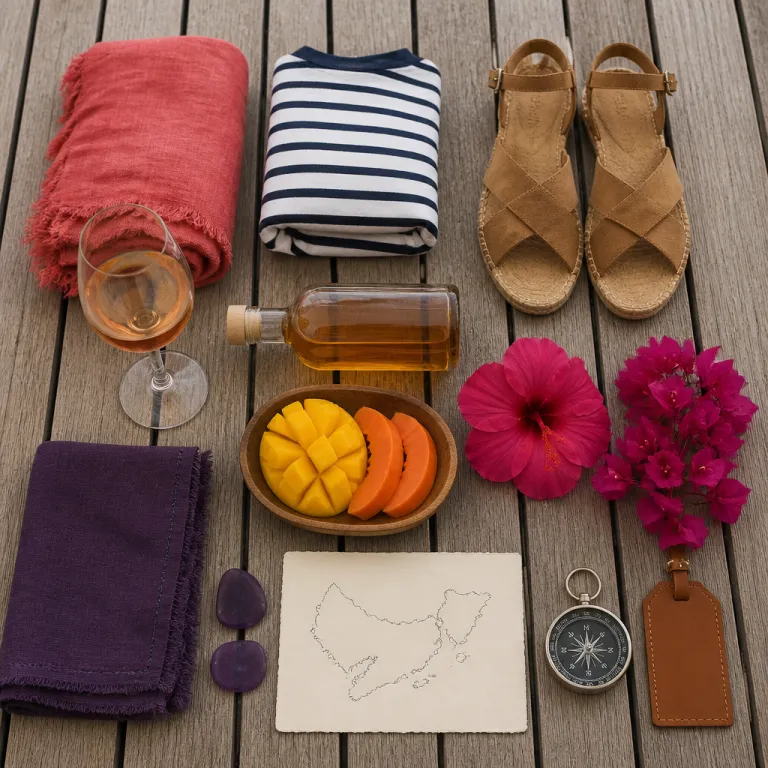
Why island hoppers are drawn to the French side of Saint Martin
The French side of Saint Martin rewards island-hopping travelers with a refined yet relaxed atmosphere. This half of the shared island blends French art de vivre with Caribbean rhythm, creating a cultured base for exploring nearby shores. With roughly 53 km² on the French side within a total area of about 87 km² for Saint Martin, distances stay short and manageable for day trips (figures based on data from the Collectivité de Saint-Martin and French territorial statistics).
Here the open border with the Dutch side of the island turns every drive into a seamless cross-cultural journey. You can wake up in a quiet French village, cross to Sint Maarten for a few hours, then return to a waterfront dinner in Grand Case without ever showing a passport. This fluid movement between the French side and the Dutch side is what makes Saint Martin uniquely suited to island hopping in the northeastern Caribbean.
Marigot, the capital of the French side of Saint Martin, works as a practical and elegant hub. Ferries, car rentals, and day trip operators cluster around its waterfront, giving you flexible options to reach other islands such as Saint Barthélemy and Anguilla. Because French is the official language and English is widely spoken, logistics remain simple for most visitors planning multi-island itineraries, whether they are catching an early morning ferry or arranging a late-afternoon return.
Reading the island’s two faces: French side and Dutch side
Understanding the contrast between the French side and the Dutch side helps you design a balanced island-hopping route. The French landscapes feel more residential and low-rise, with small guesthouses and intimate hotels tucked into hillsides and along quiet coves. Across the open border, Sint Maarten on the Dutch side leans into casinos, shopping malls, cruise-ship excursions, and a busier nightlife scene, so many travelers treat it as a day- or evening-excursion destination rather than a full-time base.
On the French side of Saint Martin, the Collectivité de Saint-Martin manages local affairs and infrastructure, while the French Government oversees broader administration. This status as a French overseas collectivity shapes everything from road maintenance to environmental protection, which matters when you are driving between beaches or catching ferries. The shared island history dates back to the Treaty of Concordia in 1648, which divided Saint Martin between France and the Netherlands and created today’s dual administration and open internal frontier.
Island hoppers often base themselves on the calmer French side, then dip into Sint Maarten for specific experiences such as shopping, nightlife, or aviation watching at Princess Juliana International Airport. A simple two- or three-day plan might include one day focused on French-side beaches, one day exploring Marigot and Grand Case, and one flexible day for crossing to the Dutch side before returning to a peaceful base on the French coast.
Orient Bay, Grand Case and the art of slow coastal hopping
Coastal hopping along the French side of Saint Martin is a refined prelude to longer Caribbean itineraries. Orient Bay on the east coast offers a long arc of pale sand, lined with relaxed beach clubs and water sports kiosks that appeal to active travelers. From here you can swim, kitesurf, rent a paddleboard, or simply walk the length of Orient Beach before continuing your journey to the next bay.
Grand Case on the north coast has earned its reputation as the island’s gastronomic heart. The waterfront promenade along Grand Case Beach is lined with restaurants where French culinary techniques meet Creole flavors, making it an ideal place to pause between island legs. Well-known spots such as Le Pressoir and beachfront lolos like Sky’s the Limit give you concrete choices for tasting local cuisine, and many island hoppers schedule their stay so that evenings in Grand Case coincide with cultural events, small street gatherings, or the famous “Mardis de Grand Case” when they are running.
Between Orient Bay and Grand Case, you will find smaller coves and viewpoints that reward unhurried exploration. Each bay beach has its own character, from family-friendly shallows to more rugged stretches where Hurricane Irma reshaped the shoreline but not the island’s resilience. When planning a broader Caribbean route that might later include destinations such as Guadeloupe or Martinique, it is useful to study how larger cruise gateways manage visitor flows, then apply similar timing strategies to Saint Martin’s compact coastal roads by traveling early in the morning or later in the afternoon.
Water based routes: ferries, day trips and regional connections
For serious island hopping, the water around the French side of Saint Martin becomes your main highway. Regular ferries link Saint Martin to nearby Saint Barthélemy and Anguilla, while smaller boats offer excursions to uninhabited islets and snorkeling reefs. Calm conditions on many days make these short crossings accessible even to less experienced sea travelers, especially on the sheltered routes from Marigot.
Most scheduled ferries depart from Marigot on the French side or from Simpson Bay and Philipsburg on the Dutch side of Sint Maarten. From Marigot, services such as Voyager and Great Bay Express typically run several times per day to Gustavia on Saint Barthélemy in high season, while boats to Anguilla often depart roughly hourly during the daytime. This dual network allows you to combine French-side charm with Dutch-side efficiency, choosing departure points that best fit your itinerary and weather conditions. Because the euro is the official currency on the French side and US dollars are widely accepted across the island, payments for tickets and tours remain straightforward whether you book in advance or at the pier.
Water clarity around Saint Martin is often excellent for snorkeling and diving between the main island and nearby reefs, with visibility commonly reported at 15–30 m by local dive operators. Many companies include equipment, guiding, and sometimes simple meals, allowing you to focus on the experience rather than logistics. If you are designing a multi-country Caribbean route, you can adapt the same pacing principles used in classic island-hopping itineraries—short travel days, two- or three-night stays, and early-morning departures—to the compact distances between Saint Martin, Saint Barthélemy, Anguilla, and other regional stops.
Cultural islands within the island: neighborhoods, food and daily life
Beyond beaches, the French side of Saint Martin hides cultural “islands” that reward attentive travelers. Marigot’s market area, for example, feels like a small side island of flavors and languages, where Creole spices sit beside French cheeses and local artisans. Walking these streets after a morning on Orient Beach or Grand Case Beach adds depth to an otherwise coastal-focused itinerary and gives you a sense of everyday life.
Each neighborhood on the French side has its own rhythm, shaped by a blend of Caribbean heritage and French administrative structure. Local authorities emphasize that “French is the official language; English widely spoken,” which makes it easy for visitors to engage with residents while still feeling the distinct identity of a French overseas collectivity. Cafés, bakeries, and small hotels often become informal cultural hubs where island hoppers trade tips about Sint Maarten nightlife or the best beach clubs and lolos on both coasts; in Marigot, for instance, travelers frequently mention waterfront spots such as Le Bistro Nu or boutique hotels like Le Centr’Hotel as convenient meeting points.
Food is a central thread connecting these cultural micro-islands. In Grand Case, grilled lobster and fresh fish echo the surrounding water, while in Marigot you might sit at a shaded terrace sampling pastries that would not feel out of place in mainland France. This constant movement between French and Caribbean influences is part of what makes the French side of Saint Martin such a compelling base for longer regional journeys and for travelers who want to combine beach time with culinary discovery.
Practical planning for an elegant stay on the French side
Planning an island-hopping stay on the French side of Saint Martin starts with choosing your base. Many travelers opt for small, characterful hotels or guesthouses in Grand Case, Orient Bay, or Marigot, favoring walkability and easy access to the water. Because the island area is compact and speed limits are posted in km/h, driving times between key points rarely exceed 30 minutes in normal traffic.
When comparing accommodation on the French side and the Dutch side, think about your priorities. The Dutch side around Sint Maarten often offers larger resorts, casinos, and proximity to Princess Juliana International Airport, while the French side emphasizes quieter streets, local markets, and a more residential feel. Some visitors split their stay between both sides of the island, treating each district as a separate cultural stop within a single broader itinerary and using one rental car for the entire trip.
Car rental remains the most flexible way to move between beaches, ferry terminals, and viewpoints. Drive on the right side of the road, watch for changing conditions on routes still shaped by Hurricane Irma, and allow extra time when crossing between the French side and the Dutch side during peak hours. For travelers used to navigating complex port cities, the scale of Saint Martin feels refreshingly manageable compared with larger cruise gateways, yet still rich enough to sustain a week or more of varied exploration that combines coastal drives, market visits, and offshore excursions.
Extending your route beyond Saint Martin: regional island hopping ideas
Once you understand the layout of the French side of Saint Martin, it becomes a natural springboard for wider Caribbean island hopping. Many itineraries pair Saint Martin with Saint Barthélemy, using fast ferries to move between Marigot and Gustavia in under an hour in good conditions. This combination contrasts the relaxed, village-like feel of French-side neighborhoods with the polished harbor life of its glamorous neighbor.
Some travelers also connect Saint Martin with other Leeward Islands, building routes that might include Anguilla, Saba, or St Kitts. In these cases, Princess Juliana International Airport and the smaller regional facilities on both the French side and the Dutch side of the island become crucial hubs. The presence of international and regional links allows you to arrive on Sint Maarten, spend several nights on the French side, then continue by air or sea to your next destination without backtracking.
For those who enjoy weaving spiritual, cultural, and coastal themes into a single journey, it can be helpful to think of each stop as a chapter. By mapping Marigot’s historic core, Grand Case’s culinary streets, and the viewpoints above Orient Bay, you create a personal route that balances beach time with heritage and food. Treating each neighborhood, bay beach, and nearby island as a distinct stage transforms the French side of Saint Martin from a simple stopover into the elegant centerpiece of a multi-island story.
Key figures for island hopping on the French side of Saint Martin
- Saint Martin covers about 87 km² in total, with approximately 53 km² on the French side, which means driving times between major beaches and towns are typically under 30 minutes for most visitors (based on data from the Collectivité de Saint-Martin and French territorial statistics).
- The population of the French side is around 35,000–37,000 people, creating a relatively low density compared with many urban Caribbean hubs and allowing island hoppers to find quieter corners even in high season (according to official Saint Martin demographic information from local administration and census services).
- The island operates as a French overseas collectivity, using the euro as its official currency, while US dollars are widely accepted, which simplifies multi-island budgeting for travelers combining French and non-French territories in one trip (as confirmed by local administration and tourism offices).
FAQ about island hopping on the French side of Saint Martin
What is the capital of the French side of Saint Martin ?
Marigot is the capital of the French side, and it serves as the main administrative and ferry hub for travelers planning island-hopping routes to nearby destinations such as Saint Barthélemy and Anguilla. Its waterfront area concentrates services, markets, and transport links, making it a practical base.
What currency is used on the French side of Saint Martin ?
The euro is the official currency on the French side of Saint Martin, but US dollars are widely accepted in shops, restaurants, and many small hotels. This dual acceptance makes it easier for island hoppers arriving from other Caribbean islands that primarily use US dollars.
Is English spoken on the French side of Saint Martin ?
French is the official language on the French side, yet English is widely spoken in tourism-related businesses, transport services, and many local markets. Travelers who speak either language can usually handle bookings, ferry tickets, and restaurant visits without difficulty.
How easy is it to move between the French side and the Dutch side ?
The border between the French side and the Dutch side of the island is open, with no routine passport checks for travelers moving between Saint Martin and Sint Maarten. Driving or taking taxis across the internal boundary is straightforward, which is ideal for island hoppers combining both cultures in one stay.
Is Saint Martin a good base for visiting other Caribbean islands ?
Saint Martin is an excellent base for regional island hopping because it combines ferry links to nearby islands such as Saint Barthélemy and Anguilla with air connections through Princess Juliana International Airport and regional airfields. The compact size of Saint Martin and the presence of services on both the French side and the Dutch side make logistics efficient for multi-stop itineraries.