How to choose the best islands to visit in Thailand for your style of island hopping
Planning which Thailand island to visit first shapes your entire trip. When travellers talk about the best islands to visit in Thailand, they usually mean a balance of ease of travel, beautiful beach options, and a mix of quiet and buzz. With more than 1,400 Thai islands scattered between the Andaman Sea and the Gulf of Thailand, clarity matters. Rough Guides notes this figure in its overview of Thailand’s coastline, while the Tourism Authority of Thailand (TAT) highlights only a smaller group as developed for visitors in its regional island guides.
The Andaman coast offers dramatic scenery, where each island stay feels framed by limestone cliffs and deep turquoise water. On this side, Phuket, Koh Phi Phi, Koh Lanta, and Koh Lipe form a classic island-hopping chain that works well for a first visit to Thailand. These Thailand highlights combine reliable transport, varied beaches, and a wide range of stays from simple bungalows to high-end resorts.
The opposite shore, the Gulf of Thailand side, feels softer and more languid, with gentler seas for much of the year. Here, Koh Samui, Koh Phangan, Koh Tao, Koh Kood, Koh Mak, and Koh Chang create a looser arc of island options, ideal for longer travel and slower itineraries. When you compare these Thai islands, think about your priorities: nightlife, diving, family-friendly beaches, or remote calm.
For travellers focused on the best time to visit Thailand’s islands, seasonality should guide the route as much as personal taste. Official guidance from the Tourism Authority of Thailand and major guidebooks such as Rough Guides broadly agrees on one pattern: November to April usually suits the Andaman Sea, while December to August is more favourable for the Gulf of Thailand. That single principle can decide whether you start with Phuket, Krabi, and the Andaman coast or fly straight to Koh Samui and the Gulf islands.
Island hopping also depends on how often you want to move and how light you pack. Shorter stays suit compact clusters such as Phuket, Koh Phi Phi, and Koh Lanta, where ferries run frequently and transfers are simple. Longer trips favour more spread-out chains, linking Koh Chang, Koh Mak, and Koh Kood with occasional pauses on the mainland coast.
When you sketch your route, mark which beach experiences matter most on each island. Some travellers want one wide, swimmable beach near cafés, while others prefer several small coves scattered around the coast. Matching each Thailand island to a clear role in your itinerary keeps the overall journey coherent rather than chaotic.
Andaman Sea icons: Phuket, Koh Phi Phi, Koh Lanta, and Koh Lipe
The Andaman Sea is where many travellers first test what the best islands to visit in Thailand really feel like. Phuket remains the main gateway, with an international airport, busy beaches on the west coast, and quieter bays in the south. For island hopping, Phuket offers efficient links onward to Koh Phi Phi, Koh Lanta, and the deeper Andaman islands.
On Koh Phi Phi, soaring cliffs ring a compact island where longtail boats shuttle between beaches. The main village can feel intense, yet a short walk or boat ride leads to quieter stretches with clear water and good snorkelling. If you want a livelier stay, Phi Phi is the best island in this chain for nightlife balanced with easy access to day trips.
Koh Lanta stretches along a long, west-facing coast, with a sequence of beaches that grow quieter as you head south. Families often rate Koh Lanta among the best islands to visit in Thailand because roads are calm, sunsets are wide, and the atmosphere stays relaxed. The official guidance confirms this family focus: “Are there family-friendly islands in Thailand?” and the answer is “Yes, Koh Lanta and Phuket are family-friendly.”
Farther south, Koh Lipe sits close to the Malaysian border, a small island where you can walk between beaches in minutes. Many travellers consider Koh Lipe one of the best places for a car-free stay, with a pedestrian-friendly walking street and easy snorkelling from the sand. When you compare Koh Lipe to larger Thai islands, the appeal lies in its scale: everything feels close, yet the surrounding Andaman Sea remains wild.
Phuket–Krabi routes make it simple to combine mainland excursions with island hopping. You might fly into Phuket, spend a short stay on a west coast beach, then move by ferry to Koh Phi Phi for two nights and onward to Koh Lanta for four. Typical ferry journeys on this stretch take around 90 minutes between Phuket and Phi Phi and about one hour between Phi Phi and Koh Lanta, which keeps travel days manageable.
For travellers who enjoy multi-country ideas, the Andaman coast also pairs well with Mediterranean-style itineraries. If you like the concept of linking two contrasting islands in one journey, guides such as this piece on Corsica and Sardinia in one trip offer useful planning parallels. The same logic applies in Thailand: choose one larger hub such as Phuket, then add one or two smaller islands for texture.
Gulf of Thailand charm: Koh Samui, Koh Phangan, and Koh Tao
The Gulf of Thailand offers a different rhythm, with softer light and often calmer seas. Many travellers start with Koh Samui, which has its own airport, a ring road, and a wide choice of beaches for every style of stay. When people ask which Thai islands combine comfort, nightlife, and family-friendly options, Koh Samui usually ranks among the best.
On the north and east coasts of Koh Samui, you find beaches with shallow water and a village feel. The south and west coasts feel more rural, with fewer resorts and a slower pace that suits longer travel. This variety makes Koh Samui a strong base for island hopping, especially if you want to balance work and holiday time on one Thailand island.
Nearby, Koh Phangan has a split personality that works surprisingly well for many visitors. The south hosts the famous Full Moon Party, while the north and east coasts shelter yoga retreats, quiet beaches, and small communities. When you plan your stay on Koh Phangan, decide whether you want to be near the party zone or far from it, because the island offers both experiences.
Koh Tao, often written as Tao Koh in older ferry schedules, is renowned for its diving schools and sheltered bays. Many travellers choose Koh Tao as their first place to learn scuba, helped by competitive pricing and calm conditions in the Gulf of Thailand. Official guidance answers the common question directly: “Which Thai island is best for diving?” and the answer is “Koh Tao is renowned for its diving spots.”
Island hopping between Koh Samui, Koh Phangan, and Koh Tao is straightforward, with frequent ferries and speedboats. A classic route might involve four nights on Koh Samui, three on Koh Phangan, and four on Koh Tao, adjusting the time depending on whether you prioritise beaches or underwater life. Typical crossings take about 30–45 minutes between Samui and Phangan and around two hours between Samui and Koh Tao, depending on the operator and sea conditions.
If you enjoy the logistics of linking islands efficiently, you may appreciate detailed transport-focused resources. For example, this guide to reaching Holbox from Cancún shows how step-by-step planning reduces stress on arrival. Apply the same method when you visit Thailand: note ferry times, transfer points, and the best time of day to travel between islands.
Quiet eastern gems: Koh Chang, Koh Mak, and Koh Kood
While Phuket and Koh Samui attract most attention, the eastern Gulf of Thailand hides some of the best islands to visit in Thailand for travellers seeking calm. Koh Chang, near the Cambodian border, is the largest of this trio, with jungle-covered hills and a ring of beaches on the west coast. It feels wilder than many Thai islands, with waterfalls inland and a more local atmosphere in the villages.
On Koh Chang, the main beaches line the west coast, each with a slightly different character. White Sand Beach offers the liveliest strip, while Klong Prao and Kai Bae feel more relaxed and suit longer stays. If you want to combine work and travel, these beaches provide enough cafés and services without the intensity of Phuket or Koh Samui.
Farther offshore, Koh Mak is a small, low-lying island with coconut groves and a handful of quiet beaches. Many travellers rate Koh Mak among the best Thai islands for slow travel, because distances are short and traffic is minimal. You can cycle from one coast to the other in under an hour, stopping at small piers and simple beach cafés along the way.
Koh Kood, sometimes written as Koh Kut, lies beyond Koh Mak and feels even more remote. The island offers some of the clearest water in the Gulf of Thailand, with long, shallow beaches and a strong sense of seclusion. For travellers who value space and silence, Koh Kood often becomes the highlight of their island visits in this region.
Island hopping between Koh Chang, Koh Mak, and Koh Kood requires a little more planning than the classic Koh Samui triangle. Boat schedules can be seasonal, and the best time to travel is usually during the drier months when seas are calmer. Still, for those willing to align their visit with the right time of year, this chain delivers some of the most rewarding beach experiences in Thailand.
Because these islands remain less developed, it is wise to book key elements in advance. Check ferry timetables, confirm transfers with your stay, and allow buffer time in case of weather changes. This extra preparation pays off with quieter beaches, clearer water, and a feeling that you have reached a more secret side of Thailand island life.
Designing a smart island hopping itinerary across Thai coasts
Creating an elegant island-hopping route across Thailand starts with the seasons. Use the broad pattern from the Tourism Authority of Thailand and major guidebooks as your base, then layer in personal preferences for beaches, nightlife, and travel pace. Once you know which coast is likely to have calmer seas, you can refine the order of your stops.
One refined approach is to focus on a single coast and explore its variety in depth. On the Andaman side, you might fly into Phuket, spend a short stay on a quieter south coast beach, then move to Koh Phi Phi for scenery and onward to Koh Lanta for space. If you have more time, extend the route to Koh Lipe, turning your trip into a longer sweep through the southern Andaman Sea.
On the Gulf of Thailand side, a coherent itinerary could link Koh Samui, Koh Phangan, and Koh Tao first. After that, you might fly or bus east to the Trat coast and continue to Koh Chang, Koh Mak, and Koh Kood for a second chapter of your journey. This structure lets you compare two very different clusters of Thai islands within one extended visit to Thailand.
When you design your route, consider how often you want to pack and unpack. Some travellers prefer three or four nights on each island, while others choose longer stays on fewer stops to reduce travel fatigue. The best islands to visit in Thailand for you will be those that match your preferred rhythm rather than a checklist from a guidebook.
Transport links also influence which Thai islands you combine. Phuket–Krabi connections make it easy to add mainland excursions, while ferries between Koh Samui, Koh Phangan, and Koh Tao run frequently enough to allow flexible planning. In contrast, routes to Koh Mak and Koh Kood may require more fixed dates, especially outside the peak season.
Finally, think about how each island stay contributes something distinct to the whole. You might choose Koh Samui for comfort, Koh Phangan for creative cafés, Koh Tao for diving, and Koh Lipe for pure beach time. By assigning a clear role to each Thailand island, your island-hopping journey feels curated rather than random.
Practical tips for beaches, stays, and responsible travel on Thai islands
Once you have chosen the best islands to visit in Thailand for your route, practical details shape the quality of each day. Start with the basics: “Check weather seasons before visiting,” because sea conditions affect ferries, snorkelling, and even which beaches feel comfortable. Aligning your visit with the best time for each coast reduces disruption and keeps island hopping smooth.
Accommodation on Thai islands ranges from simple bungalows to high-end resorts, often clustered near the main beach on each island. Booking ahead is essential during peak periods, especially on smaller islands such as Koh Lipe, Koh Mak, and Koh Kood where capacity is limited. On larger hubs like Phuket, Koh Samui, and Koh Phangan, last-minute options exist, but the best located stays near quiet beaches tend to fill early.
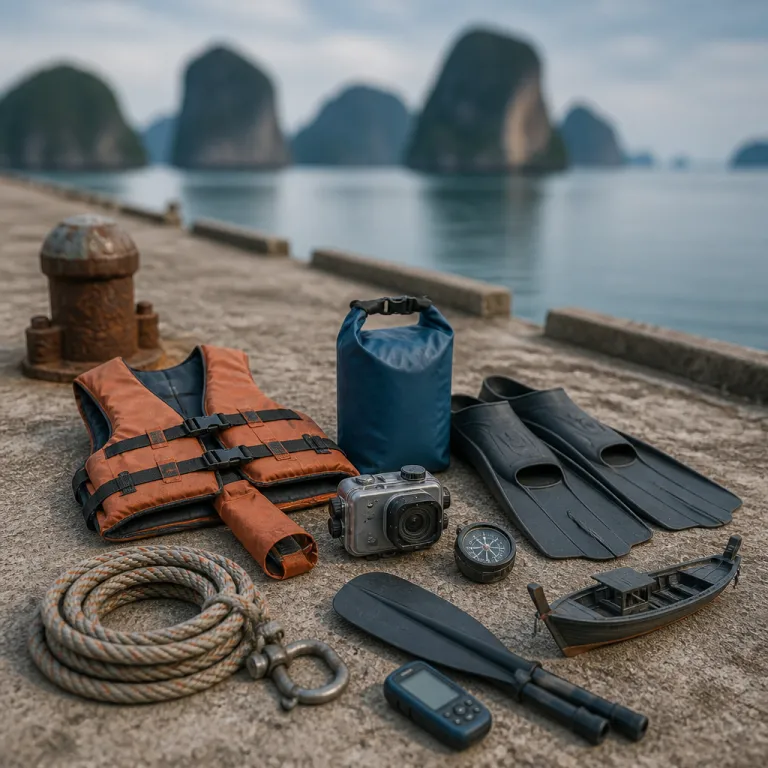
For beach days, pack light but thoughtfully, because you may move between beaches on scooters, songthaews, or longtail boats. Reef-safe sunscreen, a light shirt for sun protection, and a dry bag for boat rides make a noticeable difference to comfort. Many travellers underestimate how strong the sun feels on open water in the Andaman Sea and the Gulf of Thailand, especially around midday.
Respecting local customs and the environment is central to responsible travel on Thailand’s islands. Dress modestly away from the beach, remove shoes when entering homes or small guesthouses, and avoid touching religious objects. On the environmental side, refuse single-use plastic where possible and never stand on coral, even in shallow water near popular beaches.
Transport between island stops often involves a mix of ferries and speedboats, so allow buffer time for connections. Weather can delay departures, particularly during shoulder seasons when seas are changeable on both the Andaman coast and the Gulf of Thailand. Building one or two flexible days into your itinerary protects the rest of your stay from cascading delays.
Finally, remember that island hopping is as much about the spaces between islands as the islands themselves. Use boat journeys to rest, watch the coastline shift, and notice how each Thailand island presents a slightly different silhouette. Those quiet intervals often become the moments when you appreciate why these Thai islands rank among the best coastal journeys in Asia.
Key figures and planning statistics for Thai island hopping
- Thailand has around 1,400 islands, according to Rough Guides, which means only a small fraction appear in typical itineraries and the best islands to visit in Thailand represent a carefully curated selection.
- Tourism Authority of Thailand information and major guidebooks suggest that the Andaman Sea is generally most settled from November to April, while the Gulf of Thailand is more favourable from roughly December to August, allowing travellers to plan island-hopping routes that follow calmer seas.
- Koh Tao is recognised as the leading Thai island for diving training, with dozens of dive schools offering courses at competitive prices compared with many other global beach destinations.
- Koh Lanta and Phuket are highlighted as family-friendly islands, which helps parents narrow down where to stay when planning multi-generational trips across Thailand’s coasts.
- Growing interest in eco-tourism on Thai islands has led to more waste reduction initiatives and reef protection projects, especially around Koh Tao, Koh Lipe, and parts of Phuket and Koh Phi Phi.
FAQ about the best islands to visit in Thailand
What is the best time to visit Thai islands for island hopping?
The recommended pattern is to focus on the Andaman Sea during its drier months and the Gulf of Thailand when that side is calmer. This timing aligns with more reliable sunshine and smoother crossings on each coast. If your travel dates are fixed, choose the region whose season matches your window.
Which Thai island is best for diving and snorkelling?
For diving, Koh Tao stands out thanks to its sheltered bays, numerous dive schools, and competitive pricing. Snorkellers often favour Koh Lipe, Koh Phi Phi, and some smaller islands near Phuket and Koh Lanta, where coral gardens lie close to the beach. Always choose operators who follow reef-safe practices and limit crowding at popular sites.
Are there family friendly islands in Thailand for a relaxed stay?
Yes, Koh Lanta and Phuket are widely regarded as family friendly, with calm beaches, good infrastructure, and a range of accommodation. Koh Samui also works well for families, especially on its north and east coasts where the sea is shallow. When you plan your stay, look for beaches with gentle slopes and easy access to food and medical services.
How many islands can I realistically visit on a two week trip?
For a two-week visit to Thailand, four to five islands is usually comfortable. A balanced plan might include one main hub such as Phuket or Koh Samui and three or four smaller islands linked by short ferry rides. This pace allows time to enjoy each beach rather than spending every second day in transit.
Do I need to book ferries and accommodation in advance?
During peak periods and public holidays, booking both ferries and accommodation in advance is strongly recommended, especially for smaller islands like Koh Mak, Koh Kood, and Koh Lipe. In quieter months, you may find more flexibility, but the best located stays on popular beaches still fill early. Checking schedules and reserving key legs of your island-hopping route protects you from last-minute stress.
Trustful expert sources for further research
- Tourism Authority of Thailand
- Rough Guides
- Lonely Planet