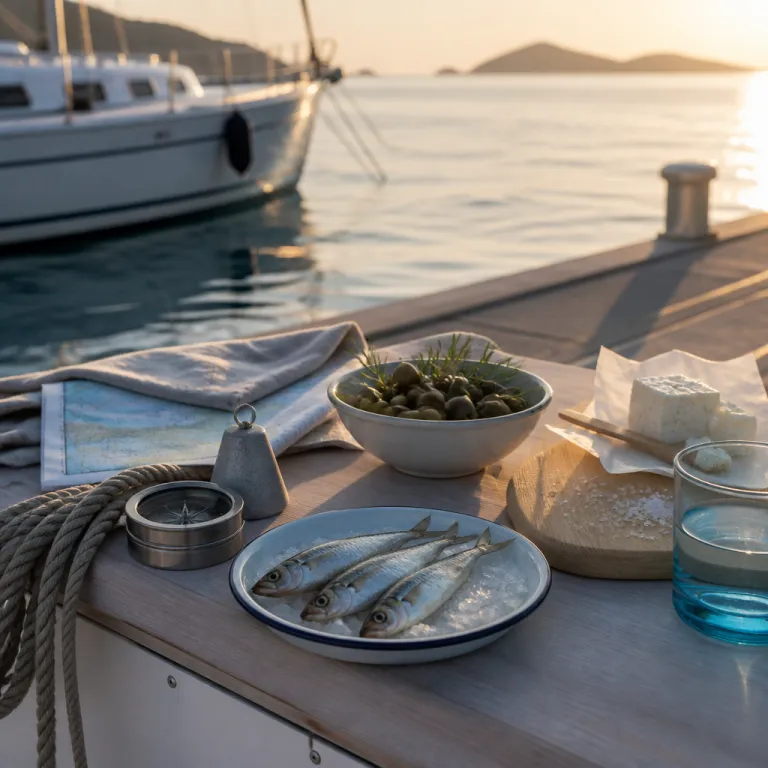
Shaping a 7 day sailing itinerary from Athens for cultured island hoppers
Planning a 7 day sailing itinerary from Athens starts with understanding distance, rhythm, and character. Over seven day segments, a well balanced sailing itinerary in Greece should blend short hops with time ashore for meaningful island experiences. This approach turns simple day sailing into a curated journey through the Saronic Gulf rather than a rushed nautical checklist.
Your route begins from Alimos Marina in the wider Athens city area, where charter companies, yacht charter specialists, and the resident captain and crew prepare the yacht. The total distance of about 130 nautical miles across the Saronic Gulf keeps daily sailing time comfortable, usually around three hours of relaxed cruising between each island. That modest time commitment at sea leaves long afternoons for swimming, walking through each town, and tasting local food in waterfront tavernas.
This itinerary focuses on calm waters and short legs, which makes it perfect for guests who are new to sailing yet curious about Greek island culture. The Saronic Gulf is generally sheltered according to regional pilot guides and Hellenic Navy Hydrographic Service charts, so even a first day of sailing from Athens feels manageable, with predictable passage times and easy mooring options in well equipped marinas. Local partners such as marinas, tour operators, and restaurants provide reliable facilities, from water and electricity on the quay to safe dinghy docking for late evening returns to your yacht charter.
Day 1 and 2 – from Athens to Aegina and onward to Poros town
Leaving from Athens, most crews start at Alimos Marina or Zea Marina, both offering full facilities, fuel, and clear procedures for charter check in. Expect around 15 nautical miles on the first day sailing to Aegina, which translates to roughly three hours of sailing time in calm Saronic Gulf conditions. This first leg allows the captain and crew to brief guests on safety gear, navigation equipment, and the simple practicalities that matter, such as lines, fenders, and how to use the dinghy for shore runs.
Aegina’s main town combines neoclassical façades with a busy waterfront, where mooring stern to the quay is standard practice. You will usually find water and electricity on the pier, cafés a few metres away, and a relaxed island atmosphere that contrasts with the nearby Athens city pace. Many travellers choose to visit the ancient Greek site of the Temple of Aphaia by taxi, which offers a refined counterpoint to the more famous Temple of Poseidon on Cape Sounion further along the Attica coast.
On day two, your sailing itinerary continues with about 18 nautical miles from Aegina to Poros, a gentle hop of a few minutes more than the first leg. Poros Bay opens into a narrow channel lined with pastel houses, and Poros town itself is one of the most photogenic harbours in Greece. Secure a berth along the waterfront, then use the dinghy for short tender trips to quieter coves, or stroll to a gift shop in town before dinner in a taverna overlooking the marina and anchored yachts. For readers interested in how other coastal regions are structuring similar routes, a detailed piece on the Kvarner area by catamaran along Croatia’s northern coast offers a useful comparison of ferry networks and private itineraries, as described by regional tourism boards and local charter operators.
Day 3 and 4 – Poros to Hydra and Spetses, where island towns shape the pace
Leaving Poros town on day three, the yacht charter usually heads about 12 nautical miles to Hydra, with an easy sailing time that still allows a late breakfast at the quay. The approach to Hydra’s horseshoe shaped bay is one of the most elegant arrivals in Greece, with stone mansions rising above the harbour and no cars to disturb the scene. Here, mooring can be tight in high season, so the captain and crew may use stern lines to other boats, while guests step ashore to explore the town’s narrow lanes and waterfront cafés.
Hydra’s lack of vehicles means that every activity starts on foot, which suits travellers who value slow travel and authentic island rhythms. You can walk from the harbour to small beaches in under 20 minutes, or hire a water taxi to reach more secluded swimming spots along the rocky coast. In the evening, the quay becomes a promenade, and the docking skills you learned on day one pay off as you return by dinghy to a gently rocking yacht under the harbour lights.
Day four usually covers about 15 nautical miles of day sailing from Hydra to Spetses, another cultured island with a strong maritime history. The short passage between these ports is relaxed enough to allow a swim stop in a sheltered bay, where the crew can anchor and guests can enjoy clear water before continuing. Spetses town offers refined mansions, horse drawn carriages, and a waterfront lined with restaurants, while the marina and nearby mooring fields provide reliable water and electricity points and organised dinghy docking for late night returns. For travellers who enjoy cultural city breaks as much as island time, an elegant guide to what to do in Havana for culturally curious island hoppers shows how similar values of heritage and rhythm can shape urban coastal stays, echoing insights from local cultural institutions and city tourism offices.
Day 5 and 6 – Spetses to Ermioni and Palaia Epidavros for ancient Greek echoes
On day five, your sailing itinerary turns north toward Ermioni, a small town set on a pine covered peninsula about 10 nautical miles from Spetses. The short sailing time allows for a leisurely start, perhaps with a swim in a nearby bay before raising the anchor and setting a relaxed course. Ermioni’s waterfront offers simple but effective facilities, including water and electricity on the quay, family run restaurants, and easy access to walking paths that circle the headland.
Ermioni is less about beaches and more about atmosphere, with a lived in Greek town character that contrasts with the more polished island harbours. Guests often appreciate the chance to explore local shops, enjoy a quiet coffee, and talk with residents about seasonal life in this part of Greece. The mooring options here are straightforward, and the captain can usually find space for comfortable side to or stern to berthing, while the crew manages dinghy logistics if you anchor slightly off the main quay.
Day six is the longest leg, around 25 nautical miles of day sailing to Palaia Epidavros on the Peloponnese coast, which still keeps total time under way manageable. This harbour town is the maritime gateway to the famous ancient Greek theatre of Epidaurus, reachable by taxi or organised excursion from the marina. Many guests choose to combine an afternoon visit to the archaeological site with an evening stroll along the waterfront, where tavernas, a small gift shop or two, and modest facilities create a calm base before the final return toward Athens.
Day 7 – Palaia Epidavros to Athens via the Saronic Gulf’s coastal highlights
The final day of a 7 day sailing itinerary from Athens usually covers about 35 nautical miles back to the city, so an early start is wise. With modern navigation systems and the experience gained over the week, the captain and crew can plan efficient routing and realistic time estimates for the return leg. Guests often spend this sailing time reflecting on the different island towns visited, from Poros and Hydra to Spetses and Ermioni, each with its own rhythm and character.
Depending on weather and timing, some itineraries include a view of Cape Sounion and the Temple of Poseidon from the sea, which offers a dramatic farewell to the Saronic Gulf. While you may not stop there by boat on every itinerary, the sight of this ancient Greek landmark perched above the cliffs connects the week’s maritime journey with the region’s deeper history. As you approach the Athens city coastline, the skyline shifts from low island houses to urban density, yet the memory of quiet bays and small marinas remains vivid.
Arrival back at Alimos Marina or Zea Marina brings the practical side of charter life back into focus, from refuelling to final checks of equipment and mooring lines. The crew will help with berthing, shore power connections, and disembarkation, while guests gather belongings and perhaps visit a nearby gift shop for last minute souvenirs. For travellers who wish to extend their island hopping beyond the Saronic Gulf, in depth guides to Greek beaches and coastal regions, such as a detailed exploration of Kefalonia’s sandy and pebbly shores for island hopping, can help shape the next voyage, drawing on regional tourism authority data and local harbour information.
Practical planning – yacht charter choices, facilities, and daily rhythms
Choosing the right yacht charter for a 7 day sailing itinerary from Athens depends on your experience, comfort expectations, and group size. Skippered charters suit guests without a sailing license, while bareboat options require at least one qualified sailor on board, as Greek regulations demand. In both cases, the presence of a professional captain and supportive crew can transform a simple island hopping route into a structured yet relaxed cultural journey.
When comparing charter offers, pay close attention to marina facilities, included equipment, and policies around dinghy use and berthing in busy harbours. Reliable access to water and electricity at each stop simplifies life on board, especially for longer itineraries that combine several island towns and mainland ports. It is also worth checking how many nautical miles are realistically planned per day, since three to four hours of sailing time usually leaves enough space for swimming, walking, and unhurried meals ashore.
Packing for this type of Saronic Gulf itinerary should balance light clothing with practical sailing gear, such as non slip shoes and a windproof layer. Sunscreen, hats, and reusable water bottles are essential items for staying comfortable during day sailing segments, particularly when the sun is strong and shade on deck is limited. Many guests also appreciate bringing a small bag for shore excursions, making it easy to step from the dinghy to a town promenade, visit a local gift shop, and then return to the yacht without fuss.
Deep dive – island tours and curated activities for culturally minded sailors
Beyond the basic 7 day sailing itinerary from Athens, the most rewarding experiences often come from well chosen island tours and shore based activities. On Aegina, a guided visit to the Temple of Aphaia and the island’s pistachio farms can turn a simple stop into a nuanced look at local agriculture and ancient Greek heritage. In Poros town, walking tours that climb to the clock tower reveal layered views over the bay, the marina, and the surrounding hills, while explaining the island’s maritime role in modern Greece.
Hydra lends itself to art and architecture walks, where guides lead guests through stone alleys, former captains’ mansions, and discreet galleries that now host contemporary exhibitions. Spetses offers coastal cycling routes and boat trips to nearby beaches, where the crew can coordinate dinghy docking and safe anchoring so that guests can transfer easily between yacht and shore. In Ermioni and Palaia Epidavros, smaller scale experiences such as cooking classes, vineyard visits, or evening performances at the ancient theatre can be arranged through local partners who understand both sailing schedules and cultural programming.
Throughout the Saronic Gulf, the combination of short nautical miles between ports and reliable marina facilities makes it feasible to integrate structured activities into each day without rushing. This balance of time under sail and time ashore aligns with current trends in experiential tourism, where travellers seek depth rather than quantity of stops. As expert summaries from Greek charter associations and regional sailing guides note, “May to October offers favorable weather.”, “Yes, for bareboat charters; not for skippered ones.”, and “Generally, yes; suitable for beginners.”, which together underline why this region is so well suited to refined, culture focused island hopping itineraries.
Key figures for a 7 day sailing itinerary from Athens
- Total distance for a classic Saronic Gulf loop from Athens via Aegina, Poros, Hydra, Spetses, Ermioni, and Palaia Epidavros is about 130 nautical miles, which keeps daily passages short and manageable for mixed experience crews (based on itinerary planning data for this route and distances published on official Greek nautical charts).
- The average daily sailing time on this itinerary is around three hours, leaving ample time each afternoon and evening for swimming, walking tours, and meals ashore in each island town (derived from standard cruising speeds of 4 to 6 knots on charter yachts, as indicated by major yacht charter companies).
- Typical legs such as Athens to Aegina or Poros to Hydra range between 12 and 18 nautical miles, which translates into roughly two and a half to four hours under sail in normal Saronic Gulf conditions (assuming moderate winds and minimal waiting for mooring, as reflected in local pilot books and port authority guidance).
- The longest single passage, from Ermioni to Palaia Epidavros, is about 25 nautical miles, still within a comfortable day sailing window that allows for a lunch stop at anchor in a sheltered bay (based on common routing choices used by local charter companies and regional cruising guides).
- Calm to moderate sea states in the Saronic Gulf during the main season make this itinerary suitable for beginners, especially when supported by a professional captain and crew who manage navigation, mooring, and dinghy transfers (as reflected in regional tourism and charter industry guidance and feedback from family oriented sailing operators).
FAQ – 7 day sailing itinerary from Athens and Saronic Gulf island hopping
What is the best season for a 7 day sailing itinerary from Athens ?
The most reliable period for a 7 day sailing itinerary from Athens through the Saronic Gulf runs from May to October, when winds are generally moderate and sea temperatures are comfortable. During these months, marinas and island towns operate at full capacity, so facilities such as water, electricity, fuel, and provisioning are widely available. Shoulder months at the start and end of this window often offer fewer crowds while still providing pleasant sailing conditions.
Do I need a sailing license for a yacht charter in Greece ?
For a bareboat yacht charter in Greece, at least one person on board must hold a recognised sailing license, and a second crew member should be able to assist with basic manoeuvres. Travellers without formal qualifications can opt for a skippered charter, where a professional captain handles navigation, mooring, and safety, allowing guests to focus on the island experience. This flexibility makes the Saronic Gulf accessible to both experienced sailors and newcomers who simply want to enjoy day sailing between ports.
Are Saronic Gulf waters suitable for beginners and families ?
The Saronic Gulf is widely regarded as one of the most beginner friendly sailing areas in Greece, thanks to its sheltered position and relatively short distances between harbours. Typical legs of 10 to 20 nautical miles keep sailing time manageable for families, while marinas and town quays offer straightforward mooring and dinghy docking. Calm conditions also make it easier to plan swimming stops in bays and to coordinate shore excursions without worrying about long offshore passages.
How much sailing should I plan per day on this itinerary ?
On a balanced 7 day sailing itinerary from Athens, planning around three hours of sailing per day works well for most crews. Shorter legs on some days allow for extended time ashore in key island towns such as Poros, Hydra, and Spetses, while one or two longer passages add a sense of progression without becoming tiring. This rhythm supports both relaxed cruising and meaningful cultural activities, from ancient Greek site visits to guided food tours.
What kind of facilities can I expect in Saronic Gulf marinas ?
Most marinas and town quays along this route provide essential facilities such as water, electricity, fuel, and waste disposal, along with nearby supermarkets, bakeries, and restaurants. Larger hubs like Alimos Marina and Zea Marina near Athens offer full service environments, while smaller ports such as Ermioni and Palaia Epidavros focus on basic but reliable infrastructure. In every case, early afternoon arrivals increase your chances of finding convenient mooring and organised dinghy docking, especially during the busiest weeks of the season.