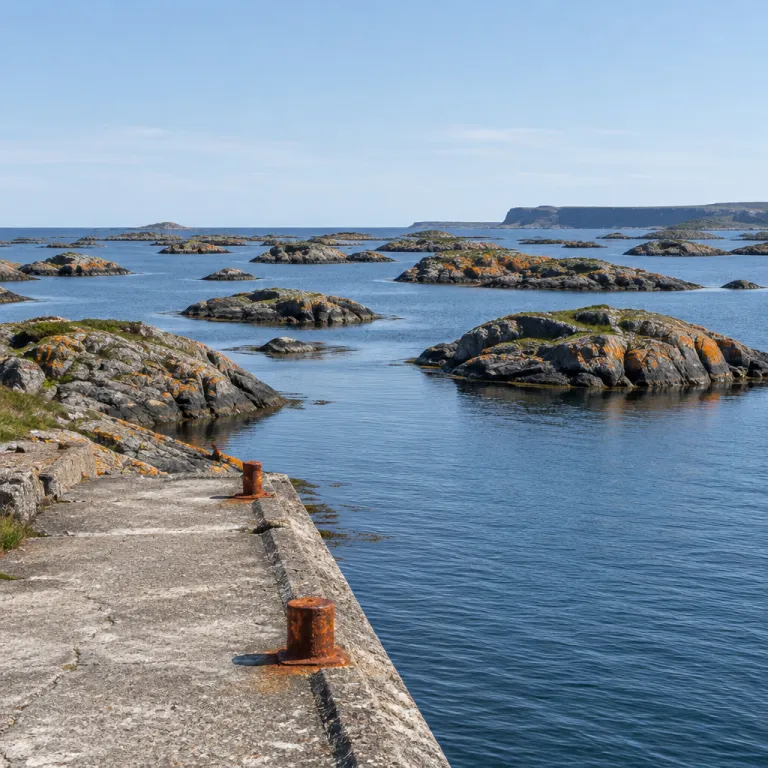
Why World Tourism Day lands differently on islands
On most mainlands, World Tourism Day feels like a polite festival of speeches and themed events. On islands, the same tourism day arrives like a tide chart, quietly reminding every resident that the world can fit onto a single pier and that one more ferry can tip the balance between vibrant prosperity and fragile overload. When you plan world tourism day islands 2026 style island hopping, you step into this tension where every day world arrival is both welcome and slightly worrying.
Island economies are often almost entirely tied to tourism, so each new year of visitors brings both relief and risk for the tourism sector. The same travel flows that keep schools open, clinics staffed and boats running also strain water supplies, waste systems and the finite white sand beaches that first attracted you to the island. That dependence paradox is why this day is celebrated with less uncomplicated joy and more careful questions about sustainable tourism, responsible travel and how to raise awareness without blaming the very guests who keep the lights on.
Nowhere is this more visible than in archipelagos where ferry capacity, runway length and freshwater tanks set hard limits on how many people can safely be celebrated as welcome visitors. In the Andaman Nicobar region, for example, the andaman nicobar islands and the more remote Nicobar Islands juggle world tourism ambitions with strict caps designed to protect natural beauty and rich cultural heritage. When you plan an island hopping experience around World Tourism Day, you are not just choosing a beach ; you are choosing how your presence will echo through a small, closely watched system.
The dependence paradox: when every ferry seat matters
Step off a boat on a small island in late september year and you can feel how the calendar shapes the mood more sharply than in any city. High season brings a festival like energy, with cultural performances, live music and family friendly events that celebrate world tourism as a lifeline, while the shoulder weeks around World Tourism Day feel like a collective breath between storms. For islanders, each day celebrated on the tourism calendar is less about slogans and more about whether the next ferry arrives full, half empty or not at all.
On world tourism day islands 2026 style itineraries, the dependence paradox becomes obvious once you talk to people who work across the tourism sector. A bartender will tell you that visitors fund school fees, while a ferry captain quietly notes that too many arrivals in one short day world window can overwhelm fragile docks and narrow roads. This is why many islands use the World Tourism Day theme to raise awareness about sustainable tourism, asking guests to spread their travel across the year and to see each island as a place to stay longer, not just a quick festival style stop.
For travellers who care about culture and heritage, this is not a reason to avoid travel but a reason to travel differently. Choosing an island hopping route that includes lesser known islands in the Andaman Nicobar chain or quieter corners of the Nicobar Islands can help distribute income more evenly across the region. If you are curious about how vibrant festivals and cultural events can be part of that balance, study archipelago guides such as the island hopping festivals and cultural events feature on this site, then ask yourself how your own experience can support both cultural heritage and natural beauty rather than just consuming them.
What good island tourism looks like on World Tourism Day
Responsible travel on islands is less about perfect virtue and more about precise choices made before you ever see a beach. When you plan world tourism day islands 2026 inspired itineraries, the most powerful decision is often to travel in the shoulder season, arriving just before or just after the busiest festival weeks so that your spending supports a longer year of employment. That simple shift turns World Tourism Day from a symbolic event into a practical tool for smoothing the boom and bust cycle that defines so many island economies.
Good island tourism also means staying longer on each island, even if that means visiting fewer places in a single trip. A three night stay on one island rarely allows you to understand its culture, while a week gives you time to attend local events, listen to live music in small venues and notice how cultural performances change between weekends and weekdays. On islands with rich cultural heritage, from the Andaman Nicobar region to Caribbean archipelagos, that extra time lets you see how world tourism interacts with daily life rather than just the staged moments designed for visitors.
Where you spend matters as much as how long you stay, especially for business leisure travellers extending a work trip into a coastal escape. Choosing locally owned guesthouses, family run villas or refined island lodges over anonymous chains keeps more of your travel budget circulating within the community, supporting the tourism sector in a way that aligns with sustainable tourism principles. If you are planning a refined coastal break around World Tourism Day, resources such as the elegant island escapes guide to Antigua on this site can help you match high service standards with a lighter footprint on both natural beauty and cultural heritage.
Your real leverage as an island hopping traveller
The most honest way to mark World Tourism Day on islands is not by posting a slogan but by adjusting your own travel patterns. When you design a world tourism day islands 2026 style route, your leverage lies in which island you choose, how you move between them and how you behave once you arrive. Every ferry you board, every beach you walk and every cultural event you attend becomes part of a quiet vote for the kind of tourism you believe should be celebrated.
Start with transport, because the boat deck is where the numbers become real and not just abstract tourism data. Booking fewer, longer hops rather than a frantic chain of short crossings reduces pressure on limited ferry capacity and gives each island more time to benefit from your presence. On routes touching the Andaman Nicobar region or the Nicobar Islands, that might mean spending several days on one island with white sand beaches and dense forests instead of chasing every famous beach in a single compressed year of travel.
Technology is also reshaping how islands manage tourism, and travellers can either help or hinder that shift. Many destinations now use digital agenda tools and even elements of artificial intelligence to monitor visitor flows, protect natural beauty and safeguard cultural heritage, but those systems only work if visitors respect booking windows, capacity limits and codes of responsible travel. As World Tourism Day approaches each september year, the most meaningful way to celebrate world tourism on islands is to travel in a way the island itself would thank you for : measured in quieter beaches, thriving culture and a tourism day that feels like a shared achievement rather than a strain.
FAQ
How can I plan an island hopping trip that supports sustainable tourism ?
Choose fewer islands and stay longer on each one, ideally travelling in the shoulder season around World Tourism Day rather than peak holiday weeks. Prioritise locally owned places to stay, book guided experiences with resident operators and respect any caps on visitors or protected beaches. This approach spreads income across the year and reduces pressure on fragile island infrastructure.
Why are islands so sensitive to tourism numbers compared with cities ?
Islands have finite land, limited freshwater, constrained ferry and runway capacity and often a narrow economic base dominated by tourism. A sudden surge of visitors can overwhelm waste systems, roads and beaches much faster than in a large city with diversified infrastructure. That is why many islands use World Tourism Day to raise awareness about responsible travel and visitor limits.
What does responsible travel look like during local festivals and cultural events ?
Arrive early, learn basic etiquette, and treat cultural performances as living traditions rather than entertainment staged only for you. Pay fair prices, avoid blocking views with cameras and follow local guidance on dress and behaviour at religious or heritage sites. Your respect helps ensure that festivals remain meaningful for residents while still welcoming visitors.
Are the Andaman and Nicobar Islands suitable for family friendly island hopping ?
Many parts of the Andaman Nicobar region offer calm beaches, nature focused activities and family friendly stays, but distances are long and infrastructure can be basic on remote islands. Families should plan extra time between ferries, book permits well in advance and choose islands with medical facilities and reliable transport. Always check current regulations, as some Nicobar Islands remain restricted to protect both communities and ecosystems.
How does artificial intelligence influence island tourism management ?
Destination managers increasingly use artificial intelligence and other digital agenda tools to analyse visitor flows, forecast peak days and protect sensitive sites. These systems can trigger limits on daily entries, adjust ferry schedules or highlight when a beach or trail needs a rest. Travellers support this by respecting time slots, capacity rules and any guidance shared through official apps or visitor centres.