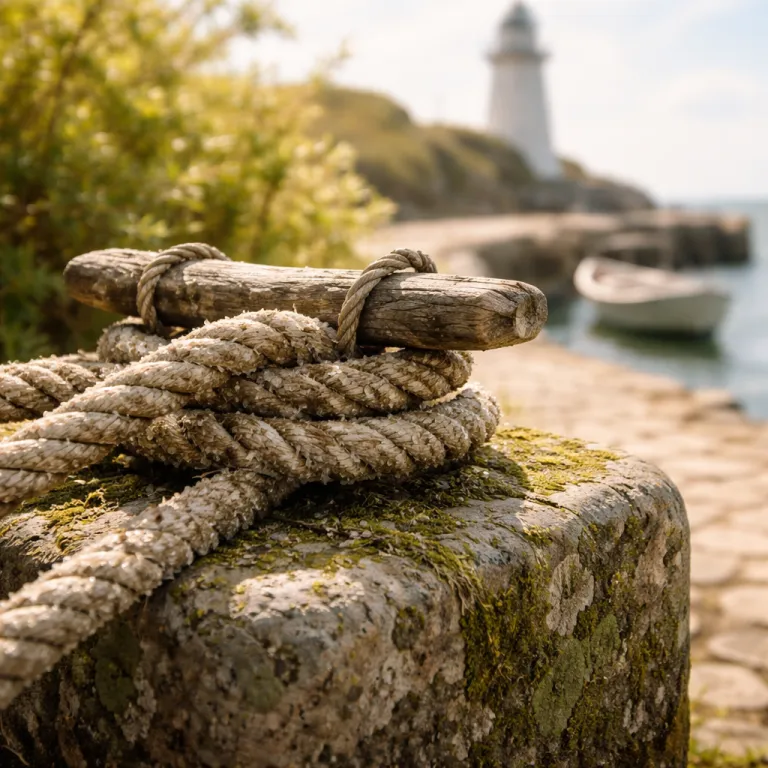
Island lighthouse trails in Europe for families who like to walk
Coastal lighthouse walks on European islands suit families who prefer quiet paths and clear horizons. These shoreline routes turn a simple walk into a narrative about shipwrecks, safe passages, and the slow rhythm of maritime life. When you plan island hopping around a lighthouse walk, each day on foot becomes a chapter in a longer seafaring story.
Across the continent, a single beacon or a chain of lighthouses often anchors an entire island itinerary, shaping where you sleep, where you swim, and which old harbor you choose for dinner. The main appeal of these maritime routes is that they combine manageable distances with rich context, so children can link each hike to a visible goal on the skyline. Families who already enjoy a coastal walk will find that following a marked lighthouse route adds structure, safety, and a clear sense of progress between ferries.
Heritage organizations and local tourism boards now map many of these trails carefully, with clear signage, digital guides, and reliable information on terrain and elevation. The growth of eco friendly travel means more routes are designed as loop options, allowing you to start and finish in the same seaside village without needing a local taxi. Before you set out on any lighthouse trail, wear comfortable walking shoes, check the weather forecast, and plan your route in advance using official maps or guidebooks from regional tourism offices.
Hebridean lighthouse walks: Atlantic weather, big skies, and quiet harbors
In Scotland’s Hebrides, the lighthouse is often the only vertical line on a wide horizon. Many island routes feel remote, yet the Hebridean versions add Atlantic weather, peat scented air, and the sense that the next fishing village might be hours away on foot. For families, the key is choosing short sections of a longer coastal route, turning a potentially harsh landscape into a rewarding half day adventure.
On the Isle of Lewis, the walk to the Butt of Lewis lighthouse follows a spectacular coastal edge, with cliffs, seabirds, and the constant sound of surf. The trail is usually an out and back route of approx 6 to 8 km, which suits older children who are used to a steady hike in exposed conditions. One local guide describes the Butt as “where the Atlantic throws its full weight at the rock,” a reminder to pack layers, windproof jackets, and a clear plan for where to warm up afterward, ideally in a small hotel or guesthouse near the harbor.
Further south, the walk to Eilean Glas lighthouse on Scalpay crosses moorland and low cliffs, giving younger walkers a sense of achievement without technical difficulty. This lighthouse trail can be broken into shorter walking day segments, allowing you to time the hike between ferry arrivals and departures on your wider island hopping loop. On a calm evening, families sometimes pause near the tower to listen to the low boom of waves below the cliffs and watch gannets diving, a simple sensory moment that helps children understand that trails can be spiritual as well as scenic.
Brittany’s island beacons: Ouessant, Île de Sein, and the French maritime story
Off the Breton coast, the islands of Ouessant and Île de Sein feel purpose built for island lighthouse trails in Europe. Here, the lighthouse is not a romantic backdrop but a working tool that once guarded what locals call the côte de la mort, the coast of death, where storms and reefs made navigation treacherous. Walking between these beacons, you sense how closely the islanders’ lives were tied to the sea long before tourism.
On Ouessant, a classic lighthouse trail forms a loop around the island’s western edge, linking several faros lighthouse sites and viewpoints over sand dunes and jagged rocks. The route is approx 15 to 18 km, so many families break it into two walking day stages, using the island bus or a local taxi to shorten sections for younger legs. One family recalls timing their loop so they reached the last headland at sunset, watching the beams of Créac’h and other lights sweep the sea before walking back to simple coastal hotels and guesthouses clustered near the main harbor.
Île de Sein offers a more compact lighthouse route, ideal for families who prefer shorter distances and frequent pauses in a seaside village café. The main walk traces the low lying galician style coast, with views that echo the more dramatic costa da morte in Spain but on a gentler scale. If your children enjoy combining walking with water time, consider pairing these French lighthouse trails with an underwater focused itinerary such as the snorkeling trails that connect your island hop, which adds a different layer of maritime heritage.
From Galicia’s Costa da Morte to Cape Finisterre: where pilgrimage meets the sea
On Spain’s Galician coast, island lighthouse trails in Europe intersect with one of the continent’s most storied walking routes. The camino to Santiago de Compostela traditionally ends in the city, yet many walkers extend their journey along the costa da morte, the coast of death, toward the Atlantic. This extension blends pilgrimage with a lighthouse trail, turning the final days into a coastal meditation.
The camino de Santiago from Santiago de Compostela to Fisterra, often called the route to Cape Finisterre, runs approx 90 km and can be divided into several walking day stages. Families with older children sometimes choose only the last section, from Cee to Finisterre, which offers a spectacular coastal approach to the cape and its lighthouse. Here, the hotel and restaurant complex known as Semáforo de Fisterra occupies former signal station buildings near the faros lighthouse itself, giving a rare chance to sleep almost at the end of the world while still enjoying comfortable rooms and a family friendly restaurant.
North of Finisterre, the Camiño dos Faros, or lighthouse trail of the costa da morte, follows the coast between Malpica and Cabo Vilán, passing near Laxe and other fishing villages. This camino dos faros route is long and rugged, so families usually select short segments, such as a half day hike between two coastal villages linked by sand dunes and low cliffs. As you walk, you pass working harbors, small seaside village squares, and viewpoints where the Atlantic feels close enough to touch, making this one of the most atmospheric lighthouse Spain experiences for island hopping travelers.
Sardinian watchtowers, family logistics, and planning your maritime island hop
In Sardinia, the coastal watchtowers and lighthouses form a looser network than the formal island lighthouse trails in Europe, yet they still shape memorable family walks. Many of these towers sit on headlands above sand dunes or rocky coves, linked by informal paths that can be combined into a flexible loop. For families, the appeal lies in pairing a short hike with a swim, a picnic, and a late ferry back to a well located hotel near the harbor.
On the island’s north and east coasts, you will find routes where a single walking day might include two or three towers, each with a different view over the coast. Distances are often approx 6 to 10 km, with modest elevation, which suits children who like to walk but still want time on the beach afterward. Because public transport can be limited, arranging a local taxi in advance or using a hire car to create your own lighthouse route is often the most practical option.
Wherever you go, the same planning principles apply to all island lighthouse trails in Europe, from the Hebrides to the galician coast and Sardinia. Check seasonal access, as some lighthouses and towers open only on certain days or require guided visits, and always carry enough water and sun protection for exposed coastal sections. For families who want to deepen their island hopping beyond the beach, combining these walks with broader hiking focused itineraries such as the island hopping hiking trails and immersive activities guide creates a balanced, heritage rich journey.
Why maritime heritage walking adds depth to island hopping
Walking between lighthouses and old harbors changes how you read an island. Instead of moving only from beach to beach, you follow the same coastal lines that sailors once watched anxiously, scanning for a lighthouse beam or a safe inlet. This shift in perspective is what makes island lighthouse trails in Europe so compelling for families who value stories as much as scenery.
Maritime heritage organizations across Europe now invest in preserving these routes, often in partnership with local tourism boards and walking tour companies. Digital guides and simple apps help you follow a lighthouse trail safely, while interpretive panels in coastal villages explain how each harbor evolved from a working port to a quieter seaside village. One reference guide to British coastal lights notes that there are more than 600 lighthouses and lightvessels across the United Kingdom, a figure that underlines just how dense this heritage network has become.
For island hopping travelers, the benefit is clear: you can design itineraries where each walking day links a lighthouse, a fishing harbor, and a family friendly place to stay. Some visitors even set long term goals, such as gradually walking sections of the camino de Santiago, the Camiño dos Faros, or other lighthouse routes over several trips. Whether you are tracing the costa da morte toward Cape Finisterre or circling a small Hebridean island, these trails ensure that every ferry crossing feels like part of a coherent, deeply rooted maritime journey.
FAQ
How difficult are typical island lighthouse trails in Europe for families?
Most island lighthouse trails in Europe offer a range of options, from short 4 to 6 km loops suitable for children to longer 15 to 20 km stages aimed at experienced walkers. Terrain is usually coastal, with some uneven paths, low cliffs, and exposed sections where wind can be strong. Checking local trail descriptions for distance, elevation, and surface type helps you match each walk to your family’s fitness and experience.
Are guided tours available on these lighthouse routes?
Many destinations with established lighthouse trails offer guided walking tours during peak seasons, often led by local historians or certified mountain leaders. These guides add context about shipwrecks, maritime trade, and lighthouse technology, which can keep children engaged. For quieter months, self guided options using maps, printed guidebooks, or official apps are usually available.
Can we combine lighthouse walks with other coastal activities?
Yes, lighthouse walks pair naturally with swimming, snorkeling, and visits to historic harbors or maritime museums. In several regions, you can plan a walking day that ends at a sheltered cove, a fishing harbor, or a family friendly beach with facilities. This mix of activity and relaxation works particularly well for multi day island hopping itineraries.
What should we pack for a lighthouse trail on a European island?
Essential items include comfortable walking shoes, layered clothing for changeable coastal weather, sun protection, and enough water for the full route. A printed map or downloaded offline map is useful, as mobile coverage can be patchy near remote headlands. For families, snacks, a small first aid kit, and lightweight waterproofs help keep the group comfortable if conditions shift suddenly.
Is it realistic to visit many lighthouses on one trip?
Visiting several lighthouses on a single island hopping journey is realistic, especially in regions with dense maritime heritage such as Brittany, Galicia, or the Hebrides. However, trying to see every lighthouse in a country is a long term project rather than a single holiday goal. One reference work notes that visiting all 600 plus lighthouses in the United Kingdom is challenging but feasible only with careful, multi trip planning.