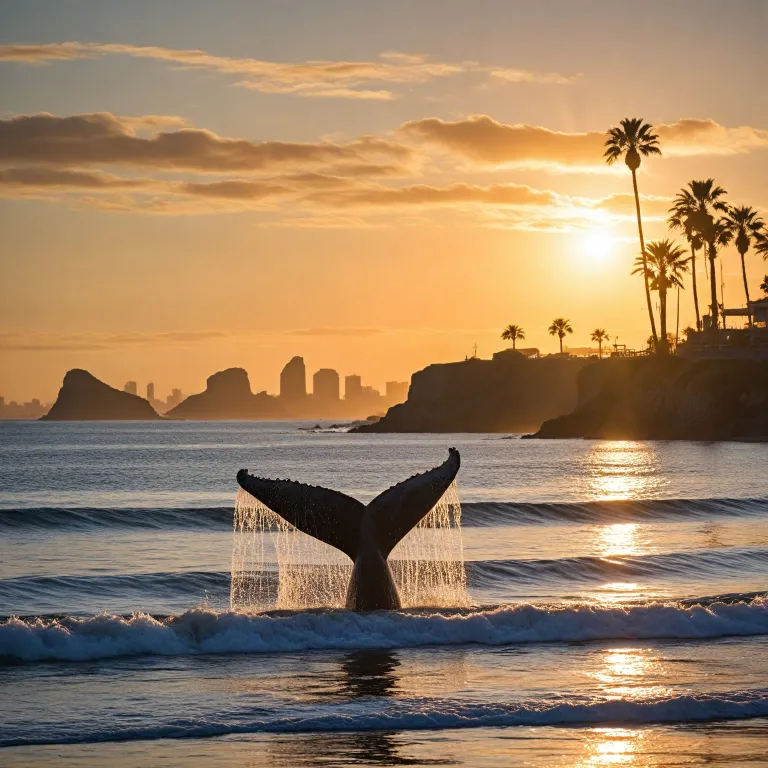
Understanding when whale watching season peaks in San Diego
Along the Pacific coast, many travellers ask when is whale watching season in San Diego because the answer shapes every detail of their trip. The city’s position in southern California places it directly on major migration routes where each whale and many whales dolphins pass remarkably close to shore. Thanks to these routes, visitors can enjoy whale watching opportunities almost year round, with distinct seasons for gray whales, blue whales, humpback whales, fin whales, and even smaller minke whales.
Marine biologists describe San Diego as a natural corridor where gray whales travel between Alaska and Baja California, creating reliable winter and early spring sightings. The best time for gray whales generally runs from mid December through April, when thousands of gray whales hug the coastline and a patient whale watch from shore can be as rewarding as a boat based watching tour. During this period, watching San Diego waters from elevated viewpoints often reveals a gray whale spout or tail within minutes, especially on calm days with clear light.
Visitors who prefer warmer weather often wonder whether summer offers enough whales to justify a dedicated trip. In these months, the focus shifts from gray whales to blue whales and other species that follow rich upwellings of nutrients along the California current. From mid June into late summer, blue whales and blue whale families feed in deep offshore waters, and this blue whales season is widely considered the best time for encountering the world’s largest animal near san diego.
Season by season guide to whale and dolphin sightings in San Diego
Planning around the calendar is essential when deciding when is whale watching season in San Diego for your specific interests. In winter, gray whales dominate the scene, and many operators describe this as the classic gray whale migration period with frequent, predictable sightings close to shore. During these months, a diego whale excursion often combines views of gray whales, playful dolphins, and abundant seabirds riding the same productive waters.
As late spring transitions into summer, blue whales and fin whales begin to appear more regularly in offshore waters. This shift marks a new best time for travellers who want to see blue whales feeding, sometimes alongside minke whales and pods of common dolphins that slice through the water at impressive speed. Because these animals often remain in deeper waters, a dedicated whale watching tour becomes the most reliable way to reach prime feeding grounds off san diego.
Autumn introduces a more varied cast, including humpback whales that breach dramatically and sometimes interact with whales dolphins in mixed feeding groups. October and november can bring a blend of lingering blue whales, early arriving gray whales, and charismatic humpback whales, making this shoulder season surprisingly rich. When you pack for these outings, consult an expert resource on packing essentials and practical travel tips so you remain comfortable in shifting coastal conditions.
Where to watch whales from shore and at sea around San Diego
Understanding when is whale watching season in San Diego is only half the story, because location determines how close you will be to the action. Along the coastline, Cabrillo National Monument stands out as a premier land based vantage point for gray whales during winter and early spring. From this headland, visitors often see gray whales and gray whale calves passing south toward Baja California, their blows visible against the horizon when the waters are calm.
Beyond Cabrillo National Monument, several coastal parks and cliffs provide excellent views of san diego waters during peak migration periods. On clear days, patient observers can sometimes spot blue whales farther offshore, especially when the water is glassy and the light is behind them. While these blue whale sightings from land are less frequent than boat based encounters, they add an exciting dimension to a shoreline walk or a quiet afternoon of watching san diego’s horizon.
For closer encounters, a professionally operated whale watching tour offers access to deeper waters where blue whales, fin whales, minke whales, and humpback whales feed. These excursions often travel several kilometres offshore, following reports from marine trackers and other diego whale captains to maximise sightings throughout the year. Before boarding, many travellers review an ocean focused packing list to ensure they bring layers, sun protection, and waterproof gear suitable for open water conditions.
How migration patterns shape the best time for whale watching
To answer when is whale watching season in San Diego with precision, it helps to understand the migration patterns that guide each species. Gray whales undertake one of the longest migrations of any whale, travelling roughly 16 000 kilometres between Arctic feeding grounds and warm lagoons in Baja California. This immense journey brings gray whales close to the san diego shoreline from mid December through April, creating a reliable winter spectacle in local waters.
During summer, blue whales follow dense swarms of krill that gather in nutrient rich waters off southern California. These blue whales and accompanying fin whales often remain in the region for several months, making this period the best time for travellers focused on seeing feeding behaviour rather than long distance migration. Because the animals concentrate over submarine canyons and offshore banks, a dedicated whale watch by boat offers the highest chance of multiple blue whale sightings in a single outing.
Humpback whales and minke whales add further complexity, appearing in san diego waters during transitional months when food is abundant. Their presence means that, although certain months are clearly stronger for specific species, there are meaningful whale watching opportunities year round. As one expert summary notes, “Year-round whale watching opportunities due to diverse species migrations.”
Practical tips for timing, booking, and on water comfort
Once you understand when is whale watching season in San Diego, the next step is planning the practical details of your trip. For peak gray whales and blue whales periods, it is wise to book your whale watching tour several weeks in advance, especially around holidays and school breaks. Many operators report that the most popular winter and summer departures, particularly midday sailings, will sell out quickly when forecasts promise calm waters and clear visibility.
On the day of your whale watch, dress in layers because conditions can shift rapidly between the harbour and open water. Even in summer, the combination of wind, spray, and cool california currents often feels significantly colder than temperatures on land. Waterproof outerwear, a warm mid layer, and non slip shoes help you stay comfortable while moving around the deck to follow whales, dolphins, and seabirds as they surface on different sides of the vessel.
For travellers combining coastal cruising with island hopping elsewhere along the Pacific, thoughtful planning can stretch both time and budget. Many readers consult guidance on affordable multi stop marine adventures before finalising their itinerary. Whether you travel in winter, summer, or during the shoulder seasons around february and october, aligning your schedule with the best time for your preferred species will significantly enhance your overall experience.
Eco friendly whale watching and responsible marine tourism in San Diego
Knowing when is whale watching season in San Diego also carries a responsibility to choose eco conscious experiences. Reputable operators in san diego and across southern california follow guidelines that minimise disturbance to each whale, whether it is a migrating gray whale or a feeding blue whale. These guidelines typically regulate approach distances, vessel speeds, and the amount of time a boat spends near individual whales or whales dolphins groups.
Travellers can support conservation by selecting companies that emphasise education, research partnerships, and low impact practices on the water. Many tours include naturalists who explain how gray whales, humpback whales, fin whales, and minke whales use local waters throughout the year. They also highlight the role of protected areas such as Cabrillo National Monument, where shore based watching san experiences reduce pressure on animals while still offering memorable sightings.
Responsible whale watching extends beyond the boat to everyday choices that affect california’s coastal environment. Reducing single use plastics, supporting marine charities, and respecting wildlife regulations all contribute to healthier waters for future generations of whales and dolphins. By aligning your travel plans with ethical operators and seasonal patterns, you ensure that the best time for your own sightings also supports the long term wellbeing of every whale that passes san diego.
Key statistics about whale migrations and viewing opportunities
- Gray whale migration distance along the Pacific coast is estimated at about 16 000 kilometres for a complete round trip between feeding and breeding grounds.
- Approximately 20 000 gray whales are believed to migrate annually along the route that passes near san diego and other parts of southern california.
- These large scale movements create reliable viewing windows in local waters, particularly from mid December through April for gray whales and from mid June through late summer for blue whales.
Essential questions about whale watching seasons in San Diego
When is the best time to see gray whales in San Diego ?
The best time to see gray whales in San Diego is from mid-December through April during their migration. During this period, many gray whales travel close to shore, making them visible both from boats and from elevated coastal viewpoints. Calm days with good visibility generally offer the strongest chance of frequent sightings.
Can I see whales from the shore in San Diego ?
Yes, gray whales can often be seen from coastal vantage points such as Cabrillo National Monument during their migration season. Elevated cliffs and headlands provide wide views over san diego waters, allowing observers to spot blows, backs, and tail flukes as whales pass. Bringing binoculars significantly improves your ability to identify distant whales and dolphins from land.
Are there whale watching tours available year round in San Diego ?
Yes, due to the presence of different whale species throughout the year, whale watching tours are available year-round in San Diego. Operators adjust their focus according to the season, highlighting gray whales in winter, blue whales and fin whales in summer, and mixed species including humpback whales during transitional months. This year round variety means visitors can plan a rewarding whale watch in almost any month, provided they match expectations to the prevailing seasonal patterns.