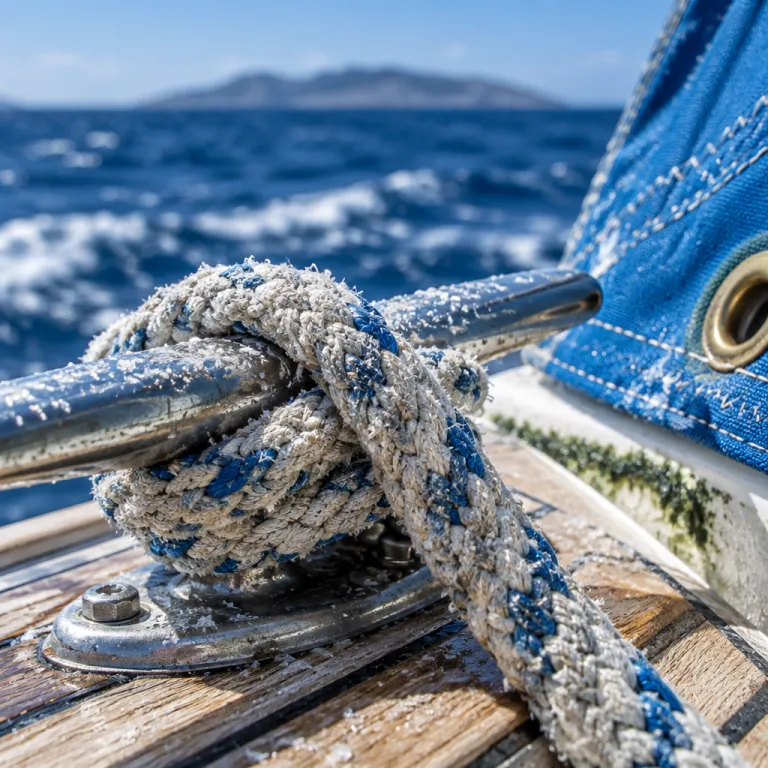
Why the Dodecanese suits a first dodecanese sailing charter summer route
The Dodecanese islands sit in a gentler corner of the Aegean Sea, which makes a first sailing holiday feel measured rather than macho. Distances between each island are short, so your dodecanese sailing charter summer route becomes a chain of three to five hour passages instead of exhausting offshore slogs. For couples planning their first yacht charter, that balance between relaxed sailing conditions and frequent landfalls is exactly what keeps confidence high.
Compared with the Cyclades, the meltemi winds usually arrive softer here, and the average summer strength around force 4 on the Beaufort scale keeps most days lively but manageable. Seasonal summaries from the Hellenic National Meteorological Service and local charter operators describe June to September as a period of moderate northerlies in this region, with calmer spells in early summer. Those weather conditions mean that sailing Dodecanese style is about timing your departures, not battling the elements, and you can usually adjust your sailing itinerary by a few hours to avoid gustier afternoons.
For first time charterers, the infrastructure also helps, because marinas and small harbours are close together and well charted. Kos Marina and Rhodes Marina both offer clear approaches, fuel, technical support and straightforward check in procedures, which reduces stress on that crucial first day. Once you leave each port, you are rarely more than a short sail from the next sheltered bay, so a typical Dodecanese island hopping route feels like a curated series of chapters rather than a test of endurance.
A one week summer sailing itinerary from Rhodes to Kos
Think of a week long sailing itinerary here as two arcs across the Dodecanese islands, one outward from Rhodes and one closing gently toward Kos. Start at Port Rhodes, where Rhodes Marina sits just north of the medieval walls and offers an efficient base for both sailing yacht and catamaran charter check outs. After provisioning, many crews take a short afternoon sail to a nearby bay such as Kallithea or Anthony Quinn Bay, using that first day to learn the yacht and settle into the rhythm of sailing Dodecanese waters.
On day two, shape a course toward Symi, allowing four to six hours depending on sailing conditions and the yacht charter you choose. The distance from Rhodes to Symi is roughly 23 to 28 nautical miles, so a cruising speed of 4 to 6 knots keeps the passage relaxed. The approach to Symi’s main port is one of the most theatrical in Greece, with neoclassical houses rising steeply above the harbour and ferries sliding past as you sail in. Call on VHF channel 12 to check traffic, keep to the starboard side of the entrance and be ready for crosswinds. If you have another day to spare, a side trip to Panormitis Symi on the south coast rewards you with a monastery backed by pine forest and a deep, calm inlet that feels made for a quiet evening at anchor.
From Symi, continue your dodecanese sailing charter summer route west toward Tilos, aiming for Livadia Tilos on the east coast of the island. The leg from Symi to Tilos usually takes around five hours in normal weather conditions, covering about 25 nautical miles, and the small harbour at Livadia Tilos offers simple moorings, a few tavernas and a shoreline that still feels unhurried. Depths on the quay are generally adequate for yachts up to 12 metres, but an anchor laid well ahead and long shore lines help in crosswinds. Many couples linger here, using Tilos Livadia as a base for a morning hike into the hills before returning to the yacht for a late afternoon swim.
Next, steer south toward Nisyros, a volcanic island that is far easier to reach by sail than by ferry. The Symi Nisyros stretch can be adjusted depending on wind strength, but most crews allow another four to six hours for the roughly 22 to 30 nautical miles, arriving in the main port of Mandraki or the small harbour at Pali with enough daylight to walk the waterfront. After exploring the crater interior by rented scooter or local tour, continue north toward Kos, perhaps pausing off smaller islands such as Kalymnos or even Patmos if your charter duration allows.
The final day brings you along the Kos Rhodes axis in reverse, closing your loop at Kos Marina where charter companies handle efficient returns. This Rhodes to Symi to Tilos to Nisyros to Kos pattern complements the dataset example route from Kos to Leros, Patmos and Lipsi, giving first time charterers two clear models for planning. If you want more inspiration on refined multi island routes, the Antigua focused guide to island hopping with NoForeignLand shows how similar principles apply in other archipelagos.
Charter choices, costs and practical sailing conditions
Once you have chosen a dodecanese sailing charter summer route, the next decision is whether to book a bareboat or a skippered yacht charter. Bareboat suits couples with at least one qualified skipper who holds the licence required in Greece, while a skippered charter works well for first time charterers who want to learn sailing skills without carrying full responsibility. Local charter companies across the Dodecanese islands now pair traditional sailing yachts with modern navigation apps, which makes route planning and weather checks more intuitive.
Costs vary by yacht size, season and whether you choose a sailing yacht or a catamaran charter, but couples usually find that sharing with another pair keeps the budget comfortable. Ideal group size on a 12 metre yacht is four people, which leaves one cabin free for storage and keeps the cockpit uncluttered during each day under sail. As a rough guide, summer marina fees for a 10 to 12 metre yacht in places like Kos Marina and Rhodes Marina often range from about €40 to €80 per night including water and shore power, depending on length and season. Remember to factor in fuel, end cleaning and provisioning, because these extras can add a meaningful percentage to the overall charter cost.
In summer, average wind conditions around force 4 mean that most passages between each island remain within three to six hours, which is manageable even for novice crews. You still need to monitor weather conditions daily, especially when meltemi winds strengthen, and adjust your sailing itinerary so that longer legs fall in the morning. Check at least two forecast sources, note any small craft advisories and be prepared to shorten sail early. For a deeper look at how to structure blue water routes in other regions, the global overview of sailing routes for refined island hopping offers useful comparisons.
Safety wise, the Dodecanese islands benefit from clear local regulations and coastguard presence, but you should still treat each passage with respect. Check forecasts from multiple sources, brief your crew before leaving each port and keep a conservative margin when judging sailing conditions. A simple checklist for first timers includes valid licences for at least one skipper, lifejackets for everyone on board, a functioning VHF radio, updated paper and electronic charts, a realistic fuel reserve and a basic budget for mooring fees and groceries. The goal on a first dodecanese sailing charter summer route is not to chase maximum speed; it is to arrive in each marina or anchorage with enough daylight and energy to enjoy the island waiting beyond the quay.
Islands that reward arrival by sail alone
Some of the most memorable stops on a dodecanese sailing charter summer route are the smaller islands that feel slightly out of reach for standard ferry schedules. Tilos and Nisyros both fall into this category, and arriving by sail rather than on a crowded day boat changes the entire experience. You step off the yacht when the quay is quiet, wander into town before the rush and return to your cockpit just as the island settles into its evening tempo.
On Tilos, the Livadia Tilos waterfront remains low key, with a handful of cafés, a narrow beach and a backdrop of hills that invite early morning walks. Using Tilos Livadia as your base, you can plan a day that alternates between swimming, hiking and slow lunches, always with the yacht just a few minutes away. Nisyros offers a different mood, with its volcanic interior and whitewashed villages, yet the same principle holds; sailing access lets you time your visit around the island rather than the other way round.
Further north, Kalymnos and Patmos add variety to longer itineraries, especially for couples extending their sailing holiday beyond one week. Kalymnos, once known mainly for sponge diving, now mixes climbing culture with traditional harbour life, while Patmos combines spiritual heritage with sheltered anchorages. These islands, along with Symi and Rhodes, show how the Dodecanese islands form a coherent chain where each island has its own tempo yet remains only a few hours of sailing from the next.
As you refine your own sailing Dodecanese plans, think about experiences rather than island counts, and leave space for unscripted swims or an extra night in a port that feels right. A mid season dodecanese sailing charter summer route also pairs beautifully with underwater days elsewhere, and the detailed guide to snorkeling in St Thomas shows how to build that same immersive rhythm into other archipelagos. Whether you start in Kos, Rhodes or another marina, the essence of this region lies in those quiet moments when the engine is off, the sails are drawing and the next island is already reshaping your plans.
FAQ
What is the best time for a dodecanese sailing charter summer route?
The most reliable period for a dodecanese sailing charter summer route runs from June to September, when wind patterns are settled and most local services are open. During these months, average wind strength around force 4 creates manageable sailing conditions for first time charterers. Sea temperatures are warm, daylight is long and both Kos Marina and Rhodes Marina operate at full capacity for yacht charter arrivals and departures.
Do I need a licence to charter a yacht in the Dodecanese?
For a bareboat yacht charter in Greece, at least one person on board must hold a recognised sailing licence and another should have basic experience as crew. If you do not meet those requirements, a skippered charter allows you to enjoy the same Dodecanese island route while a professional captain handles navigation and safety. Local charter companies in Kos, Rhodes and other ports can advise on acceptable certifications and help match you with the right yacht.
Are the Dodecanese islands suitable for beginner sailors?
The Dodecanese islands are well suited to beginners because distances between each island are short and many routes remain sheltered from the strongest meltemi winds. Harbours such as Port Rhodes, Livadia Tilos and the main port on Nisyros offer straightforward approaches, which reduces stress during arrivals. With careful attention to weather conditions and conservative daily planning, first time charterers can build confidence quickly while still enjoying varied island experiences.
How long should I plan for a first sailing holiday in this region?
A seven day charter gives enough time to sail a loop such as Rhodes to Symi to Tilos to Nisyros to Kos without rushing each stop. This duration keeps most legs within three to six hours under sail, which is comfortable for novice crews and leaves afternoons free for swimming or exploring ashore. If you want to include more remote islands such as Kalymnos or Patmos, consider extending your sailing itinerary to ten days.
What type of yacht is best for a couple in the Dodecanese?
For most couples, a 10 to 12 metre sailing yacht offers a good balance between comfort, handling and cost on a dodecanese sailing charter summer route. A catamaran charter provides more space and stability at anchor, which some travellers prefer, but it usually comes with higher marina fees and slightly more windage under strong meltemi winds. When choosing between monohull and catamaran, think about how much time you plan to spend sailing versus relaxing in port or at anchor.