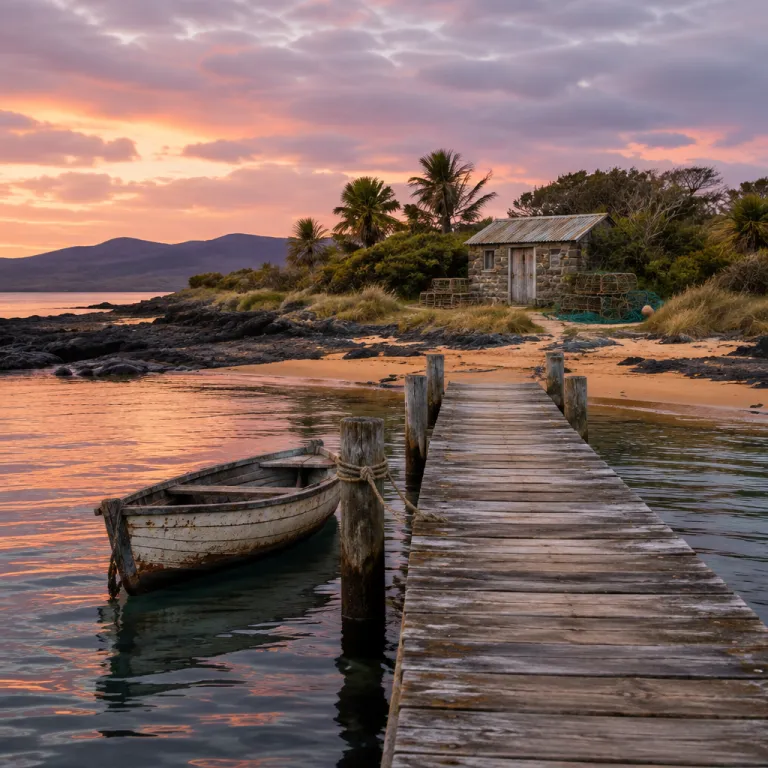
Why off‑season island travel often feels more honest
Why the island feels different when the crowds have gone
Arrive on an island in late October and the first shock is silence. The same harbour that strained under peak crowds in August now breathes at its own pace, and the version of off‑season island travel you meet feels closer to the truth. You notice how every island resident walks a little slower, because the time pressure of peak‑season tourism has finally lifted.
In high summer the working island hides behind the performing one, shaped by the best marketing images and by the list of must‑see spots that every visitor has already read. When you return in the quieter months, the usual island‑hopping routine changes into a relationship, and your travel experience becomes a conversation rather than a transaction. You are no longer one of thousands compressed into a single slice of the year when hotel rates, ferry timetables and even smiles are calibrated for maximum throughput.
Think of the Greek islands that dominate every summer travel list and every “min‑read” guide that promises the best time to go. In August the weather is reliable, the sandy beaches are crowded, and the island can feel like a stage set built for a single long weekend. Come back in late September or November and the same island is still open, but the season has shifted from performance to maintenance, and the local community finally has time to look up and talk.
Travelling outside the peak is not just about chasing cheap hotel rates or Black‑Friday‑style deals, although the lower cost is real and often welcome. It is about choosing a different relationship with time, with weather, and with the people who live year‑round on these islands. When you treat the island as a place with a full calendar rather than a summer product, you start to understand why many destinations feel most honest just after the crowds have left.
The sensory shift is immediate the moment you step onto an almost empty ferry in winter or late autumn. You hear the hull working, the wind, the low conversation of local commuters who use this crossing year‑round, not just in the peak season. That soundscape is the quiet soundtrack of shoulder‑season island travel, and it changes the way you remember the trip long after you return.
The sensory argument for travelling when the island exhales
On a summer afternoon in Raja Ampat, the water is full of fins, cameras and competing guides promising the best scuba diving of your life. Visit the same island in the shoulder season and the same coral feels calmer, the same beaches hold fewer footprints, and the travel experience becomes less about the instant wow and more about the slow time between dives. You start to notice how the local boat crews talk to each other, how they read the weather, how they treat the sea as a colleague rather than a backdrop.
In the Faroe Islands the difference between August and November is not just temperature or daylight, but the way sound carries across the harbour. During peak season the main town hums with buses, luggage wheels and the constant shuffle of people checking off a list of top viewpoints. In late‑season travel, when only a few visitors remain, you hear the gulls again, the church bell, the low thud of a fishing boat returning at the best time of tide for its crew rather than for a tour schedule.
Walk through a small harbour on a Greek island when the last charter yacht has left and you will understand why October can be the best time of year for honest encounters. The cafés that stay open year‑round are no longer performing for crowds, and the local regulars reclaim their usual tables with a quiet sense of relief. Sit there long enough, actually read the menu instead of scanning for the fastest option, and someone will eventually ask about your trip in a way that feels personal rather than professional.
On Tinos, for example, the ferry deck in late season feels like a village square in motion. Our detailed guide to exploring Tinos by foot and ferry shows how the island’s walking paths, chapels and small ports reveal a different rhythm once the peak season has passed. That is the essence of off‑season island travel, where the most rewarding places are not the ones on a list but the ones that emerge when you give the island time to speak.
Even the weather becomes part of the conversation rather than a problem to be solved. A black cloud over Sri Lanka’s southern coast in the so‑called “wrong” season might cancel one beach afternoon, yet it can open a different door inland to a national park or a village market. When you accept that the season will write part of your itinerary, you stop chasing the single “best” weather window and start paying attention to the island as it actually lives.
The honest trade offs of travelling outside the peak
Choosing off‑season island travel means accepting that some doors will be closed, and that is precisely why the island feels more real. In August every restaurant, bar and excursion is open because the time window for revenue is short, but in November the island keeps only what it needs for its own life. That can mean fewer options for your trip, yet each open place tends to be run by local families who live year‑round on the island and remember your face the next day.
There are practical trade‑offs that any experienced traveller should weigh before committing to a shoulder‑season itinerary. Ferry schedules can be thinner, flights may operate fewer days per week, and the weather can swing from clear blue to storm black in a single afternoon. Yet for many business‑leisure travellers extending a work trip, that unpredictability is a feature rather than a flaw, because it forces a slower pace and a more grounded travel experience.
In the Greek islands, for example, a ten‑day route that feels rushed in summer becomes almost meditative in October. Our refined itinerary for island hopping between culture and caldera views works differently once the peak‑season crowds have thinned and hotel rates have softened. You might skip one island because of a cancelled sailing, but the extra time on another island often yields the best conversations of the entire journey.
Weather is the variable most travellers fear, yet it is also the element that gives each season its character. In Costa Rica, the so‑called green season brings short, intense showers that turn the national‑park trails vivid and the air heavy with scent, while the beaches empty out between storms. If you travel at this time of year, you trade a narrow definition of “perfect” weather for a richer, more layered sense of place.
Even in classic winter‑sun destinations like Sri Lanka, the idea of a single best time to visit an island is misleading. The country’s two monsoon systems mean that one coast can be in peak season while another is in its quieter shoulder season, creating a patchwork of micro‑climates and crowd levels. For travellers willing to read beyond the standard “min‑read” guides and actually compare regional forecasts, this complexity becomes an advantage rather than a complication.
How being one of few visitors changes the relationship
When you arrive on an island outside the peak season, you are no longer part of an anonymous wave. The local community notices your presence, not because you are special, but because you are rare at that particular time of year. That rarity changes the dynamic of every interaction, from the café owner who has time to chat to the ferry clerk who remembers where you are heading next.
On a winter crossing to the Isle of Skye, for example, the deck is often shared only with local commuters and a handful of travellers who have chosen this travel window deliberately. Our route‑level guide to elegant ways to reach Skye from Edinburgh shows how the journey itself becomes part of the story when the crowds have thinned. You feel the island appear through the mist as a place where people live year‑round, not as a summer attraction that opens and closes with the school calendar.
In Raja Ampat, travelling outside the busiest months means your scuba‑diving group might consist of just you and a local guide who has grown up on that island. The conversation on the boat between sites ranges from reef health to school closures, from fishing rights to the best places to buy fuel, and your understanding of the archipelago deepens with every story. That is the quiet power of shoulder‑season visits, where the best memories are often the unscripted ones that never appear in any list of top attractions.
Faroe Islanders, for example, often speak about the strain of hosting more visitors than the infrastructure can comfortably hold during peak season. When you choose to visit in the shoulder season, you are helping to spread demand across the year and support businesses that operate beyond the narrow summer window. This is not charity; it is a more sustainable way to structure your own travel time so that your presence aligns with the island’s capacity.
For the business‑leisure traveller, the argument is simple and unapologetic. The island you meet in October, in late winter, or in any off‑peak month is the one that will stay with you, because it is the island as it lives when nobody is watching. Choose that version, and your next island visit will feel less like a performance and more like a long, honest conversation between guest and host.
Key figures that support travelling outside the peak season
- According to the UN World Tourism Organization (UNWTO), international tourist arrivals are heavily concentrated in a few peak months; in Europe, for example, roughly 40 percent of annual travel occurs in a four‑month summer window (see UNWTO, Tourism and Seasonality, 2019). Shifting even one trip into the shoulder season can therefore help reduce pressure on peak‑season infrastructure.
- Data from the European Travel Commission indicate that average hotel rates in popular Mediterranean destinations can drop by around 20–40 percent between August and October (European Travel Commission, European Tourism Trends & Prospects, 2022), allowing travellers to access higher service standards while supporting properties during quieter months.
- Research by VisitScotland shows that visitors who travel outside the main summer season are more likely to engage with local cultural activities and spend a higher proportion of their budget in small, locally owned businesses, directly supporting year‑round livelihoods (VisitScotland, Trends in Scottish Tourism, 2021).
- Studies on overtourism in destinations such as the Greek islands and Costa Rica’s coastal national parks highlight that redistributing visitors across the full year is often more effective at reducing environmental strain than simply capping peak‑season numbers (see UNWTO, Overtourism? Understanding and Managing Urban Tourism Growth Beyond Perceptions, 2018).